


TL;DR:
- Creating a home sanctuary is about intention, not size or decor.
- Regular use and personalized rituals make sanctuaries effective for stress relief, especially in midlife.
- Small, consistent spaces with multisensory elements promote long-term relaxation and nervous system recovery.
You don’t need a five-star spa or a weekend retreat to feel genuinely restored. The idea that deep relaxation requires leaving home is one of the most common wellness myths around, and it’s worth setting straight. A home sanctuary is a dedicated personal space designed for relaxation, self-care, and wellness, supporting your mental, emotional, and physical well-being through intentional design choices. Whether you’re managing the pressures of midlife, recovering from a long workweek, or simply craving a quiet corner to breathe, building a sanctuary at home is one of the most practical and lasting investments you can make in your well-being.
Table of Contents
- What is a home sanctuary?
- Why midlife adults need a home sanctuary
- Designing your personal sanctuary space: from nooks to multisensory recharge rooms
- Personalization and rituals: making your sanctuary work for you
- The surprising truth: consistency beats perfection in home sanctuaries
- Ready to upgrade your relaxation? Explore recovery solutions
- Frequently asked questions
Key Takeaways
| Point | Details |
|---|---|
| Intentional spaces matter | You can transform any corner into a wellness sanctuary with thoughtful choices. |
| Personalization boosts results | Tailoring your sanctuary to your preferences ensures long-term relaxation benefits. |
| Small steps, big impact | Even budget-friendly changes like decluttering or adding plants lower stress. |
| Consistency is key | Using your sanctuary regularly for rituals or routines creates lasting calm. |
What is a home sanctuary?
Now that you see the value in creating relaxation at home, let’s clarify what a home sanctuary truly means and how it differs from any other room.
A home sanctuary isn’t about having a perfectly styled room with linen curtains and fresh eucalyptus on the shelf. It’s about intention. What makes a home sanctuary truly effective is not its price tag or square footage but the deliberate purpose behind the space. It’s a place you enter with the mindset of caring for yourself, and that shift alone changes how your body responds.
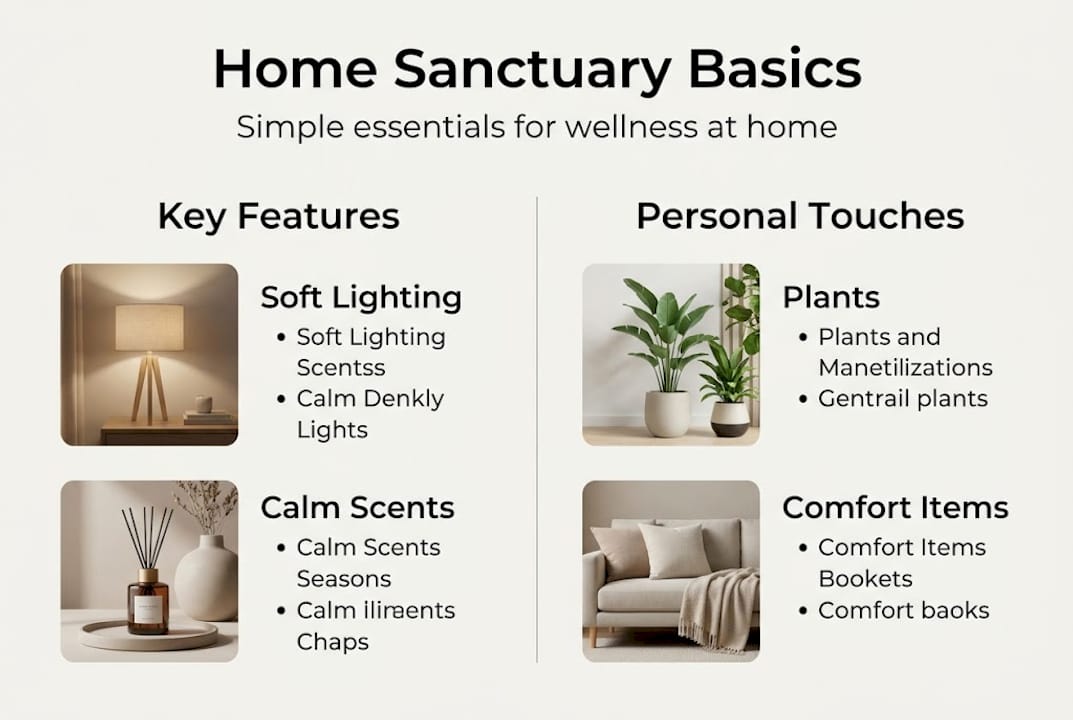
Think of it this way: your living room is designed for shared activity. Your home office is wired for productivity. A sanctuary, on the other hand, is built entirely for restoration. That’s a meaningful distinction, and it changes how you design, use, and protect the space.
Here are the key traits that separate a true sanctuary from a regular room:
- Privacy and quiet: The space should feel set apart from household noise and distractions.
- Sensory intention: Elements like lighting, scent, sound, and texture are chosen to calm rather than stimulate.
- Personalized comfort: The setup reflects what actually relaxes you, not what looks good to others.
- Consistent purpose: You use it regularly and only for restorative activities, which trains your brain to shift gears when you enter.
| Feature | Home sanctuary | Typical living space |
|---|---|---|
| Primary purpose | Rest, self-care, restoration | Shared activities, entertainment |
| Design focus | Sensory calm, personalized comfort | Style, function, family use |
| Key benefits | Stress reduction, nervous system reset | Convenience, social connection |
| Setup approach | Intentional, minimized clutter | Practical, multi-use |
Understanding why home wellness matters starts with recognizing that your environment constantly sends signals to your nervous system. A space associated with calm becomes a trigger for calm over time.
“Intention is the emotional blueprint of a home sanctuary. When your brain repeatedly associates a specific space with safety and rest, it begins to shift into a parasympathetic state, your body’s natural recovery mode, more quickly each time you enter.” — Wellness Design Principles
Why midlife adults need a home sanctuary
Understanding what a sanctuary is, the next question is why it’s especially helpful for adults in midlife.
If you’re between 40 and 65, you likely carry a unique kind of load. Career responsibilities, family obligations, health changes, and the general accumulation of daily decisions all add up. It’s not surprising that 76% of Americans report experiencing daily stress, and midlife adults often feel this most acutely. A sanctuary at home isn’t a luxury for this group. It’s a practical, evidence-backed tool.
For this age group, functional comfort for adults 40 to 65 takes on a specific meaning. Your body’s recovery needs shift as you age. Sleep quality can decline. Joints and muscles need more intentional care. Emotional regulation becomes increasingly tied to your environment. A thoughtfully designed space addresses all of this without requiring a gym membership or a weekly therapy appointment.
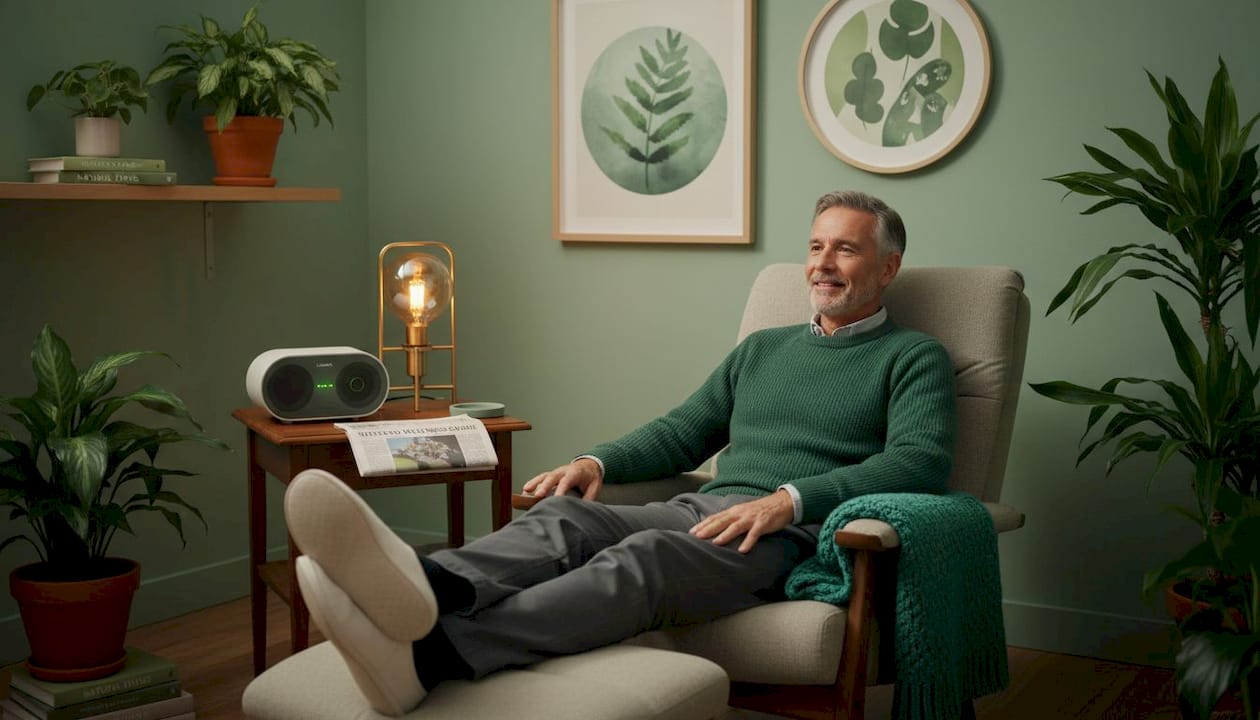
Aging-in-place design is another consideration that’s gaining real traction. This refers to making your home more supportive as your body changes, including features like soft, non-glare lighting, ergonomic seating that supports your lower back and hips, non-slip rugs in high-use areas, and easy access to everything you need for your wellness routine. These aren’t just practical accommodations. They’re signals to your body that this space was made for you.
| Sanctuary feature | Health benefit | Impact on midlife adults |
|---|---|---|
| Soft, warm lighting | Lowers cortisol | Supports sleep quality |
| Ergonomic seating | Reduces joint strain | Aids chronic pain management |
| Plant life and nature cues | Reduces anxiety | Supports mood regulation |
| Dedicated quiet time | Activates parasympathetic system | Lowers blood pressure |
| Personal rituals | Builds emotional consistency | Reduces burnout and fatigue |
Research on evidence for leisure activities confirms that intentional downtime in comfortable, familiar environments supports nervous system health and emotional resilience in adults over 40. This is not passive rest. It’s active recovery.
Sanctuary features that work especially well for midlife adults include:
- A supportive recliner or reading chair with proper lumbar support
- Soft blankets and layered textures that invite you to settle in
- A small table for tea, books, or a journal
- Low-stimulation light sources like salt lamps or warm LED strips
- Gentle background sound, whether a white noise machine or soft music
Pro Tip: Build a small ritual around entering your sanctuary. Something as simple as brewing a cup of herbal tea before you sit down trains your brain to associate that sequence with relaxation, making it easier to unwind each time. Exploring self-care tips for midlife can help you build these habits in a way that actually sticks.
Designing your personal sanctuary space: from nooks to multisensory recharge rooms
Knowing the benefits, you’re ready to design your sanctuary, no matter your home size or budget.
One of the biggest misconceptions about home sanctuaries is that they require a dedicated room. They don’t. In fact, small spaces work better than large unused rooms for creating consistent relaxation habits. A corner of your bedroom, a spot on a covered porch, or a quiet section of a home office can all become a sanctuary if they’re set up and used with intention. A 10-square-foot nook you visit daily will do far more for your well-being than a beautifully decorated room you rarely enter.
The science behind this is clear. Research published in Frontiers in Psychology found that multisensory environments, combining nature projections, plants, scents, and calming sounds, reduced self-reported stress by 59.1% among 563 healthcare workers. That’s a significant shift, and it points to the power of engaging multiple senses at once rather than focusing only on visual aesthetics.
Here’s a step-by-step approach to building your space:
- Pick your spot. Choose a location in your home that already feels slightly removed from activity. Natural light is a bonus but not a requirement. What matters most is that the space is associated with quiet.
- Clear the clutter. Clutter actively increases cortisol, the body’s primary stress hormone. Remove anything that doesn’t serve a relaxation purpose. Even a half-cleared shelf signals to your brain that this area is different.
- Add a living element. A single houseplant or a small vase of fresh flowers does more for relaxation than most decorative objects. Plants connect you to nature, which research consistently links to reduced anxiety.
- Layer in sensory cues. A small diffuser with lavender or eucalyptus oil, a soft throw blanket, or a set of warm string lights adds sensory depth without requiring a renovation.
- Anchor the space with one comfort item. This might be your favorite chair, a floor cushion, a footrest, or a heating pad. Whatever makes your body say “I can let go now,” that’s your anchor.
- Keep it consistent. Don’t let the space drift back into general use. The more single-purpose it stays, the more powerfully it works.
You don’t need to spend a lot of money to get real results. Many of the most effective at-home comfort tips are free or very low-cost. Fresh air, natural light, a tidy arrangement of meaningful objects, and a reliable routine are what actually move the needle. For more ideas on layout and atmosphere, affordable design ideas for calm spaces offer creative starting points at any budget.
Pro Tip: If you’re not sure where to start, try using your sanctuary consistently for just 10 minutes a day before making any purchases. What the space lacks will become obvious once you start using it regularly. This also helps you create a relaxation zone that’s actually personalized to how you relax, rather than how relaxation looks in a magazine.
Personalization and rituals: making your sanctuary work for you
With a foundation for design, focusing on personalization and daily use ensures your sanctuary thrives rather than fades.
Here’s something most sanctuary guides get wrong. They focus almost entirely on the setup and almost nothing on the use. A beautifully arranged corner that you visit once and then forget about doesn’t improve your well-being. What does improve it is showing up consistently, even on days when the space isn’t perfect and even when you only have 10 minutes.
Rituals anchor your sense of safety and consistency. When your brain learns that a specific sequence of actions, like making tea, sitting in your chair, and opening your book, leads to a calm state, it begins to trigger that state more quickly each time. This is neuroscience working in your favor.
There’s also a real tension in sanctuary design between minimalism and what some designers call joy-sparking personalization. Minimalism versus curated personal comfort is not a debate with one right answer. Some people find that a bare, clean space allows their mind to settle. Others find that familiar, meaningful objects, a photo, a worn-in blanket, a small collection of crystals or books, create the sense of safety they need. The key insight is that personalization matters more than aesthetic rules. What actually makes you feel held and at ease is what belongs in your sanctuary.
“Your sanctuary doesn’t need to be minimalist or maximalist. It needs to be yours. The emotional resonance of familiar, intentional objects is what tells your nervous system it’s safe to rest.” — Home Wellness Design Perspective
Here are sample rituals that work well for adults in midlife:
- Morning reset: 15 minutes of quiet reading or journaling before the day begins
- Midday pause: A short stretching or breathing practice between work blocks
- Evening wind-down: Herbal tea, soft lighting, and light stretching before bed
- Weekend restoration: A longer session with music, a book, or gentle movement
You can find additional support for personalizing your relaxation routine in ways that fit your lifestyle and physical needs. And if you’re working through what emotional wellness actually looks like day to day, an emotional wellness checklist can help you identify what your body and mind need most right now.
The most effective sanctuaries are not the most expensive. They’re the most used.
The surprising truth: consistency beats perfection in home sanctuaries
Here’s something worth sitting with. Most home sanctuary projects stall not because people lack the space or the budget but because they’re waiting for the space to be “ready.” They want the right chair, the right lighting, the right set of plants before they start using it. And while they wait, the space never actually becomes a sanctuary.
This is where the real work happens, and where most guides stop short. The brain doesn’t respond to décor. It responds to repetition. Small nooks used consistently outperform beautifully styled rooms visited occasionally, every single time. That’s not an opinion. It’s backed by how the nervous system actually builds association and response.
The wellness industry, social media in particular, has created a visual ideal of what a sanctuary should look like. Linen everything. Matching baskets. Artful arrangements of dried botanicals. That imagery is appealing, but it’s also quietly discouraging because most people’s actual homes don’t look like that. And when the ideal feels out of reach, it’s easy to do nothing.
We’d encourage you to resist that pull. A folding chair in a quiet corner with a candle and a book is more healing than a perfectly curated room you never use. Understanding the advantages of home wellness comes down to one core truth: showing up for yourself regularly, in whatever space you have, is what actually builds resilience over time.
Pro Tip: Set a simple goal to use your sanctuary for 10 minutes every day for two weeks before you add anything new to the space. Let the habit come first. The refinements will follow naturally.
Ready to upgrade your relaxation? Explore recovery solutions
You now have everything you need to start building a home sanctuary that genuinely supports your well-being. The next step is making sure your physical comfort keeps pace with your intentions.

At Lunix, we design smart recovery and comfort solutions that fit naturally into the kind of daily wellness practice you’ve just read about. Whether you’re looking for ergonomic support for your reading chair, tools that ease muscle tension after a long day, or products that help your body fully restore overnight, our recovery essentials are built to complement the sanctuary you’re creating. Elevating your space is about more than aesthetics. It’s about giving your body the support it needs to truly recover.
Frequently asked questions
What makes a space a home sanctuary?
A home sanctuary is any dedicated space designed and used intentionally for relaxation, self-care, and wellness. Even a quiet nook or a small corner can suffice as long as the purpose is consistent.
How can adults 40–65 benefit most from a home sanctuary?
Home sanctuaries help manage midlife stress, support aging-in-place, and improve self-care routines by providing a consistent space for rest and nervous system recovery. For adults 40 to 65, comfort-focused design with soft lighting and ergonomic features makes the biggest difference.
Does my sanctuary need to be a separate room?
No. Small, consistently used spaces or nooks are often more effective than large, seldom-used rooms because the brain builds relaxation associations through repeated use, not room size.
What simple items can boost the effect of a home sanctuary?
Plants, calming scents, soft lighting, and meaningful personal objects all help create a relaxing, multisensory environment. Research shows that multisensory spaces reduced stress by 59.1% in one study of healthcare workers.
How do I keep up my sanctuary habit over time?
Build simple, enjoyable rituals like daily reading, stretching, or meditating in your space. Prioritizing rituals over one-time setup is what sustains long-term relaxation and makes your sanctuary genuinely useful month after month.