


Stress from demanding careers and busy family schedules can make self-care feel out of reach, even for the most health-conscious women. Finding real ways to unwind at home matters because your well-being deserves more than an occasional treat. Discover how a personal wellness sanctuary designed specifically for your needs can support consistent relaxation, healing, and mental clarity—offering privacy, customization, and daily benefits that commercial spas simply cannot match.
Table of Contents
- What A Home Spa Is And Isn’t
- Types Of Home Spa Experiences Explained
- Key Benefits For Mind And Body Wellness
- Personalization, Tech, And Modern Home Spas
- Risks, Costs, And Common Mistakes To Avoid
- Alternatives To Home Spas And How They Compare
Key Takeaways
| Point | Details |
|---|---|
| Definition of a Home Spa | A home spa is a personalized wellness space designed for relaxation and self-care, not just an expensive bathroom upgrade. |
| Key Elements | Prioritize functionality and regular use over luxury features; focus on a setup that directly supports your wellness routine. |
| Mind-Body Connection | Regular use of spa features leads to measurable improvements in stress, mood, and physical recovery. |
| Investment Considerations | Be realistic about costs, usage patterns, and the need for maintenance to ensure a sustainable home spa experience. |
What a Home Spa Is and Isn’t
A home spa is fundamentally different from what many people imagine when they first consider building one. Think of it as a personal wellness sanctuary designed specifically for your needs, rather than a miniature replica of the luxury resort down the street. A home spa is a space designed for relaxation and self-care that includes elements like hot tubs, saunas, steam showers, massage chairs, or chromotherapy lighting. But here’s what separates it from just having nice bathroom fixtures: it’s intentionally created to support your individual wellness routine and lifestyle. You control the temperature, the lighting, the sounds, and the entire atmosphere. This customization is the defining characteristic that transforms a bathroom upgrade into an actual spa experience.
What a home spa is NOT is a luxury showpiece that sits unused or a one-time investment meant to mimic a five-star resort stay. It’s not about having every possible treatment available under one roof. Many women in your position fall into the trap of thinking they need a sauna, a steam room, a soaking tub, and a massage table all at once. That approach leads to overwhelming projects and wasted money on features you’ll rarely use. A genuine home spa is a practical, functional space that you’ll actually spend time in regularly. It’s not about replicating professional spa treatments verbatim. Instead, home spas emulate key spa elements such as relaxation, healing, and therapeutic water treatments while remaining accessible and integrated into your daily life. The focus is on consistency over complexity. A simple but intentional setup you use five times a week beats an elaborate setup gathering dust.
The distinction also matters financially and practically. A professional spa requires appointments, travel time, coordination with schedules, and significant expense each visit. A home spa represents an investment in infrastructure that pays dividends through regular use, privacy, and zero commute time. This is crucial for women managing careers, families, and complex schedules. You can take a 15-minute infrared sauna session before breakfast or soak for 20 minutes after work without rearranging your entire day. The privacy element cannot be overstated either. You’re not self-conscious about your appearance, you control exactly what products touch your skin, and you can include whatever wellness practices matter to you, whether that’s journaling, meditation, aromatherapy, or something unconventional. Your home spa is built around your preferences, not industry standards or what’s trendy at commercial establishments.
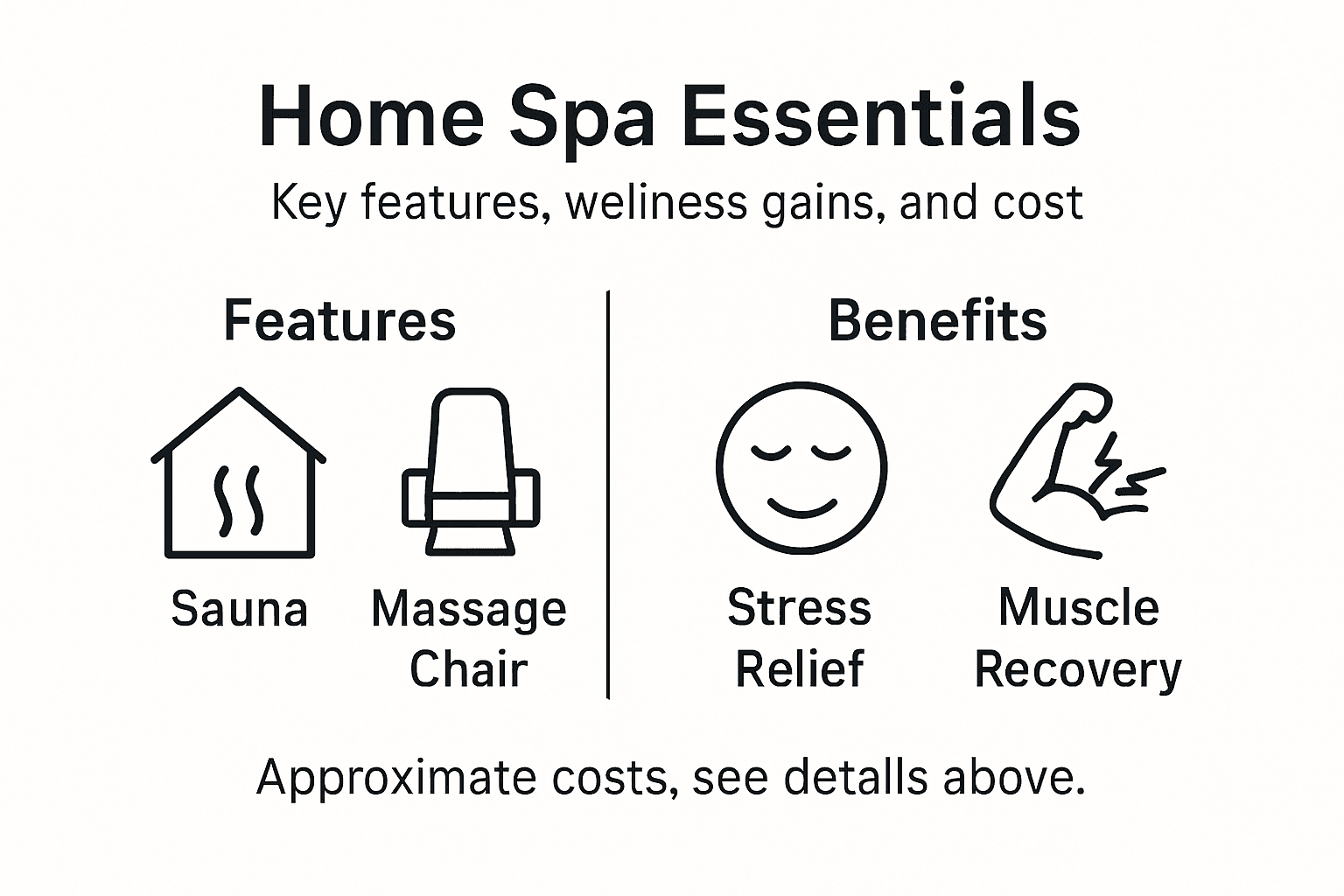
Here’s a comparison of popular home spa features and their main benefits:
| Feature | Primary Wellness Benefit | Upfront Cost Range |
|---|---|---|
| Infrared Sauna | Stress relief, muscle recovery | $4,000 – $15,000 |
| Hot Tub | Relaxation, social wellness | $3,000 – $8,000 |
| Massage Chair | Muscle tension, pain relief | $1,000 – $8,000 |
| Steam Shower | Respiratory health, sweat therapy | $3,000 – $8,000 |
| Chromotherapy Lights | Mood enhancement, relaxation | $200 – $1,500 |
Pro tip: Start by identifying the single wellness activity that would genuinely improve your daily life, then build your home spa around that one element rather than attempting a full luxury setup immediately.
Types of Home Spa Experiences Explained
When you start thinking about a home spa, you might feel overwhelmed by options. The good news is that different spa types serve varied wellness goals, and understanding what each offers helps you build exactly what you need. Traditional day spas focus on therapeutic treatments like massages and facials without the overnight component. Resort spas bundle accommodations with wellness services, creating immersive experiences. Destination spas provide intensive lifestyle transformation programs that might include nutrition coaching, fitness routines, and detoxification protocols. Medical spas emphasize aesthetic treatments and specialized procedures. Your home spa doesn’t need to choose just one approach. Instead, you can borrow from multiple models to create something uniquely suited to your life. Maybe you want the focused, appointment-style structure of a day spa but with the convenience of never leaving your house. Or perhaps you prefer the lifestyle transformation elements of a destination spa compressed into 20-minute morning routines before work.
The beauty of building a home spa is that you get to decide what type of experience serves you best at different times. Some women find that customizable, accessible versions of treatments like hydrotherapy, sauna, and massage adapted for private use and personal scheduling create the perfect balance. You might create a morning experience focused on energizing your body through contrast water therapy or infrared heat. Then in the evening, you could shift toward a completely different atmosphere with gentle stretching, aromatherapy, and dim lighting designed purely for relaxation. This flexibility is something no commercial spa can offer. You’re not locked into 60-minute massage slots or specific treatment packages. You control the duration, intensity, and focus of every single session.
Consider what your current life actually needs. If you work from home, a quick 15-minute recovery session during your lunch break might be perfect. If you’re managing a high-stress career and family responsibilities, a comprehensive 90-minute ritual on Sunday evening might be what grounds you for the week ahead. Some women benefit from a minimalist approach: a single soaking tub with quality lighting and silence. Others want a full sensory experience with temperature contrast, sound therapy, chromotherapy, and guided breathing. The point is that your home spa experience should match your real life, not some aspirational version of relaxation you saw on social media. Start by asking yourself what specific wellness outcome you want most. Are you seeking stress relief, muscle recovery, improved sleep, better circulation, or something else entirely? The type of home spa experience you build should directly address that goal. A professional-grade massage chair serves a completely different purpose than a sauna, even though both might appear in luxury home spa designs.
Pro tip: Identify one primary wellness outcome you want to achieve, then design your home spa experience around that single goal before adding additional elements, ensuring you build something you’ll actually use consistently.
Key Benefits for Mind and Body Wellness
Your body responds to consistent spa experiences in measurable, tangible ways that go far beyond feeling pampered. Spa treatments lower stress hormones, improve sleep quality, and relieve chronic pain without requiring medication or complicated interventions. Think about what happens physiologically when you sink into warm water or experience gentle heat therapy. Your nervous system shifts from fight-or-flight mode into parasympathetic activation. Your cortisol levels drop. Blood vessels dilate, improving circulation and oxygen delivery to your tissues. This isn’t mystical or marketing hype. These are biochemical processes that scientists have documented repeatedly. For women managing the multiple demands of career, family, and personal responsibilities, this nervous system reset becomes absolutely critical. You cannot think clearly, make good decisions, or maintain emotional stability when your body is chronically stressed. A home spa gives you a private tool to interrupt that stress cycle whenever you need it, not just when you can schedule an appointment three weeks out.
The mental health benefits are equally profound. When you engage in spa treatments regularly, your brain produces more serotonin and dopamine, the neurotransmitters directly responsible for mood regulation and feelings of well-being. These aren’t minor chemical shifts. They translate into tangible improvements in how you experience your daily life. You sleep better. You feel less irritable. Your anxiety doesn’t spiral as easily. You find yourself more patient with the people around you. Many women describe this as finally feeling like themselves again after months or years of operating in a constant state of mild panic. The consistency matters enormously. A single spa visit once or twice a year provides temporary relief. A home spa practice where you spend 20 minutes in infrared heat twice a week creates cumulative neurological changes that reshape your baseline stress tolerance. Your brain literally rewires toward greater resilience.
Physical recovery accelerates dramatically with regular spa practices. Massage decreases muscle tension and accelerates repair from workouts or daily wear. Hydrotherapy improves joint mobility and reduces inflammation without the side effects of medication. Heat therapy increases blood flow to injured or fatigued muscles, speeding healing. Contrast therapy (alternating hot and cold) trains your cardiovascular system and boosts immune function. Aromatherapy engages your olfactory system, triggering specific emotional and physical responses depending on which oils you use. The synergy of these elements working together creates benefits that none of them produce alone. Your body isn’t just relaxing. It’s actively healing, recovering, and strengthening itself. For women in their 40s and 50s, this becomes increasingly important as recovery naturally slows with age. A home spa that incorporates these modalities becomes preventive medicine, not luxury.
Pro tip: Track one specific wellness metric for two weeks before starting a home spa routine (sleep quality, energy levels, or muscle soreness), then continue tracking for four weeks after establishing your practice to see measurable changes that reinforce your commitment.
Personalization, Tech, and Modern Home Spas
The home spa landscape has transformed dramatically over the past few years. What used to mean candles and a bathtub now encompasses sophisticated wellness technology that adapts to your body, preferences, and real-time needs. Advanced technologies like AI skin analysis and personalized treatments driven by data insights are no longer confined to luxury resorts. You can now access smart home spa equipment that learns your preferences, adjusts temperature and intensity automatically, and tracks your wellness outcomes over time. Imagine an infrared sauna that remembers your preferred heat level and duration, then reminds you when your next recovery session is optimal based on your activity level. Or a massage chair that analyzes muscle tension patterns and customizes its technique accordingly. This isn’t futuristic fiction anymore. These technologies exist right now and they’re becoming increasingly accessible. The shift matters because it moves home spas from purely subjective comfort experiences into objective wellness tools that deliver measurable results tailored specifically to your body.
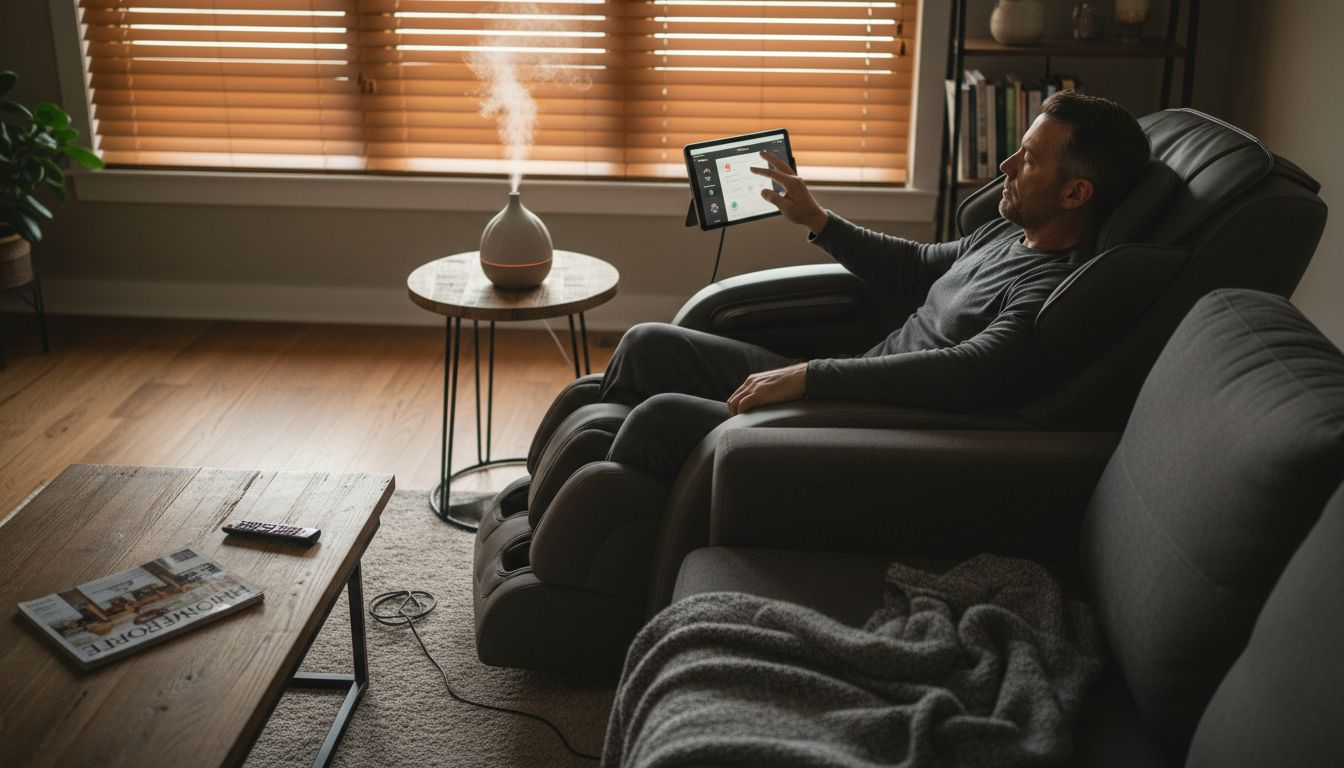
Personalization through technology creates something impossible in traditional spas: continuity and precision. Personalization is central to modern spa experiences with wellness technologies enabling treatments tailored to individual needs, stress levels, and emotional states. A commercial spa therapist can remember your preferences if you’re a regular client, but the quality of that memory is inconsistent. A home spa system never forgets. It knows that you prefer slightly cooler water on Mondays after workouts but warmer temperatures on stressful work days. It tracks how your body responds to different treatment combinations and adjusts accordingly. It can even integrate with your fitness tracker or smartwatch to understand your current recovery needs. For women managing complex health situations, this precision becomes invaluable. Maybe you have lingering shoulder tension from your desk job. Your smart massage system learns this pattern and automatically focuses on that region during sessions. Or perhaps your sleep quality drops on weeks with high stress. Your home spa technology recognizes this and recommends longer evening recovery sessions. This level of customization creates dramatically better outcomes than one-size-fits-all approaches.
The integration of technology doesn’t mean your home spa becomes cold or clinical. Quite the opposite. The best modern home spas blend cutting-edge technology with traditional wellness practices in ways that feel intuitive and natural. Smart controls might operate silently in the background while you experience the actual spa treatment as deeply as possible. You’re not thinking about algorithms or data collection. You’re simply noticing that everything feels calibrated exactly right for your needs today. The technology serves the experience, not the other way around. This matters because many women worry that adding tech to wellness spaces somehow diminishes the experience. The reality is that thoughtful technology enhancement creates more personalized, effective, and satisfying experiences than traditional approaches ever could. Your home spa becomes a true wellness partner rather than just a nice place to relax. It evolves with you as your needs change through different life seasons, different stress levels, and different fitness goals. At 40, you might prioritize muscle recovery and stress relief. At 50, your needs might shift toward joint health and sleep improvement. A modern home spa adapts to these changing priorities without requiring any manual adjustment on your part.
Pro tip: Before investing in smart spa technology, identify which specific metrics matter most to you (sleep quality, muscle recovery, stress reduction), then research equipment that tracks and optimizes those particular outcomes to ensure you’re buying technology that serves your actual needs, not just trendy features.
Risks, Costs, and Common Mistakes to Avoid
Building a home spa requires realistic expectations about both finances and logistics. Many people underestimate costs dramatically. A basic soaking tub with quality surround and plumbing runs between $3,000 and $8,000 installed. Add an infrared sauna and you’re looking at $4,000 to $15,000 depending on size and features. A quality massage chair ranges from $1,000 to $8,000. Steam shower installations can exceed $10,000. These aren’t optional upgrades either. Cheap equipment breaks down, delivers poor experiences, and wastes money faster than investing in quality from the start. Beyond initial purchase costs, planning a home spa requires understanding maintenance costs and operational expenses that many people overlook completely. A hot tub requires weekly chemical balancing, filter replacement every few months, and professional servicing annually. Saunas need minimal maintenance but still require occasional professional inspection. Drainage systems require proper installation or you face water damage that costs thousands to repair. The realistic timeline to recoup your investment through prevented spa visits is typically 18 to 36 months, assuming you actually use the spa consistently. If you build it and then neglect it, you’ve simply purchased an expensive decoration.
Location mistakes create cascading problems that are expensive to fix. Hot tub installation errors like selecting inappropriate locations lacking stable foundations and proper drainage can lead to costly repairs and safety hazards. A hot tub placed on an uneven surface will stress its structure unevenly, causing leaks and equipment failure within months. Poor drainage means water accumulates around the installation, compromising your home’s foundation and creating mold conditions. You need a level surface, proper grading to direct water away from your home, and adequate electrical access with proper wiring. These aren’t details you can improvise. Similarly, if your sauna is located too far from your bedroom, you won’t use it regularly enough to justify the investment. If your massage chair is crammed into a corner with no space to actually relax afterward, you’ll use it occasionally at best. The location decision needs to balance accessibility, privacy, proper infrastructure, and realistic daily usage patterns. Many women choose bathroom locations thinking it’s convenient, only to realize that they want to stretch out and relax afterward, not shuffle back to their bedroom. Consider creating a dedicated wellness space if possible, even if it’s just a spare corner of your master bedroom or a section of your basement.
The most common fatal mistake is failing to align your home spa with actual lifestyle sustainability. You can build the most luxurious setup imaginable, but if it doesn’t integrate into your real life, you won’t use it. Common risks include underestimating costs and failing to integrate the spa into sustainable wellness habits. This means honestly assessing whether you’ll realistically use it twice a week or if you’re a once-monthly person. Design accordingly. A woman who uses her spa once weekly needs something simple and accessible. A woman committed to daily 20-minute sessions can justify more elaborate setups. Consider your actual schedule, your energy levels after work, and whether you genuinely prefer spa treatments or if you’re imagining you should. Some women discover they actually prefer exercise, journaling, or time outdoors over spa experiences. That’s valuable information before spending $15,000. Also consider who will maintain the equipment. If you’re not mechanically inclined and your partner isn’t either, a high-maintenance hot tub becomes a source of stress rather than relaxation. Additionally, avoid the trap of thinking a home spa replaces professional medical care for serious conditions. While spa experiences support wellness, they don’t treat injuries, chronic pain conditions, or medical issues without professional guidance. Be realistic about what your home spa can accomplish and honest about when professional treatment remains necessary.
Pro tip: Before purchasing any equipment, commit to a 30-day trial where you visit commercial spas or use equipment at gyms to confirm you’ll actually use it regularly, then calculate whether your anticipated usage frequency justifies the investment cost and ongoing maintenance requirements.
Alternatives to Home Spas and How They Compare
A home spa isn’t the only way to achieve wellness benefits, and understanding alternatives helps you make the right choice for your situation. Commercial spa memberships offer professional expertise, varied treatment options, and zero maintenance responsibility. You pay monthly or per visit and someone else handles everything. The downside is significant: travel time, scheduling constraints, appointment availability limitations, and the reality that commercial spas often feel rushed. A 60-minute massage appointment actually includes setup and checkout, leaving you roughly 50 minutes of actual treatment. You’re also self-conscious about your body around strangers, which actually reduces the relaxation response. Over a year, monthly spa visits cost $500 to $2,400 depending on your location and service frequency. Wellness apps and at-home fitness provide guided relaxation, meditation, and gentle movement without equipment investment. These work well for stress relief and basic recovery but lack the physical benefits of actual heat therapy, hydrotherapy, or professional massage. They’re complementary tools rather than replacements. Gym and resort spa access through memberships gives you periodic professional services without home investment. The limitation is access frequency and consistency. You can’t take a recovery session before work on a Tuesday morning if your nearest facility is 20 minutes away.
Steam showers and specialized alternatives offer interesting middle-ground options. Steam showers offer similar sweat therapy benefits at lower temperatures and higher humidity, making them water-efficient and advantageous for respiratory health, while requiring less space and energy than traditional saunas. A quality steam shower installation costs $3,000 to $8,000, comparable to a basic home sauna but with better respiratory benefits for some people. The tradeoff is that you get the sweat therapy and humidity benefits but miss the dry heat benefits and the full immersive experience. Contrast therapy at home using your existing shower plus cold water exposure provides some hydrotherapy benefits without dedicated equipment. Start with three minutes of hot water, finish with 30 seconds of cold, and repeat three times. This costs nothing but delivers measurable circulation and immune benefits. The limitation is that true contrast therapy requires proper cold exposure, which many people find uncomfortable doing at home. Swim spas represent another alternative for women who want exercise integrated with relaxation. Swim spas combine warm water therapy with fitness capabilities, offering compact exercise and relaxation solutions year-round. They’re genuinely versatile, but with significantly higher costs, starting at $15,000 and running to $50,000 installed. Maintenance requirements rival traditional hot tubs. They make sense if you actually use aquatic exercise regularly.
When comparing these options, consider what specific wellness outcomes matter most. If you primarily want stress relief and mental clarity, a meditation app combined with occasional commercial spa visits might satisfy your needs at lower cost. If you need daily physical recovery for muscle soreness or joint stiffness, a home setup becomes economically sensible because you’ll use it consistently enough to justify investment. If you want flexibility to use wellness tools whenever inspiration strikes, without scheduling around appointments or drive time, a home spa wins decisively. The privacy factor deserves emphasis. Many women don’t realize how much their relaxation is compromised by being around others. The ability to be fully present without self-consciousness, to take as long as needed without feeling rushed, to integrate your spa practice seamlessly into your morning or evening routine, creates a completely different experience than even luxury commercial spas. The financial calculation should include your actual current spending. If you visit a commercial spa twice monthly at $150 per visit, that’s $3,600 yearly. A $12,000 home spa investment pays itself back in less than four years while also providing unlimited access and zero commute time. However, this math only works if you actually use it. Be brutally honest about your real patterns.
Here is how home spas compare to common wellness alternatives:
| Option | Flexibility & Access | Ongoing Cost | Main Limitation |
|---|---|---|---|
| Home Spa | Any time, unlimited | Maintenance, utilities | High upfront cost |
| Commercial Spa Membership | Appointment required | $500 – $2,400/year | Travel time, privacy issues |
| Wellness Apps | On demand, anywhere | $50 – $200/year | Limited physical benefits |
| Gym/Resort Spa Access | Facility hours only | Membership fees | Infrequent use, commute |
| Contrast Therapy Home | Immediate, equipment-free | Minimal | Less comfort, more effort |
Pro tip: Map your actual spa or wellness spending over the past year, calculate the total cost and frequency, then compare that to home spa investment and maintenance costs to determine your true break-even point before deciding between home investment and continued commercial alternatives.
Elevate Your Wellness Routine with a Personalized Home Spa Experience
The article highlights the challenge of creating a home spa that fits your real lifestyle instead of becoming an unused luxury feature. Many women struggle to build a practical, consistent wellness space that delivers true mind and body benefits while fitting seamlessly into busy schedules. Key pain points include finding the right balance between personalization, convenience, and measurable results. Concepts like “consistent spa practice,” “personalization through technology,” and “privacy for deeper relaxation” emphasize the need for accessible, effective solutions tailored to your unique wellness goals.
At Lunix, we understand these challenges and offer smart recovery and comfort products designed to integrate effortlessly into your daily life. Our thoughtfully engineered solutions bring infrared heat therapy, massage technology, and personalized recovery directly to your home, empowering you to relax and restore on your own schedule. Experience the difference of a truly functional home spa that supports your well-being every day.
Discover how you can transform your space with Lunix smart wellness tools today.

Unlock the full potential of your home spa with Lunix. Explore our range of innovative recovery and comfort products that deliver real wellness benefits tailored to your lifestyle. Take the first step toward daily relaxation and long-term health now by visiting our website and start building a home spa experience designed just for you.
Frequently Asked Questions
What are the essential features of a home spa?
A home spa typically includes features like hot tubs, saunas, steam showers, and massage chairs, designed to cater to your personal wellness routine and preferences.
How can a home spa improve my overall wellness?
Regular use of a home spa can lower stress levels, improve sleep quality, and accelerate muscle recovery, leading to better physical and mental health through consistent self-care practices.
Are home spas expensive to maintain?
While the initial investment in equipment can be significant, ongoing maintenance costs vary depending on the features you choose. Basic upkeep includes regular cleaning and potential service calls, but they are generally manageable compared to frequent visits to professional spas.
Can I customize my home spa experience?
Absolutely! One of the key benefits of a home spa is the ability to customize the environment—temperature, lighting, and treatments—tailoring it to your specific wellness goals and preferences.