


Balancing work, family, and personal health becomes increasingly complex as you navigate your 40s, 50s, and 60s. Many adults in this stage struggle to prioritize self-care amid competing demands, yet research shows that structured wellness practices can reduce anxiety by up to 40% and lower chronic disease risk by 30%. This guide presents a practical framework to evaluate and integrate mental, physical, and social self-care into your daily routine, helping you make informed choices that fit your lifestyle and deliver measurable benefits for long-term well-being.
Table of Contents
- How To Evaluate Self-Care Practices: Your Mental, Physical, And Social Well-Being Criteria
- Mental Health Benefits Of Mindfulness And Cognitive Practices
- Physical Self-Care: Exercise, Martial Arts, And Combating Chronic Diseases
- Social Self-Care: Building Connections To Boost Resilience And Life Satisfaction
- Comparing Self-Care Practices: Choosing What Fits Your Lifestyle And Needs
- Support Your Self-Care Journey With Lunix Recovery And Wellness
- Frequently Asked Questions About Self-Care For Adults 40-65
Key takeaways
| Point | Details |
|---|---|
| Mental health focus | Mindfulness and cognitive practices reduce anxiety and depression through structured daily routines. |
| Physical activity benefits | Regular exercise, including martial arts, enhances brain function and prevents chronic diseases. |
| Social connections matter | Strong relationships lower stress hormones and significantly boost emotional resilience. |
| Personalized approach | Matching self-care practices to your specific needs and schedule improves adherence and outcomes. |
How to evaluate self-care practices: your mental, physical, and social well-being criteria
Self-care extends far beyond bubble baths and spa days. True self-care involves mental health maintenance, not just energy replenishment. For adults 40-65, effective self-care addresses three interconnected dimensions: mental clarity, physical vitality, and social connection. Understanding these criteria helps you select practices that deliver genuine value rather than temporary relief.
Midlife brings specific wellness challenges. You may face increased anxiety about aging, career transitions, or caregiving responsibilities. Role reevaluation becomes common as children leave home or parents require more support. These pressures make structured self-care essential, not optional. A clear evaluation framework prevents you from wasting time on activities that sound good but don’t address your actual needs.
Consider these practical questions when assessing any self-care activity:
- Mental criterion: Does this practice help me manage stress, improve focus, or regulate emotions?
- Physical criterion: Will this activity strengthen my body, boost energy levels, or reduce disease risk?
- Social criterion: Does this connect me with others, build community, or enhance my relationships?
Pro Tip: Schedule a 15-minute weekly review every Sunday evening to assess which self-care practices delivered the most value. Track your mood, energy, and social satisfaction on a simple 1-10 scale to identify patterns and adjust your routine accordingly.
The most effective approach combines activities across all three dimensions. Finding balance with self-care requires honest assessment of where you currently invest time and where gaps exist. Many adults over-focus on physical health while neglecting mental or social needs, creating an imbalanced wellness foundation that eventually shows cracks.
Mental health benefits of mindfulness and cognitive practices
Mindfulness meditation and cognitive behavioral therapy (CBT) represent two of the most research-backed mental self-care methods available. Mindfulness involves paying attention to present-moment experiences without judgment, while CBT helps you identify and change unhelpful thought patterns. Both practices deliver measurable improvements in anxiety, depression, and overall mental resilience.
Research demonstrates that mindfulness reduces anxiety by up to 40% within eight weeks of consistent practice. Even 10 minutes daily creates noticeable changes in stress response and emotional regulation. CBT shows equally impressive results, with remission rates up to 60% for depression treatment. These aren’t vague wellness claims but documented outcomes from clinical studies.
Starting a mindfulness practice requires minimal equipment or expertise. Try these simple daily exercises:
- Morning breath awareness: Spend five minutes focusing solely on your breathing pattern before checking your phone
- Body scan meditation: Systematically notice sensations in each body part from toes to head
- Mindful walking: Pay attention to each footstep, the ground beneath you, and surrounding sounds during a 10-minute walk
Accessing CBT resources has become easier with online platforms, apps, and therapist directories. Many insurance plans now cover teletherapy sessions, making professional support more accessible than ever. You can also explore self-guided CBT workbooks that teach core techniques for managing anxious thoughts and depressive patterns.
Pro Tip: Combine mindfulness and meditation techniques with visualization exercises where you imagine successfully handling stressful situations. This pairing enhances stress relief by preparing your mind for real-world challenges while building present-moment awareness.
The key to mental self-care success lies in consistency rather than duration. Twenty minutes of daily practice outperforms occasional hour-long sessions. Build your routine gradually, starting with just five minutes and increasing as the habit solidifies. Relaxation techniques for stress relief work best when integrated into existing daily rituals like morning coffee or evening wind-down.
Physical self-care: exercise, martial arts, and combating chronic diseases
Physical activity delivers profound benefits beyond weight management and cardiovascular health. Exercise directly impacts brain function through increased production of brain-derived neurotrophic factor (BDNF), a protein essential for neuroplasticity and cognitive performance. For adults 40-65, this becomes particularly important as natural BDNF levels decline with age.
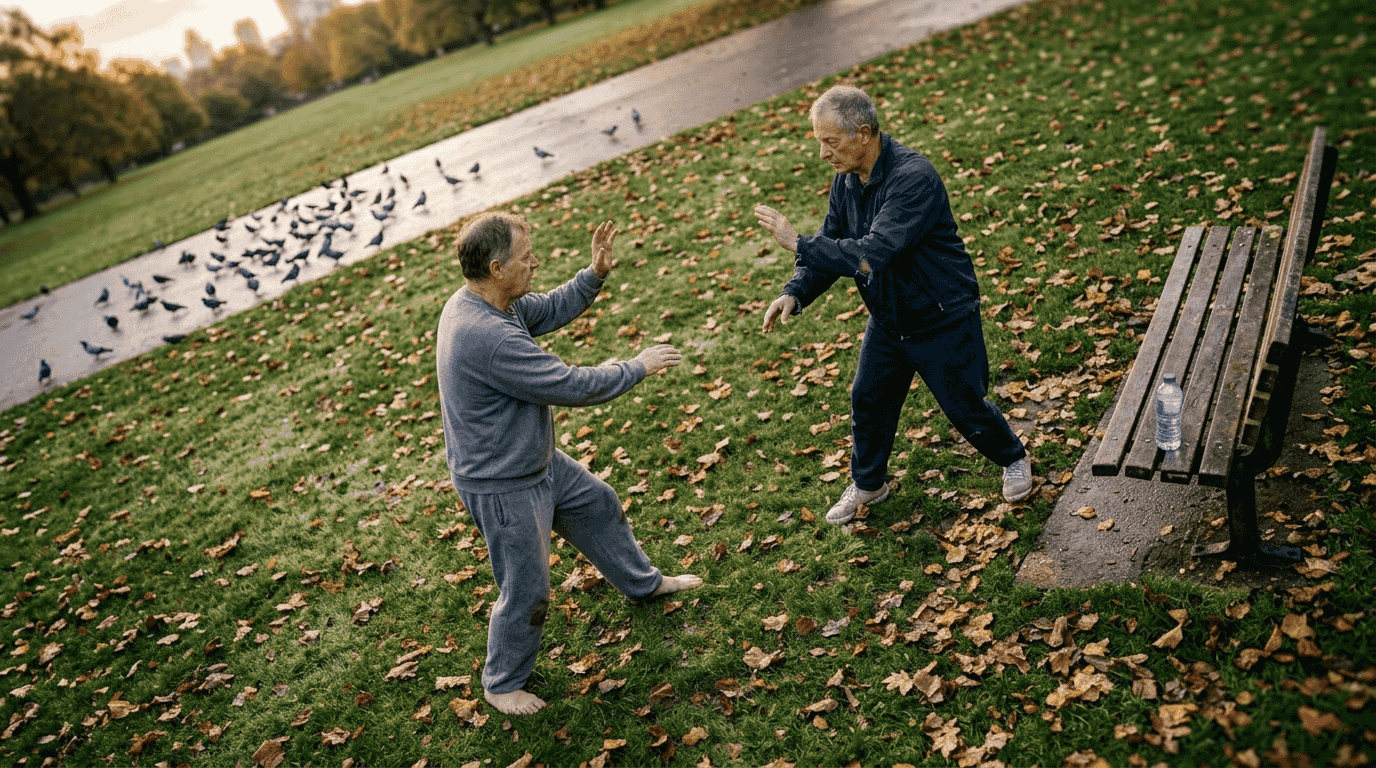
Martial arts training offers unique advantages compared to other exercise forms. Studies show martial arts enhance BDNF levels, improve neuroplasticity, and strengthen emotional regulation through the mind-body connection inherent in these practices. The combination of physical movement, mental focus, and social interaction creates a comprehensive wellness experience that addresses multiple self-care dimensions simultaneously.
Regular exercise reduces cardiovascular disease risk by 30%, along with lowering rates of diabetes, certain cancers, and cognitive decline. The protective effects compound over time, making consistent moderate activity more valuable than sporadic intense workouts. Your body responds best to sustainable routines you can maintain for years, not extreme programs that burn you out within weeks.
Consider this comparison of popular physical activities:
| Activity | Mental Benefits | Physical Benefits | Social Benefits | Time Required | Accessibility |
|---|---|---|---|---|---|
| Martial Arts | High focus, stress relief, discipline | Full-body strength, flexibility, balance | Strong community, partner work | 60-90 min, 2-3x/week | Requires classes, moderate cost |
| Walking | Moderate stress relief, nature exposure | Cardiovascular health, joint-friendly | Can be social or solo | 30-60 min daily | Highly accessible, free |
| Yoga | Mindfulness, breath work, relaxation | Flexibility, core strength, balance | Class community available | 45-75 min, 2-4x/week | Wide availability, low to moderate cost |
| Gym Workouts | Goal achievement, routine structure | Targeted strength, cardio options | Variable social element | 45-60 min, 3-5x/week | Requires membership, equipment |
Pro Tip: If you’re new to martial arts, start with beginner Tai Chi classes designed specifically for adults over 40. This gentle form builds balance, coordination, and mindfulness without the high-impact stress of more aggressive martial arts styles, making it ideal for those with joint concerns or limited prior experience.
Combining nature exposure with physical activity amplifies mental and physical benefits. Nature walks for mental clarity provide the dual advantage of exercise and natural environment stress reduction. Research consistently shows that outdoor exercise produces greater mood improvements than identical indoor workouts, likely due to natural light exposure, varied terrain, and connection with natural settings.
Social self-care: building connections to boost resilience and life satisfaction
Social relationships profoundly impact both mental and physical health outcomes. Loneliness and social isolation increase mortality risk as significantly as smoking 15 cigarettes daily, yet many adults inadvertently neglect social self-care while focusing on individual wellness activities. Strong social networks provide emotional support, practical assistance during challenges, and a sense of belonging that buffers life’s inevitable stressors.
Research confirms that strong social networks reduce cortisol levels and buffer stress effects throughout the body. When you maintain quality relationships, your physiological stress response becomes less reactive and recovers more quickly after difficult events. This biological protection translates into lower rates of anxiety, depression, cardiovascular disease, and cognitive decline as you age.
Practical ways to strengthen social bonds include:
- Schedule regular meetups with friends or family, treating them as non-negotiable appointments
- Join group fitness classes, book clubs, or hobby groups that align with your interests
- Volunteer for causes you care about, creating purpose-driven social connections
- Attend community events or workshops to expand your social circle beyond existing relationships
Martial arts uniquely combine physical and social self-care benefits. Martial arts foster social support and community engagement through partner drills, group classes, and shared progression through belt ranks. This built-in social structure makes it easier to form friendships compared to solo exercise activities where social interaction remains optional and often superficial.
The quality of social connections matters more than quantity. Three close, supportive relationships provide more health benefits than dozens of casual acquaintances. Focus on deepening existing relationships through regular contact, vulnerable conversations, and mutual support rather than constantly seeking new connections. Self-care strategies for busy people emphasize scheduling weekly social contact as a manageable goal, even if just a 30-minute phone call with a friend.
Midlife often brings social network shrinkage as career demands peak, children require attention, and friendships drift due to geographic moves or life stage differences. Proactively rebuilding and maintaining social connections becomes essential self-care work during this period. Don’t wait for loneliness to become severe before addressing social needs.
Comparing self-care practices: choosing what fits your lifestyle and needs
Selecting the right self-care practices requires matching activities to your specific circumstances, preferences, and wellness goals. No single approach works for everyone. The most effective self-care routine balances mental, physical, and social benefits while fitting realistically into your available time and energy.
This comprehensive comparison helps you evaluate options:
| Practice Type | Mental Benefits | Physical Benefits | Social Benefits | Time Investment | Ease of Starting |
|---|---|---|---|---|---|
| Mindfulness/Meditation | High stress reduction, improved focus | Indirect via stress reduction | Solo practice, group options available | 10-20 min daily | Very easy, free resources |
| Martial Arts | Moderate to high focus, discipline | High strength, flexibility, balance | High community engagement | 2-3 hours weekly | Moderate, requires class commitment |
| Walking/Hiking | Moderate stress relief, nature benefits | Moderate cardio, joint-friendly | Flexible, can be social or solo | 30-60 min daily | Very easy, highly accessible |
| Social Activities | High emotional support, belonging | Indirect benefits | Very high connection building | 1-3 hours weekly | Easy to moderate depending on activity |
Follow this three-step process to build your personalized routine:
- Assess your current wellness gaps by rating your mental health, physical fitness, and social connection satisfaction on a 1-10 scale
- Trial 2-3 practices that address your lowest-scoring areas for at least four weeks before evaluating effectiveness
- Track your progress using simple metrics like mood, energy levels, and relationship quality, then adjust your routine based on what delivers the most value
Lifestyle fit determines long-term adherence more than any other factor. A theoretically perfect practice you can’t sustain provides zero benefit. Be honest about your schedule, energy levels, and preferences. If you hate group settings, don’t force yourself into group fitness classes. If mornings feel rushed, schedule self-care for evenings instead.
Mixing practices creates a balanced routine that addresses multiple wellness dimensions. Juggling self-care with a busy schedule becomes manageable when you combine quick daily mindfulness with weekly social activities and 2-3 physical exercise sessions. This variety also prevents boredom and maintains motivation over months and years.
Start small and build gradually. Attempting to overhaul your entire routine overnight typically leads to burnout and abandonment within weeks. Add one new practice at a time, establish it as a solid habit, then layer in additional elements. Sustainable self-care develops through patient consistency, not dramatic transformation.
Support your self-care journey with Lunix recovery and wellness
Integrating self-care into your daily life becomes easier with the right recovery tools. Lunix creates premium wellness solutions designed specifically for adults seeking elevated recovery experiences. Our products complement your mental, physical, and social self-care practices by enhancing relaxation, accelerating muscle recovery, and reducing stress after workouts or demanding days.

Whether you’re returning from a martial arts class, finishing a nature walk, or winding down after a mindfulness session, Lunix recovery products help your body restore and relax more effectively. Our thoughtfully designed solutions transform your home into a personalized wellness station where recovery becomes an intentional, enjoyable part of your routine rather than an afterthought.
Top reasons to consider Lunix in your wellness routine:
- Accelerated muscle recovery after physical activities
- Enhanced relaxation that deepens your mindfulness practice
- Improved sleep quality supporting overall health
- Convenient home-based solutions fitting busy schedules
Explore our recovery collection to discover products tailored for your specific needs. Learn more about how our solutions support long-term wellness on our benefits page, where we detail the science behind effective recovery and restoration.
Frequently asked questions about self-care for adults 40-65
How do I start a mindfulness practice with no prior experience?
Begin with just five minutes of breath-focused meditation each morning before checking your phone. Use free apps like Insight Timer or Headspace to guide your initial sessions. Consistency matters more than duration, so prioritize daily practice even if brief.
What makes martial arts particularly beneficial for adults over 40?
Martial arts uniquely combine physical exercise with mental focus and social engagement, addressing multiple wellness dimensions simultaneously. The practice enhances brain-derived neurotrophic factor, improves balance and coordination crucial for fall prevention, and builds supportive community connections through partner work and group progression.
How can I balance self-care with an already packed schedule?
Start by identifying 15-minute windows in your existing routine where you can add micro-practices like mindful breathing during your commute or a brief walk after lunch. Combine activities when possible, such as walking with a friend to address both physical and social needs. Schedule self-care as non-negotiable appointments rather than optional extras.
What are early signs that I need more self-care in midlife?
Watch for persistent fatigue despite adequate sleep, increased irritability or emotional reactivity, difficulty concentrating on routine tasks, withdrawal from social activities you previously enjoyed, or physical symptoms like tension headaches and digestive issues without clear medical cause. These signals often indicate your current self-care routine isn’t meeting your needs.
Can I combine different self-care practices for better results?
Absolutely. Mixing practices across mental, physical, and social dimensions creates the most comprehensive wellness benefits. Try pairing mindfulness with physical activities like yoga or Tai Chi, schedule social activities that include movement like group hiking, or practice meditation before martial arts classes to enhance focus and mind-body connection.