


Many people treat home wellness as optional, something to consider after everything else is handled. That’s a costly mistake. Your living space directly shapes your physical health, mental clarity, and daily energy levels in ways most overlook. Research analyzing 3.6 million dwelling refurbishments reveals measurable health improvements from simple environmental upgrades. This guide breaks down why home wellness deserves your immediate attention and how strategic changes create lasting benefits for your body and mind.
Table of Contents
- How Home Wellness Impacts Your Health And Daily Life
- Common Elements Of Home Wellness And Their Benefits
- How Home Wellness Can Prevent Or Ease Chronic Illness
- Practical Steps To Create A Wellness-Focused Home In 2026
- Explore Lunix Wellness Solutions For Your Home
- What Is Home Wellness And Why Does It Matter?
Key takeaways
| Point | Details |
|---|---|
| Environment impacts health | Your home’s air quality, temperature, and lighting directly affect chronic illness risk and daily comfort. |
| Small changes yield results | Weatherization, ventilation improvements, and noise reduction deliver measurable wellness gains without major renovations. |
| Evidence supports action | Large-scale studies confirm housing upgrades reduce respiratory issues, improve sleep, and enhance mental well-being. |
| Personalized approach works | Focus first on factors affecting your specific health goals and budget constraints for maximum impact. |
How home wellness impacts your health and daily life
Home wellness encompasses the physical and psychological conditions your living environment creates. Indoor air quality, thermal comfort, natural light exposure, and acoustic conditions form the foundation. These elements interact constantly with your body’s systems, influencing everything from immune function to stress hormones.
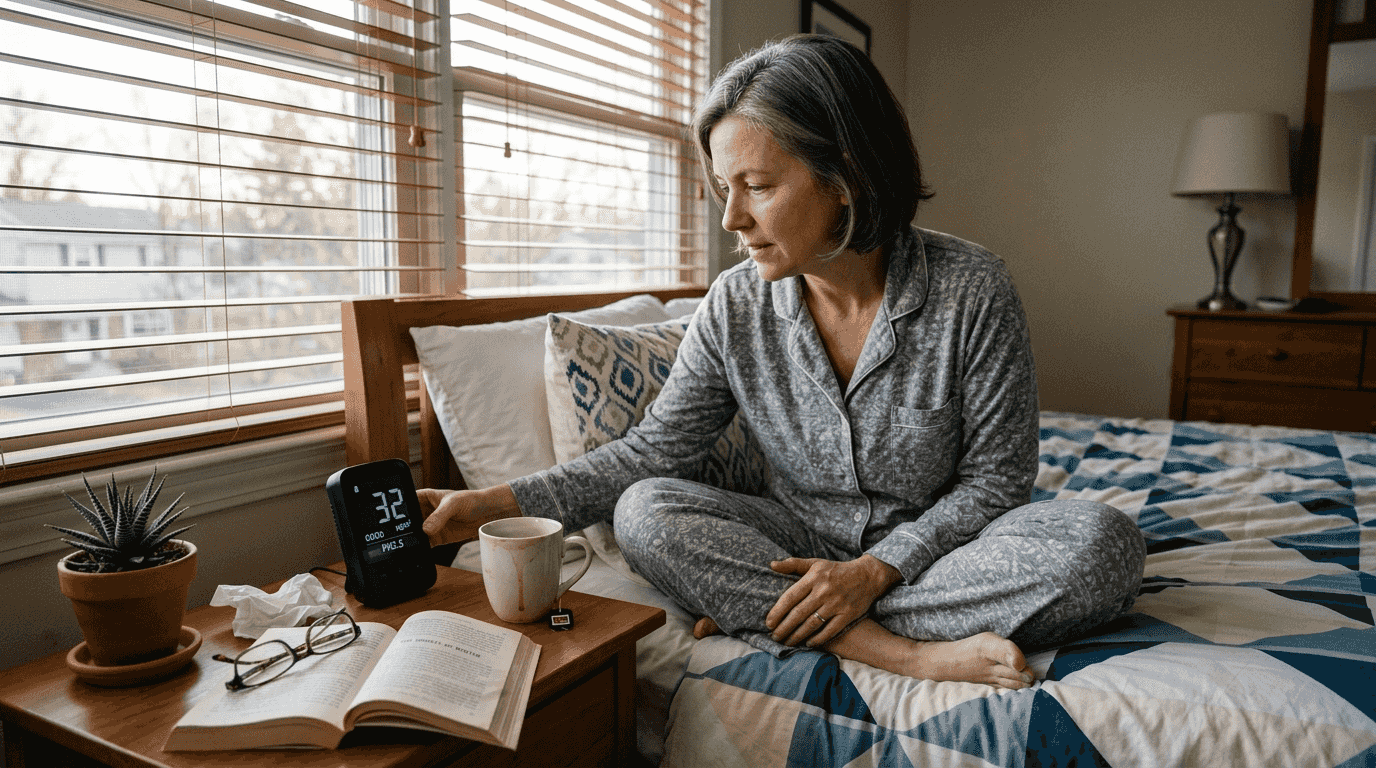
A groundbreaking study examining building retrofits like weatherization programs across millions of homes demonstrates concrete health benefits. Researchers tracked occupants before and after upgrades, documenting reduced respiratory complaints, fewer body aches, and improved sleep quality. The scale of this evidence eliminates doubt about whether home conditions matter for health.
Weatherization improvements particularly stand out. Sealing air leaks reduces dampness and mold growth, directly cutting respiratory irritation. Better insulation stabilizes indoor temperatures, preventing the physical stress of constant thermal fluctuation. These changes aren’t cosmetic. They alter the biological load your body manages daily.
Physical comfort creates mental health ripple effects. When you’re not fighting drafts, breathing stale air, or struggling with poor lighting, cognitive resources free up for focus and emotional regulation. The key advantages of home wellness enhanced living extend beyond symptom reduction to genuine quality of life improvements.
Pro Tip: Start with air quality and temperature control. These two factors influence the widest range of health outcomes and often require modest investment compared to their impact.
“The health implications of large-scale refurbishment programs extend across multiple wellness dimensions, from respiratory function to musculoskeletal comfort and sleep architecture.”
- Improved air circulation reduces airborne irritants
- Stable temperatures prevent immune system stress
- Enhanced natural light regulates circadian rhythms
- Reduced noise pollution lowers cortisol levels
Common elements of home wellness and their benefits
Four primary factors determine your home’s wellness profile. Air quality affects respiratory health and cognitive function through oxygen delivery and pollutant exposure. Temperature regulation influences metabolic efficiency and sleep quality. Lighting controls hormone production and mood stability. Noise management impacts stress response and recovery capacity.
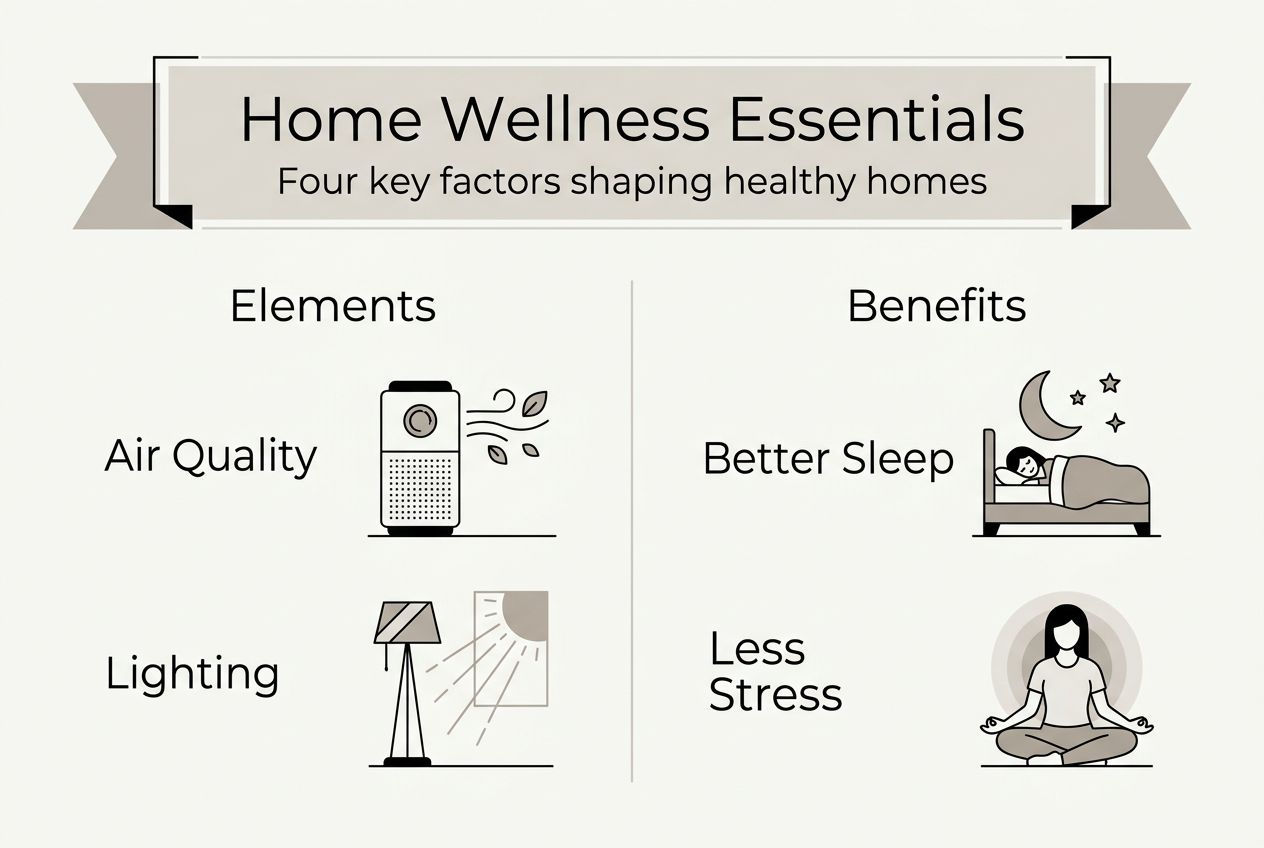
| Wellness Element | Primary Health Benefits | Common Challenges |
|---|---|---|
| Air Quality | Reduced asthma triggers, better focus, lower infection risk | Measuring pollutant levels, identifying sources |
| Temperature | Improved sleep, stable metabolism, reduced joint pain | Balancing efficiency with comfort zones |
| Lighting | Enhanced mood, regulated sleep cycles, reduced eye strain | Maximizing natural light in existing structures |
| Noise Control | Lower stress hormones, better concentration, faster recovery | Addressing external sources beyond your control |
The challenge lies in measurement precision. While empirical evidence on health implications of housing upgrades exists, individual responses vary based on genetics, existing conditions, and lifestyle factors. What’s universal is the direction of impact. Better air always beats stale air. Appropriate temperatures always outperform extremes.
These elements prevent illness through multiple pathways. Clean air reduces inflammatory triggers. Proper temperature supports immune cell function. Natural light synchronizes your biological clock for optimal hormone release. Quiet spaces allow your nervous system to downshift from constant vigilance.
Creating home wellness stations optimizes these factors in specific zones. You don’t need perfect conditions everywhere. Strategic improvements in spaces where you spend most time deliver disproportionate returns.
Pro Tip: Address air quality first with improved ventilation and air purifying plants. This single change influences respiratory health, sleep quality, and cognitive performance simultaneously.
Productivity gains emerge naturally when your environment stops fighting your biology. Mental clarity improves when you’re not compensating for poor air or uncomfortable temperatures. Energy reserves increase when your body isn’t managing environmental stressors. Understanding home spa concepts helps you design spaces that actively support restoration rather than merely avoiding harm.
- Ventilation systems remove accumulated carbon dioxide and volatile organic compounds
- Programmable thermostats maintain optimal temperature ranges for different activities
- Blackout options and task lighting create appropriate conditions for work and rest
- Sound dampening materials and white noise devices mask disruptive frequencies
How home wellness can prevent or ease chronic illness
Chronic conditions thrive in environments that trigger inflammation and stress responses. Poor air quality aggravates asthma and allergies through constant immune activation. Temperature extremes worsen arthritis pain and cardiovascular strain. Inadequate lighting disrupts sleep patterns that regulate everything from blood sugar to blood pressure.
Housing upgrades reduce risks or severity of chronic conditions by removing environmental triggers. Someone with respiratory sensitivity experiences fewer attacks when mold and dust are controlled. A person managing joint pain moves more comfortably in properly heated spaces. These aren’t minor conveniences. They’re the difference between managing a condition and being controlled by it.
Specific chronic illnesses respond particularly well to environmental improvements. Respiratory conditions benefit from humidity control and air filtration. Cardiovascular issues improve with temperature stability and stress reduction. Autoimmune conditions often show reduced flare frequency when inflammatory triggers decrease. Mental health conditions respond to lighting optimization and noise management.
The key is gradual, sustained change rather than dramatic overhauls. Small improvements compound over time as your body experiences consistent support instead of constant challenge. Nurturing healthy habits in a wellness-focused environment makes those behaviors easier to maintain.
Long-term benefits extend beyond symptom management to actual disease progression. Reduced inflammation slows tissue damage. Better sleep enhances cellular repair. Lower stress preserves organ function. Your home becomes a therapeutic environment working continuously in your favor.
- Asthma and allergies improve with controlled humidity and air filtration
- Arthritis pain decreases in stable, warm environments
- Cardiovascular stress reduces when temperature extremes are eliminated
- Depression and anxiety respond to optimized natural light exposure
- Autoimmune flares decline when inflammatory triggers are minimized
- Sleep disorders improve with proper darkness, temperature, and quiet
Success comes from matching improvements to your specific health profile. Someone managing diabetes prioritizes stress reduction and sleep optimization. A person with chronic pain focuses on temperature control and comfortable movement spaces. Understanding ways to support your body during illness helps you identify which environmental factors matter most for your situation.
Practical steps to create a wellness-focused home in 2026
Transforming your living space into a wellness asset requires systematic attention to high-impact areas. Start with assessment, then prioritize changes based on your health goals and available resources. The most effective approach addresses multiple wellness dimensions simultaneously.
- Evaluate current air quality by monitoring ventilation, identifying moisture problems, and noting respiratory symptoms or odors that indicate issues.
- Optimize temperature control through weatherization, programmable thermostats, and zone-based heating or cooling for different activity areas.
- Maximize natural light by removing window obstructions, using reflective surfaces strategically, and adding task lighting where needed.
- Reduce noise pollution with sound-dampening materials, strategic furniture placement, and white noise devices for sleep areas.
- Create dedicated wellness zones that combine optimal air, temperature, lighting, and quiet for recovery and relaxation activities.
- Establish maintenance routines for air filters, humidity levels, and cleaning practices that preserve improvements over time.
Large-scale refurbishment programs demonstrate that systematic upgrades deliver better results than scattered improvements. A coordinated approach ensures changes reinforce rather than contradict each other.
| Investment Level | Upgrade Examples | Expected Benefits | Timeframe for Impact |
|---|---|---|---|
| Minimal | Ventilation improvement, plant additions, lighting adjustments | Better air quality, improved mood, enhanced sleep | 1-2 weeks |
| Moderate | Air purifier, programmable thermostat, blackout curtains | Reduced respiratory issues, stable comfort, regulated sleep cycles | 1-2 months |
| Significant | Weatherization, HVAC upgrade, sound insulation | Comprehensive environmental control, measurable health improvements | 3-6 months |
Personalization matters more than following generic checklists. Your health priorities, existing conditions, and daily routines should guide which improvements come first. Someone working from home prioritizes different factors than someone who’s home mainly for sleep and meals.
Pro Tip: Focus first on improvements affecting spaces where you spend the most time. Optimizing your bedroom and primary living area delivers faster, more noticeable benefits than spreading resources across rarely used rooms.
Integrating home wellness with lifestyle habits multiplies effectiveness. Exercise recovery improves in properly ventilated, temperature-controlled spaces. Meditation and stress management deepen in quiet, well-lit environments. Nutrition benefits when comfortable spaces encourage mindful eating rather than rushed meals.
Exploring home wellness advantages reveals how environmental improvements support broader health goals. Understanding why create a home spa helps you design spaces that actively promote restoration rather than simply avoiding harm. Your home becomes a partner in health rather than a neutral backdrop.
Explore Lunix wellness solutions for your home
Applying home wellness principles becomes easier with purpose-built tools designed for recovery and comfort. Lunix creates solutions that integrate seamlessly into your daily routine, supporting your body’s natural restoration processes without complicated protocols or time-consuming rituals.

Our recovery collection addresses the physical dimensions of home wellness through thoughtful design and proven technology. Each product targets specific aspects of comfort and restoration, from muscle recovery to sleep optimization. These aren’t generic wellness accessories. They’re engineered responses to common barriers preventing people from experiencing their home as a true wellness asset.
Explore the Lunix recovery collection to discover tools that complement the environmental improvements discussed here. Learn how strategic additions enhance your home’s wellness capacity through our detailed benefits guide. Your space has potential beyond its current state. We help you realize it.
What is home wellness and why does it matter?
Home wellness refers to the combined physical and mental well-being supported by your living environment’s conditions. It encompasses air quality, temperature, lighting, noise levels, and spatial organization. These factors interact with your biology constantly, influencing immune function, stress hormones, sleep quality, and chronic disease risk. Most people underestimate how profoundly their home affects daily health and long-term wellness trajectories.
Measurable benefits include reduced respiratory symptoms, improved sleep duration and quality, decreased pain perception, and enhanced mood stability. Studies tracking millions of housing upgrades document these outcomes across diverse populations. The evidence isn’t theoretical. People living in optimized environments experience fewer sick days, better cognitive performance, and higher reported life satisfaction. Small investments in home wellness often deliver health returns exceeding their cost within months.
Starting small works better than attempting comprehensive overhauls. Focus first on the single factor causing you the most discomfort or health impact. Improve ventilation if air quality bothers you. Adjust lighting if sleep suffers. Address temperature if you’re constantly uncomfortable. Early wins build momentum and reveal which changes matter most for your specific situation. Creating home wellness stations in key areas demonstrates how targeted improvements transform daily experience.
How do housing upgrades improve health?
Housing upgrades improve health by removing environmental stressors and triggers that create chronic biological burden. Weatherization reduces dampness and mold, directly lowering respiratory irritation and allergic responses. Sealing air leaks stabilizes indoor temperatures, preventing the immune stress of constant thermal adaptation. Better insulation reduces noise transmission, allowing deeper sleep and more complete nervous system recovery. Each upgrade removes obstacles to your body’s natural maintenance and repair processes.
What affordable home wellness improvements can I make?
Affordable improvements start with maximizing natural ventilation by opening windows strategically and using fans to circulate air. Add air-purifying plants like snake plants or pothos to filter common indoor pollutants. Optimize natural light by removing window obstructions and using mirrors to reflect daylight deeper into rooms. Implement simple noise dampening through heavy curtains, rugs, and strategic furniture placement. Declutter to reduce dust accumulation and create psychological spaciousness. These changes cost little but address multiple wellness dimensions simultaneously. Exploring home spa concepts reveals additional low-cost strategies for transforming ordinary spaces into restoration zones.
Can home wellness help manage chronic conditions?
Home wellness significantly aids chronic condition management by reducing environmental triggers and supporting recovery processes. Air quality improvements decrease respiratory inflammation for asthma and allergy sufferers. Temperature stability reduces pain perception and stiffness in arthritis patients. Proper lighting and quiet spaces lower stress hormones that aggravate autoimmune conditions. These changes don’t replace medical treatment but create conditions where your body can respond better to interventions. Improved home environments help reduce symptom frequency and severity while improving overall quality of life. The positive impact on mood and energy levels often matters as much as physical symptom relief, especially for conditions requiring long-term management. Understanding support during long-term illness helps you design environments that actively promote healing rather than simply avoiding additional harm.