


Finding time for genuine relaxation feels impossible when your professional schedule never quits. Yet ignoring self-care only adds tension and fatigue. Modern home spa concepts offer far more than pampering—they are wellness centers designed for your health. Research shows that spas have shifted from luxury exclusivity to become a necessary part of daily American life, supporting physical, mental, and emotional well-being. Discover practical, science-backed approaches that transform your routines through personalized spa integration.
Table of Contents
- Home Spa Concepts And Common Misconceptions
- Types Of Home Spa Experiences Explained
- Key Features For Effective Home Wellness
- Integrating Spa Rituals Into Daily Life
- Risks, Safety, And Cost Considerations
Key Takeaways
| Point | Details |
|---|---|
| Home Spas Are Essential | Home spas promote overall health by integrating recovery, relaxation, and sensory experiences into daily life. |
| Misconceptions About Home Spas | Common misconceptions undermine their benefits; they are not just for relaxation, nor do they require large space or professional staff. |
| Design for Daily Use | Effective home spas prioritize intentional design, accessibility, and environmental quality to encourage consistent use. |
| Budget and Maintenance | Initial costs vary widely, and ongoing maintenance is essential to prevent risks and ensure longevity of home spa systems. |
Home Spa Concepts and Common Misconceptions
A home spa isn’t what you think it is. Most people picture marble columns, soft robes, and a therapist named Crystal—the kind of luxury only wealthy people access once a year. That assumption costs you real health benefits.
The reality: home spas are wellness centers designed for your health, not just pampering. They combine physical recovery, mental restoration, and stress reduction into spaces you actually use daily. Think of it like the difference between owning a treadmill and hiring a personal trainer—one is truly integrated into your life.
Research reveals that spas have transitioned from luxury exclusivity to become a necessary part of lifestyle for health and wellness. They’re no longer fringe treatments; they’re preventive medicine you control.
The Five Biggest Misconceptions
1. “Home spas are just for relaxation”
Not even close. While relaxation matters, spa concepts integrate physical, mental, intellectual, emotional, and social health aspects into a comprehensive wellness approach. Your recovery tools address circulation, posture, muscle tension, and sleep quality simultaneously.
2. “I need professional staff to make it work”
You don’t. Many high-performing professionals use guided tools and smart equipment at home. Recovery doesn’t require someone standing over you—it requires the right setup and consistency.
3. “Real spas require tons of space”
Wrong. A home spa concept fits a corner of your bedroom, your bathroom, or even part of your home office. It’s about intentional design, not square footage.
4. “Home spas are expensive”
Initial investment varies, but compare it to monthly spa visits. After 4-5 months, most people break even while gaining daily access. That’s compounding wellness.
5. “It’s self-indulgent when I should be working”
This one stings because it’s the most damaging belief. Think of a home spa like maintaining your car—skipping maintenance doesn’t make you more productive; it makes repairs expensive later. Recovery enhances performance, not the reverse.
What Actually Works
Effective home spa concepts share common elements:
- Dedicated physical space where you signal to your brain that wellness happens here
- Targeted recovery tools that address your specific needs (circulation, flexibility, tension release)
- Consistent routine built into your schedule, not squeezed in as an afterthought
- Sensory elements that engage your nervous system (temperature, lighting, scent)
- Privacy and control over your experience, unlike commercial settings
The difference between a collection of wellness products and an actual home spa concept is intention. Products scattered across your bedroom aren’t a spa. A strategically designed space with integrated tools becomes a daily wellness ritual.
Your home spa succeeds when it fits seamlessly into your life—not as another task, but as the foundation that makes everything else possible.
When you understand why creating a home spa matters for wellness and privacy, you stop viewing it as luxury and start viewing it as necessity. That mindset shift changes everything.
Pro tip: Start with one recovery need (better sleep, reduced shoulder tension, or circulation improvement) rather than trying to build a complete spa. A focused beginning beats an overwhelming project every time.
Types of Home Spa Experiences Explained
Home spa experiences aren’t one-size-fits-all. Your wellness goals, available space, and lifestyle determine which approach works best for you. Understanding the options helps you build something that actually fits your life.
The main categories range from simple relaxation-focused setups to comprehensive therapeutic installations. Some professionals use hydrotherapy, aromatherapy, and mindfulness-based treatments to address specific health needs. Others prefer minimalist designs that serve one primary purpose.
Recovery and Wellness-Focused Experiences
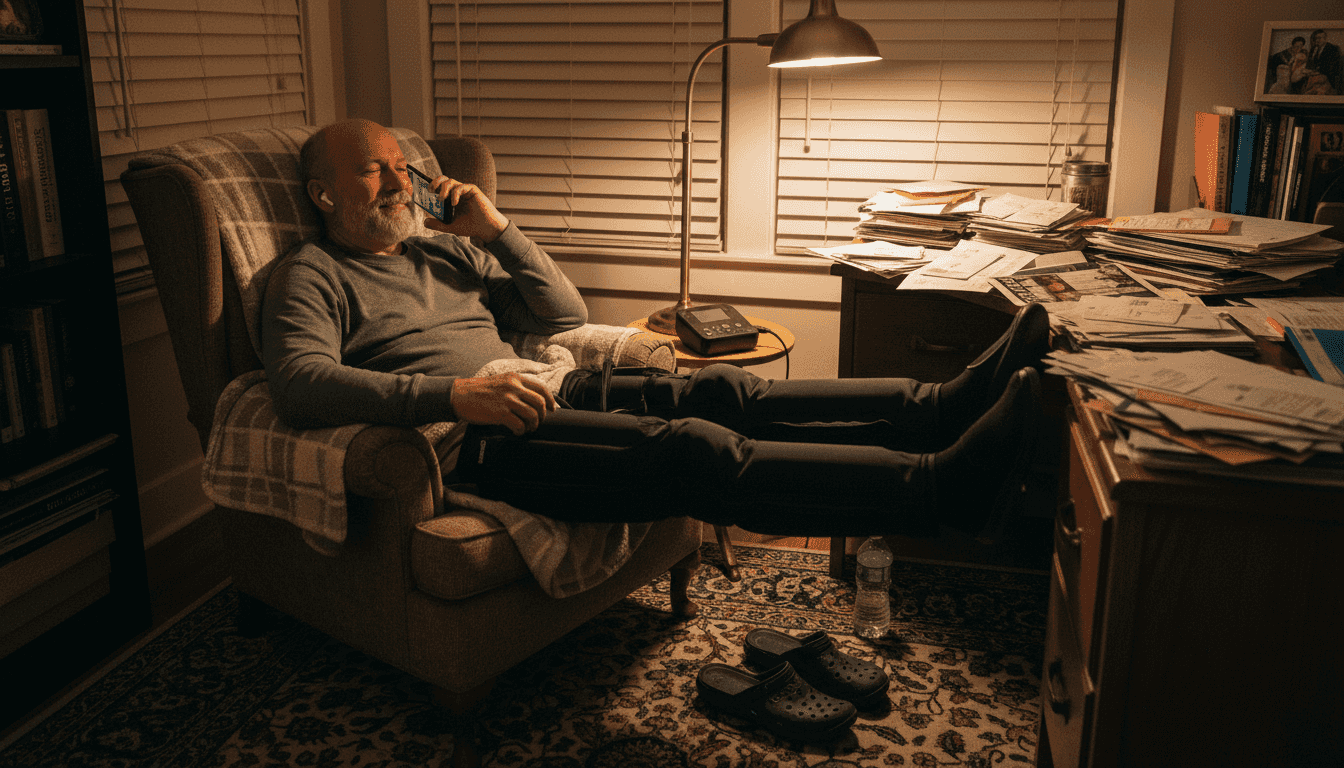
This category targets physical restoration and performance enhancement. Think compression therapy, heat therapy, or targeted muscle recovery tools—the kind of setup athletes and active professionals use daily.
Wellness-focused spas emphasize:
- Circulation improvement through heat, compression, or contrast therapy
- Muscle recovery addressing soreness and mobility limitations
- Sleep quality enhancement using temperature control and relaxation tools
- Stress reduction through physical recovery mechanisms
These aren’t indulgent; they’re maintenance. A 40-minute recovery session before bed directly impacts tomorrow’s mental clarity and energy.
Relaxation and Sensory Experiences
These prioritize your nervous system. Aromatherapy, soft lighting, temperature control, and sound create an environment where stress actually leaves your body, not just your schedule.
Sensory-focused experiences work because they engage multiple systems simultaneously. Your brain can’t stay anxious when warm water, lavender, dim lighting, and silence all signal safety at once.
They’re surprisingly practical for busy professionals. Thirty minutes of genuine relaxation beats three hours of half-hearted distraction.
Hybrid Wellness Installations
Most effective home spas combine approaches. You might have a compression recovery system for physical restoration plus aromatherapy and lighting for mental unwinding in the same space.
A hybrid setup means one room addresses multiple wellness needs. You recover physically, calm mentally, and improve sleep—without managing three separate spaces.
Here’s how primary home spa experience types address common wellness priorities:
| Experience Type | Physical Benefits | Mental/Sensory Benefits | Space Needed |
|---|---|---|---|
| Recovery-Focused | Muscle recovery, mobility | Minor mood lift, calmness | Small corner |
| Relaxation/Sensory-Focused | Stress relief, tension | Deep relaxation, sleep boost | Flexible, minimal |
| Hybrid Installation | Recovery and relaxation | Combined mind-body benefits | Moderate, multi-use |
The best home spa experience matches your actual priorities, not Pinterest aesthetics or what your neighbor built.
Choosing Your Experience Type
Start by asking what you need most right now:
- Physical recovery from activity or aging? → Recovery-focused experience
- Mental stress relief and sleep improvement? → Sensory-focused experience
- Both, with limited space? → Hybrid installation
When you’re ready to implement, setting up a home spa for premium relaxation provides concrete steps beyond the theory.
Don’t overthink this. Your primary need at age 40-65 typically involves recovery, relaxation, or both. Build around that, and you’ll use it consistently.
Pro tip: Start with one experience type based on your biggest current challenge, then expand later if needed. A fully used recovery station beats an elaborate unused spa every single time.
Key Features for Effective Home Wellness
Effective home wellness isn’t about accumulating products. It’s about strategically combining specific features that work together to support your health goals. The right combination creates measurable results.
Think of it like building a recovery system instead of buying random items. Each feature serves a purpose, and together they compound your wellness gains. A space without intentional design is just a room with stuff in it.
Environmental Quality Matters Most
Your home’s air, water, and light directly affect your nervous system and recovery capacity. Superior air and water quality with circadian lighting create a foundation that makes every other wellness tool more effective.
Why? Because your body can’t genuinely relax in a poor environment. You might have the best recovery equipment, but poor air quality undermines everything.
Core environmental features include:
- Air quality management through filtration or purification systems
- Natural lighting aligned with circadian rhythms for better sleep and energy
- Temperature control that supports relaxation and recovery
- Acoustic comfort reducing stress from noise disruption
- Natural materials that feel and perform better than synthetics
Recovery Tools and Equipment
Your wellness devices address specific physical needs like circulation, muscle tension, and sleep quality. The best tools target your actual pain points rather than generic wellness.
A 55-year-old with shoulder tension needs different tools than someone with poor circulation. Match equipment to your real needs, not marketing hype.
Sensory Integration
Effective home wellness engages multiple senses simultaneously. Aromatherapy combined with soft lighting and temperature control creates a nervous system response that single-element approaches can’t match.
This is why a corner with a diffuser and dimmed lights beats an expensive device used in a bright, cold room.
The best home wellness features work together invisibly, creating an environment where relaxation and recovery happen naturally.
Consistency and Accessibility
Your wellness space must be accessible enough to use daily. If recovery tools are buried in a closet or the space feels uncomfortable, you won’t use them consistently.
Location matters. Lighting matters. Temperature matters. Design your space for actual use, not theoretical perfection.
Key accessibility factors:
- Physical proximity to where you spend most time
- Ease of setup requiring minimal effort to activate
- Visual appeal making the space inviting rather than clinical
- Multi-purpose functionality serving different needs in one area
When you understand key advantages of home wellness for enhanced living, you stop thinking about features as separate items and start seeing them as an integrated system.
Pro tip: Prioritize environmental quality and accessibility over equipment quantity—a simple, comfortable space you use daily beats an elaborate setup you avoid.
Integrating Spa Rituals Into Daily Life
Spa rituals only work when they’re woven into your actual schedule, not squeezed in as occasional treats. The difference between “someday I’ll relax” and genuine wellness is making these practices non-negotiable parts of your week.
Think of it like brushing your teeth—you don’t debate whether to do it. Effective spa rituals become automatic through repetition and structure.
Why Consistency Creates Results
Rituals and routines provide meaning, structure, and connection in daily life, helping you cope with unpredictability through habitual self-care practices. Your nervous system thrives on predictability, so scheduled wellness becomes more powerful than spontaneous attempts.
A Tuesday evening recovery session at 8 PM works better than random wellness when you feel like it. Your body learns to expect and prepare for that reset time.
Building Your Weekly Rhythm
Effective integration starts with frequency patterns that fit your life:
- Daily practices (5-15 minutes): breathing, light stretching, or sensory breaks
- Weekly rituals (30-60 minutes): deeper recovery or relaxation sessions
- Monthly resets (2-3 hours): more intensive wellness experiences
- Seasonal adjustments: modify practices based on daylight and temperature changes
Don’t aim for perfect—aim for sustainable. A 15-minute daily practice beats a “perfect” 90-minute session you never actually do.
Anchor Spa Rituals to Existing Habits
Your morning coffee, lunch break, or evening wind-down are already established time slots. Add spa rituals to these anchors rather than creating entirely new routines.
Example: While your coffee brews, do five minutes of stretching. During lunch, use a massage tool on sore areas. Before bed, activate your aromatherapy and lighting.
Small additions to existing patterns create lasting habits faster than dramatic lifestyle overhauls.
Social Connection Multiplies Benefits
Research shows that regular wellness rituals improve mental well-being and social connectedness when practiced with others. Sharing these practices builds accountability and emotional synchrony.
Invite your partner, a friend, or family members into your wellness space occasionally. Group rituals create stronger commitment and deeper benefits.
Spa rituals work best when they’re part of your life rhythm, not additions to an already packed schedule.
Making Rituals Stick
Three practices guarantee integration:
- Set a specific time that doesn’t change week to week
- Prepare your space in advance so activation requires minimal effort
- Track your practice visually—a simple calendar check reinforces the habit
When creating spa experiences at home, consistency transforms a luxury activity into a health necessity your body depends on.
Pro tip: Start with one weekly 30-minute ritual before adding more—master consistency first, then expand your practice as it becomes automatic.
Risks, Safety, and Cost Considerations
Home spa wellness comes with real responsibilities. Water-based systems, electrical equipment, and consistent use require attention to safety and maintenance. Ignoring these details can turn relaxation into health risks.
The good news: most risks are manageable with basic knowledge and regular care. Understanding what to monitor prevents expensive problems and protects your health.
Water Quality and Infection Prevention
If your home spa includes hot water systems or pools, water safety becomes critical. Managing spa pools requires controlling infection risks through proper disinfection, maintenance, and monitoring.
Bacteria thrive in warm water. Legionnaires’ disease, skin infections, and respiratory issues stem from inadequate water treatment. Regular testing and chemical balance aren’t optional.
Core water safety practices include:
- Daily monitoring of water temperature, pH, and chlorine levels
- Weekly cleaning of filters and basin surfaces
- Monthly professional testing to verify water quality standards
- Seasonal system flushing to prevent buildup and stagnation
- Documentation of all maintenance for your records
Electrical and Equipment Safety
Home spas often involve electrical heating, lighting, and circulation systems. Proper installation prevents shock hazards and fire risks.
Never compromise on installation quality. Licensed electricians understand local codes and safety requirements that protect your family. A cheap installation saves money now but creates liability later.
Initial Investment Varies Widely
Costs depend on your chosen experience type. A simple recovery corner with massage tools runs $500-$2,000. Elaborate installations with hydrotherapy systems cost $5,000-$15,000 or more.
Calculate your break-even point against monthly professional spa visits. Most professionals recoup costs within 6-12 months.
Ongoing Maintenance Costs
Spa pool systems require regular maintenance and monitoring to prevent health hazards. Budget for these recurring expenses:
- Monthly costs: cleaning supplies, water testing, electricity
- Annual costs: filter replacements, professional servicing
- Periodic costs: equipment repairs or upgrades every 5-7 years
Budget $100-$300 monthly for basic upkeep. Systems with hydrotherapy features run higher.
The following table summarizes typical home spa costs and ongoing needs:
| Setup Level | Initial Investment | Maintenance/Month | Break-even Period |
|---|---|---|---|
| Basic Corner | $500 – $2,000 | $100 – $150 | 4 – 6 months |
| Advanced Install | $5,000 – $15,000 | $200 – $300+ | 9 – 12 months |
Proper maintenance costs less than treating health problems from a poorly maintained spa.
Insurance and Liability
If guests use your home spa, verify your homeowner’s insurance covers liability. Some insurers charge additional premiums for water features or wellness equipment.
Disclose accurately to your insurance provider. Undisclosed equipment creates coverage gaps when you actually need it.
Getting Help When Needed
Know when to call professionals:
- Installation: Licensed electricians and plumbers for water or electrical systems
- Maintenance: Annual professional servicing for complex equipment
- Water testing: Professional lab analysis quarterly or when problems arise
These costs prevent bigger problems. A $200 annual professional inspection beats a $2,000 equipment replacement.
Pro tip: Budget 10-15% of your initial investment annually for maintenance and repairs—this reserve prevents scrambling when problems occur.
Elevate Your Home Spa Experience with Lunix
The article highlights common challenges with building an effective home spa such as creating an intentional space, integrating consistent routines, and choosing the right recovery tools. If you are seeking true wellness that combines physical recovery, mental relaxation, and sensory restoration Lunix offers smart solutions designed specifically to address these pain points. Our thoughtfully designed products fit seamlessly into any space helping you build a dedicated wellness area without overwhelming your home or schedule.

Transform your living space into a personalized sanctuary where recovery and relaxation happen daily. Discover how Lunix’s innovative recovery and comfort solutions deliver the focused restoration you need to improve circulation reduce tension and enhance sleep quality. Don’t wait to make wellness a foundation of your life. Start your journey now at Lunix and explore how to create your ideal home spa that works with your lifestyle.
Frequently Asked Questions
What are the main misconceptions about home spas?
Home spas are often misunderstood as mere relaxation spaces, when in fact they focus on comprehensive wellness, addressing physical, mental, and emotional health simultaneously.
How can I create an effective home spa in a small space?
You can create an effective home spa in a small area by intentionally designing a dedicated space, using targeted recovery tools, and incorporating sensory elements like lighting and scent to enhance the experience.
What types of home spa experiences should I consider for my wellness goals?
Consider recovery-focused experiences if you need physical restoration, relaxation and sensory experiences for stress relief, or hybrid installations that combine both approaches to address multiple wellness needs.
How do I ensure my home spa is safe and well-maintained?
To ensure safety, regularly monitor water quality and maintain electrical systems. Budget for routine maintenance and consider professional inspections annually to prevent costly repairs and health risks.
Recommended
- Why Create a Home Spa: Wellness, Privacy, Results – Lunix
- DIY Spa Night: Recreate a Luxurious Spa Experience at Home – Lunix
- How to Set Up a Home Spa for Premium Relaxation – Lunix
- Traveling Without Leaving Home: How to Create an At-Home Spa Vacation – Lunix
- Personalized Fertility Care: Transforming Outcomes for Women 35+