


A study from Harvard Medical School found that relaxation-response training programs reduced healthcare utilization by 43%. This dramatic finding challenges the widespread belief that rest alone improves performance. True relaxation activates specific physiological processes that reduce stress, sharpen mental focus, and accelerate physical recovery. Understanding how relaxation techniques trigger your parasympathetic nervous system can transform your daily performance and long-term wellness.
Table of Contents
- Understanding The Physiology: How Relaxation Impacts Performance
- Key Relaxation Techniques And Their Comparative Effectiveness
- Addressing Common Misconceptions About Relaxation And Performance
- Applying Relaxation Strategies For Improved Daily Performance
- Case Studies And Real-World Examples Of Relaxation Enhancing Performance
- Summary And Next Steps For A Wellness-Integrated Lifestyle
- Enhance Your Relaxation Routine With Lunix Wellness Solutions
- Frequently Asked Questions About Relaxation And Performance
Key takeaways
| Point | Details |
|---|---|
| Relaxation activates parasympathetic response | This reduces heart rate, lowers cortisol, and improves cognitive focus. |
| Multiple techniques offer distinct benefits | Progressive muscle relaxation, mindfulness, breathing exercises, and aerobic activity each trigger unique recovery mechanisms. |
| Rest differs from active relaxation | Passive rest does not engage the nervous system changes needed for performance enhancement. |
| Daily practice yields measurable results | Consistent application reduces healthcare needs and improves both mental and physical performance markers. |
| Integration with wellness tools amplifies effects | Combining techniques with recovery products creates optimal relaxation environments. |
Understanding the physiology: how relaxation impacts performance
Your body operates through two primary nervous system branches. The sympathetic system drives your fight-or-flight response during stress. The parasympathetic nervous system reverses these effects, promoting recovery and restoration. When you engage in proper relaxation techniques, you deliberately activate this parasympathetic state.
Research shows that mindfulness-based relaxation leads to significant heart rate and respiration reductions enhancing parasympathetic reactivation. This biological shift creates measurable changes throughout your body. Your heart rate slows, breathing deepens, and stress hormones like cortisol decrease dramatically.
The physiological markers of an activated relaxation response include:
- Decreased heart rate and blood pressure
- Reduced respiratory rate and muscle tension
- Lower cortisol and adrenaline levels
- Increased blood flow to digestive and immune systems
- Enhanced brain alpha wave activity linked to calm alertness
These changes directly support improved performance. When relaxation exercises activate the parasympathetic nervous system, your cognitive function sharpens. You experience better emotional regulation, faster muscle recovery, and enhanced decision-making capacity. Understanding these benefits of relaxation routines empowers you to choose techniques that match your specific performance goals.
The connection between parasympathetic activation and performance becomes clear when you consider recovery. Your muscles repair during parasympathetic dominance. Your mind consolidates learning and memory. Without proper relaxation activation, even adequate sleep fails to deliver complete restoration.
Key relaxation techniques and their comparative effectiveness
Four primary relaxation methods have demonstrated significant effectiveness for adults seeking performance improvements. Each technique triggers the parasympathetic response through different mechanisms, allowing you to select approaches that fit your lifestyle and preferences.
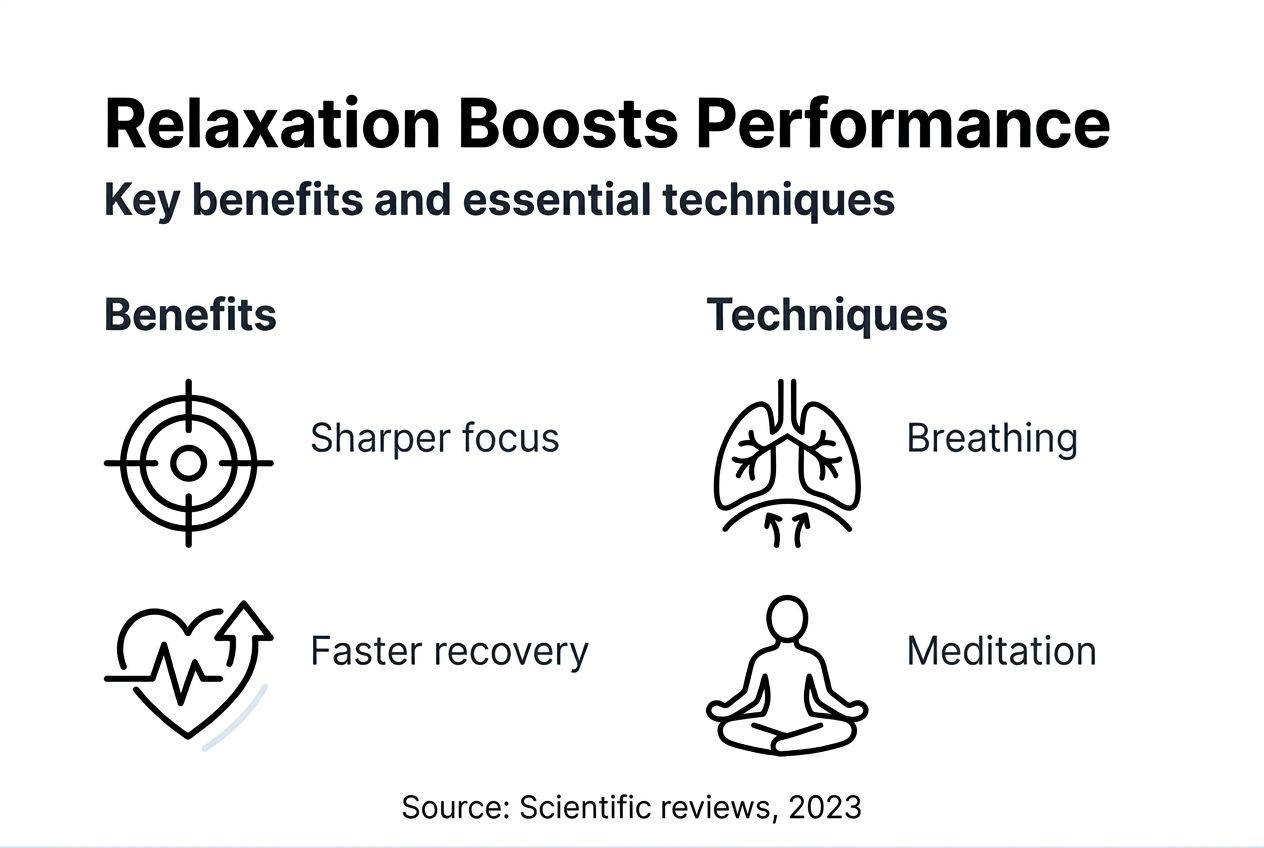
Progressive muscle relaxation systematically targets physical tension. You deliberately tense specific muscle groups for five seconds, then release completely for 30 seconds. This process systematically reduces muscle tension and activates parasympathetic state. The contrast between tension and release trains your awareness of stress holding patterns.
Mindfulness meditation focuses attention on present-moment awareness without judgment. You observe thoughts, sensations, and emotions as they arise. This practice reduces mental clutter and enhances self-confidence by breaking automatic stress reactions. Regular mindfulness creates lasting changes in brain regions controlling attention and emotional regulation.
Breathing exercises offer the fastest route to stress reduction. Techniques like 4-7-8 breathing or diaphragmatic breathing significantly lower cortisol and calm stress response within minutes. The vagus nerve, which controls parasympathetic activation, responds directly to controlled breathing patterns.
Aerobic exercise might seem counterintuitive for relaxation. However, moderate-intensity activities like walking, swimming, or cycling reduce adrenaline and cortisol while increasing endorphins. The rhythmic nature of aerobic movement combined with neurochemical changes creates profound relaxation after the activity concludes.
| Technique | Primary Mechanism | Key Benefits | Recommended Duration |
|---|---|---|---|
| Progressive Muscle Relaxation | Physical tension release | Reduces muscle pain, improves sleep quality | 10-15 minutes daily |
| Mindfulness Meditation | Mental attention training | Enhances focus, emotional regulation | 10-20 minutes daily |
| Breathing Exercises | Direct vagus nerve stimulation | Rapid stress reduction, anxiety management | 5-10 minutes as needed |
| Aerobic Exercise | Neurochemical modulation | Mood elevation, cardiovascular health | 30 minutes most days |
Pro Tip: Combine techniques for amplified results. Start your day with 10 minutes of mindfulness, use breathing exercises during stressful moments, practice progressive muscle relaxation before bed, and maintain regular aerobic activity. This layered approach addressed both immediate stress and long-term performance optimization.
Explore step-by-step relaxation techniques to learn proper execution of each method. The progressive muscle relaxation benefits extend beyond immediate tension relief to create lasting improvements in your stress response patterns.
Addressing common misconceptions about relaxation and performance
Many people confuse rest with relaxation, believing that simply stopping activity provides sufficient recovery. This misconception prevents optimal performance gains. Rest does not activate relaxation response. Lying on your couch scrolling through your phone might feel restful, but it fails to trigger the parasympathetic changes your body needs.
Active relaxation techniques like progressive muscle relaxation and mindfulness intentionally engage specific neural pathways. Your nervous system requires deliberate signals to shift from sympathetic to parasympathetic dominance. Passive rest alone rarely provides these signals, particularly in our overstimulated modern environment.
Another widespread belief suggests exercise cannot promote relaxation because it initially increases heart rate and stress hormones. This view misses the post-exercise relaxation window. The temporary elevation of stress markers during moderate exercise creates a rebound effect. Your body responds by flooding your system with endorphins and activating recovery mechanisms more powerfully than if you remained sedentary.
“The rhythmic muscle contractions during aerobic exercise combined with focused breathing create a meditative state. The post-exercise period provides enhanced parasympathetic activation that passive rest cannot match.”
Common relaxation misconceptions include:
- Believing relaxation means doing nothing productive
- Assuming you need extended time blocks to benefit
- Thinking relaxation techniques only help anxiety, not performance
- Expecting immediate mastery without practice
- Viewing relaxation as weakness rather than strategic recovery
These misunderstandings create barriers to adoption. When you recognize that strategic relaxation directly enhances focus, decision-making, and physical capacity, you can approach it as performance training rather than optional self-care. A personalized relaxation guide helps you select techniques matching your specific performance goals and lifestyle constraints.
Understanding misconceptions about relaxation empowers you to avoid ineffective approaches. Your recovery and performance depend on deliberately activating parasympathetic responses through proven techniques, not simply reducing activity levels.
Applying relaxation strategies for improved daily performance
Transforming knowledge into results requires systematic integration of relaxation practices into your daily routine. Start by scheduling specific times for your chosen techniques rather than waiting for convenient moments that rarely materialize.
Follow these steps to build effective relaxation habits:
- Designate a consistent time and quiet space for practice, preferably the same location daily to create environmental cues.
- Begin with shorter sessions of 5-10 minutes to establish the habit before extending duration.
- Pair relaxation practice with existing routines like morning coffee or evening preparation for bed.
- Track your sessions and note performance changes in focus, sleep quality, or physical recovery.
- Gradually increase session length or frequency as techniques become familiar and comfortable.
- Integrate wellness products that enhance your relaxation environment, such as comfortable seating, temperature control, or ambient sound.
Research confirms that PMR practiced daily improves muscle tension and sleep quality with cumulative benefits over weeks. Consistency matters more than session length for building lasting improvements.
For performance anxiety before important events, mindfulness proves particularly effective. Studies show progressive relaxation training improves precompetition anxiety and performance when practiced regularly leading up to high-pressure situations. This approach works equally well for business presentations, athletic competitions, or challenging personal conversations.
Create optimal relaxation conditions by controlling your environment. Dim lighting signals your nervous system to reduce alertness. Comfortable temperature between 65-68°F supports parasympathetic activation. Minimal visual clutter reduces cognitive load. Discover more at-home comfort tips to optimize your practice space.
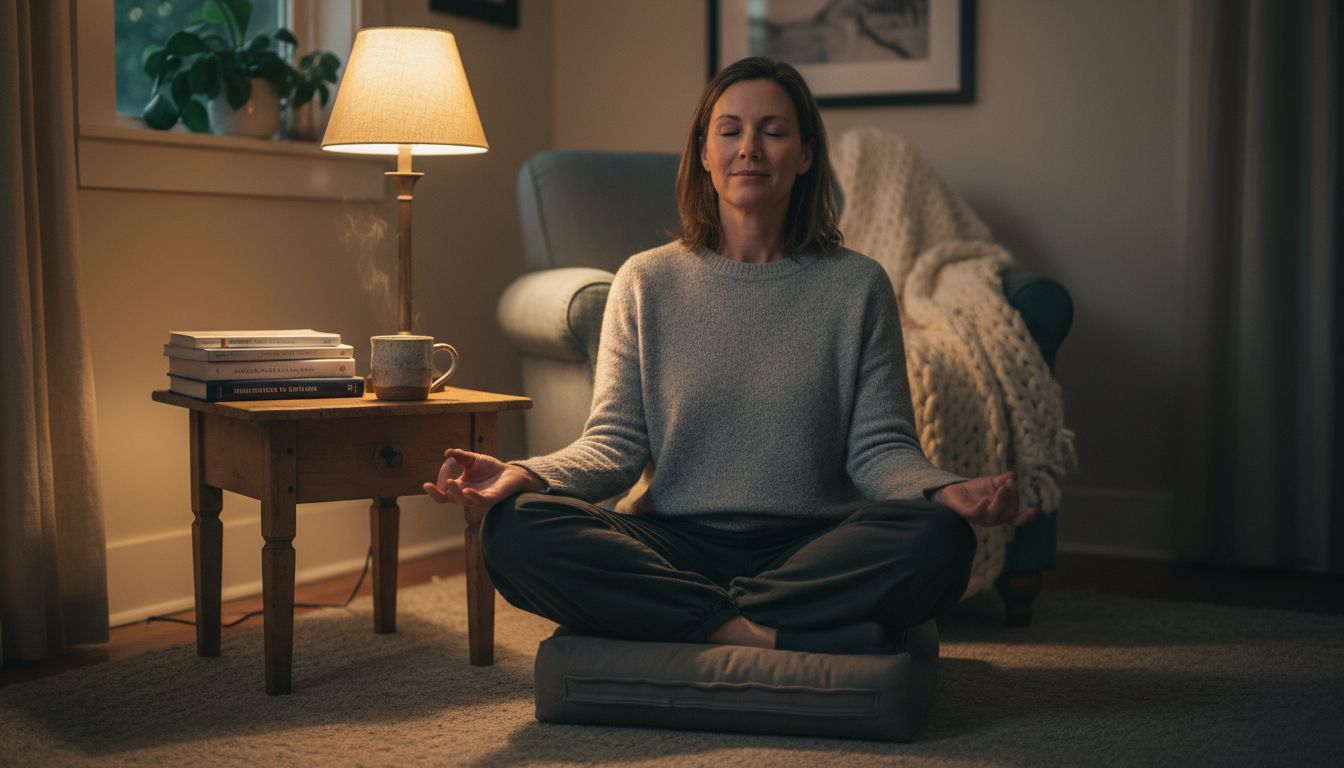
Pro Tip: Use a dedicated relaxation area in your home equipped with supportive cushions or ergonomic seating. This spatial association strengthens your relaxation response over time. Explore Lunix wellness products designed to enhance your recovery environment.
Building personalized relaxation routines around your schedule and preferences increases adherence. Experiment with different times and techniques to discover what feels most natural. Many people find morning mindfulness sets a calm tone for the day, while evening progressive muscle relaxation improves sleep onset. Refer to guided relaxation techniques for detailed instruction on proper execution.
The effectiveness of relaxation training compounds with regular practice. Initial sessions teach basic mechanics. Continued practice deepens your ability to access relaxed states quickly, even in challenging circumstances. This skill becomes a portable performance tool you can deploy anywhere.
Case studies and real-world examples of relaxation enhancing performance
Quantified research demonstrates the tangible benefits of systematic relaxation practice across diverse populations. The Harvard Medical School study revealed that relaxation response programs reduce healthcare utilization by 43% over the study period. Participants showed fewer emergency room visits, reduced need for procedures, and lower overall medical costs.
Athletic performance studies provide compelling evidence for competitive benefits. Research on progressive relaxation training found improved athlete self-confidence and performance in those who practiced consistently compared to control groups. Athletes reported better focus during competition and faster recovery between training sessions.
| Study Population | Intervention | Duration | Key Outcomes |
|---|---|---|---|
| Adults 40-65 with chronic stress | Relaxation response training | 8 weeks | 43% reduction in healthcare utilization, improved blood pressure |
| Competitive athletes | Progressive relaxation practice | 12 weeks | Reduced precompetition anxiety, enhanced self-confidence, better performance scores |
| Sedentary adults | Combined mindfulness and aerobic exercise | 16 weeks | 30% cortisol reduction, improved cardiovascular markers, better sleep quality |
Long-term benefits extend beyond immediate stress reduction:
- Enhanced immune system function through reduced chronic cortisol exposure
- Improved cardiovascular health markers including blood pressure and heart rate variability
- Better cognitive performance on attention and memory tasks
- Reduced inflammation markers associated with chronic disease
- Greater emotional resilience during challenging life circumstances
The parasympathetic activation achieved through regular relaxation practice creates a foundation for sustained high performance. Your body spends more time in recovery mode, allowing systems to repair and strengthen. This cumulative effect explains why consistent practitioners report feeling years younger than their chronological age.
Learn more about the health benefits of relaxation and how strategic practice influences long-term wellness. The documented healthcare reduction from relaxation programs demonstrates that these techniques deliver measurable value beyond subjective feelings of calm.
Summary and next steps for a wellness-integrated lifestyle
Relaxation techniques activate your parasympathetic nervous system, creating measurable improvements in stress hormones, cognitive function, and physical recovery. The evidence confirms that strategic relaxation practice delivers performance benefits that passive rest cannot match.
Key physiological changes include:
- Reduced cortisol and adrenaline supporting better stress management
- Lowered heart rate and blood pressure protecting cardiovascular health
- Enhanced muscle recovery and reduced tension-related pain
- Improved sleep quality enabling deeper restoration
- Sharper mental focus and emotional regulation during challenges
Building sustainable relaxation habits requires consistent practice and environmental support. Start with one technique that matches your preferences and schedule. Practice daily, even for brief sessions. Track your progress through performance metrics like sleep quality, stress levels, or physical recovery speed.
Enhance your practice by creating dedicated relaxation spaces equipped with supportive tools. Temperature control, comfortable seating, and minimal distractions amplify technique effectiveness. Consider integrating wellness products designed specifically for recovery and relaxation optimization.
Explore Lunix wellness products for relaxation to complement your practice. Smart recovery solutions seamlessly integrate relaxation techniques with your daily routines, maximizing the parasympathetic benefits you’ve learned about throughout this article. Consistency transforms temporary stress relief into lasting performance enhancement.
Enhance your relaxation routine with Lunix wellness solutions
Applying these relaxation techniques becomes easier when your environment actively supports recovery. Lunix creates smart wellness devices that complement your practice, transforming ordinary spaces into dedicated restoration zones. Whether you’re incorporating progressive muscle relaxation or mindfulness meditation, the right tools amplify your results.

Discover Prime day deals on Lunix products designed to enhance your daily relaxation practice. Our recovery solutions integrate seamlessly with the techniques you’ve learned, providing the comfort and support your body needs for optimal parasympathetic activation. Explore additional at-home comfort tips to create your personalized wellness sanctuary.
Frequently asked questions about relaxation and performance
What is the difference between rest and relaxation?
Rest involves ceasing activity but does not guarantee parasympathetic nervous system activation. Active relaxation techniques like progressive muscle relaxation, mindfulness, or controlled breathing deliberately trigger the physiological changes needed for true recovery. Simply lying down or watching television provides passive rest without the neurochemical and cardiovascular benefits that structured relaxation delivers.
Can exercise really help me relax if it feels stressful?
Aerobic exercise initially raises stress hormones but creates a powerful rebound relaxation effect afterward. Physical activity naturally lowers cortisol and adrenaline while increasing endorphin production. The rhythmic nature of activities like walking or swimming also promotes meditative focus. Post-exercise parasympathetic activation often exceeds what passive rest achieves.
How long should I practice relaxation techniques daily?
Short consistent sessions prove more effective than occasional long practices. Beginning with 5-10 minutes daily establishes the habit and delivers measurable benefits. As techniques become familiar, extending sessions to 15-20 minutes amplifies results. Multiple brief sessions throughout the day, such as breathing exercises during stressful moments, compound the overall impact.
Are relaxation techniques safe for adults over 60?
Relaxation practices like mindfulness, breathing exercises, and gentle progressive muscle relaxation are generally safe for all ages. These techniques can be easily modified to accommodate physical limitations or health conditions. However, if you have specific cardiovascular concerns, chronic pain conditions, or take medications affecting blood pressure, consult your healthcare provider before beginning intensive relaxation training.
How soon can I expect to see performance benefits from relaxation?
Immediate calming effects occur during your first practice session as your parasympathetic system activates. Cumulative performance improvements in focus, sleep quality, and stress resilience typically emerge after two to three weeks of consistent daily practice. Long-term benefits like reduced healthcare utilization and enhanced cognitive function develop over months as your nervous system adapts to regular relaxation training.
Recommended
- Why Prioritize Relaxation: 30% Cortisol Drop Boosts Health – Lunix
- Why Muscle Relaxation Matters for Adult Wellness – Lunix
- Create a Relaxation Zone: Cut Stress by 25% in 2 Weeks – Lunix
- Role of Relaxation Routines for Healthy Living – Lunix
- Билкови чайове за спокойствие: Вашата вечерна рутина — доказан ритуал
- Prioritising Student Mental Health Abroad: TEFL Institute’s Wellbeing Facilitators in Nutrition, Health & Wellness | TEFL Institute