


You’ve tried dimming the lights, but still feel wired at night. Here’s the surprising truth: it’s not just about darkness. The color temperature and wavelength of your evening lighting directly trigger hormonal and neural pathways controlling relaxation and sleep. This guide explains evidence-based strategies to optimize your home lighting environment, helping you harness biological mechanisms that boost melatonin by up to 50% and improve sleep quality by 25%.
Table of Contents
- Understanding How Light Influences Relaxation: Biological Mechanisms
- Age-Specific Lighting Considerations For Adults 40-65
- Common Misconceptions About Lighting And Relaxation
- Optimizing Home Lighting For Relaxation And Wellness
- Technological Innovations Supporting Relaxation Through Lighting
- Discover The Best Lighting Solutions For Your Relaxation
- Frequently Asked Questions About The Role Of Lighting In Relaxation
Key takeaways
| Point | Details |
|---|---|
| Warm, low-intensity light boosts melatonin by up to 50% | Evening exposure to lighting under 3000K promotes natural hormone production that facilitates relaxation and sleep onset. |
| Blue light in evening suppresses melatonin and delays sleep | Blue wavelengths (460-480 nm) reduce melatonin by 30%, disrupting your circadian rhythm and making it harder to unwind. |
| Middle-aged adults are more sensitive to blue light effects | Starting around age 40, circadian sensitivity to blue wavelengths increases, amplifying negative impacts on sleep quality. |
| Complete darkness isn’t always needed for relaxation | Dim warm light minimally suppresses melatonin (under 5%), allowing comfortable evening activities without disrupting hormonal balance. |
| Dynamic, warm lighting systems improve sleep quality by ~25% | Smart systems that shift from cool morning to warm evening align with natural rhythms, significantly enhancing relaxation and rest. |
Understanding how light influences relaxation: biological mechanisms
Your body responds to light through sophisticated biological pathways that control relaxation and sleep. When you expose yourself to evening exposure to low intensity, warm color temperature lighting promotes melatonin production, this hormonal shift signals your body to prepare for rest. Melatonin isn’t just a sleep hormone. It actively reduces stress markers and calms neural activity.
The problem starts when you use the wrong light spectrum at night. Blue light exposure in the evening suppresses melatonin production by up to 30%, disrupting your circadian rhythm and delaying sleep onset. Blue wavelengths between 460-480 nm directly inhibit pineal gland function, blocking the hormonal cascade that triggers relaxation.
Not all colors affect you equally. Red and amber light in the 600-700 nm range have minimal impact on circadian rhythms and are perceived as 40% more relaxing by adults compared to cool white light. These warmer wavelengths bypass the melanopsin receptors in your retina that signal alertness, allowing melatonin secretion to proceed naturally.
Bright cool white light does more than suppress melatonin. It activates sympathetic nervous system responses that elevate cortisol and increase heart rate. This stress response directly opposes relaxation, explaining why many people feel wired after evening exposure to typical indoor lighting. Understanding how light affects your sleep helps you make informed choices about your home environment.
Key mechanisms include:
- Warm light under 3000K promotes pineal gland melatonin secretion, preparing your body for sleep
- Blue wavelengths activate intrinsically photosensitive retinal ganglion cells that signal alertness
- Red and amber spectrums allow natural hormonal transitions without circadian disruption
- Bright cool light triggers sympathetic nervous activation, raising stress hormones like cortisol
Pro Tip: Check your current bulb color temperature. Anything above 3500K in evening spaces likely undermines your relaxation efforts, even if the light feels comfortable.
Age-specific lighting considerations for adults 40-65
Your sensitivity to light changes as you age, making personalized lighting strategies increasingly important. Research shows circadian sensitivity to blue wavelengths increases starting in middle adulthood, with adults 40-65 experiencing stronger melatonin suppression from evening blue light exposure compared to younger individuals. This heightened sensitivity raises your risk of poor sleep quality and elevated stress hormones.
The lens of your eye yellows gradually with age, filtering out some blue light naturally. However, this doesn’t fully protect you from the strong blue emissions in modern LED and screen lighting. In fact, the combination of age-related circadian changes and persistent blue light exposure creates a double burden that disrupts hormonal balance more severely in middle-aged adults.
Individual variability matters significantly in this age range. Some people maintain robust circadian systems while others become highly sensitive to even brief evening light exposure. Personalized relaxation strategies help you identify your specific needs and adjust accordingly.
Tailored lighting approaches for middle-aged adults include:
- Reducing blue wavelength exposure 2-3 hours before bedtime to accommodate increased circadian sensitivity
- Favoring warm hues (2200-2700K) in evening spaces to support natural melatonin rhythms
- Using dimmer controls to fine-tune intensity based on individual comfort and hormonal response
- Scheduling bright light exposure earlier in the day to reinforce circadian alignment without evening disruption
- Monitoring your response and adjusting timing or intensity as sensitivity changes over time
Pro Tip: Test different warm color temperatures in your bedroom over several weeks. Adults in this age range often find their optimal temperature 200-300K lower than they initially expect.
Common misconceptions about lighting and relaxation
Many people believe they need complete darkness to relax, but science tells a different story. Dim warm light (under 50 lux at 2700K) suppresses melatonin by less than 5%, allowing you to read, move around, or engage in quiet activities without disrupting hormonal relaxation. Total blackout conditions aren’t necessary for most people to achieve quality rest.
Another widespread myth concerns blue light itself. Blue wavelengths aren’t inherently harmful. During morning and midday hours, blue-rich light enhances alertness, mood, and cognitive performance. The issue is timing and intensity, not the wavelength alone. Evening exposure to high-intensity blue light disrupts your circadian system, but morning blue light actually reinforces healthy rhythms.
People also misunderstand bright light’s role. Brightness alone doesn’t determine stress response. A bright warm light (high lux, low color temperature) affects your nervous system differently than bright cool white light. The spectrum and color temperature matter more than absolute brightness when it comes to triggering stress-related neural pathways.
These misunderstandings cause many adults to overlook simple, effective lighting adjustments. You don’t need expensive smart home systems or complete room renovations. Strategic use of warm bulbs in evening spaces delivers measurable improvements in relaxation and sleep quality.
Common myths to avoid:
- Myth: You must eliminate all light for quality sleep. Reality: Dim warm light (under 50 lux, 2700K) has minimal hormonal impact while allowing practical nighttime function.
- Myth: Blue light is always bad for wellness. Reality: Morning and daytime blue light supports healthy circadian rhythms; only evening exposure causes problems.
- Myth: Brightness determines whether light stresses you. Reality: Color temperature and spectrum are more important than absolute brightness for stress response.
- Myth: Only expensive smart systems deliver relaxation benefits. Reality: Simple warm bulbs in key evening spaces provide significant melatonin and sleep improvements.
- Myth: Lighting needs are universal across adults. Reality: Age, individual sensitivity, and schedule require personalized approaches to optimize relaxation.
Pro Tip: If you read before bed, position a warm-toned lamp to illuminate only your book, keeping ambient room light minimal. This balances function with hormonal support.
Optimizing home lighting for relaxation and wellness
Start by assessing your current lighting setup. Walk through your home during evening hours and identify sources of blue or cool white light in spaces where you relax. Common culprits include overhead LED fixtures, task lamps, and device screens. These sources actively work against your body’s natural preparation for rest.
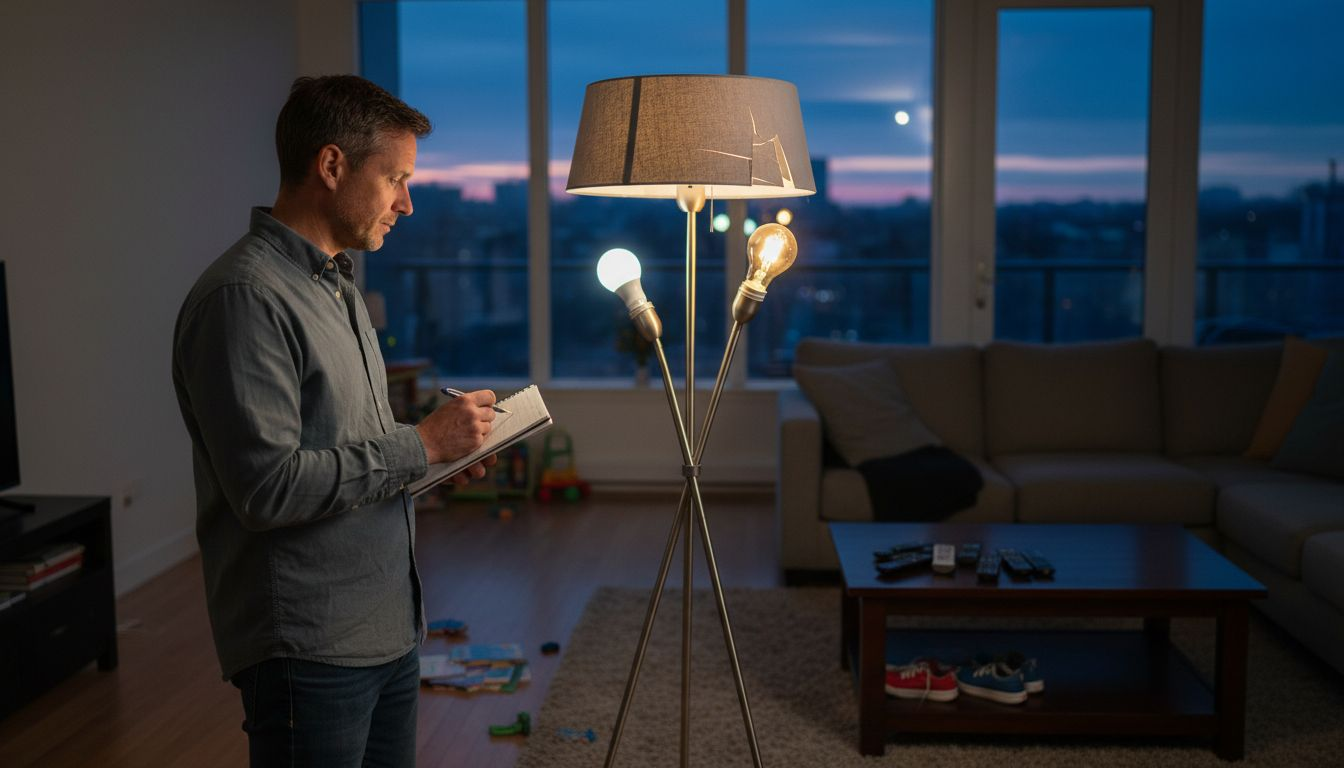
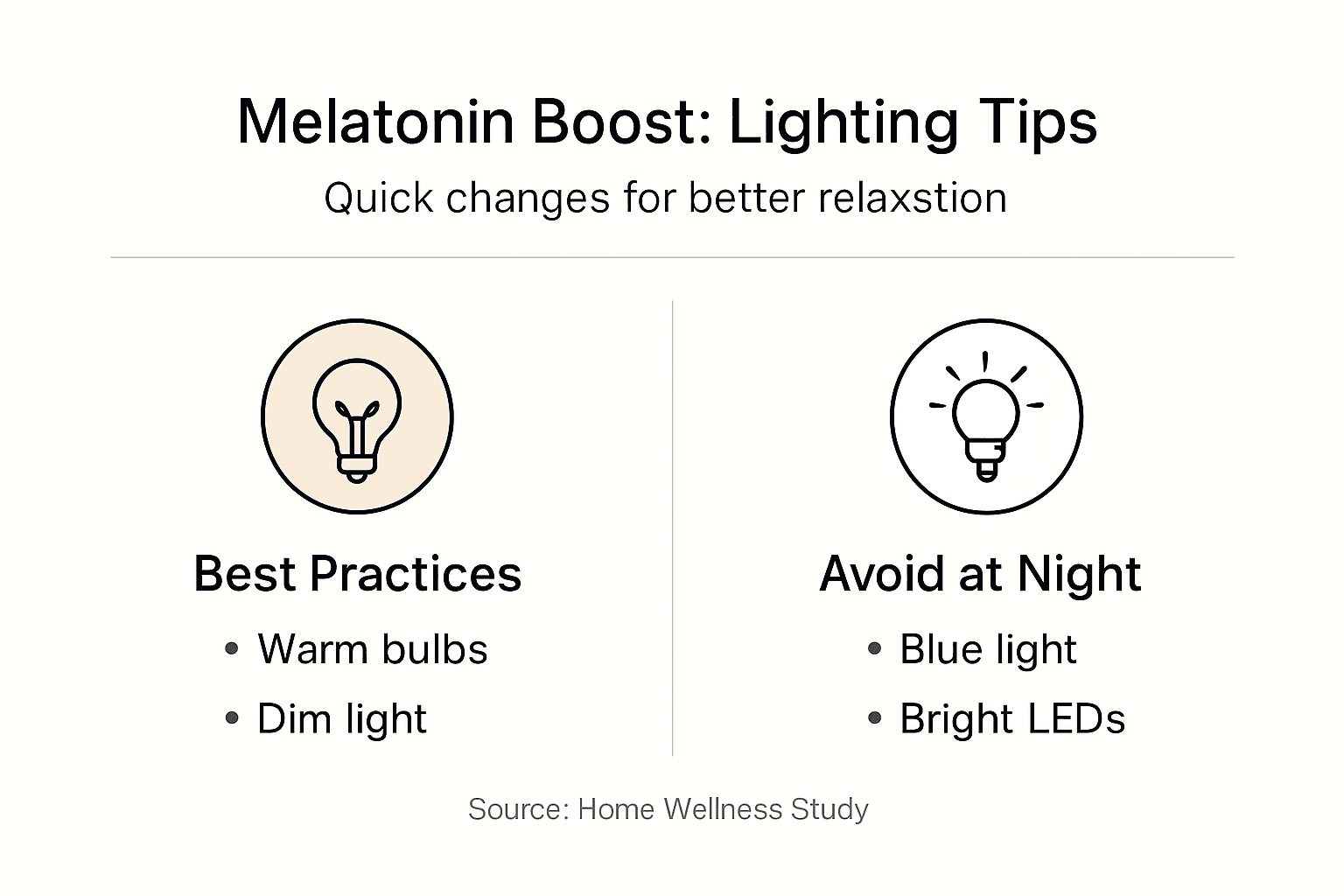
Implement warm, dim lighting in all evening spaces. Replace bulbs in living rooms, bedrooms, and bathrooms with warm white options rated 2200-2700K. Keep brightness under 100 lux in the 2-3 hours before sleep. This simple change aligns with your circadian biology and promotes natural melatonin secretion.
Dynamic lighting systems that adjust color temperature from cool in the morning to warm in the evening align with natural circadian rhythms, improving relaxation and sleep quality. These systems automatically shift throughout the day, removing the need for manual adjustments while delivering optimal wavelengths at each time.
Control and customization matter significantly. Install dimmer switches or use smart bulbs that allow you to adjust both brightness and hue. This flexibility lets you personalize lighting based on activities, mood, and individual sensitivity. Some evenings you might want slightly brighter light for hobbies, while other nights you prefer minimal illumination.
You face a choice between static warm bulbs and smart circadian systems. The table below compares key factors to help you decide which approach fits your needs:
| Feature | Static Warm Bulbs | Smart Circadian Systems |
|---|---|---|
| Initial cost | $3-8 per bulb | $150-400 for starter system |
| Customization | Fixed warm temperature | Adjustable color and brightness |
| Automation | Manual switching only | Scheduled automatic transitions |
| Installation complexity | Simple bulb replacement | Requires hub and app setup |
| Ongoing maintenance | Replace bulbs every 2-5 years | Software updates, occasional troubleshooting |
| Effectiveness for relaxation | High if consistently used | Very high with optimized scheduling |
Regularly review and adjust your lighting as your schedule and sensitivity change. What works perfectly in summer might need modification in winter when daylight hours shift. Creating a relaxation zone involves ongoing attention to your environment, including periodic lighting reassessment.
Practical optimization steps:
- Audit evening lighting sources and note color temperatures above 3000K that need replacement
- Install warm bulbs (2200-2700K) in all spaces used 2-3 hours before sleep
- Add dimmer controls to main evening areas for personalized brightness adjustment
- Position task lighting carefully to illuminate specific activities without flooding rooms with bright light
- Consider smart circadian systems if budget allows and you’re comfortable with technology setup
- Test and refine settings based on your subjective relaxation experience and sleep quality
Explore additional at-home comfort tips and review the comprehensive stress relief guide for strategies that complement your lighting improvements.
Pro Tip: Start with bedroom and bathroom lighting first. These spaces have the most direct impact on pre-sleep routines and hormonal preparation for rest.
Technological innovations supporting relaxation through lighting
Smart circadian lighting systems represent a significant advancement in home wellness technology. These systems automatically adjust color temperature and intensity throughout the day, shifting from energizing cool blue-white morning light (5000-6500K) to relaxing warm amber evening light (2200-2700K). You set your schedule once, and the system handles transitions seamlessly.
Personalization reaches new levels with current smart lighting platforms. You can program individual preferences for different family members, adjust settings for shift work schedules, or create custom scenes for activities like reading, meditation, or yoga. This adaptability ensures your lighting supports relaxation regardless of your specific routine or sensitivity.
Integration with other wellness-focused smart home devices amplifies benefits. Circadian lighting systems connect with sleep trackers, meditation apps, and environmental sensors to create coordinated relaxation environments. When your meditation app starts a session, lighting automatically dims and warms. When your sleep tracker detects you’re winding down, the system transitions to minimal warm illumination.
User interfaces have become remarkably intuitive. Modern systems offer simple smartphone controls that let you adjust hue, brightness, and timing with a few taps. Voice control through popular assistants adds hands-free convenience. These easy-to-use interfaces remove technical barriers, making evidence-based lighting accessible to adults of all tech comfort levels.
Innovations supporting relaxation include:
- Automated color temperature shifts that mirror natural daylight patterns without manual intervention
- Geofencing that adjusts lighting based on your location, preparing your home before you arrive
- Biometric integration that responds to measured stress levels or sleep quality from wearable devices
- Gradual wake-up sequences using slowly brightening warm light to ease morning transitions
- Scene customization for specific activities optimized for relaxation and recovery
Learn more about home wellness advantages and explore home spa concepts that incorporate smart lighting into comprehensive relaxation environments. Understanding 6 essential types of wellness devices for recovery helps you build an integrated approach to home wellness.
Discover the best lighting solutions for your relaxation
You now understand how lighting influences your body’s relaxation systems and sleep quality. Ready to transform your home into a wellness sanctuary? Lunix offers cutting-edge recovery and comfort solutions designed to integrate seamlessly into your daily life.

Our carefully curated recovery wellness devices combine smart technology with thoughtful design to help your body restore and relax naturally. From lighting solutions to complementary wellness tools, we’ve created everything you need to build your personalized relaxation environment. Explore detailed step-by-step relaxation techniques and access our personalized relaxation guide to optimize your results. Take control of your wellness today with solutions backed by science and designed for real life.
Frequently asked questions about the role of lighting in relaxation
What color temperature is best for relaxation lighting?
Warm color temperatures between 2200-2700K provide optimal support for relaxation and melatonin production. This range mimics the warm glow of sunset and candlelight, signaling your body to begin its natural wind-down process without suppressing the hormones that facilitate sleep.
Can I use blue light devices safely in the evening?
Blue light devices are fine during daytime hours when they enhance alertness and mood. In the evening, minimize screen time 2-3 hours before bed or use blue-blocking features and night mode settings to reduce melatonin suppression. Brief checking of devices with these protections causes less disruption than extended exposure to unfiltered blue light.
How does aging affect lighting needs for relaxation?
Adults 40-65 experience increased circadian sensitivity to blue wavelengths, meaning evening light exposure disrupts melatonin and sleep quality more severely than in younger adults. You’ll likely need warmer evening lighting (2200-2500K range) and stricter avoidance of blue-rich sources to maintain optimal relaxation and hormonal balance.
Is complete darkness necessary for restful sleep?
Complete darkness isn’t required for most people to achieve quality sleep and relaxation. Dim warm light under 50 lux at 2700K suppresses melatonin by less than 5%, allowing practical nighttime activities without significant hormonal disruption. Focus on eliminating bright and cool-toned light rather than achieving total blackout conditions.
What smart lighting features help improve relaxation?
Automated color temperature scheduling delivers the most significant relaxation benefits, shifting from cool morning light to warm evening tones that align with your circadian rhythm. Look for systems offering easy dimming controls, customizable scenes for different activities, and integration with other wellness devices to create coordinated relaxation environments throughout your home.
Recommended
- Create a Relaxation Zone: Cut Stress by 25% in 2 Weeks – Lunix
- Why Prioritize Relaxation: 30% Cortisol Drop Boosts Health – Lunix
- How Light Affects Your Beauty Sleep (And What to Do About It) – Lunix
- 7 At-Home Comfort Tips for Better Relaxation and Recovery – Lunix
- How to Encourage Pet Relaxation Naturally at Home – Teddy Pet
- The 24-Hour Wellness Routine All Women Should Start (For Energy, Calm – Asli Nutrition