


After a long day of juggling work, family, and daily tasks, feeling tension in your neck, shoulders, or back is all too common for many American adults. This invisible stress can slowly drain your energy, disrupt sleep, and make recovery feel out of reach. Muscle relaxation goes beyond a short stretch or massage—it triggers real changes like slower breathing, a lower heart rate, and calmer nerves. Here, you will discover proven techniques to help your body truly unwind and recover, making stress relief part of your everyday wellness.
Table of Contents
- What Muscle Relaxation Really Means
- Types and Techniques for Effective Muscle Relaxation
- How Muscle Relaxation Supports Recovery
- Physical, Mental, and Emotional Health Benefits
- Risks of Neglecting Muscle Relaxation
- Practical Strategies for Daily Relaxation
Key Takeaways
| Point | Details |
|---|---|
| Muscle Relaxation is Essential | Engaging in muscle relaxation shifts the body from stress to calm, promoting significant physiological changes such as lowered heart rate and reduced blood pressure. |
| Progressive Muscle Relaxation (PMR) is Effective | PMR helps increase awareness of muscle tension and allows for early recognition and release of tightness, preventing chronic pain. |
| Incorporate Multiple Techniques | Combining techniques like breathing exercises with PMR can enhance relaxation and improve overall effectiveness. |
| Consistency is Key | Regular practice of muscle relaxation techniques builds resilience to stress, making it easier to manage daily challenges. |
What Muscle Relaxation Really Means
Muscle relaxation isn’t just about feeling loose after a massage or stretching session. It’s a deliberate physiological shift that happens when your body transitions from the stress state into a state of calm. Your nervous system has two main gears: the sympathetic nervous system, which kicks in during stress and triggers that “fight-or-flight” response, and the parasympathetic nervous system, which handles “rest and digest” functions. When you practice muscle relaxation techniques, you’re essentially downshifting from that stressed gear into a calmer one. This shift brings measurable changes in your body. Your breathing slows, your heart rate drops, and your blood pressure decreases. These aren’t small changes either. Your muscles release the chronic tension they’ve been holding, often without you even realizing how tight they were.
One of the most effective ways to achieve this state is through progressive muscle relaxation (PMR), a technique where you deliberately tense and then release different muscle groups throughout your body. The brilliance of PMR lies in its simplicity: by intentionally creating tension, you become acutely aware of what tightness actually feels like. Then, when you release that tension, your body experiences the contrast deeply. This back-and-forth pattern trains your nervous system to recognize tension earlier and respond more effectively. Progressive muscle relaxation essentially resets your body’s tension baseline, helping you notice tightness before it becomes chronic neck pain, lower back strain, or shoulder knots that won’t quit. For adults aged 40 to 65, this awareness becomes increasingly valuable because the cumulative tension from decades of sitting at desks, driving, and managing stress tends to embed itself deeper into your muscle tissue.
Beyond PMR, muscle relaxation encompasses several other approaches. Autogenic training uses self-directed affirmations to prompt relaxation. Guided imagery asks you to mentally journey through calming scenes. Breathing exercises activate your parasympathetic response through conscious control of your breath. Biofeedback devices show you real-time data about your heart rate or muscle tension, helping you understand exactly which techniques work best for your body. What ties all these methods together is that they actively counter the physical stress response rather than simply ignoring it. They’re not passive. You’re engaging your body in a deliberate conversation, teaching it how to shift from tension to ease. When you’ve spent decades responding to deadlines, family responsibilities, and the general wear and tear of adult life, your body forgets what true relaxation actually feels like. These techniques remind it.
Pro tip: Start with just five minutes of progressive muscle relaxation before bed, focusing on your shoulders and neck where tension typically accumulates, and notice how much better you sleep that first night.
Types and Techniques for Effective Muscle Relaxation
When it comes to actually relaxing your muscles, you have options. Not every technique works the same way for every person, so understanding the different approaches helps you find what clicks with your body and schedule. The most widely studied and accessible method is progressive muscle relaxation, which involves systematically tensing and releasing muscle groups. This approach, developed by Dr. Edmund Jacobson in the early 1900s, remains popular because it’s simple and produces reliable results. You can practice it lying down or sitting, and the process takes just 10 to 20 minutes. What makes PMR particularly effective for adults managing years of accumulated tension is that it trains your awareness. By deliberately tightening your muscles first, you learn to recognize what tension actually feels like, making it easier to catch and release tightness before it becomes a chronic problem.
Beyond progressive muscle relaxation, several other relaxation techniques elicit similar responses in your body. Autogenic training uses mental commands and self-directed affirmations to trigger relaxation without the physical tensing component. Guided imagery takes you on a mental journey through calming environments while your body naturally releases tension. Controlled breathing exercises activate your parasympathetic nervous system through intentional breath patterns, often incorporating longer exhales than inhales. Biofeedback-assisted relaxation gives you real-time data about your heart rate or muscle tension, letting you see exactly how your relaxation techniques are working. These approaches share a common goal: they all trigger your body’s relaxation response, lowering your heart rate and blood pressure while reducing muscle tension. What sets them apart is their pathway. Some work primarily through your body, others through your mind, and some through a combination of both.
Complementary practices like yoga and tai chi also promote relaxation, though they operate differently than direct muscle relaxation methods. These movement-based practices combine physical activity with mindfulness, building strength while calming your nervous system. When choosing your approach, consider your lifestyle and preferences. Someone with a demanding job might prefer the structure and brevity of progressive muscle relaxation done at their desk. Another person might find that heat therapy for muscle relaxation and recovery works better as part of their evening routine. The reality is that consistency matters more than technique choice. Pick something you’ll actually do regularly, because even the most effective method won’t help if it stays on your to-do list instead of in your daily practice.
Pro tip: Try combining two techniques, such as progressive muscle relaxation followed by five minutes of controlled breathing, to deepen your relaxation response and discover which elements work best for your body’s needs.
Here’s a comparison of popular muscle relaxation techniques and their unique approaches:
| Technique | Core Approach | Main Benefit | Best For |
|---|---|---|---|
| Progressive Muscle Relaxation | Tensing/releasing muscle groups | Raises body tension awareness | Managing chronic muscle tension |
| Autogenic Training | Self-directed affirmations | Promotes emotional calm | Reducing stress and anxiety |
| Guided Imagery | Mental visualization | Engages relaxation via imagination | Improving mood and focus |
| Breathing Exercises | Controlled breath patterns | Activates nervous system calm | Fast relaxation anywhere |
| Biofeedback | Real-time monitoring devices | Tracks relaxation effectiveness | Personalized stress management |
How Muscle Relaxation Supports Recovery
Recovery is where the real magic happens. You can exercise, stretch, and push yourself hard, but without proper recovery, your body never fully repairs itself. This is where muscle relaxation becomes crucial. When you relax your muscles intentionally, you activate your parasympathetic nervous system, which shifts your body into healing mode. This activation does several important things simultaneously. Muscle relaxation reduces stress hormones and lowers muscle tension, which means your tissues can focus on repairing themselves rather than staying locked in a protective state. Your blood flow increases, delivering oxygen and nutrients to damaged muscle fibers. Your heart rate drops, your blood pressure decreases, and your body stops flooding itself with cortisol and adrenaline. For someone aged 40 to 65, this recovery process takes longer than it did in your thirties, which means being intentional about muscle relaxation moves from optional to genuinely important.
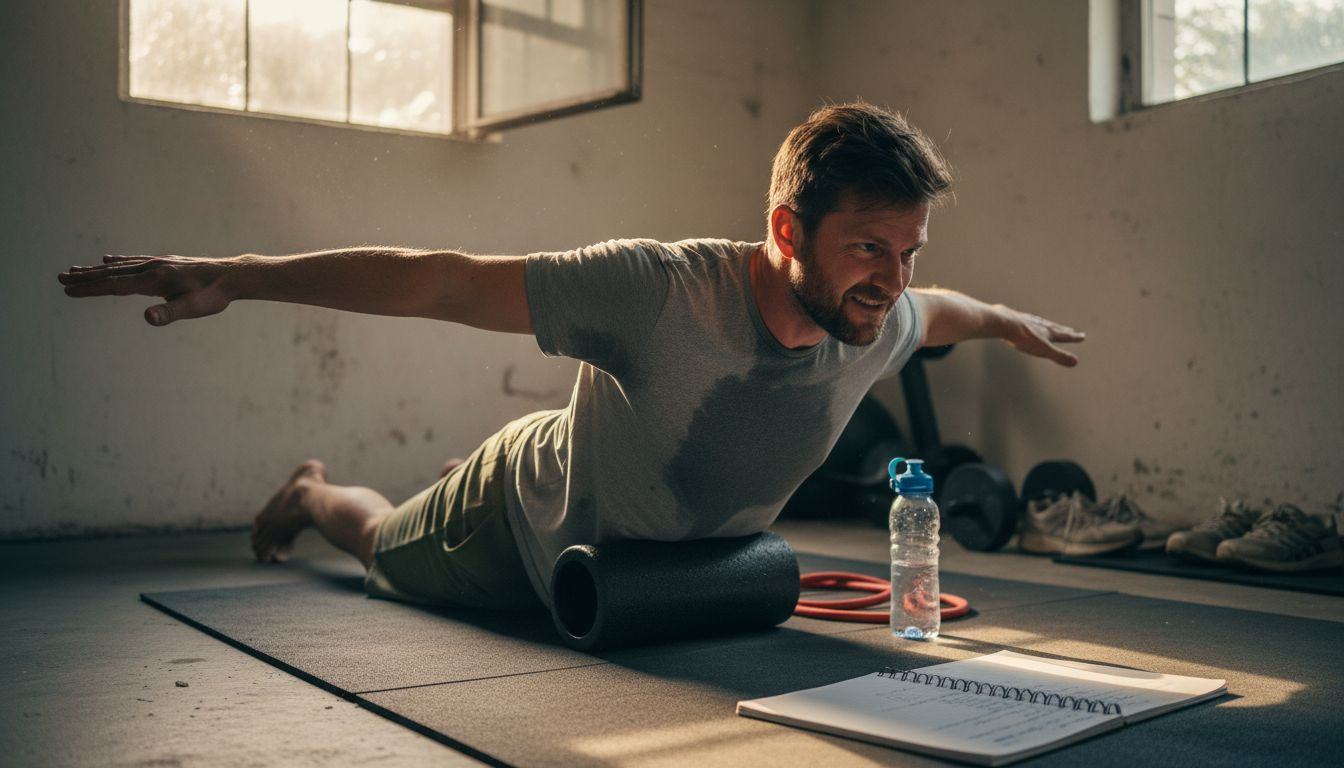
The connection between relaxation and recovery extends beyond just muscle tissue. When your nervous system remains in a constant state of alert because of unmanaged stress or tension, it produces elevated levels of stress hormones that actually slow down your body’s healing processes. By practicing muscle relaxation techniques, you actively interrupt this cycle. Activating your parasympathetic nervous system supports faster physiological restoration and improves overall resilience, allowing your body to bounce back more quickly from physical exertion or injury. This is particularly relevant if you’ve experienced any injuries or chronic pain. The relaxation response doesn’t just make you feel calmer. It literally gives your immune system the bandwidth to do its job without constant interference from stress signals. Your inflammation levels decrease, muscle soreness diminishes faster, and your overall recovery timeline compresses. This is why athletes and people managing injuries often combine their rehabilitation work with dedicated relaxation practices.
Consider what happens after a tough workout or a stressful day. Your muscles remain contracted, your nervous system stays ramped up, and your body struggles to transition into recovery. Progressive muscle relaxation counteracts this directly by systematically releasing that tension and signaling safety to your nervous system. The same applies after dealing with emotional stress or a demanding work situation. Your shoulders pull up toward your ears, your jaw clenches, and your lower back tightens. Without active relaxation, these patterns persist for hours or days, preventing real recovery. Adding quality sleep to your muscle recovery routine amplifies these effects. When you relax your muscles before bed, you sleep more deeply, which further accelerates tissue repair and hormonal balance. The combination creates a powerful synergy where relaxation prepares your body for sleep, and sleep completes the recovery process.
Pro tip: Spend ten minutes on muscle relaxation within two hours after a workout or stressful event to capitalize on your body’s readiness to shift into recovery mode and accelerate tissue repair.
Physical, Mental, and Emotional Health Benefits
Muscle relaxation isn’t compartmentalized. You don’t relax your body while your mind stays stressed or your emotions remain turbulent. When you engage in genuine muscle relaxation, you activate a cascade of benefits that ripple through every system in your body simultaneously. Start with the physical layer. Muscle relaxation reduces muscle tension and blood pressure while enhancing circulation, which directly counters the damage chronic stress inflicts on your cardiovascular system. Your shoulders stop hunching toward your ears. Your jaw unclenches. Your lower back releases its protective grip. These physical changes matter more than they initially seem because years of tension create movement restrictions, postural imbalances, and chronic pain patterns. By regularly practicing muscle relaxation, you’re essentially undoing decades of accumulated tension before it hardens into permanent structural problems. Your circulation improves, meaning your tissues get better oxygen delivery and toxins clear more efficiently. Your blood pressure drops, reducing strain on your heart and blood vessels. For someone in their forties, fifties, or sixties managing the accumulated physical demands of adult life, these changes translate into real, measurable improvements in how your body functions.
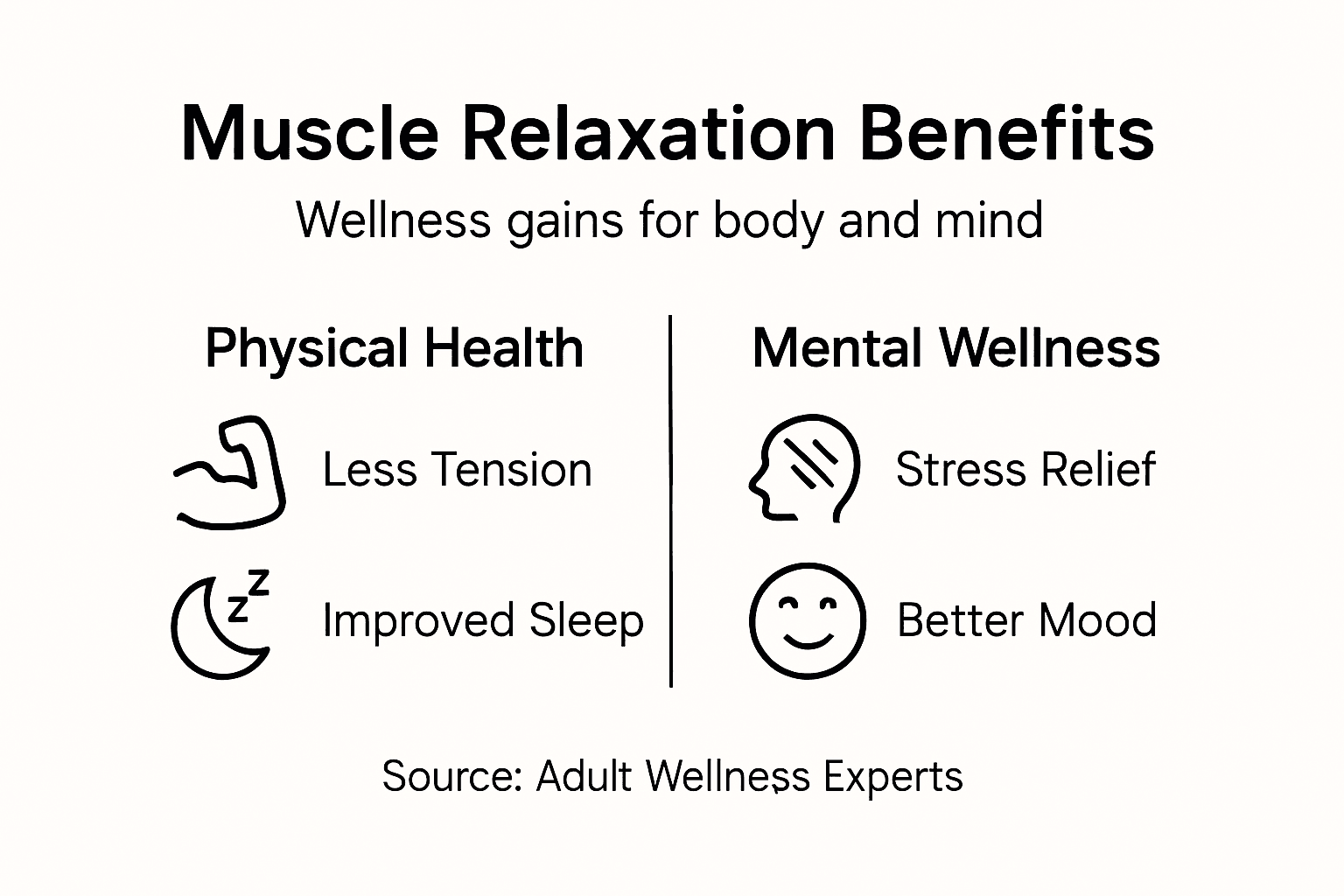
But the mental and emotional shifts are equally profound. Chronic muscle tension and stress feed each other in a vicious cycle. Your body tightens in response to stress, which signals danger to your brain, which creates more anxiety, which tightens your muscles further. Muscle relaxation breaks this cycle from the physical side. By releasing physical tension, you send safety signals to your nervous system, which reduces anxiety and depressive symptoms naturally. You’re not just thinking your way to calm. You’re literally rewiring your nervous system through bodily signals. This is why people often experience emotional shifts during or immediately after deep muscle relaxation sessions. The tension you’ve been carrying wasn’t just physical. It was storing emotional weight as well. When you release the physical holding pattern, the emotional charge often releases too. Your sleep quality improves dramatically because your nervous system finally quiets down long enough for your body to enter deep sleep stages. Your emotional regulation strengthens because you’re not constantly in a state of physiological alert. You develop better frustration tolerance, clearer thinking, and more stable moods.
These benefits compound when muscle relaxation becomes a consistent practice rather than an occasional intervention. Someone who practices progressive muscle relaxation three to four times weekly experiences cumulative effects that go beyond the immediate session. Your baseline stress level drops. Your resting heart rate decreases. You develop what researchers call “stress resilience,” meaning future stressful events don’t dysregulate you as severely. Your emotional responses become more measured. You notice tension patterns earlier and release them before they escalate into physical pain or emotional overwhelm. Many people find that combining muscle relaxation with other wellness practices like nature walks for mental clarity or mindfulness creates an even more robust wellness approach. The physical, mental, and emotional benefits reinforce each other, creating genuine holistic wellness rather than treating symptoms in isolation.
Pro tip: Track your sleep quality, energy levels, and stress perception for two weeks before starting muscle relaxation, then compare after four weeks of consistent practice to see the cumulative benefits clearly.
This summary highlights the physical, mental, and emotional benefits of regular muscle relaxation:
| Benefit Type | Key Impact | Long-term Effect |
|---|---|---|
| Physical | Lowers blood pressure | Reduces movement restrictions and pain |
| Mental | Decreases anxiety | Improves focus and decision-making |
| Emotional | Improves mood stability | Enhances resilience to future stress |
Risks of Neglecting Muscle Relaxation
What happens when you don’t prioritize muscle relaxation? Nothing catastrophic happens overnight. Instead, you experience a slow accumulation of consequences that compound over months and years. Your body operates in a perpetual state of low-level alert. Your sympathetic nervous system stays activated, meaning your stress hormones never fully decrease. Prolonged sympathetic nervous system activation from chronic stress causes muscle pain, headaches, digestion problems, and insomnia. That tension you carry in your shoulders doesn’t resolve itself. It becomes your new baseline. Your jaw stays clenched even when you’re not stressed. Your lower back remains tight, creating movement restrictions that force compensatory patterns in your hips and knees. These physical holding patterns eventually damage joint cartilage through uneven pressure distribution. You wake up with headaches more frequently. Your digestive system struggles because chronic stress diverts blood flow away from digestion. Your sleep quality deteriorates because your nervous system never signals safety to your body. For someone in their forties, fifties, or sixties, these effects accelerate because your body’s capacity to tolerate chronic stress decreases with age. What you could manage in your thirties becomes increasingly problematic in your fifties.
The psychological consequences are equally serious. Chronic muscle tension and anxiety create a reinforcing loop. Tight muscles send danger signals to your brain, which interprets that physical tension as evidence that something threatens you. Your brain responds by increasing anxiety, which tightens your muscles further. You experience what feels like generalized anxiety, but the original trigger was simply unresolved physical tension. Without muscle relaxation practices to interrupt this cycle, your anxiety baseline gradually increases. You become irritable more easily. Your mood destabilizes. You develop negative thought patterns not because you’re pessimistic by nature, but because your nervous system is locked in a stress-response mode that makes catastrophic thinking feel justified. Your emotional resilience erodes. Minor inconveniences feel overwhelming. Relationships suffer because you lack the emotional bandwidth to engage with others. You might even consider this your personality, when actually it’s your physiology screaming for relief.
The long-term health risks extend beyond discomfort into genuine disease risk. Chronic stress and unmanaged muscle tension contribute to elevated blood pressure, increased inflammation, weakened immune function, and accelerated aging at the cellular level. You become more susceptible to infections because your immune system operates in a constant state of partial activation, leaving it depleted and less effective. Your cardiovascular system works harder constantly, increasing your risk of heart disease. Managing pain becomes increasingly difficult because chronic tension pain feels different from acute pain. It wears on you psychologically in ways acute pain doesn’t. You might start relying on pain medications or other coping mechanisms that create their own complications. Understanding how stress affects your body and taking preventive action through regular muscle relaxation is far more effective than trying to manage these consequences later. The good news is that this trajectory isn’t inevitable. Consistent muscle relaxation practice reverses many of these effects, even when they’ve accumulated over years.
Pro tip: Schedule muscle relaxation at the same time daily for 14 days, even if you feel fine, then notice how your baseline energy, sleep quality, and mood shift when you commit to consistency rather than waiting until problems develop.
Practical Strategies for Daily Relaxation
Knowing that muscle relaxation matters is one thing. Actually making it happen consistently is another. The difference between understanding a concept and living it comes down to strategy. You need an approach that fits your actual life, not some idealized version of it. Practicing progressive muscle relaxation for 10 to 20 minutes in a quiet, comfortable environment free from distractions enhances results, but the timing and setup matter enormously. Most people fail at relaxation practices not because the techniques don’t work, but because they try to fit them into unrealistic circumstances. You don’t need a perfectly silent room or an elaborate setup. You need consistency. Choose a time when you can realistically unplug for 15 minutes most days of the week. Early morning before your household wakes up works for many people. Right before bed works for others. Right after lunch in a quiet corner at work works for some. The location matters less than the commitment. Your bedroom, a comfortable chair in your living room, or even your parked car during a lunch break all qualify. The key is removing obvious distractions. Put your phone on silent. Close the door if you can. Tell people around you that you need 15 minutes undisturbed. This act of boundary setting signals to your nervous system that you’re serious about this.
Start with a simple progressive muscle relaxation routine. Sit or lie down comfortably. Begin with your feet, tense them for five seconds, then release and notice the difference. Move systematically upward through your calves, thighs, glutes, lower back, abdomen, chest, hands, arms, shoulders, neck, and face. Coordinate your breathing with this process. Inhale as you tense a muscle group, exhale as you release. This breathing coordination deepens the relaxation response. You might feel nothing special during your first session. That’s normal. Your nervous system needs training to recognize and respond to this signal. By your third or fourth session, you’ll notice the shift more clearly. By the second week, you’ll start anticipating that calm state because your body learns to associate the practice with relief. Don’t wait until you’re overwhelmed to practice. Consistency builds your resilience baseline. Someone who practices muscle relaxation three to four times weekly experiences cumulative effects that make handling daily stress far easier. You’re essentially building stress tolerance before you need it.
Beyond dedicated sessions, identify and interrupt stress patterns early. You don’t need to wait for a formal relaxation practice. When you notice tension rising during your day, take two minutes for breathing exercises to activate your parasympathetic response. Simply breathe in for four counts, hold for four, exhale for six. The longer exhale activates your calming nervous system instantly. If you’re sitting at your desk and feel your shoulders climbing toward your ears, consciously tense them for five seconds, then release. Notice the difference. These micro-practices prevent small tensions from accumulating into bigger problems. Some people also find that mindfulness and meditation throughout their day creates consistent states of awareness that naturally prevent tension buildup. Others build a Sunday reset ritual into their week where they dedicate 30 minutes to deeper relaxation and assessment. The strategy that works is the one you’ll actually do. Pick an approach, commit to it for 14 days, then adjust based on what actually fits your life.
Pro tip: Set a recurring phone reminder for your chosen relaxation time, and treat it with the same respect you’d give a doctor’s appointment, because prevention through relaxation is healthcare.
Elevate Your Muscle Relaxation Routine with Lunix
The article highlights the growing challenge adults face with chronic muscle tension and stress that disrupts physical comfort and emotional balance. If you find yourself battling tight shoulders, restless nights, or persistent tension after long workdays or workouts, you are not alone. Techniques like progressive muscle relaxation are powerful, but pairing these with well-designed recovery tools amplifies the benefits. Lunix offers innovative solutions crafted to help your body rest deeply and repair efficiently in everyday settings.

Discover how smart recovery products from Lunix transform your relaxation practices into true wellness rituals. Whether you want to enhance your muscle recovery after exercise or create calming spaces to reset daily tension, our thoughtfully designed offerings seamlessly blend with your lifestyle. Take control of your health today to break the cycle of chronic stress and muscle tightness. Start experiencing better sleep, reduced anxiety, and improved physical function by exploring premium comfort essentials at Lunix. Make consistent muscle relaxation possible and feel the difference a dedicated approach can bring.
Frequently Asked Questions
What is muscle relaxation and why is it important?
Muscle relaxation is a physiological shift from a stressed state to a calm one, reducing muscle tension and activating the body’s healing response. It is important for overall wellness as it lowers blood pressure, decreases stress hormones, and enhances recovery processes.
How can I practice muscle relaxation techniques effectively?
You can practice muscle relaxation techniques such as progressive muscle relaxation (PMR), breathing exercises, and guided imagery. Start with a few minutes each day, focusing on tensing and relaxing different muscle groups or using mindfulness techniques to release tension.
What are the benefits of muscle relaxation for adults?
Muscle relaxation helps reduce muscle tension, lowers blood pressure, decreases anxiety, and improves overall mood and emotional regulation. It also supports faster recovery from physical exertion and enhances resilience to stress over time.
How does muscle relaxation contribute to better sleep?
Practicing muscle relaxation techniques helps calm the nervous system, signaling the body to prepare for sleep. This leads to better sleep quality by reducing tension and allowing the body to enter deeper sleep stages, crucial for recovery and overall health.
Recommended
- The Link Between Sleep and Muscle Recovery: Why Rest Is Just as Import – Lunix
- How Stress Affects Your Body and How to Manage It Naturally – Lunix
- The Science of Stretching: How Daily Stretches Can Transform Your Life – Lunix
- The Role of Hydration in Muscle Recovery: Sip Your Way to Stronger Mus – Lunix
- The Ultimate Guide to Magnesium Glycinate Supplements – Nutribliss Inc.