


A single 20 minute relaxation session can lower stress hormones by nearly a third. That dramatic cortisol reduction translates into measurable improvements across physical health, mental clarity, and daily well-being. For health conscious adults navigating demanding schedules, understanding why relaxation deserves priority status becomes essential. This article reveals the physiological mechanisms driving these benefits, dispels common misconceptions that block progress, and provides practical steps to integrate effective relaxation into your routine.
Table of Contents
- Understanding The Physiological Impact Of Stress And The Role Of Relaxation
- How Relaxation Improves Sleep Quality And Cognitive Function
- Common Misconceptions About Relaxation That Can Hold You Back
- Comparison Of Relaxation Techniques For Middle-Aged Health-Conscious Adults
- Practical Steps To Prioritize And Integrate Relaxation In Your Daily Routine
- Discover Lunix Wellness Solutions To Support Your Relaxation Journey
- Frequently Asked Questions About Prioritizing Relaxation
Key Takeaways
| Point | Details |
|---|---|
| Stress hormone reduction | Relaxation cuts cortisol by up to 30% within a single session, protecting cardiovascular and immune systems |
| Sleep quality improvement | Consistent relaxation practice enhances sleep quality by 25% within four weeks |
| Active versus passive methods | Active relaxation techniques produce stronger physiological benefits than passive rest alone |
| Anxiety reduction | Progressive muscle relaxation decreases anxiety by 40% after 12 weeks of regular practice |
| Routine adherence | Structured daily relaxation schedules achieve 75% adherence rates and maximize health outcomes |
Understanding the Physiological Impact of Stress and the Role of Relaxation
Chronic stress keeps your body in constant fight or flight mode. This prolonged activation triggers the hypothalamic pituitary adrenal axis, flooding your system with cortisol and adrenaline. Over time, elevated cortisol damages cardiovascular tissues, suppresses immune function, and increases systemic inflammation. These changes accelerate aging processes and raise risks for heart disease, diabetes, and cognitive decline.
Relaxation reverses this damage by activating the parasympathetic nervous system through vagal nerve stimulation. When you engage in deliberate relaxation, your vagus nerve sends signals that lower heart rate, reduce blood pressure, and decrease cortisol production. This shift allows your body to enter a restorative state where repair mechanisms can function optimally.
Research shows that vagus nerve activation reduces systemic inflammation markers and improves heart rate variability, both critical indicators of cardiovascular health. For middle aged adults, these protective effects become increasingly important as natural aging processes make the body more vulnerable to stress related damage.
Key physiological benefits include:
- Cortisol levels drop by up to 30% per relaxation session
- Inflammatory markers decrease significantly with consistent practice
- Blood pressure stabilizes through enhanced autonomic regulation
- Immune cell function improves as stress hormones normalize
Pro Tip: Understanding why muscle relaxation matters helps you recognize tension patterns before they escalate into chronic stress responses.
How Relaxation Improves Sleep Quality and Cognitive Function
Your brain performs critical maintenance during deep sleep stages. Relaxation practices extend the time you spend in slow wave sleep, the phase where neural connections consolidate and cellular repair accelerates. Studies show that consistent relaxation improves sleep quality by 25% within just four weeks.
Deep sleep allows your brain to clear metabolic waste products that accumulate during waking hours. This cleaning process protects against cognitive decline and supports memory formation. When stress disrupts sleep architecture, these restorative functions suffer, leading to mental fog, poor concentration, and memory lapses.
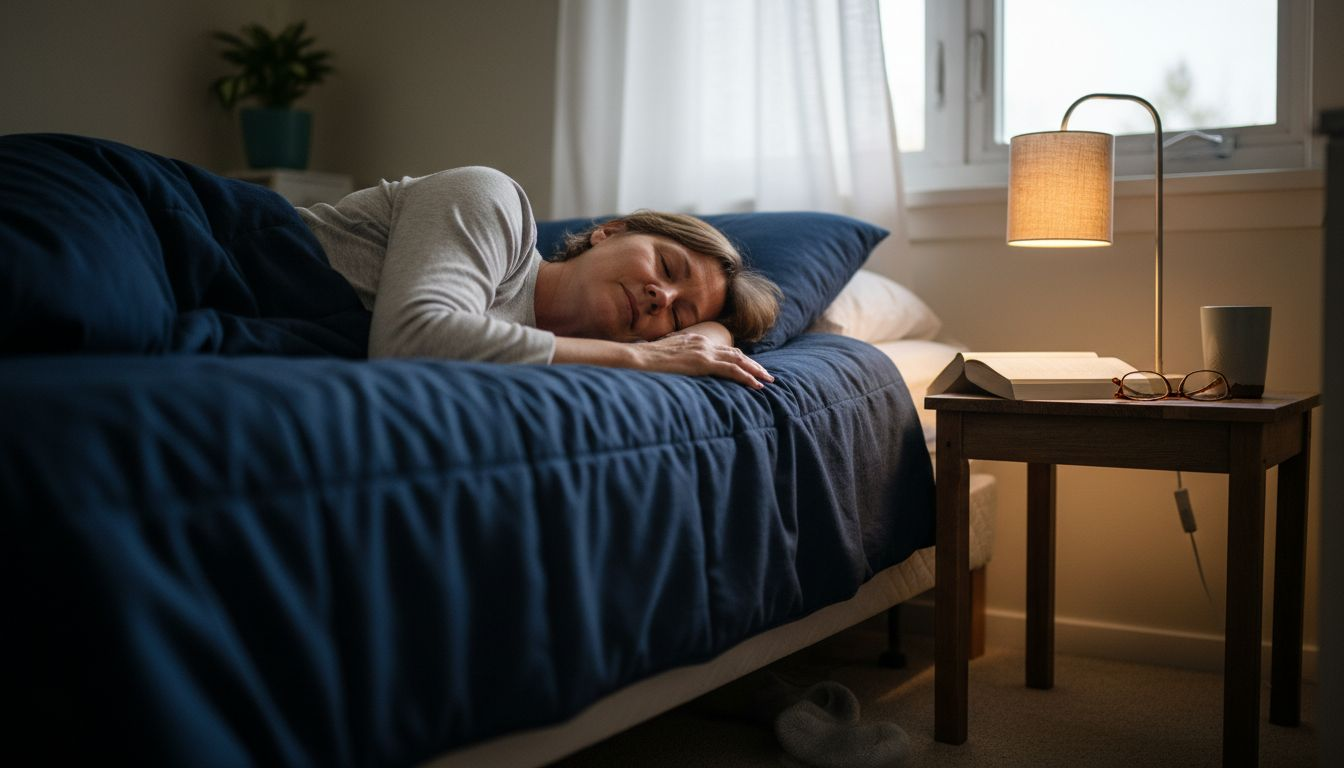
Relaxation practices also directly enhance cognitive performance during waking hours. Research demonstrates that regular relaxation improves executive attention and working memory by 10 to 15% after several weeks of consistent practice. These improvements reflect enhanced neural efficiency rather than temporary boosts.
Measurable cognitive benefits include:
- Working memory capacity increases as stress hormones decrease
- Attention span lengthens with improved prefrontal cortex function
- Processing speed improves through enhanced neural connectivity
- Decision making quality rises as mental clarity increases
The sleep cognition connection creates a positive feedback loop. Better sleep enhances next day cognitive function, making it easier to maintain relaxation practices. This consistency then further improves sleep quality, strengthening the cycle. For health conscious adults concerned about maintaining mental sharpness, this relationship makes understanding the role of relaxation routines essential for long term brain health.
Common Misconceptions About Relaxation That Can Hold You Back
Many people assume relaxation means lounging on the couch watching television. This passive approach provides minimal physiological benefit compared to active relaxation techniques. Research comparing active versus passive methods shows that guided meditation and similar practices increase heart rate variability by up to 15% while passive rest produces negligible changes.
Active relaxation engages both mind and body in deliberate practices that trigger specific physiological responses. Progressive muscle relaxation, guided imagery, and controlled breathing all require focused attention and physical participation. This engagement activates neural pathways and autonomic responses that passive activities cannot access.
Another widespread belief limits relaxation to mental health benefits alone. While stress reduction certainly improves mood and emotional regulation, relaxation produces equally important physical health improvements. The cortisol reduction and inflammation control achieved through regular practice protect against cardiovascular disease, metabolic dysfunction, and accelerated aging.
“The mind body connection works bidirectionally. Physical relaxation techniques reduce psychological stress just as mental relaxation practices lower physical inflammation markers.”
Key misconceptions that block effective practice:
- Believing relaxation requires extended time periods when brief 10 minute sessions provide measurable benefits
- Assuming passive activities like watching shows offer similar benefits to active techniques
- Thinking relaxation only addresses mental wellness while ignoring profound physical health impacts
- Expecting instant results rather than understanding benefits accumulate with consistent practice
Exploring mindfulness and meditation techniques reveals how active engagement produces superior outcomes compared to passive rest. Understanding these distinctions helps you select methods that deliver maximum benefit for time invested.
Comparison of Relaxation Techniques for Middle-Aged Health-Conscious Adults
Different relaxation methods produce distinct physiological effects at varying timescales. Selecting techniques that match your schedule, stress level, and health goals optimizes outcomes.
| Technique | Primary Benefit | Time to Effect | Session Duration | Best For |
|---|---|---|---|---|
| Deep Breathing | Acute cortisol reduction up to 30% | Immediate | 5 to 10 minutes | Quick stress relief during busy days |
| Guided Imagery | Improved heart rate variability | 2 to 4 weeks | 15 to 20 minutes | Autonomic nervous system regulation |
| Progressive Muscle Relaxation | 40% anxiety reduction | 12 weeks | 20 to 30 minutes | Chronic anxiety and muscle tension |
| Body Scan Meditation | Enhanced body awareness | 4 to 6 weeks | 15 to 25 minutes | Stress related physical symptoms |
Deep breathing exercises deliver the fastest measurable results. A single session can lower cortisol by up to 30%, making this technique ideal for acute stress management. The simplicity and brevity make deep breathing easy to integrate into packed schedules.
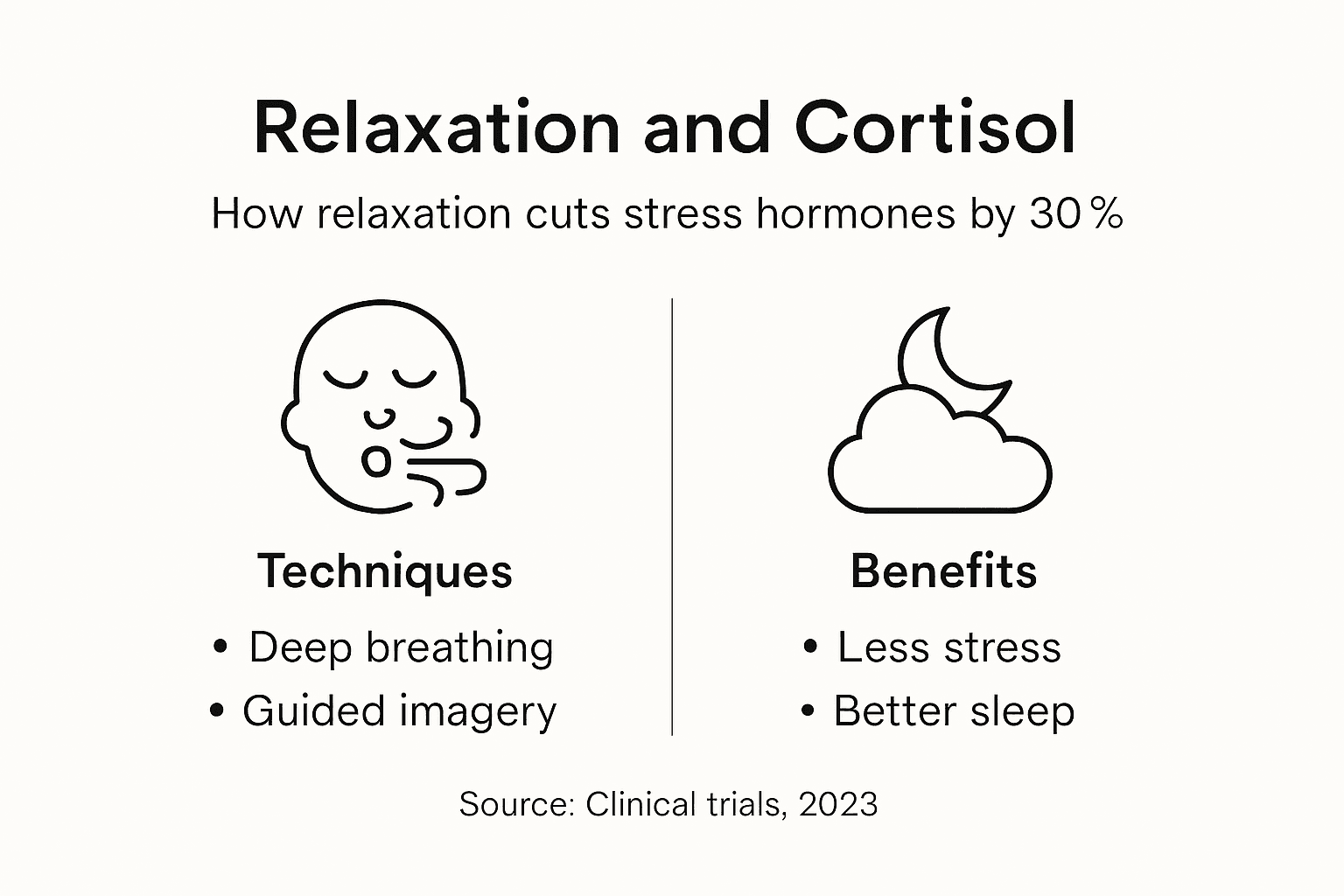
Guided imagery works faster than traditional mindfulness for improving heart rate variability. This metric reflects autonomic nervous system balance and predicts cardiovascular health outcomes. Sessions require moderate time investment but produce noticeable benefits within weeks.
Progressive muscle relaxation shows the strongest evidence for anxiety reduction. The 40% decrease observed after 12 weeks reflects structural changes in stress response patterns rather than temporary relief. This technique requires longer sessions and greater commitment but delivers sustained benefits.
Practical selection considerations:
- Match technique duration to available time windows in your schedule
- Choose active methods for physiological benefits over passive rest
- Combine quick techniques like breathing with longer practices for comprehensive coverage
- Rotate methods to prevent habituation and maintain engagement
Pro Tip: Start with step by step relaxation techniques that require minimal time investment, then gradually add longer practices as you experience benefits and build motivation.
Practical Steps to Prioritize and Integrate Relaxation in Your Daily Routine
Building sustainable relaxation habits requires structured planning rather than hoping to find spare moments. Research shows that scheduled routines with morning, midday, and evening sessions achieve 75% adherence rates and produce 30% stress reduction within weeks.
-
Morning activation: Practice 10 minutes of guided imagery or progressive muscle relaxation upon waking to set parasympathetic tone for the day. This early session primes your nervous system for better stress regulation.
-
Midday reset: Use 5 minute deep breathing exercises during lunch or afternoon breaks to counteract accumulated stress. Brief sessions prevent cortisol buildup rather than trying to reverse high levels later.
-
Evening wind down: Implement 15 to 20 minutes of body scan meditation or passive relaxation before bed to facilitate sleep onset and enhance deep sleep stages.
-
Track consistency: Use a simple log to record daily practice completion. Tracking builds accountability and reveals patterns in adherence.
-
Adjust based on response: Monitor subjective stress levels and sleep quality weekly. Modify techniques or timing if benefits plateau or schedule conflicts arise.
-
Combine active and passive methods: Balance effortful practices like progressive muscle relaxation with gentler techniques to prevent fatigue and maintain engagement.
The combination of active morning practices and passive evening routines optimizes both immediate stress relief and long term physiological adaptation. Active techniques require focused effort but produce stronger autonomic responses. Passive methods support relaxation without demanding concentration, making them ideal when mental energy runs low.
Pro Tip: Finding balance with self care means treating relaxation sessions as non negotiable appointments rather than optional activities you squeeze in when convenient.
Discover Lunix Wellness Solutions to Support Your Relaxation Journey
Transforming knowledge into consistent practice requires the right tools and guidance. Lunix offers recovery products specifically designed to enhance relaxation effectiveness and support your body’s natural restoration processes.

Our curated collection includes solutions that complement the relaxation techniques discussed throughout this article. From targeted muscle recovery tools to comfort innovations that create optimal relaxation environments, each product integrates seamlessly into daily routines. Explore our comprehensive stress relief guide for expert backed strategies that combine proven techniques with practical implementation advice. Access detailed relaxation techniques that guide you through each practice step by step, ensuring proper form and maximum benefit.
Frequently Asked Questions About Prioritizing Relaxation
What are the fastest relaxation techniques for busy schedules?
Deep breathing exercises deliver measurable cortisol reduction within 5 to 10 minutes, making them ideal for packed schedules. A single session can lower stress hormones by up to 30%, providing immediate relief without requiring extended time blocks.
How does relaxation affect inflammation and chronic disease risk?
Relaxation activates the vagus nerve, which directly reduces inflammatory markers throughout the body. Lower inflammation protects against cardiovascular disease, metabolic dysfunction, and accelerated aging processes that increase chronic disease risk.
Can relaxation improve memory and thinking skills?
Yes, regular relaxation practice enhances working memory and executive attention by 10 to 15% after several weeks. These improvements reflect enhanced neural efficiency and better prefrontal cortex function rather than temporary boosts.
How long before relaxation shows measurable health benefits?
Acute benefits like cortisol reduction appear within a single session. Sleep quality improvements typically manifest within four weeks of consistent practice. Structural changes such as anxiety reduction require 12 weeks of regular engagement to fully develop.
Are passive methods as effective as active relaxation techniques?
No, active relaxation techniques produce significantly stronger physiological responses. Guided meditation and similar practices increase heart rate variability by up to 15%, while passive rest like watching television generates negligible autonomic changes.