


Adults aged 40 to 65 often face mounting stress that drains focus and energy before the day begins. Research shows 30% cortisol reduction through relaxation practices can transform mornings. This guide presents a science-backed 15-minute routine combining mindful breathing, gentle movement, and environment optimization to help you reclaim calm, boost productivity, and start each day with clarity.
Table of Contents
- Prerequisites And Setting Up Your Relaxation Environment
- Step-By-Step Morning Relaxation Process
- Common Mistakes In Morning Relaxation And How To Fix Them
- Expected Outcomes And How To Measure Your Success
- Alternative Approaches And Safety Considerations
- Enhance Your Morning Relaxation With Lunix Recovery Products
- Frequently Asked Questions About Morning Relaxation
Key takeaways
| Point | Details |
|---|---|
| Morning relaxation combines breathing, stretching, and environment setup | A structured 15-minute routine reduces stress and sharpens focus for the entire day |
| Proper setup boosts effectiveness by up to 30% | Optimized lighting, quiet space, and minimal distractions maximize relaxation benefits |
| Skipping steps cuts stress relief by over 40% | Multitasking or rushing through the routine significantly reduces cortisol reduction |
| Regular practice improves mood and productivity by 15 to 20% within 4 weeks | Consistent daily routines deliver measurable cognitive and emotional improvements |
| Alternative methods suit those with physical limits | Visualization and progressive muscle relaxation offer similar stress relief without movement |
Prerequisites and setting up your relaxation environment
Your physical space directly impacts how well your body and mind release tension. Studies confirm environmental factors increase relaxation effectiveness by 30% when lighting, noise, and comfort align. Before starting any breathing or stretching, dedicate five minutes to preparing your space and yourself.
Choose a quiet corner where interruptions are minimal. Dim the lights or use soft natural light to signal your nervous system that it’s time to shift gears. If you live in a noisy area, use earplugs or play gentle white noise to buffer external sounds. Your goal is to create a bubble where your attention stays internal.
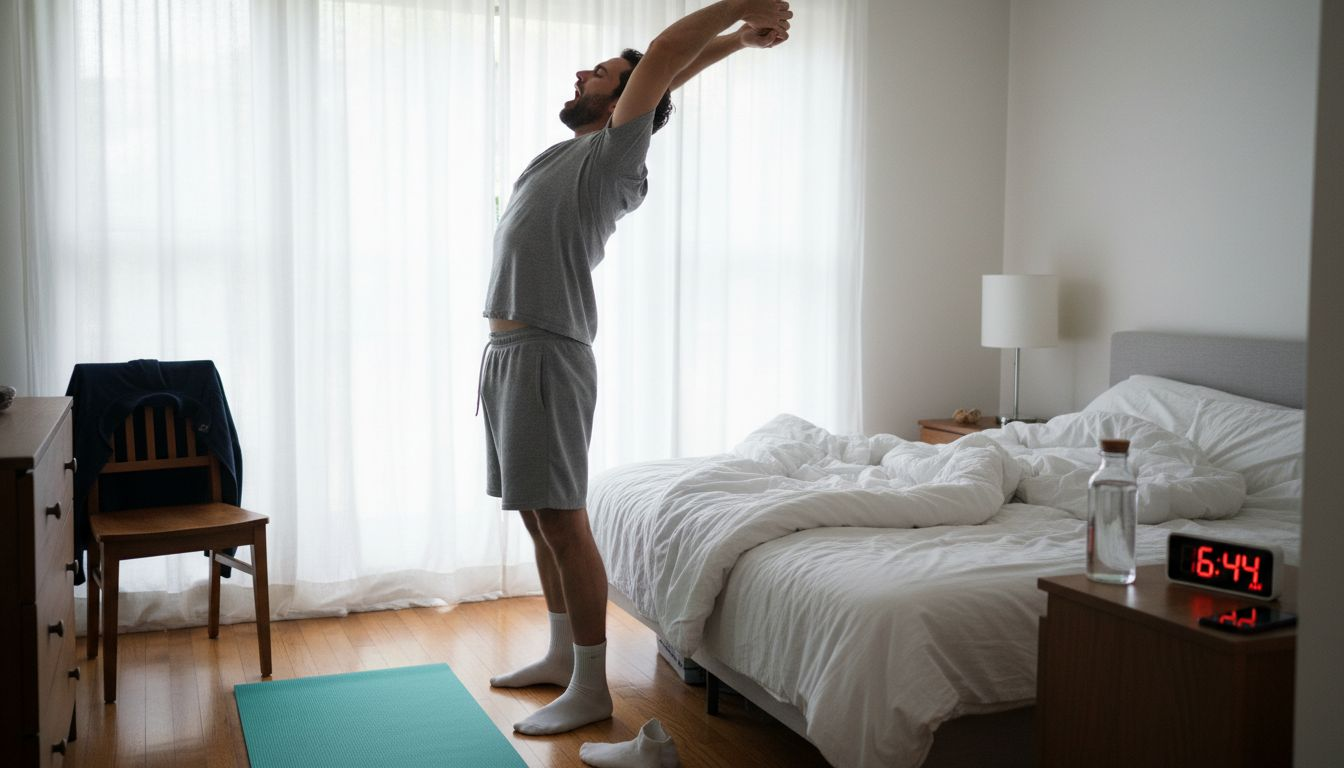
Gather simple equipment to support your routine. You’ll need a yoga mat or thick towel for floor exercises, a timer to track each phase without checking your phone, and optionally an aromatherapy diffuser with lavender or chamomile oil. Wear loose, breathable clothing that doesn’t restrict movement. Drink a glass of water before you begin, as hydration supports circulation and cognitive function.
Prepare mentally by setting a clear intention. Ask yourself what you want from the next 15 minutes: reduced tension, sharper focus, or simply a moment of peace. Turn off phone notifications and place devices out of reach. Distractions fragment attention and cut stress relief by more than half.
Pro Tip: Keep a small basket with your mat, timer, and essential oils in your relaxation corner so setup takes under two minutes each morning.
Here’s a quick checklist to optimize your environment:
- Quiet space with controlled lighting
- Yoga mat or cushioned surface
- Timer set for 15 minutes
- Water bottle within reach
- Phone on silent and out of sight
- Optional aromatherapy diffuser with calming scents
| Environmental Factor | Recommended Setting | Impact on Relaxation |
|---|---|---|
| Lighting | Dim or soft natural light | Reduces cortisol, signals rest mode |
| Noise Level | Minimal or white noise | Increases focus, lowers distraction |
| Temperature | 68 to 72°F | Comfortable range for breathing exercises |
| Seating/Surface | Yoga mat or cushioned floor | Supports posture, prevents discomfort |
For broader insights on how intentional spaces amplify wellness, explore resources on morning routines benefits and relaxation environment setup. If you have pets, consider natural relaxation environment tips to keep animals calm during your routine.
Step-by-step morning relaxation process
Once your space is ready, follow this five-step sequence designed to systematically calm your nervous system and prepare your body for the day. Each phase builds on the previous one, creating a seamless transition from tension to ease.
-
Prepare environment and hydrate (2 to 3 minutes). Confirm your space is quiet and free of distractions. Drink your glass of water and settle onto your mat. Take three slow breaths to signal your body that the routine has begun.
-
Mindful breathing exercises (5 minutes). Close your eyes and inhale deeply through your nose for a count of four, hold for four, then exhale through your mouth for six. This 4-4-6 pattern activates your parasympathetic nervous system. Research shows mindful breathing reduces cortisol by 20 to 25% in just 10 minutes. Repeat for five minutes, letting each exhale release accumulated stress.
-
Gentle stretching or yoga (5 to 10 minutes). Transition to simple stretches that target common tension zones: neck rolls, shoulder shrugs, seated spinal twists, and forward folds. Evidence confirms gentle stretching improves flexibility by 10 to 15% over six weeks while enhancing circulation. Move slowly, syncing each motion with your breath. If you prefer yoga, try cat-cow stretches or child’s pose.
-
Optional aromatherapy (during stretching). If you have an essential oil diffuser, start it during your breathing phase. Lavender and chamomile scents can increase relaxation depth by approximately 25% when combined with mindful practices. The scent anchors your mind to the present moment.
-
Close with visualization or progressive muscle relaxation (3 to 5 minutes). Lie flat on your back, palms facing up. Visualize a peaceful scene, like a quiet beach or forest, engaging all your senses. Alternatively, tense and release each muscle group from toes to forehead, one at a time. Studies indicate brief 10-minute routines boost mood and cognition, so even a short closing phase delivers measurable benefits.
Pro Tip: Use the same sequence every morning. Consistency trains your nervous system to relax faster, cutting the time needed to reach deep calm by up to 30% after two weeks.
This structured approach draws from proven mindfulness techniques and step by step relaxation techniques that fit seamlessly into busy schedules. For additional guidance on balancing self-care with daily demands, explore related resources. You can also customize the routine using a personalized relaxation guide tailored to your specific stress triggers.
Common mistakes in morning relaxation and how to fix them
Even with the best intentions, small errors can sabotage your routine’s effectiveness. Here are the most frequent pitfalls and practical fixes to keep your practice on track.
Rushing through steps or multitasking. Checking emails or planning your day while stretching fragments your attention. Data shows multitasking reduces stress relief by more than 40%. Fix this by setting a dedicated 15-minute window where your only job is relaxation. Put your phone in another room and tell household members you’re unavailable.
Skipping the mindful breathing warm-up. Jumping straight into stretching without controlled breathing leaves your nervous system in high-alert mode. Your muscles won’t release tension as effectively. Always start with at least three minutes of 4-4-6 breathing to activate your parasympathetic response.
Failing to hydrate before starting. Dehydration reduces blood flow to muscles and brain, making relaxation harder to achieve. Drink eight ounces of water before you begin. If you notice headaches or sluggishness during your routine, lack of hydration is often the culprit.
Inconsistency in routine timing. Practicing sporadically trains your body to expect unpredictability, which increases baseline stress. Set a recurring alarm for the same time each morning. Use calendar reminders or habit-tracking apps to build the routine into your schedule automatically.
Pro Tip: If you miss a day, don’t skip the next morning to compensate. Simply resume your regular schedule. Consistency matters more than perfection.
For readers dealing with morning stiffness fixes, addressing these mistakes becomes even more critical. Explore broader insights on the benefits of relaxation routines to understand how small adjustments compound over time.
Expected outcomes and how to measure your success
Understanding what to expect and when keeps you motivated through the initial adjustment period. Morning relaxation delivers benefits on multiple timelines, from immediate cognitive boosts to long-term physiological changes.
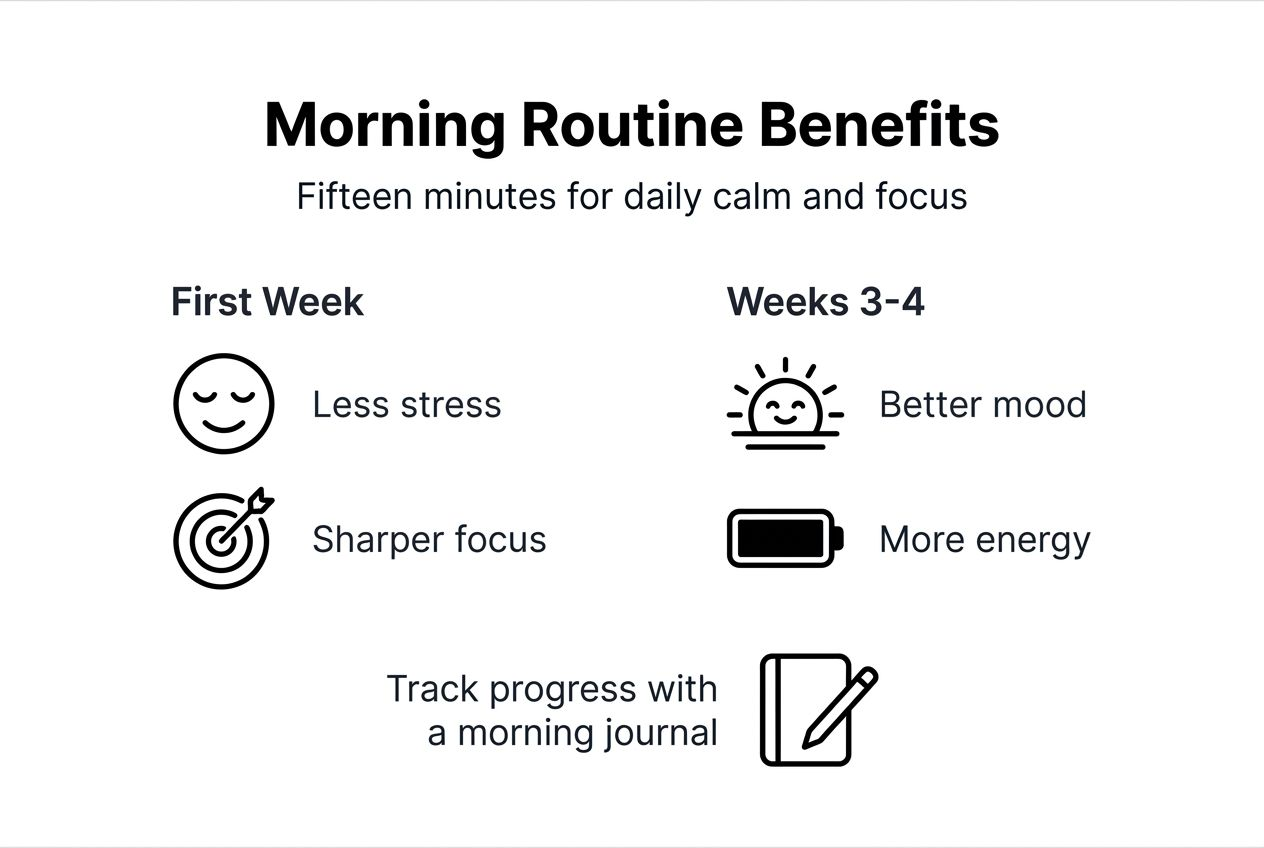
In the first week, you’ll notice sharper focus and reduced morning anxiety. Research confirms cognitive benefits and stress reduction within 1 week of consistent practice. Your ability to handle unexpected stressors improves as your baseline cortisol drops.
By weeks three to four, measurable mood and productivity gains emerge. Studies document 15 to 20% improvements in mood and productivity after four weeks of daily morning relaxation. You’ll find it easier to stay present during conversations and tackle complex tasks without mental fatigue.
Physiological markers like heart rate variability may also improve. HRV reflects how well your nervous system adapts to stress. Higher HRV correlates with better emotional regulation and cardiovascular health. Track this using a fitness tracker or smartphone app if you want quantitative feedback.
To measure progress, keep a simple journal. Rate your morning stress level from 1 to 10 before and after each session. Note energy levels, focus quality, and mood at midday and evening. After two weeks, review your entries to spot patterns.
Pro Tip: Take a baseline measurement in week one, then reassess at weeks four and eight. Visible progress fuels long-term commitment.
| Timeline | Expected Outcomes | Measurement Method |
|---|---|---|
| Week 1 | Reduced morning anxiety, sharper focus | Daily stress rating (1 to 10 scale) |
| Weeks 2 to 3 | Improved emotional regulation, fewer stress spikes | Mood tracking app or journal |
| Week 4 | 15 to 20% boost in mood and productivity | Weekly self-assessment, task completion rates |
| Weeks 6 to 8 | Enhanced HRV, sustained energy through day | Fitness tracker HRV data, energy logs |
For a comprehensive approach to tracking wellness, consult a detailed stress relief guide that integrates multiple metrics.
Alternative approaches and safety considerations
Not everyone can perform physical stretches or yoga poses comfortably. Fortunately, effective alternatives exist that deliver similar stress relief without demanding flexibility or strength.
Guided visualization involves mentally immersing yourself in a calming scene while seated or lying down. Picture a beach, forest, or mountain meadow, engaging sight, sound, smell, and touch in your imagination. This method reduces stress similarly within 15 minutes and suits those with limited mobility.
Progressive muscle relaxation (PMR) systematically tenses and releases muscle groups without stretching. Start with your toes, squeeze for five seconds, then release completely. Move upward through calves, thighs, abdomen, chest, arms, and face. PMR works well for individuals with joint pain or arthritis.
Each approach offers tradeoffs. Physical stretching provides the added benefit of improved circulation and flexibility. Visualization requires strong mental focus but zero physical strain. PMR combines body awareness with relaxation but takes practice to master the tension-release rhythm.
Safety reminders:
- Avoid dehydration by drinking water before and after your routine
- Never force stretches beyond comfortable range of motion
- Stop immediately if you feel sharp pain or dizziness
- Consult a healthcare provider if you have cardiovascular conditions, chronic pain, or recent injuries before starting any new relaxation practice
| Method | Time Required | Physical Demand | Best For |
|---|---|---|---|
| Mindful Breathing + Stretching | 15 minutes | Low to moderate | General stress relief, flexibility goals |
| Guided Visualization | 10 to 15 minutes | None | Limited mobility, mental focus |
| Progressive Muscle Relaxation | 15 to 20 minutes | Very low | Joint pain, arthritis, anxiety |
For readers seeking tailored options, explore personalized relaxation options that match your physical capabilities and preferences.
Enhance your morning relaxation with Lunix recovery products
Building a powerful morning routine is just the beginning. Lunix offers a curated collection of recovery products designed to deepen your relaxation and support long-term wellness. From smart heat therapy devices to ergonomic comfort solutions, each product integrates seamlessly into your daily ritual.

Imagine pairing your breathing exercises with targeted heat therapy that soothes tight muscles before you even start stretching. Our recovery line helps your body restore faster, amplifying the stress relief you’ve already built into your mornings. Whether you’re looking to enhance circulation, ease chronic tension, or simply create a more luxurious self-care experience, Lunix transforms your space into a personal wellness station.
Explore the full range of smart recovery solutions at Lunix and discover how thoughtful design elevates your health routine from functional to exceptional.
Frequently asked questions about morning relaxation
How long should my morning relaxation routine be for best results?
Aim for 15 to 20 minutes daily. Research shows significant cortisol reduction and cognitive benefits occur within 10 to 15 minutes of mindful practice. Consistency matters more than duration, so a focused 15-minute routine outperforms sporadic 30-minute sessions.
Can I do this routine if I have limited mobility or pain?
Absolutely. Guided visualization and progressive muscle relaxation deliver similar stress relief without physical movement. Both methods reduce anxiety and tension within 15 minutes and are ideal for individuals with arthritis, chronic pain, or joint issues. Always consult your healthcare provider before starting any new wellness practice.
What if I miss a day or can’t do the full routine?
Don’t compensate by doubling up the next day. Simply resume your regular schedule. If time is tight, prioritize the five-minute breathing phase over stretching, as controlled breathing delivers the fastest cortisol reduction. Even a shortened routine maintains momentum better than skipping entirely.
Is aromatherapy necessary or optional?
Aromatherapy is optional but enhances relaxation depth by about 25% when combined with breathing and stretching. Lavender and chamomile are evidence-backed choices. If you dislike scents or have allergies, the core breathing and movement phases still deliver full stress-relief benefits.
How soon will I notice improvements in my stress and productivity?
Most people report reduced morning anxiety and sharper focus within one week. Measurable mood and productivity gains, around 15 to 20%, typically appear after three to four weeks of consistent daily practice. Track your progress with a simple journal to spot changes you might otherwise overlook.
Recommended
- Stress Relief Guide 2026: Master Effective Daily Relaxation – Lunix
- Step by Step Relaxation Techniques for Stress Relief – Lunix
- Create a Relaxation Zone: Cut Stress by 25% in 2 Weeks – Lunix
- The Magic of Morning Routines: How Starting Your Day Right Impacts You – Lunix
- Stretch Therapy - Nowak Orthopedic Associates
- Night Routine Step by Step: 4 Steps Boost Hydration 30%