


TL;DR:
- True home restoration addresses root causes of indoor issues, not just surface fixes.
- Prioritize source control, improve ventilation, and add filtration step-by-step for lasting results.
- Moisture management and aging-in-place upgrades are key to safety and long-term comfort.
You’ve patched the ceiling, bought an air freshener, and called it done, only to find the same problems creeping back months later. Sound familiar? Many homeowners in their 40s, 50s, and 60s run into this frustrating cycle of surface-level fixes that never quite solve the real issue. True home restoration is not about cosmetic repairs or temporary solutions. It’s about addressing the root causes of discomfort, poor air quality, and physical strain so your home can genuinely support your health and happiness for years to come.
Table of Contents
- How to set your restoration priorities: The core framework
- Moisture and mold: Fast action for lasting results
- Energy, HVAC, and water systems: Boost comfort and efficiency
- Aging in place and safety: Restoration with future-proof benefits
- A smarter approach: Why quick fixes rarely deliver lasting restoration
- Take the next step: Restore and revitalize your home with expert support
- Frequently asked questions
Key Takeaways
| Point | Details |
|---|---|
| Address root causes first | Always fix leaks, moisture, and pollutant sources before trying ventilation or filtration upgrades. |
| Act quickly after water events | Dry or remove wet items within 24–48 hours to prevent costly mold and structural problems. |
| Prioritize regular system checks | Schedule annual energy, HVAC, and plumbing maintenance to boost comfort, safety, and efficiency. |
| Upgrade for future needs | Incorporate accessibility features to make your home comfortable and safe as you age. |
| Measure to confirm improvements | Use humidity and air quality monitors to see real progress from your restoration strategies. |
How to set your restoration priorities: The core framework
With the challenge in focus, the next step is building a foundation based on what actually works. Not all restoration strategies deliver equal results, and knowing where to start saves you time, money, and effort.
The EPA’s indoor air quality strategies identify three fundamental approaches for healthier homes: Source Control, Improve Ventilation, and Air Cleaners/Filtration. These three pillars work together in a stepwise way, and skipping straight to air cleaners without addressing the source is like mopping a floor while the faucet is still running.
Here’s how to apply the framework in practice:
- Source control first. Find and fix the origin of pollutants. This includes sealing off moisture entry points, removing mold-prone materials, stopping gas leaks, and eliminating chemical sources like certain paints or adhesives.
- Improve ventilation second. Open windows strategically, install exhaust fans in kitchens and bathrooms, and consider mechanical ventilation systems for tighter, newer homes.
- Add filtration as support. High-quality air filters and air cleaners are valuable tools, but they work best as a supplement to the steps above, not a replacement.
- Take a stepwise approach. Tackle one area at a time. Starting everywhere at once leads to scattered results and makes it harder to measure what’s actually working.
When you approach optimizing home comfort with this kind of structured thinking, you give every upgrade a clear purpose. The air optimization process in a healthy home is sequential and deliberate, not random. Following these steps consistently is what separates homes that genuinely improve from those that keep cycling through the same problems.
Stat to know: Poor indoor air quality affects millions of American homes and can contribute to headaches, fatigue, and respiratory issues. Source control is consistently ranked as the most effective first step.
Moisture and mold: Fast action for lasting results
Once you have a framework, moisture control stands out as the most time-sensitive priority on your list. Water damage does not wait, and neither does mold. If you’ve ever dealt with a musty smell that just won’t go away, chances are moisture is still lurking somewhere in your walls, floors, or ventilation system.
Speed is everything here. Wet materials should be dried within 24 to 48 hours after a water event to prevent mold growth. Once mold takes hold, cleanup becomes far more involved, and the health implications become more serious, especially for anyone with allergies or respiratory conditions.
Follow these steps in order when dealing with a moisture event:
- Remove standing water immediately. Use wet/dry vacuums, mops, or a sump pump depending on volume.
- Run dehumidifiers and fans. Keep interior humidity between 30% and 50% to discourage mold.
- Pull up wet carpets and padding. These materials absorb water quickly and rarely dry out fully when left in place.
- Check hidden areas. Inside walls, under flooring, and in crawl spaces are common places where moisture hides.
- Discard what cannot be cleaned. Porous materials like drywall, insulation, and ceiling tiles that remain wet for more than 48 hours often need to go.
One of the most common mistakes homeowners make is treating visible mold as a paint problem. Painting or caulking over mold does not solve the issue. The mold remains active underneath, and the problem resurfaces, usually worse. Contaminated materials that cannot be fully dried and cleaned must be removed entirely.
Better yet, invest in better ventilation in high-moisture areas. Bathroom exhaust fans, range hoods in kitchens, and crawl space vents all help keep humidity from building up in the first place. Pair this with a reliable hygrometer (a simple tool that measures humidity) so you always know what’s happening in your home’s air.
For a thorough look at improving indoor air quality alongside moisture management, combining ventilation upgrades with humidity monitoring creates a strong, lasting defense.
Pro Tip: Place a small hygrometer in your basement and bathroom. If readings consistently climb above 55%, it’s time to investigate ventilation or a persistent moisture source before mold gets a foothold.
Energy, HVAC, and water systems: Boost comfort and efficiency
After tackling moisture and mold, the next highest-impact strategies target your home’s energy, air, and water systems. These upgrades often go overlooked because the problems they create are gradual, like slowly rising utility bills or a heating system that works just hard enough to take the edge off without really delivering comfort.
A DIY home energy assessment is a smart starting point. Walk through your home on a windy day with a lit incense stick or a candle near windows, doors, and electrical outlets. Moving smoke or flame tells you where air is leaking out (or in). These gaps quietly drain your energy budget and compromise indoor comfort year-round.
| System | Key Action | Expected Benefit |
|---|---|---|
| Attic insulation | Seal and add insulation | Lower heating and cooling bills |
| HVAC unit | Annual professional inspection | Longer system life, cleaner air |
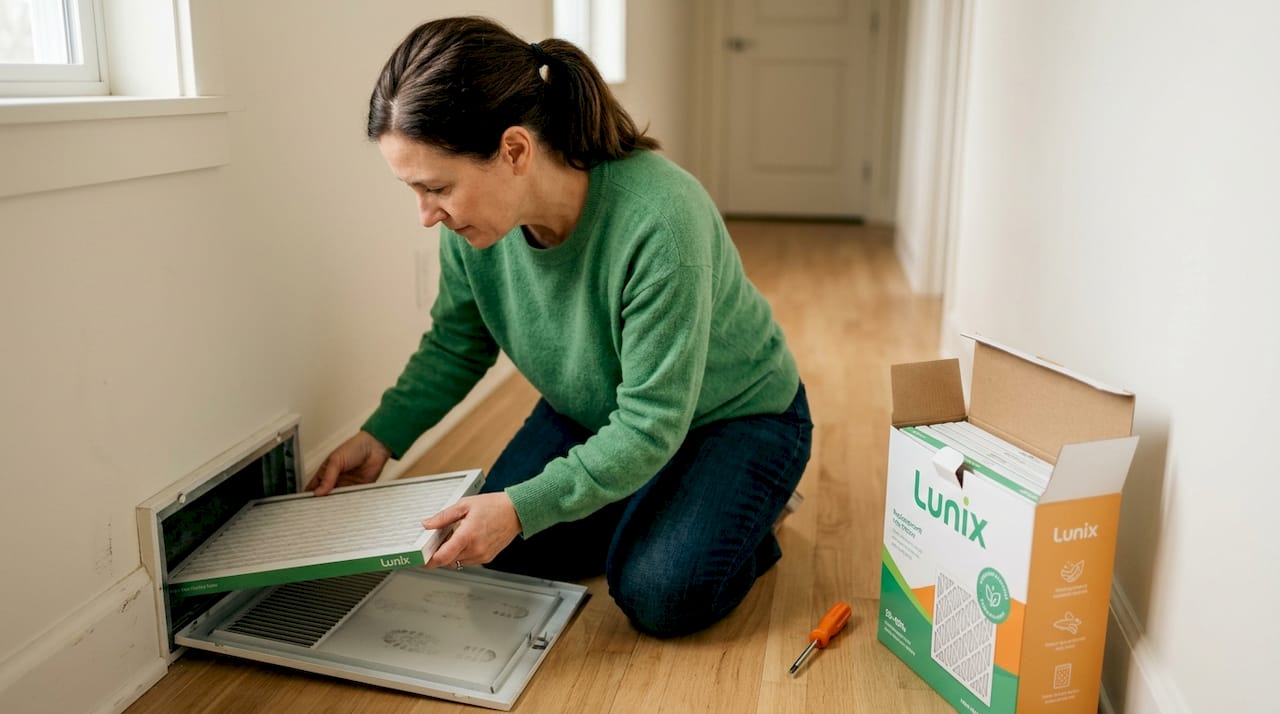
| Air filters | Replace every 1 to 3 months | Better air quality, less strain on system |
| Windows and doors | Weatherstripping and caulk | Reduced drafts, better temperature control |
| Water heater | Flush sediment annually | More efficient heating, longer lifespan |
Sealing and insulating the attic and walls consistently ranks among the highest-return home improvements you can make. These upgrades reduce heat loss in winter and keep cool air inside during summer, making your living spaces noticeably more comfortable without touching the thermostat.
Here are the core actions worth prioritizing:
- Seal gaps and cracks around windows, doors, plumbing penetrations, and electrical outlets using caulk or weatherstripping.
- Schedule annual HVAC inspections to catch issues before they become expensive failures or affect air quality.
- Clean or replace air filters on schedule, every one to three months depending on your system and household.
- Flush your water heater once a year to remove sediment buildup and keep it running efficiently.
- Check for plumbing leaks under sinks and around toilets at least twice a year, since small drips compound into big moisture problems.
Explore an air purification checklist to layer air quality improvements on top of these mechanical upgrades. And when considering home comfort upgrades, pairing good filtration with a well-maintained HVAC system is one of the most powerful combinations available to homeowners.
Pro Tip: Change your HVAC filter at the start of every season and write the date on the filter itself with a marker. This simple habit keeps your air cleaner and extends the life of your system significantly.
Aging in place and safety: Restoration with future-proof benefits
Beyond core mechanical systems, restoration means planning for how your needs may shift over time. If you’re in your 40s or 50s, this may feel premature. But the homeowners who enjoy the greatest comfort in their 60s and 70s are almost always the ones who made thoughtful modifications earlier.
Aging-in-place upgrades are not about giving up independence. They’re about protecting it. Common modifications like grab bars in bathrooms, no-threshold showers, accessible entryways, and main-floor laundry dramatically reduce fall risk and physical strain. Many of these upgrades also increase your home’s resale value and appeal to a broader range of future buyers.
Here’s a room-by-room snapshot of what to consider:
- Bathroom: Install grab bars near the toilet and shower, add a shower seat, and consider a no-threshold (zero-entry) shower to eliminate trip hazards.
- Entry and hallways: Widen doorways where possible (36 inches is the accessibility standard), add lever-style door handles, and improve exterior lighting.
- Kitchen: Lower one section of countertop for seated tasks, install pull-out shelves in lower cabinets, and use touchless or lever-style faucets.
- Laundry: Move laundry to the main floor if possible to eliminate stair-climbing with heavy loads.
- Lighting: Add motion-sensor night lights in hallways, bathrooms, and stairwells to reduce nighttime fall risk.
| Upgrade | Cost range | Benefit |
|---|---|---|
| Grab bars (bathroom) | $50 to $200 each | Prevents falls, improves confidence |
| No-threshold shower | $1,000 to $5,000 | Eliminates step hazard, improves access |
| Lever door handles | $30 to $100 each | Easier for arthritic hands |
| Motion sensor lighting | $20 to $80 per fixture | Reduces nighttime fall risk |
| Main-floor laundry conversion | $2,000 to $8,000 | Eliminates stair hazard with loads |
These are investments that pay dividends in safety, independence, and daily comfort. Pair them with healthy aging restoration tips and explore home sanctuary ideas to create spaces that genuinely nurture your well-being at every stage.
Pro Tip: Contact your local Area Agency on Aging. Many offer free home safety assessments and can connect you with low-cost modification programs specifically for homeowners 40 and older.
A smarter approach: Why quick fixes rarely deliver lasting restoration
Here’s the part most home improvement articles skip over. They’ll show you the list of upgrades, walk you through the steps, and leave you feeling ready to act. But they rarely tell you why the same homes keep having problems, even after multiple rounds of repairs.
The answer is almost always the same: the root cause was never corrected.
A new coat of paint hides the water stain but not the leak behind it. A plug-in dehumidifier manages symptoms but doesn’t stop moisture from entering through a foundation crack. An air freshener makes your nose happy for an hour while airborne particulates continue circulating. These fixes deliver the feeling of restoration without the substance of it.
Even thorough mold cleaning is not enough if the underlying moisture source is not corrected. The mold returns. Every time. This is not a failure of effort. It’s a failure of strategy.
True restoration means measuring your progress with real tools. A hygrometer, an indoor air quality monitor, and annual professional inspections give you objective data. They tell you whether your home has actually improved or whether it just looks better on the surface. This kind of informed, evidence-based approach is what makes the difference between a home that keeps needing fixes and one that stays resilient.
Restoration is also not a project with a finish line. It’s an ongoing practice. Filters need replacing. Seals wear out. Systems age. The homes that hold up best are the ones where owners stay engaged, check in regularly, and make small adjustments before small problems become expensive ones.
Exploring functional home comfort through this lens shifts the mindset from “fix it and forget it” to “invest and maintain,” which is ultimately a healthier and more economical way to approach where you live.
Take the next step: Restore and revitalize your home with expert support
Understanding what actually works puts you miles ahead of most homeowners. Now it’s about having the right tools and support to follow through. Lunix is built for people who take their comfort and well-being seriously, with thoughtfully designed solutions that make real restoration feel accessible, not overwhelming.

From recovery products that support daily physical restoration to resources curated specifically for adults 40 and older, Lunix bridges the gap between healthy home environments and healthy bodies. Whether you’re addressing a specific comfort challenge or building a broader wellness routine at home, our expert recovery products are designed to support you at every stage. Your home should work for you, and we’re here to help make that happen.
Frequently asked questions
What is the number one priority after a leak or flood?
Dry all wet materials and remove standing water within 24 to 48 hours to prevent mold growth and structural damage.
How can I improve indoor air quality quickly at home?
Start by fixing the sources of pollutants, then increase ventilation, and use air cleaners as extra support. The EPA recommends source control as the most effective first step.
Are air filters enough for healthy home restoration?
Air filters help significantly but should be paired with source control and proper ventilation. Filtration alone is a supplementary measure, not a complete solution.
What restoration upgrades help with aging in place?
Installing grab bars, no-threshold showers, and accessible home features like lever handles and improved lighting enhances both safety and long-term independence.
How often should home heating and cooling systems be checked?
Annual HVAC inspections and regular filter replacements every one to three months maintain healthy air and keep your system running efficiently.
Recommended
- Create your home sanctuary: a guide to wellness and relaxation – Lunix
- Top Body Restoration Tips for Adults 40+: Recover Faster – Lunix
- 7 Key Advantages of Home Wellness for Enhanced Living – Lunix
- Why home wellness matters: insights for better living 2026 – Lunix
- Spot the signs of poor air quality for a healthier home - Coway Water Purifier