


TL;DR:
- Proper hydration is essential as thirst signals weaken with age, affecting muscle repair and recovery.
- Consistent sleep routines and active recovery strategies significantly enhance healing after workouts over 40.
- Regular strength, power, and balance training can slow age-related muscle loss and improve resilience.
After 40, your body doesn’t bounce back the way it used to. A tough workout that once left you sore for a day can now sideline you for three. That’s not weakness — it’s biology. Muscle repair slows, inflammation lingers longer, and hormonal shifts change how your body responds to stress. The good news is that recovery science has caught up. With the right strategies, you can train smarter, feel better, and stay active well into your 60s and beyond. This article walks you through eight practical, evidence-backed recovery tips tailored specifically for adults aged 40 to 65.
Table of Contents
- Hydrate strategically for optimal recovery
- Make the most of active and restorative recovery
- Prioritize restorative sleep and routine
- Eat for repair: Nutritional strategies that work
- Strength, power, and balance: Exercise your way to resilience
- Why consistency trumps perfection in physical recovery after 40
- Upgrade your recovery routine with trusted tools
- Frequently asked questions
Key Takeaways
| Point | Details |
|---|---|
| Hydration is vital | Older adults must drink more water on a schedule because thirst cues decline with age. |
| Rest and active days | Plan 1–2 rest days a week and use low-impact movement for faster overall recovery. |
| Food timing matters | Eating protein and carbs soon after exercise speeds muscle repair. |
| Strength training protects | Regular strength and balance work fights muscle and bone loss after 40. |
| Consistency wins | Building sustainable habits beats aiming for perfection in recovery routines. |
Hydrate strategically for optimal recovery
To build a solid recovery foundation, start with the most overlooked yet essential element: your hydration strategy. Most adults assume they drink enough water. But as you age, your body’s thirst signals weaken, and your total body water naturally declines. By the time you feel thirsty, you may already be mildly dehydrated.
For active adults over 40, hydration is critical because the body’s ability to signal fluid needs diminishes with age. The general guideline is simple: drink 2 cups of water before any workout, 1 cup every 15 minutes during activity, and replace fluids lost through sweat afterward.
Why does this matter for recovery specifically? Water is the medium for cellular repair. It carries nutrients into muscle tissue, flushes out waste products from exercise, and helps regulate body temperature. When you’re even slightly dehydrated, every one of these processes slows down.
Here’s what underhydration looks like in practice:
- Persistent headaches after workouts
- Unusual fatigue that doesn’t resolve with rest
- Muscle cramps during or after exercise
- Slower healing from minor strains or soreness
- Brain fog or difficulty concentrating
Understanding hydration in muscle recovery goes beyond just drinking more water. Electrolytes like sodium, potassium, and magnesium also play a role in how well your muscles contract and recover.
Pro Tip: Keep a water bottle on your nightstand, your desk, and your gym bag. Out of sight really does mean out of mind when it comes to hydration.
Make the most of active and restorative recovery
Once you’ve nailed hydration, your next leverage point is how you rest and move between workouts. There’s a big difference between full rest, active recovery, and overtraining — and most people over 40 don’t realize how much that distinction matters.
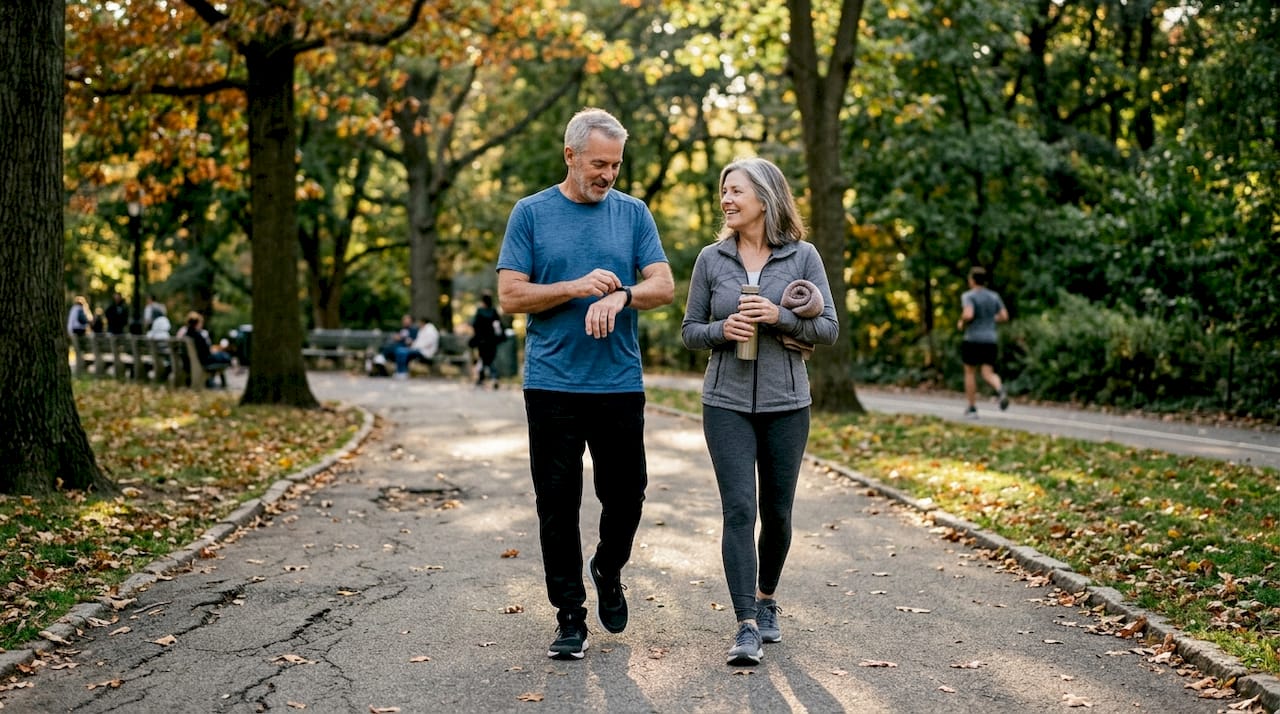
Full rest means no structured exercise. Active recovery means light, low-impact movement that keeps blood flowing without adding physical stress. Overtraining means pushing hard again before your body has had time to repair.
Here’s how to structure your week for smarter recovery:
- Schedule 1 to 2 full rest days each week, especially after high-intensity sessions.
- Use active recovery days for walking, gentle yoga, swimming, or light stretching.
- Avoid back-to-back high-intensity workouts. Consecutive high-intensity sessions can extend recovery time from 36 hours to 58 hours in older adults.
- Listen to your body’s energy signals, not just your training calendar.
- Rotate muscle groups so no single area is taxed two days in a row.
“With the right balance of rest and movement, injury rates in adults over 50 drop by as much as 29%.”
Active recovery also improves circulation, which speeds up the delivery of oxygen and nutrients to tired muscles. You can learn more about how massage supports recovery as a complementary tool alongside movement. And if you’re coming back from an injury or procedure, these principles also apply to recovery after physical therapy.
Pro Tip: Keep a simple daily log rating your energy (1 to 10) and soreness level. After two weeks, patterns will emerge that help you fine-tune your rest and activity balance.
Prioritize restorative sleep and routine
Besides movement, nothing impacts recovery as much as what you do when you’re not moving: sleep. This is where your body does its most important repair work.
During deep sleep, your body releases growth hormone, rebuilds muscle tissue, and reduces systemic inflammation. Disrupted sleep or an erratic schedule doesn’t just leave you tired — it directly slows the physical repair process and increases post-exercise soreness.
“Sleep is the body’s repair workshop — and skipping it is like closing the factory during peak production.”
Research confirms that sleep quality is essential for managing the circadian rhythm and supporting full physical restoration, especially in adults over 40. The key isn’t just duration — it’s consistency.
Here’s a practical sleep routine checklist:
- Go to bed and wake up at the same time every day, including weekends
- Keep your bedroom cool (between 65 and 68 degrees Fahrenheit)
- Block out light with blackout curtains or a sleep mask
- Avoid screens for at least 60 minutes before bed
- Skip late-night caffeine and heavy meals
Understanding the link between sleep and muscle recovery can shift how you prioritize your evenings. After 40, a consistent 10:30 p.m. bedtime will do more for your recovery than an extra hour of late-night television ever will.
Eat for repair: Nutritional strategies that work
Recovery effectiveness also depends on your food and supplement strategy. What you eat after exercise isn’t just about refueling — it’s about giving your body the raw materials it needs to rebuild.
The most important nutrients for recovery include:
- Protein: Aim for 30 grams within 30 minutes post-exercise to support faster muscle repair.
- Carbohydrates: Replenish glycogen stores depleted during activity.
- Magnesium: Supports muscle contraction, relaxation, and overnight repair.
- Omega-3 fatty acids: Reduce exercise-induced inflammation.
- Vitamin D: Supports bone density and muscle function.
As Harvard Health notes, carbohydrates restore glycogen, magnesium supports contraction and repair, and omega-3s reduce inflammation — all critical for adults managing age-related muscle changes. Muscle mass is roughly 76% water, which reinforces why hydration and nutrition work together.
Here’s a quick reference for the best food sources:
| Nutrient | Best food sources | Easy meal combo |
|---|---|---|
| Protein | Eggs, Greek yogurt, chicken | Yogurt with berries post-workout |
| Carbohydrates | Oats, sweet potato, banana | Banana with almond butter |
| Magnesium | Leafy greens, nuts, seeds | Spinach salad with pumpkin seeds |
| Omega-3s | Salmon, sardines, walnuts | Salmon with roasted vegetables |
| Vitamin D | Fortified dairy, fatty fish | Tuna on whole grain toast |
For a deeper look at how peptides compare to proteins in supporting muscle recovery, there’s growing research worth exploring. And for a full breakdown of post-workout recovery nutrition, the timing and combination of these nutrients matters just as much as the quantity.
Strength, power, and balance: Exercise your way to resilience
Nutrition is only half the equation — the right kinds of exercise seal the deal. Adults over 40 face a real challenge called sarcopenia, which is the gradual loss of muscle mass at a rate of 1 to 3% per year after age 50 if left unchecked.
The solution isn’t to exercise less carefully — it’s to exercise more intentionally. Strength training 2 to 3 times per week preserves both muscle and bone density, directly countering age-related decline.
Here’s how different training types support your long-term resilience:
| Exercise type | Key benefit | Best practices |
|---|---|---|
| Strength training | Preserves muscle and bone | 2 to 3 sessions per week, full body |
| Power training | Improves speed and reaction | Step-ups, medicine ball throws |
| Balance training | Reduces fall risk | Single-leg stands, stability work |
| Flexibility work | Protects joints and range of motion | Daily stretching, yoga |
Power and balance work are often skipped, but they’re critical. Step-ups, lateral movements, and single-leg exercises train the neuromuscular connections that prevent falls — one of the most serious risks for adults over 60.
Building muscle recovery habits after 40 starts with technique before intensity. And supporting joint flexibility alongside strength ensures you can keep training without setbacks.
Start slow. Add load gradually. And prioritize form over weight every single time.
Why consistency trumps perfection in physical recovery after 40
Now that you know the practical strategies, here’s the reality that few articles mention: the biggest obstacle to recovery after 40 isn’t knowledge. It’s the all-or-nothing mindset.
Many people over 40 swing between intense training phases and complete inactivity. They follow a perfect program for six weeks, burn out, and stop entirely. Then the cycle repeats. This pattern is actually more damaging than a modest, consistent routine done year-round.
As Harvard Health research on age and muscle loss points out, disuse is a far greater driver of muscle decline than age itself. The body adapts to what you consistently ask of it. Eighty percent compliance over 12 months beats 100% effort for 6 weeks every time.
High-intensity training does drive adaptation, but it also demands longer recovery windows as you age. Chasing performance peaks without respecting those windows leads to injury, not progress. The smarter path is a sustainable rhythm: train hard enough to stimulate growth, recover fully, and repeat.
Tracking how you recover faster after workouts over time reveals more than any single session can. Look at trends in your mood, energy, and small wins — not just the numbers on a scale or a barbell.
Pro Tip: Commit to being consistent before being intense. A 30-minute walk every day will build more long-term resilience than a brutal workout twice a month.
Upgrade your recovery routine with trusted tools
You’ve got the strategies — now it’s time to put them into practice with the right support. Recovery isn’t just about what you do in the gym or at the dinner table. It’s also about the environment and tools you use to help your body restore between sessions.

At Lunix, we design smart comfort and recovery solutions that fit seamlessly into your daily life. Whether you’re looking for targeted support after a workout or tools that help you sleep and rest more effectively, our recovery tools are built with your body’s needs in mind. Explore the full range of Lunix wellness solutions and find what fits your routine, your space, and your goals.
Frequently asked questions
How much water should adults over 40 drink for effective recovery?
Aim for 2 cups before activity, 1 cup every 15 minutes during exercise, and replenish any fluids lost afterward through sweat.
What are the best foods to eat immediately after a workout?
Consume 30 grams of protein paired with carbohydrates within 30 minutes after exercising to support faster muscle repair and glycogen restoration.
How often should I include rest or active recovery days?
Include 1 to 2 rest days each week and alternate high- and moderate-intensity sessions to minimize injury risk and support full recovery.
Does sleep really impact physical recovery after 50?
Yes, quality sleep is when your body releases repair hormones and rebuilds tissue, making it one of the most important and often underestimated recovery tools available.
Is muscle loss after 40 inevitable?
No. Regular strength training combined with power and balance work can significantly slow or even prevent age-related muscle loss when practiced consistently.
Recommended
- How to Speed Up Recovery After Physical Therapy or Surgery – Lunix
- The Secret to Recovering Faster After a Tough Workout – Lunix
- 5 Ways to Support Your Body During Long-Term Illness or Bed Rest – Lunix
- Muscle Recovery: Why It Matters After 40 – Lunix
- 6 Key Mushroom Nutrition Benefits for Better Wellness – LongevityBotanicals
- How peptides aid healing for faster recovery and skin health