


Many homeowners struggle with inconsistent temperatures, drafty rooms, and energy bills that climb without warning. These discomforts disrupt daily living and signal underlying inefficiencies in your home’s systems. Optimizing home comfort isn’t just about adjusting the thermostat. It involves strategic upgrades to air sealing, insulation, HVAC systems, humidity control, and smart technologies. This guide delivers practical, evidence-backed solutions to transform your living space into a haven of consistent comfort while reducing energy waste. Following these strategies improves your well-being and home efficiency simultaneously.
Table of Contents
- Key takeaways
- Preparing your home for optimized comfort
- Upgrading heating, ventilation, and air conditioning (HVAC) systems
- Leveraging smart thermostats and humidity control for dynamic comfort
- Verifying improvements and maintaining your comfortable home
- Explore solutions to enhance your comfort and recovery at home
- Frequently asked questions
Key Takeaways
| Point | Details |
|---|---|
| Air sealing first | Air sealing reduces energy waste and makes insulation more effective, with a payback of one to three years. |
| Seal major leaks | Attic floor and rim joists are common leaky zones and should be sealed first to prevent conditioned air loss. |
| Use proper sealing materials | Spray foam handles large gaps, caulk seals small cracks, and weatherstripping protects moving components to create a complete air barrier. |
| Humidity matters | Keeping indoor humidity in the range of fifty to sixty five percent improves comfort and health. |
| Holistic upgrades | Integrated improvements across air sealing insulation HVAC and humidity control deliver lasting comfort and energy savings. |
Preparing your home for optimized comfort
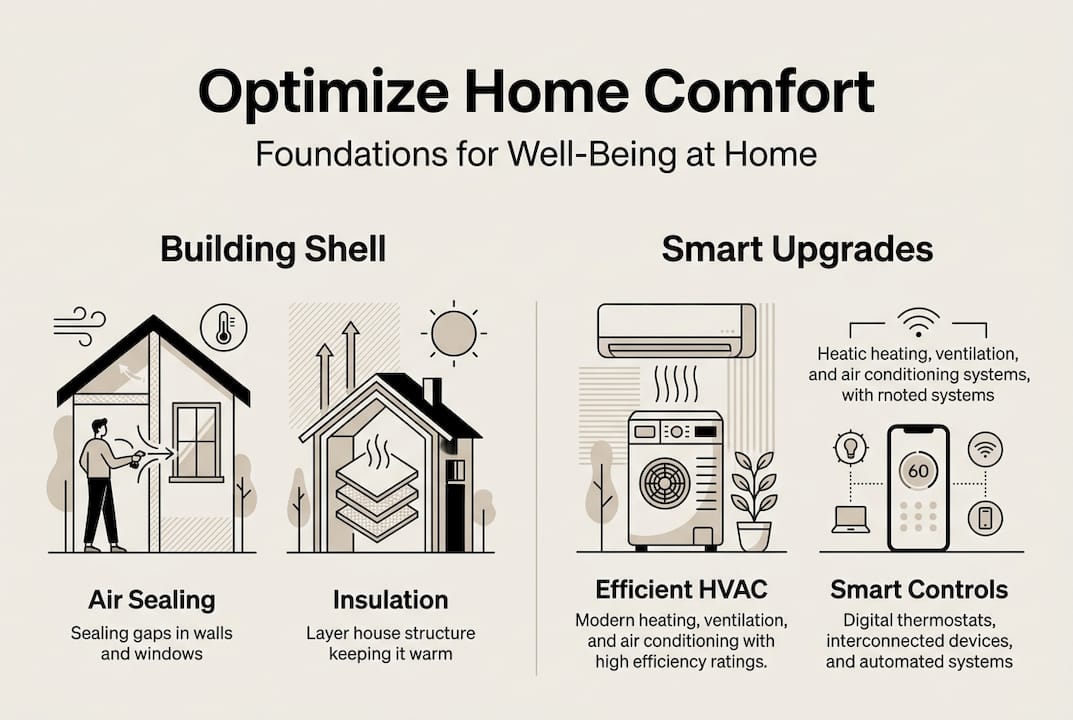
Before investing in advanced HVAC systems or smart controls, you must address the foundational elements that determine how well your home retains conditioned air. Air sealing before insulation stops 25-40% of energy waste and makes insulation more effective, with payback in 1-3 years. Without proper air sealing, even the best insulation underperforms because air leaks bypass the thermal barrier entirely.
Identify major air leaks first. The attic floor and rim joists are the primary culprits in most homes, allowing conditioned air to escape and outdoor air to infiltrate. These zones create the most significant energy losses and should be your first targets. Prioritize sealing major leaks to avoid compressing insulation or creating moisture issues that compromise structural integrity.
Choose the right materials for different leak types. Spray foam works best for larger gaps around rim joists and attic penetrations. Caulk handles smaller cracks around windows, doors, and electrical outlets. Weatherstripping seals moving components like door thresholds and window sashes. Each material serves a specific purpose in creating a comprehensive air barrier.
Proper insulation reduces heat loss by 25-35% after air sealing is complete. The sequence matters because insulation slows heat transfer through materials, while air sealing stops heat loss through gaps. Installing insulation before sealing air leaks wastes money and reduces effectiveness. The table below shows typical energy waste patterns before and after comprehensive sealing and insulation:
| Home Component | Energy Waste Before (%) | Energy Waste After (%) | Improvement (%) |
|---|---|---|---|
| Attic floor leaks | 30 | 8 | 73 |
| Rim joist gaps | 25 | 5 | 80 |
| Window/door frames | 20 | 6 | 70 |
| Electrical penetrations | 15 | 3 | 80 |
| Overall home efficiency | 100 | 60 | 40 |
Complete these preparatory steps in order:
- Conduct a thorough inspection of attic, basement, and crawl spaces for visible air leaks
- Seal major gaps in attic floor and rim joists using spray foam
- Apply caulk to smaller cracks around windows, doors, and utility penetrations
- Choose appropriate insulation type based on climate zone and existing R-value
- Install insulation only after air sealing is verified complete
- Implement moisture management strategies to prevent condensation and mold
Pro Tip: Always check for moisture issues before insulating. Water stains, condensation, or musty odors indicate problems that must be resolved first. Trapping moisture behind new insulation creates mold growth and structural damage that costs far more to repair than the initial energy savings.
These foundational improvements create the platform for all subsequent comfort upgrades. A well-sealed and insulated home responds better to HVAC adjustments, maintains consistent temperatures across rooms, and supports home wellness benefits through stable indoor environments. For comprehensive guidance on energy-saving home upgrades, review detailed implementation strategies that match your specific home configuration.
Upgrading heating, ventilation, and air conditioning (HVAC) systems
Once your home envelope is sealed and insulated, optimizing your HVAC system delivers the next level of comfort and efficiency gains. Regular maintenance forms the foundation of system performance. Filter changes and duct sealing improve efficiency, while high-efficiency heat pumps rated 17.5 SEER2 operate in extreme temperatures from -22°F to 122°F. These advanced systems provide consistent comfort year-round without the efficiency drops common in older equipment.
High-efficiency heat pumps represent a significant upgrade from traditional furnaces and air conditioners. Modern heat pumps extract warmth from outdoor air even in freezing conditions, then reverse the process for cooling in summer. Units rated 17.5 SEER2 or higher deliver superior performance while using substantially less energy than standard models. The extreme temperature range capability means you maintain comfort during harsh winter cold snaps and summer heat waves without system strain.
Duct sealing often gets overlooked but delivers measurable improvements. Leaky ductwork wastes 20-30% of conditioned air before it reaches living spaces. Professional duct sealing uses mastic or metal-backed tape to close gaps at joints and connections. This simple upgrade ensures the air your HVAC system conditions actually reaches the rooms where you need it.
Homeowners can handle several maintenance tasks without professional help:
- Replace or clean air filters every 1-3 months depending on usage and home conditions
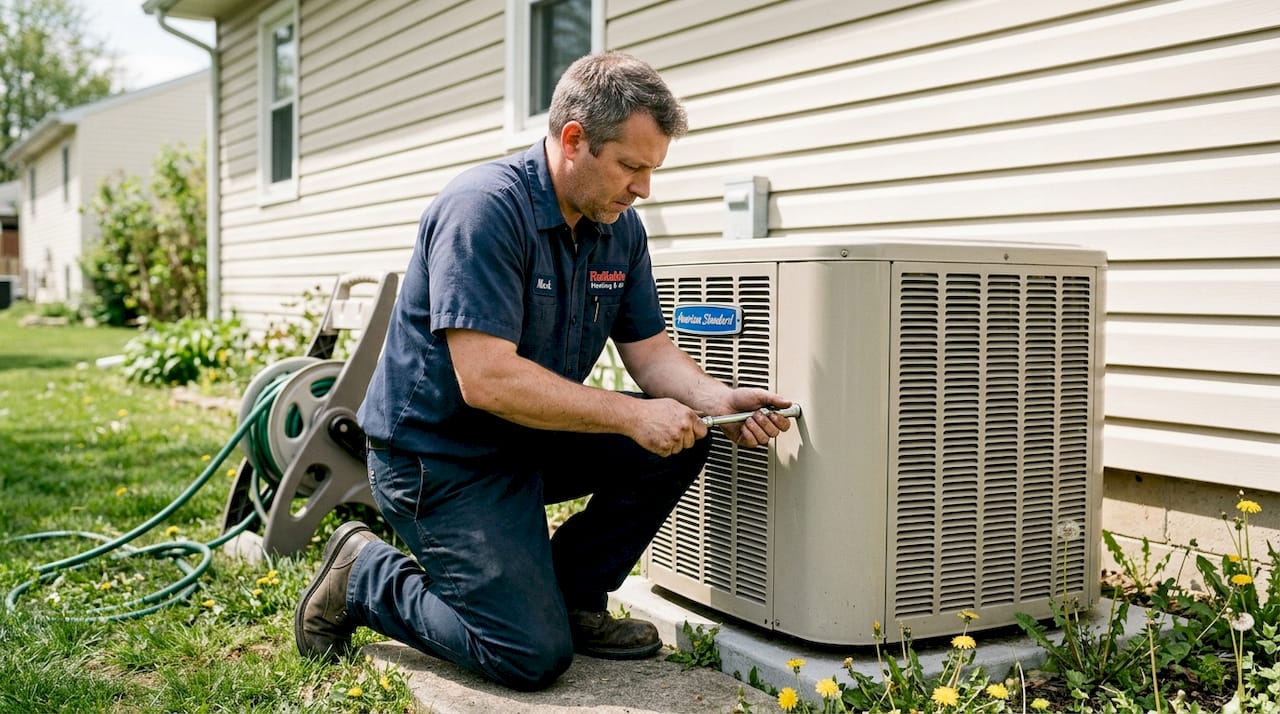
- Clear debris from outdoor condenser units to maintain airflow
- Vacuum return air vents and registers to remove dust buildup
- Check thermostat batteries and settings for proper operation
- Inspect visible ductwork for obvious gaps or disconnections
- Monitor energy bills for unexpected increases that signal efficiency problems
Upgrading to high-efficiency equipment yields both immediate and long-term benefits. Energy savings typically range from 20-40% compared to older systems, with the exact amount depending on your current equipment age and efficiency. Comfort improvements include more consistent temperatures, better humidity control, and quieter operation. Modern systems also integrate seamlessly with smart thermostats for automated optimization.
Pro Tip: Schedule professional HVAC tune-ups every year before the heating or cooling season begins. Technicians catch small issues before they become expensive failures, clean components you can’t access, and verify refrigerant levels and electrical connections. Annual maintenance extends system life by 5-10 years and maintains peak efficiency throughout the equipment’s lifespan.
The connection between HVAC efficiency and overall wellness and HVAC efficiency extends beyond energy bills. Consistent temperatures and proper ventilation reduce stress on your body’s thermoregulation systems. You sleep better, concentrate more easily, and experience fewer temperature-related discomforts throughout the day. For detailed specifications on advanced systems, explore high-efficiency heat pumps that match your climate zone requirements.
Leveraging smart thermostats and humidity control for dynamic comfort
Smart thermostats and humidity management add intelligent automation to your optimized home systems. Smart thermostats save 8-15% on energy by automating settings, outperforming manual adjustments by up to 2.3°F more efficient temperatures. These devices learn your schedule, preferences, and home’s thermal characteristics to optimize comfort while minimizing energy waste.
The difference between manual and smart thermostats becomes clear when comparing actual performance:
| Feature | Manual Thermostat | Smart Thermostat |
|---|---|---|
| Temperature precision | ±2-3°F variance | ±0.5°F variance |
| Energy savings | Baseline (0%) | 8-15% reduction |
| Schedule automation | Manual programming required | Learns automatically |
| Remote access | None | Full smartphone control |
| Adaptive optimization | Static setpoints | Adjusts for weather, occupancy |
| Annual cost savings | $0 | $120-180 typical |
Setting up and using smart thermostats effectively requires following a systematic approach:
- Install the thermostat according to manufacturer instructions or hire a professional for complex wiring
- Connect to your home Wi-Fi network and download the companion smartphone app
- Allow the learning period of 1-2 weeks where the thermostat observes your manual adjustments and occupancy patterns
- Review the automatically generated schedule and make minor tweaks to match your preferences
- Enable geofencing features that adjust temperatures based on whether anyone is home
- Set energy-saving temperature ranges that balance comfort with efficiency goals
- Monitor weekly energy reports to understand usage patterns and identify optimization opportunities
Humidity control works alongside temperature management to create optimal comfort conditions. Maintaining indoor RH 50-65% during cooling enhances comfort and reduces energy use without health or material risks if condensation is prevented. Humidity affects how temperature feels on your skin. Air that’s too dry makes you feel colder and causes respiratory irritation. Excessive humidity makes moderate temperatures feel uncomfortably warm and sticky.
Control humidity through these proven methods:
- Use your HVAC system’s built-in dehumidification mode during cooling season
- Install a whole-home dehumidifier integrated with your HVAC for precise control
- Run bathroom and kitchen exhaust fans during and after moisture-generating activities
- Fix plumbing leaks and address water intrusion issues that add excess moisture
- Use portable dehumidifiers in problem areas like basements or laundry rooms
- Monitor humidity levels with hygrometers placed in main living areas
Pro Tip: Limit manual thermostat overrides to rare situations. Every override teaches the smart thermostat incorrect information about your preferences. If you find yourself adjusting settings frequently, use the app to modify the base schedule instead. For homes with multiple zones, invest in smart vents or a zoned HVAC system that allows different temperature settings for different areas based on actual usage patterns.
Adaptive comfort models recognize that ideal temperature varies based on outdoor conditions, activity level, and individual acclimatization. Smart thermostats incorporate these principles by adjusting setpoints seasonally and responding to real-time conditions. This dynamic approach outperforms traditional steady-state comfort models that assume one perfect temperature year-round. For deeper insights into optimizing your environment, explore home wellness insights that connect comfort with overall well-being.
Access current smart thermostat research for the latest findings on automated temperature control, and review comprehensive data on humidity control benefits to understand the science behind optimal indoor conditions.
Verifying improvements and maintaining your comfortable home
After implementing comfort upgrades, verification ensures you’re achieving expected results and identifies areas needing adjustment. Monitor energy bills for 2-3 months after completing improvements. Compare usage to the same period in previous years, accounting for weather differences. Most homeowners see 20-40% reductions in heating and cooling costs when holistic upgrades including sealing, insulation, HVAC, and smart controls are properly executed.
Signs that your home comfort has genuinely improved include:
- Consistent temperatures throughout all rooms without hot or cold spots
- Reduced drafts near windows, doors, and along exterior walls
- Lower energy bills despite similar usage patterns
- HVAC system runs for shorter cycles and less frequently
- Humidity levels remain stable within the 50-65% target range
- Fewer dust and allergen complaints from household members
- Quieter operation from HVAC equipment and less outdoor noise intrusion
Common mistakes after upgrades can undermine your improvements. Setting thermostat temperatures too aggressively wastes the efficiency gains you worked to achieve. Opening windows while running heating or cooling defeats the purpose of air sealing. Neglecting filter changes allows dirt buildup that reduces airflow and efficiency. Ignoring unusual sounds or performance changes lets small problems become major repairs.
Maintain your improvements through regular attention:
- Check and replace HVAC filters every 1-3 months based on system usage
- Inspect weatherstripping and caulking annually for deterioration or gaps
- Clean outdoor HVAC units each spring and fall to maintain airflow
- Test smart thermostat settings seasonally and adjust schedules as routines change
- Monitor humidity levels weekly and adjust dehumidifier settings as needed
- Schedule professional HVAC inspections annually before peak heating or cooling seasons
- Review energy usage reports monthly to catch efficiency problems early
Pro Tip: Conduct seasonal check-ins when transitioning between heating and cooling modes. Adjust thermostat schedules to match changing sunrise and sunset times. Verify humidity targets are appropriate for the season. Spring and fall offer ideal times to inspect insulation, check for new air leaks, and ensure all systems are ready for extreme summer heat or winter cold.
Reassess your home’s performance after one year of living with the improvements. You’ll have data from all four seasons and understand how different weather conditions affect comfort and energy use. This annual review helps identify any remaining inefficiencies and guides decisions about additional upgrades. Small adjustments to schedules, setpoints, or maintenance routines often yield further improvements without additional investment.
The relationship between home comfort optimization and overall wellness continues throughout the year. Stable indoor environments support better sleep quality, improved focus during work, and reduced stress from temperature discomfort. For practical strategies that complement your home improvements, review home comfort tips focused on relaxation and recovery.
Continued success requires viewing home comfort as an ongoing practice rather than a one-time project. Systems age, weather patterns change, and household needs evolve. Regular monitoring and maintenance preserve your initial investment while allowing gradual improvements over time. Access comprehensive guidance on holistic home improvements to stay current with emerging technologies and optimization strategies.
Explore solutions to enhance your comfort and recovery at home
Optimizing your home’s physical systems creates the foundation for comfort, but targeted wellness products amplify those benefits throughout your daily routine. Lunix specializes in recovery and comfort solutions designed to integrate seamlessly into your optimized living space. Our carefully engineered products support your body’s natural restoration processes while you relax in the consistent, comfortable environment you’ve created.

Explore our recovery products that complement your home comfort improvements with targeted support for muscle relaxation, pain relief, and stress reduction. Our collections include innovative solutions for every room and recovery need. For comprehensive guidance on selecting the right products for your wellness goals, review our comfort solutions guide that connects home optimization with personal recovery strategies. Visit Lunix wellness products to discover how thoughtful design and innovative technology transform your home into a personalized wellness station.
Frequently asked questions
What is the best way to seal air leaks in a home?
Sealing major leaks with spray foam or caulk around attic floors and rim joists before insulation delivers the most effective results. Focus on the largest gaps first, as they account for the majority of energy waste. Professional energy audits can identify hidden leaks using blower door tests and thermal imaging.
How often should I maintain my HVAC system for optimal performance?
HVAC systems require filter changes every 1-3 months depending on usage, pets, and indoor air quality. Schedule professional tune-ups annually before the heating or cooling season begins. Regular maintenance prevents unexpected breakdowns and maintains peak efficiency throughout the system’s lifespan.
Can smart thermostats really save energy compared to manual settings?
Yes, smart thermostats save 8-15% on energy bills by learning your routines and optimizing temperatures beyond what manual adjustments achieve. They eliminate the common problem of forgetting to adjust settings when leaving home. The automated optimization continues improving as the device learns your preferences over time.
What indoor humidity level is ideal for comfort and health?
Maintaining indoor relative humidity between 50-65% during cooling maximizes comfort and reduces energy use without creating health risks or material damage. This range prevents the dry air discomfort common with over-air-conditioning while avoiding the condensation problems that occur at higher humidity levels. Use a hygrometer to monitor levels and adjust dehumidifier settings accordingly.