


TL;DR:
- Premium wellness is defined by evidence-backed design, advanced materials, and personalized programs that produce measurable outcomes. It is a major market sector with proven financial returns and should be approached with skepticism toward claims lacking scientific support. True value comes from selecting outcomes-focused solutions, prioritizing research, durability, and personalization, regardless of market trends or brand prestige.
Most people assume premium wellness is just expensive branding aimed at the wealthy. That assumption costs you more than you think. The wellness choices you make between 40 and 65 directly shape your energy, recovery, and long-term physical performance, and wellness real estate research shows that premium wellness environments command measurable price premiums over standard alternatives, signaling real perceived value. This guide breaks down exactly what premium means in wellness, what the evidence actually says, and how to make smarter choices that deliver genuine results.
Table of Contents
- What defines premium wellness?
- The real return: Evidence and market trends
- How to assess premium wellness solutions
- Who truly benefits? Inclusivity, access, and impact
- Why skepticism makes you a smarter premium wellness investor
- Discover premium recovery solutions built for results
- Frequently asked questions
Key Takeaways
| Point | Details |
|---|---|
| Define premium wellness | Premium wellness means outcome-focused, evidence-based solutions—not just luxury branding. |
| Measurable ROI possible | Investing in premium wellness can generate tangible returns for recovery, performance, and well-being. |
| Critical selection matters | Evaluate each premium solution with skepticism and a clear framework to ensure true benefit. |
| Market is robust | The U.S. wellness economy hit $2.1 trillion, signaling strong and sustained demand for premium options. |
| Inclusivity concerns | Premium wellness mainly benefits those able to invest—choose solutions that offer real impact beyond branding. |
What defines premium wellness?
Now that the value of premium wellness is on the table, let’s clarify what actually qualifies as “premium” and why it matters for your day-to-day health.
Premium in wellness is not simply about a high price tag. It is about a combination of materials, technology, and program design that produces measurable outcomes. Think of it as the difference between a chair that looks expensive and an ergonomic support system that genuinely reduces back strain over months of use. One serves your appearance; the other serves your body.
Here are the key attributes that signal genuine premium value in wellness:
- Evidence-backed design: The product or program is supported by peer-reviewed research or documented clinical outcomes, not just marketing testimonials.
- Advanced materials and technology: Premium solutions use higher-grade materials, such as memory foam with targeted pressure mapping or devices that integrate recovery tracking, that translate into measurable comfort and durability.
- Personalization: Truly premium solutions adapt to your body and goals, whether that means adjustable positioning systems, medically monitored sleep programs, or recovery devices calibrated to your recovery stage.
- Longevity and healthspan focus: The solution is designed for sustained results over time, not a short-term boost.
- Integrated recovery suites and wellness tech: These bundle multiple recovery functions, like compression, heat therapy, and posture support, into one coordinated system.
The wellness industry has shifted meaningfully in recent years. Where anti-aging once dominated the conversation, the focus has moved toward proactive health optimization and longevity. As Forbes reports, longevity and healthspan are now the central value propositions for premium wellness products and services. That shift is worth paying attention to.
“Not every product carrying a premium price delivers a premium outcome. Your job is to separate credible, outcome-driven solutions from those that simply dress up basic products in attractive packaging.”
The credibility gap is real. Some brands use the language of longevity and optimization to justify high prices without the science to back it up. Understanding how to recognize wellness tech that genuinely delivers helps you avoid the trap of paying for aesthetics rather than results.
The real return: Evidence and market trends
Understanding “premium” is just the first step. What matters most to you as a savvy consumer is real, measurable return on your investment and clear market signals that confirm you are moving in the right direction.
Let’s look at the numbers.
| Wellness Category | Key Metric | Source |
|---|---|---|
| Wellness real estate | Measurable price premium over standard properties | GWI, 2025 |
| Workplace wellness programs | 4-year ROI of $1.65 per $1 invested | Highmark Study |
| U.S. wellness economy | $2.1 trillion valuation as of April 2026 | GWI, 2026 |
These figures tell a consistent story. Premium wellness is not a niche luxury trend. It is a major economic sector with documented returns in multiple categories.
The Highmark workplace wellness study is particularly instructive. It found that well-designed programs produced a four-year return of approximately $1.65 for every dollar spent, primarily through reduced healthcare costs and lower absenteeism. The critical qualifier is program design. Generic wellness perks with no personalization or follow-through showed weaker returns. Targeted, evidence-based programs delivered the strongest results.
Key takeaway: The size of the investment matters far less than the quality and personalization of the solution.
Statistic: The U.S. wellness economy reached $2.1 trillion in 2026, confirming that consumer trust in premium wellness is growing rapidly across all age groups.
Wellness real estate offers another useful lens. Properties built with integrated wellness features, like air quality systems, ergonomic layouts, and dedicated recovery spaces, consistently command premiums in the market. That premium reflects buyer confidence that these environments deliver genuine health value.
The connection to your personal choices is direct. Whether you are investing in a recovery device, a structured sleep program, or a home wellness setup, the same principle applies. When evidence, personalization, and durability align, you get real value.
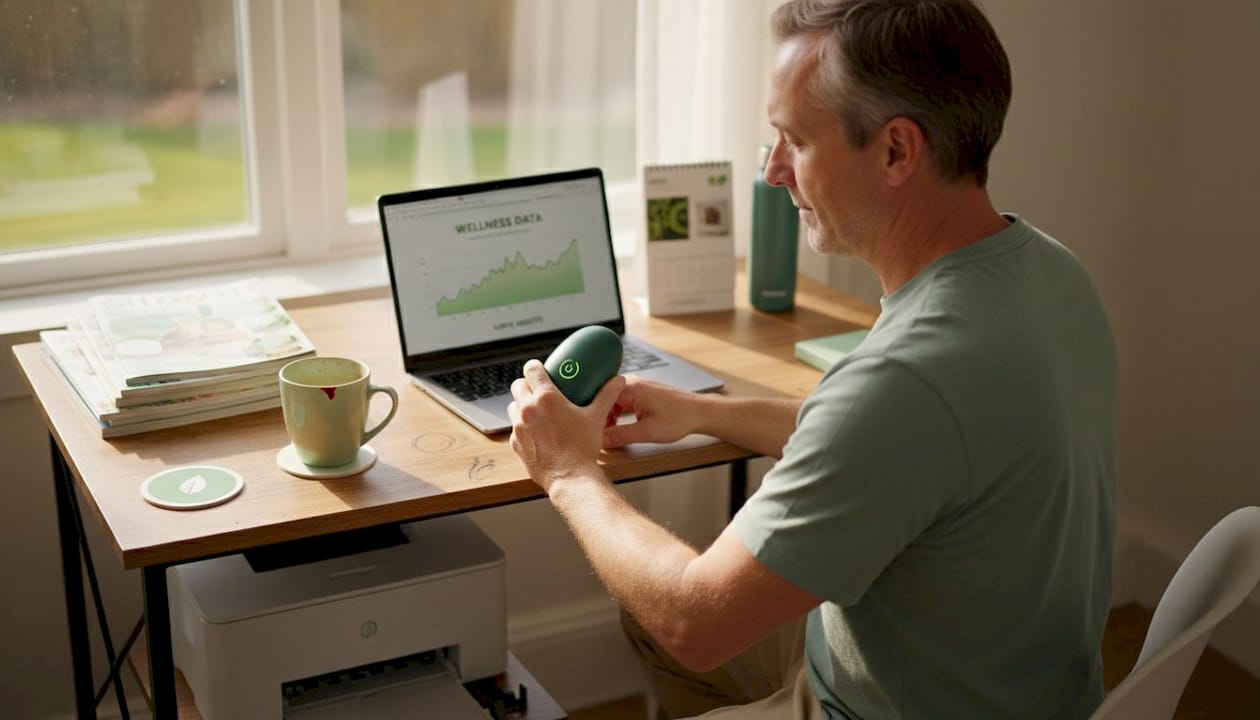
Pro Tip: Before purchasing any premium wellness product, look for peer-reviewed studies or independent outcome data rather than relying solely on brand-sponsored research. Understanding technology and wellness integration can help you identify products where innovation drives real results.
How to assess premium wellness solutions
With robust data in mind, the next step is learning how to judge which premium wellness solutions are truly worth your investment.
The IWBI (International WELL Building Institute) offers a useful framework that you can apply as a personal capital allocation model. Treat every premium wellness decision like a financial investment by evaluating three factors: credible evidence of benefit, expected durability, and measurable outcomes that map directly to your personal goals.
Here is a step-by-step approach you can use right now:
- Identify your priority outcome. Is your main goal better sleep, faster muscle recovery, reduced joint pain, or improved daily energy? Define this before you shop.
- Search for peer-reviewed evidence. Look for published research, not just brand whitepapers. Clinical studies, independent reviews, and third-party certifications carry far more weight.
- Assess personalization. Does the solution adapt to your specific body, age, and activity level? A one-size-fits-all product rarely delivers the same value as something designed for your stage of life.
- Check material and build quality. Premium materials should be both functional and durable. Ask about warranty length, replacement cycles, and independent durability testing.
- Calculate long-term cost per use. Divide the total cost by the expected months of use. A $400 recovery device used daily for two years costs about $0.55 per use, often far less than ongoing physical therapy or gym memberships.
- Look for integration. The best premium solutions work together with your existing wellness routines for midlife, rather than demanding a complete lifestyle overhaul.
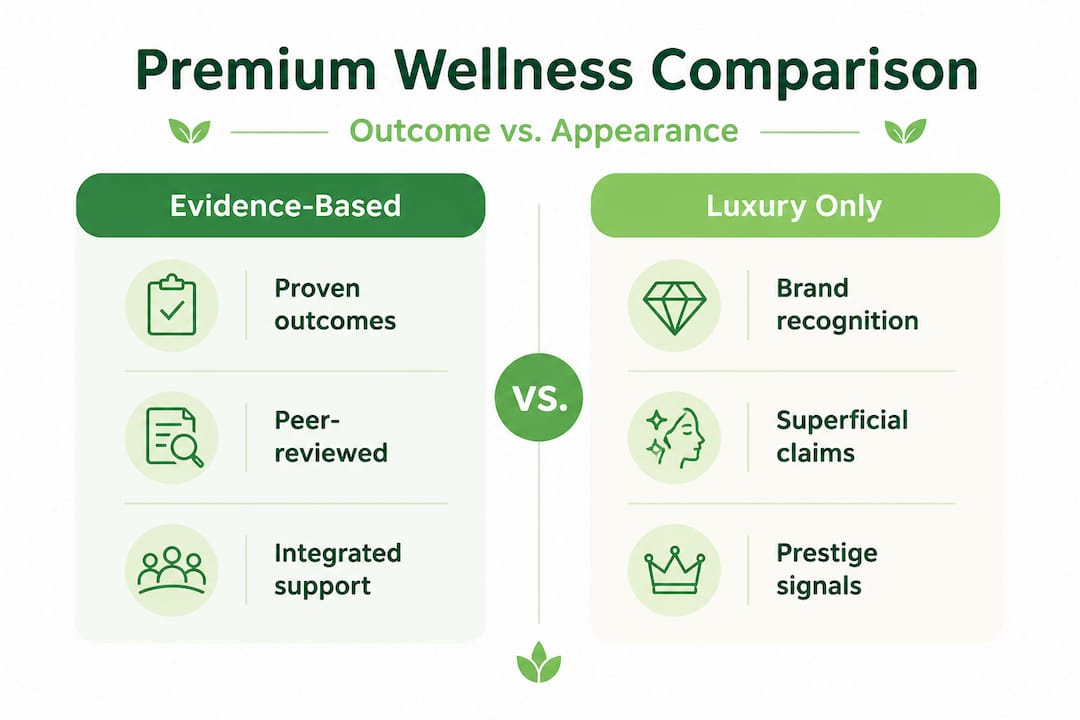
Here is a quick comparison to help you distinguish genuine value from surface-level luxury:
| Feature | Outcome-driven premium | Luxury for appearance only |
|---|---|---|
| Evidence base | Peer-reviewed studies or clinical data | Testimonials and brand claims |
| Personalization | Adapts to individual needs and goals | Standard fit with premium aesthetics |
| Durability | Tested materials, long warranty | Appearance-focused materials |
| Measurable result | Tracked outcomes over time | Immediate sensory impression |
| Price transparency | Justified by function and longevity | Inflated by brand prestige |
The biggest pitfall in premium wellness purchasing is paying for brand recognition rather than outcome infrastructure. A recognizable name does not guarantee results. Focus on what the solution actually does for your body, and you will make far stronger choices.
Pro Tip: Review well-being tips for adults to build a personalized baseline before adding premium tools. Knowing where you currently stand makes it much easier to measure whether a new solution is actually working.
Who truly benefits? Inclusivity, access, and impact
Once you have considered the framework for selection, it is important to recognize the broader picture. Who does premium wellness actually serve, and what does that mean for your choices?
The honest answer is nuanced. The 2025 GWI Wellness Economy Monitor notes that premiumization tends to concentrate spending among higher-income groups. Market growth in premium wellness does not automatically translate into broader health access or proven clinical impact for all populations. That is an important distinction.
For you personally, this means a few things:
- Outcome evidence varies by population. Many studies focus on participants who already have some baseline of health, resources, and motivation. Results may differ for people with significant health challenges or limited access to support systems.
- Inclusive solutions deliver more lasting value. Products and programs that are designed to serve a wider range of bodies, needs, and goals tend to be more rigorously tested and more adaptable over time.
- Market growth is not the same as proven impact. The fact that a wellness category is growing quickly tells you about consumer demand, not clinical effectiveness.
- Your investment choices have broader ripple effects. Choosing brands that prioritize transparency, evidence, and accessible design encourages the industry to move in a healthier direction overall.
“Real premium wellness is not about exclusivity. It is about investing in solutions that genuinely improve your ability to recover, rest, and perform, regardless of where you start.”
The practical takeaway here is to seek out brands and products that prioritize outcome research over prestige signals. When you are exploring home wellness insights for your own space, look for options that combine thoughtful design with honest evidence, not just aspirational imagery.
Premium wellness at its best should be democratizing. When recovery tools, ergonomic supports, and integrated relaxation systems are designed with real users in mind rather than luxury aesthetics, they tend to deliver better results for everyone who uses them consistently.
Why skepticism makes you a smarter premium wellness investor
Here is something you will not hear often in wellness marketing: the people who get the most value from premium solutions are usually the ones who started with a healthy dose of doubt.
That might sound counterintuitive. But think about it this way. When you approach a new product or program with genuine skepticism, you ask better questions. You look for evidence instead of accepting claims at face value. You measure your results instead of assuming the premium price means premium outcomes. And you stay with what actually works rather than chasing the next trend.
The wellness industry is packed with genuinely effective solutions and with products that have perfected the art of sounding effective. The difference is often invisible until you start tracking real outcomes.
In our experience, the strongest returns from recovery strategies for adults come from consistent, evidence-backed practices applied regularly over time. Not from the most expensive device on the market or the trendiest protocol. Consistency with a solid, well-designed tool beats novelty with an overpriced gadget every time.
Here is what deliberate skepticism looks like in practice. You give a new solution a defined trial period, say 30 to 60 days, with specific metrics you are tracking. Sleep quality, morning soreness, energy levels, range of motion. At the end of the trial, you evaluate honestly. Did the numbers move? Do you feel genuinely different? If yes, the investment was justified. If not, you have clear data to inform your next choice.
This approach also protects you from the sunk cost trap, the tendency to keep using something simply because you paid a lot for it. Premium wellness should earn its place in your routine through results, not loyalty to the price tag.
Curiosity and discernment are not opposites. Stay curious about new solutions, new research, and new tools. But pair that curiosity with the discipline to demand evidence before you commit your time and money. That combination is what separates smart wellness investors from people who fill their homes with expensive equipment they stop using after three weeks.
Discover premium recovery solutions built for results
If you are committed to investing wisely in your long-term health, the next step is finding solutions that are genuinely built for the outcomes you care about.
At Lunix, we design premium recovery solutions specifically for people who want real results from their wellness investments. Every product in our line is built around thoughtful design, quality materials, and a clear understanding of how the body recovers and performs over time. Whether you are focused on better sleep, reduced muscle tension, or sustained daily energy, our tools are designed to work with your body’s natural recovery processes, not against them.
When you are ready to build a recovery and relaxation setup that actually delivers, explore Lunix to see how our solutions can fit into your daily routine and support your long-term health goals.
Frequently asked questions
What is premium wellness, and how is it different from standard wellness options?
Premium wellness focuses on proven outcomes, advanced materials, and integrated solutions, while standard options may prioritize affordability over evidence-based results. As the longevity wellness market grows, the defining factor for genuine premium value is measurable impact, not price alone.
Can investing in premium wellness really improve my relaxation, recovery, or performance?
Yes. Evidence shows measurable benefits like improved recovery and performance, especially when solutions are tailored for your needs and backed by credible data. The Highmark wellness program found a four-year return of $1.65 per dollar invested when programs were well-designed and properly targeted.
Is the premium wellness market still growing in 2026?
Yes. The U.S. wellness economy reached $2.1 trillion in April 2026 and continues to expand, reflecting strong and growing consumer confidence in wellness investments across all categories.
Who actually benefits most from premium wellness investments?
Those with higher incomes and greater access to resources tend to see the strongest outcomes, which is why the GWI Wellness Monitor emphasizes choosing outcome-driven solutions over prestige branding to maximize the value of every wellness dollar you spend.
Recommended
- Top wellness tech types for relaxation and recovery – Lunix
- Home wellness stations: relaxation and recovery guide – Lunix
- Why invest in wellness tech: enhance your well-being and longevity – Lunix
- 7 Key Advantages of Home Wellness for Enhanced Living – Lunix
- What Are Premium Supplements? A Science-Backed Longevity Guide - SUPERIOR Formulas
- Research Peptides Blog | Laboratory Insights | Peppy&Me