


Choosing effective wellness technology can feel overwhelming when hundreds of devices promise better health outcomes. With the global digital health market reaching $483 billion in 2026, innovations in recovery and relaxation tools continue to multiply rapidly. This guide establishes clear evaluation criteria to help you navigate percussion therapy devices, infrared systems, and smart trackers. You’ll discover which wellness tech types align best with your specific relaxation and recovery goals, enabling confident decisions for enhanced daily wellbeing.
Table of Contents
- How To Evaluate Wellness Technology For Relaxation And Recovery
- Percussion Therapy Devices: Muscle Relief And Recovery
- Infrared Therapy: Relaxation And Inflammation Reduction
- Smart Wellness Trackers: Personalized Insights And Mental Health Support
- Comparing Wellness Tech: Features, Benefits, And Best Use Cases
- Discover Effective Recovery And Wellness Solutions At Lunix
Key takeaways
| Point | Details |
|---|---|
| Wellness tech serves different purposes | Recovery devices, relaxation tools, and mental health monitors each address specific wellness needs |
| Infrared and percussion offer proven benefits | These technologies provide measurable improvements in muscle recovery and pain reduction |
| Smart devices enable personalized tracking | Data-driven wearables help you monitor stress levels and optimize relaxation strategies |
| Feature comparison guides selection | Evaluating portability, ease of use, and integration helps identify your ideal wellness tech |
How to evaluate wellness technology for relaxation and recovery
The digital health market expansion reflects surging consumer interest in wellness innovation. This growth brings both opportunity and complexity for health-conscious adults seeking effective recovery solutions. Understanding evaluation criteria helps you cut through marketing hype and identify technology that delivers genuine benefits.
Focus on four essential factors when assessing wellness devices. First, examine proven recovery benefits through clinical research and user outcomes. Second, evaluate relaxation effects and how devices reduce stress markers. Third, consider ease of use, including setup simplicity and daily integration. Fourth, assess data integration capabilities that enable personalized health tracking.
Digital health trends increasingly emphasize artificial intelligence and biometric monitoring in wellness devices. Modern tools analyze multiple data streams simultaneously, providing insights previously available only in clinical settings. This technological sophistication enables more precise personalization of recovery and relaxation protocols.
Applying these criteria systematically narrows your options to devices matching your specific needs. Consider your primary wellness goals, whether muscle recovery after activity, stress reduction for better sleep, or comprehensive health monitoring. Each technology type excels in different areas.
Pro Tip: Combining physical recovery tools with digital monitoring habits accelerates wellness improvements. Track your recovery metrics while using therapy devices to identify which protocols deliver optimal results for your body.
Building a complete home wellness station requires understanding how different technologies complement each other. The following sections explore three major wellness tech categories in detail.
Percussion therapy devices: muscle relief and recovery
Percussion therapy tools deliver rapid, concentrated pulses to muscle tissue, creating mechanical vibrations that penetrate deep into soft tissue layers. Massage guns enhance blood flow while reducing muscle tension and breaking up adhesions that limit mobility. This mechanical action triggers physiological responses that accelerate recovery processes.
Research demonstrates significant improvements in range of motion and pain reduction following percussion therapy sessions. Athletes and active adults report decreased delayed onset muscle soreness when using these devices within hours after exercise. The therapy works by stimulating mechanoreceptors in muscle tissue, which can override pain signals and promote relaxation.
Modern percussion devices offer exceptional portability and user-friendly operation. Most units weigh under three pounds and include multiple attachment heads for targeting different muscle groups. Battery life typically ranges from two to six hours per charge, supporting daily use without frequent recharging.
Key features to prioritize include:
- Adjustable intensity levels (at least three settings) for personalized comfort
- Ergonomic grip design that reduces hand fatigue during extended sessions
- Quiet operation (under 60 decibels) for discreet use in shared spaces
- Interchangeable attachment heads for versatile muscle targeting
Integrating percussion therapy into your routine enhances recovery outcomes when timed strategically. Using massage guns effectively requires understanding proper technique and duration. Spend 30 to 90 seconds per muscle group, moving slowly across tissue rather than staying stationary.
Pro Tip: Combine percussion therapy with stretching for superior recovery results. Use the device to warm up muscles before stretching, then apply it again afterward to reduce post-stretch soreness.
Devices like the LX28 deep tissue massager exemplify modern percussion technology designed for home wellness routines. These tools make professional-grade muscle therapy accessible for daily recovery maintenance.
Infrared therapy: relaxation and inflammation reduction
Infrared light therapy penetrates skin layers to deliver energy directly to muscle tissue and cells. This wavelength stimulates cellular metabolism and increases local blood circulation without generating excessive surface heat. The therapy promotes muscle relaxation through enhanced oxygen delivery and waste product removal.
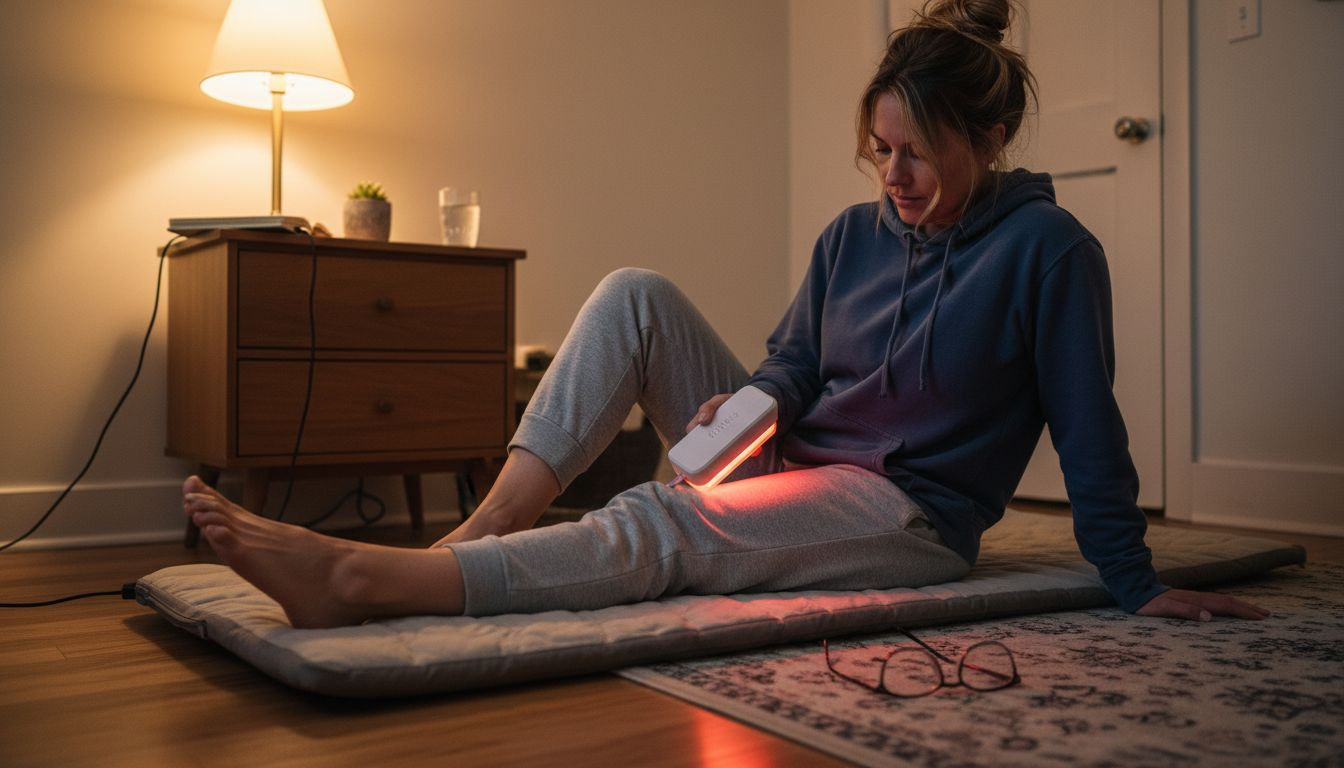
Clinical studies show infrared therapy reduces pain by 20 to 30% in users experiencing delayed onset muscle soreness. The wavelength triggers nitric oxide release in blood vessels, causing vasodilation that improves circulation. Enhanced blood flow delivers nutrients while removing metabolic byproducts that contribute to inflammation and discomfort.
Infrared therapy reduces inflammation markers through multiple mechanisms. The light energy modulates inflammatory cytokines and promotes tissue repair processes. Users report decreased joint stiffness and improved mobility after consistent therapy sessions. These benefits make infrared particularly valuable for aging adults managing chronic discomfort.
Infrared devices range from compact lamps targeting specific areas to full-body panel systems for comprehensive treatment. Portable units offer convenience for spot treatment of shoulders, knees, or lower back. Larger installations provide whole-body exposure for systemic relaxation benefits.
Key considerations when selecting infrared devices include:
- Wavelength specification (near-infrared 700-1400nm offers deepest penetration)
- Power output and treatment area coverage
- Timer functions for controlled session duration
- Safety certifications and automatic shutoff features
Infrared therapy suits users seeking non-invasive relaxation methods without physical manipulation. Sessions typically last 15 to 30 minutes and can be performed while reading, meditating, or resting. The benefits of infrared therapy extend beyond muscle recovery to include improved sleep quality and stress reduction.
Integrate infrared sessions into evening routines to promote relaxation before sleep. The therapy’s calming effects on the nervous system complement other wind-down practices for comprehensive stress management.
Smart wellness trackers: personalized insights and mental health support
Smart wearable devices continuously monitor physiological signals to provide actionable health insights. Sleep trackers improve efficiency by up to 15% within three months through detailed sleep stage analysis and personalized recommendations. These devices detect patterns invisible to conscious awareness, revealing opportunities for optimization.
Modern wearables measure multiple vital signs with clinical-grade accuracy. Devices monitor heart rate, blood oxygen, and blood pressure using advanced optical sensors and algorithms. This comprehensive monitoring enables early detection of concerning trends and validates the effectiveness of wellness interventions.
Advanced models assess stress levels using multimodal sensor arrays. Heart rate variability analysis reveals autonomic nervous system balance, indicating stress resilience and recovery capacity. Some devices incorporate electrodermal activity sensors that measure skin conductance changes associated with emotional arousal and stress responses.
Smart trackers enable personalized wellness strategies through data-driven insights. Users identify which activities, sleep schedules, and relaxation practices produce optimal outcomes. This feedback loop accelerates improvement by highlighting effective interventions and revealing counterproductive habits.
| Tracker Feature | Primary Benefit | Best For |
|---|---|---|
| Sleep stage tracking | Identifies sleep quality patterns | Users seeking better rest |
| Heart rate variability | Measures stress and recovery | Athletes and busy professionals |
| Blood oxygen monitoring | Detects respiratory issues | Individuals with breathing concerns |
| Activity tracking | Quantifies daily movement | Those building exercise habits |
| Guided breathing exercises | Provides real-time stress relief | Anyone managing anxiety |
Integrating smart trackers with home wellness stations creates a comprehensive health management system. The devices provide objective feedback on how physical recovery tools and relaxation practices affect your physiology.
Key features to prioritize include:
- Multi-day battery life (minimum five days) for continuous monitoring
- Water resistance for all-day wear including showers
- Smartphone app integration with clear data visualization
- Automatic activity detection requiring no manual logging
Smart wellness trackers transform subjective wellness efforts into measurable outcomes. This quantification helps maintain motivation and validates that your recovery investments deliver tangible results.
Comparing wellness tech: features, benefits, and best use cases
Each wellness technology category offers distinct advantages for different recovery and relaxation needs. Understanding these differences helps you select devices that align with your specific wellness priorities and lifestyle constraints.
| Technology Type | Primary Strengths | Ideal Use Cases | Portability | Data Integration |
|---|---|---|---|---|
| Percussion devices | Immediate muscle relief, targeted therapy | Post-workout recovery, desk work tension | Excellent | Limited |
| Infrared therapy | Deep tissue relaxation, inflammation reduction | Chronic pain management, evening wind-down | Moderate | None |
| Smart trackers | Continuous monitoring, personalized insights | Sleep optimization, stress management | Excellent | Extensive |
Percussion therapy excels for immediate, localized muscle relief after physical activity or prolonged sitting. These devices provide tactile feedback and visible results within minutes. However, they require active use and don’t offer passive monitoring capabilities.
Infrared therapy delivers systemic relaxation benefits through passive exposure. Users appreciate the hands-free operation that allows multitasking during sessions. The technology particularly benefits those managing inflammation-related discomfort. Infrared devices lack data tracking features but provide consistent, predictable outcomes.
Smart trackers shine in long-term wellness optimization through continuous data collection. These devices reveal patterns across days and weeks, enabling strategic adjustments to sleep, stress, and activity routines. Combining recovery tools with digital habits produces faster improvements than using either approach alone.
Decision factors for selecting wellness tech:
- Choose percussion devices if you need immediate muscle relief and prefer active therapy sessions
- Select infrared therapy for passive, full-body relaxation and inflammation management
- Opt for smart trackers when data-driven insights and long-term optimization matter most
- Consider combining multiple types for comprehensive wellness coverage
Many users build layered wellness systems incorporating all three technology types. A smart tracker monitors overall health trends while percussion devices address acute muscle needs and infrared therapy provides daily relaxation sessions. This integrated approach addresses immediate discomfort while supporting long-term health optimization.
Evaluate your budget alongside wellness priorities. Entry-level percussion devices start around $100, while professional models reach $600. Infrared lamps begin near $50, with full-body panels costing $500 to $2,000. Quality smart trackers range from $150 to $400 depending on features.
Your home wellness station can start with one technology type and expand as you identify additional needs. Begin with the category addressing your most pressing wellness concern, then add complementary tools over time.
Discover effective recovery and wellness solutions at Lunix
Enhancing your wellness technology setup with supportive comfort products amplifies recovery outcomes. Lunix specializes in ergonomic solutions that complement the therapy devices and trackers discussed throughout this guide. Our recovery products collection features orthopedic support tools designed for health-conscious adults seeking elevated comfort.

The LX11 orthopedic wedge pillow set provides versatile positioning support that enhances relaxation during infrared therapy sessions or post-percussion recovery. This five-piece system includes integrated hot and cold therapy packs, addressing both immediate discomfort and long-term postural support needs. For adjustable elevation options, the LX8 wedge pillow set features aloe vera-infused memory foam that adapts to your body while maintaining therapeutic positioning.
FAQ
What is the best type of wellness tech for muscle recovery?
Percussion therapy devices like massage guns effectively enhance muscle recovery by improving blood flow and reducing tension in targeted areas. Infrared therapy also aids recovery through inflammation reduction and pain relief, working systemically rather than on specific muscle groups. Combining both approaches addresses immediate muscle needs while supporting overall tissue healing.
Are smart sleep trackers reliable for improving sleep quality?
Smart sleep trackers can improve sleep efficiency up to 15% within three months when users act on the personalized insights provided. Modern devices use advanced algorithms and multiple sensors to accurately detect sleep stages and disruptions. The reliability depends on consistent wear and willingness to adjust sleep habits based on the data patterns revealed.
How do wearables support mental health monitoring?
Wearables measure physiological signals like heart rate variability and electrodermal activity to assess stress levels and emotional states throughout the day. Machine learning algorithms analyze these patterns to detect elevated stress periods and suggest intervention strategies. This continuous monitoring enables proactive stress management rather than reactive responses to accumulated tension.
Can I use multiple wellness technologies together safely?
Combining different wellness technologies is generally safe and often produces superior results compared to single-device approaches. Use percussion therapy and infrared separately with appropriate rest between sessions to avoid overstimulation. Smart trackers can be worn continuously while using other devices, providing valuable data on how different therapies affect your physiological responses and recovery metrics.