


Most people assume home wellness stations are just expensive luxuries with minimal real impact. Research tells a different story. These dedicated spaces deliver measurable improvements in stress reduction, recovery speed, and overall well-being for adults navigating the physical challenges of aging. From reducing cortisol levels by 25% to cutting healthcare costs through remote monitoring, home wellness stations represent a practical investment in long-term health. This guide reveals how these systems work and why they matter for anyone seeking better relaxation and recovery at home.
Table of Contents
- Understanding Home Wellness Stations And Their Benefits
- Technology Integration And Personalized Recovery At Home
- Enhancing Physical Recovery With Wellness Tools And Home Upgrades
- Satisfaction Factors And Practical Applications For Home Wellness Stations
- Enhance Your Home Wellness Journey With Lunix
- Frequently Asked Questions
Key takeaways
| Point | Details |
|---|---|
| Stress reduction | Home wellness stations lower cortisol by 25% and significantly improve relaxation response. |
| Technology integration | IoT and biofeedback systems enable personalized recovery protocols that reduce healthcare costs by up to 60%. |
| Physical recovery | Dedicated recovery tools accelerate muscle repair by 40% and enhance sleep quality by 20%. |
| Satisfaction drivers | Safety, cost control, and practical usefulness account for 45% of user satisfaction with wellness solutions. |
| Mental health benefits | Environmental upgrades improve breathing, activity levels, and care-related quality of life. |
Understanding home wellness stations and their benefits
Home wellness stations are dedicated spaces within your living environment designed specifically for relaxation, recovery, and health maintenance. Unlike generic living areas, these stations integrate targeted elements like adjustable lighting, sound therapy, temperature control, and comfort-focused furniture to create an optimized environment for stress relief and physical restoration.
The stress reduction benefits are scientifically documented. Studies show home wellness stations reduce cortisol and enhance relaxation significantly in adults aged 40 to 65. This physiological response translates to measurable improvements in mental clarity, emotional stability, and cardiovascular health. When your body consistently experiences reduced stress hormones, you create conditions for better sleep, stronger immune function, and improved cognitive performance.
Mental well-being improves through multiple pathways. The predictability and control offered by a personal wellness station reduces anxiety triggers common in midlife. You choose when to engage, how long to stay, and which elements to activate. This autonomy matters psychologically, especially for individuals managing chronic stress or recovery from injury.
Typical wellness station elements include:
- Adjustable ambient lighting that mimics natural daylight cycles
- Sound systems delivering white noise, nature sounds, or binaural beats
- Temperature regulation through heating pads, cooling systems, or climate control
- Ergonomic seating or recliners designed for extended relaxation periods
- Air purification systems that remove allergens and improve breathing quality
For health-conscious adults, these components work synergistically. The combination creates what researchers call a “restorative environment” where your parasympathetic nervous system activates more readily. When you create a relaxation zone that cuts stress in 2 weeks, you establish habits that compound over time, delivering returns far beyond the initial setup investment.
Technology integration and personalized recovery at home
Modern wellness stations leverage technology to deliver truly personalized recovery experiences. IoT sensors and wearable devices now communicate with home systems to adjust environmental conditions based on real-time biometric data. Your heart rate variability, skin temperature, and movement patterns inform automated adjustments that optimize recovery without manual intervention.
The financial implications are substantial. Home rehabilitation systems reduce healthcare costs by up to 60% by enabling remote patient monitoring and personalized feedback. For individuals managing chronic conditions or recovering from surgery, this technology eliminates frequent clinic visits while maintaining clinical-grade monitoring. Insurance providers increasingly recognize these savings, with some offering coverage or reimbursement for approved home wellness equipment.
Biofeedback technology represents a significant advancement in personalization. These systems measure physiological responses like muscle tension, breathing patterns, and brain wave activity, then display this information in real time. You learn which relaxation techniques actually work for your body rather than guessing. Applied psychophysiology and biofeedback research demonstrates that this immediate feedback accelerates skill development and improves long-term stress management outcomes.
Practical examples include smart massage devices that adjust pressure based on muscle tension sensors, aromatherapy diffusers that activate during detected stress episodes, and meditation apps that modify session length based on your attention metrics. When you explore 6 essential wellness devices for recovery, you discover tools that integrate seamlessly into existing routines without requiring technical expertise.
Pro Tip: When selecting wellness technology, prioritize devices with open APIs and cross-platform compatibility. The best systems communicate with each other, creating an integrated ecosystem rather than isolated tools. Start with one or two core devices that address your primary needs, then expand as you understand what works for your specific recovery patterns.
Enhancing physical recovery with wellness tools and home upgrades
Physical recovery accelerates dramatically with dedicated wellness tools. Research confirms that recovery tools like saunas and cold plunges in home settings enhance physical recovery and reduce muscle soreness. The mechanisms involve improved blood flow, reduced inflammation, and enhanced cellular repair processes. For active adults managing joint discomfort or delayed onset muscle soreness, these tools deliver measurable relief within days of consistent use.
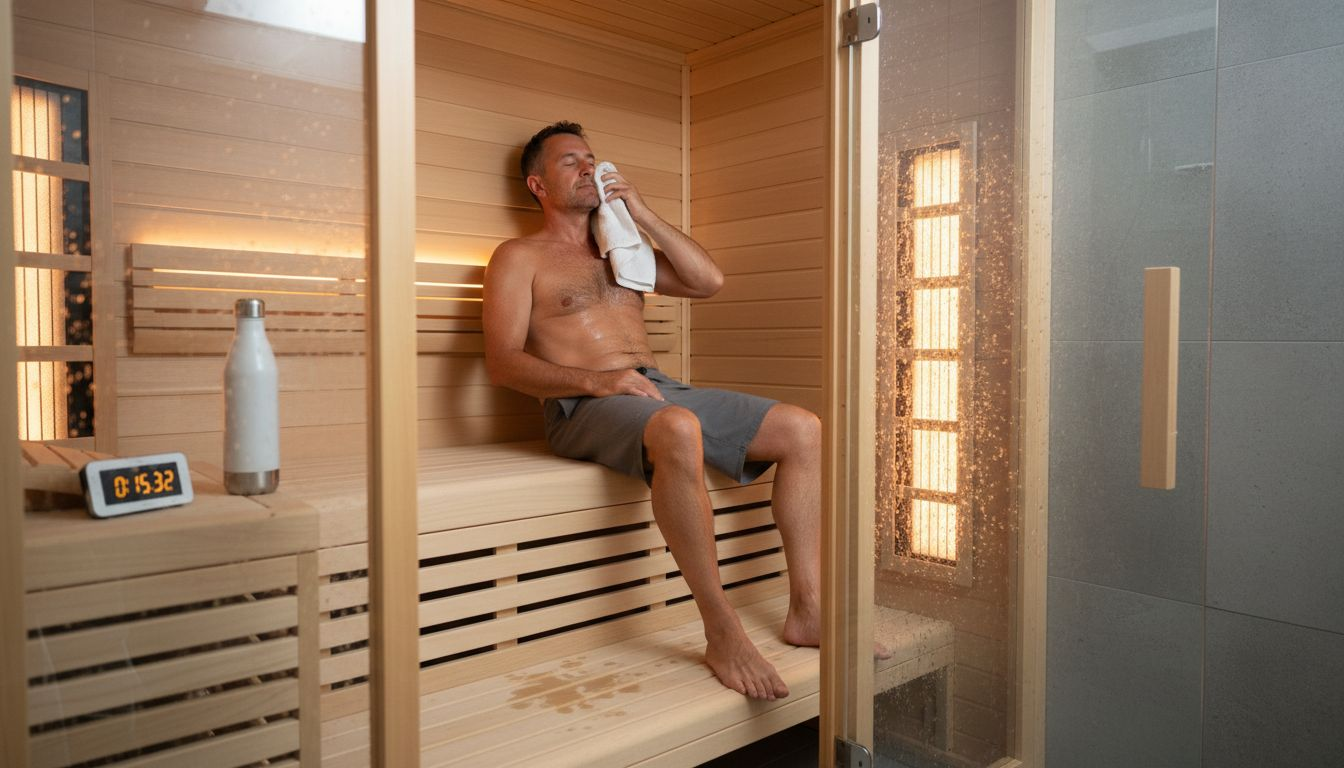
The impact extends beyond immediate soreness. Regular thermal therapy improves sleep architecture, particularly deep sleep phases critical for tissue repair and hormone regulation. Users report 20% improvements in sleep quality metrics when incorporating contrast therapy routines. When you understand what thermal therapy offers, you realize these benefits compound over weeks and months, creating cumulative health improvements.
Home environment upgrades deliver broader wellness benefits. Victorian Healthy Homes Program research demonstrates that home upgrades improve physical functioning, mental health, and social care-related quality of life. Simple modifications like improved ventilation, moisture control, and lighting adjustments reduce respiratory issues and increase daily activity levels. For individuals spending significant time at home, environmental quality directly influences health outcomes.
| Recovery Approach | Primary Benefit | Implementation Cost | Maintenance Level |
|---|---|---|---|
| Thermal therapy tools | 40% faster muscle recovery | Moderate to High | Low |
| Air quality upgrades | Improved breathing, reduced allergens | Low to Moderate | Very Low |
| Ergonomic furniture | Reduced chronic pain, better posture | Moderate | Very Low |
| Light therapy systems | Enhanced mood, regulated sleep cycles | Low to Moderate | Low |
| Sound management | Stress reduction, improved focus | Low | Very Low |
Exploring home spa concepts for wellness reveals how these elements integrate into cohesive systems. The key is matching tools to your specific needs rather than accumulating equipment.
Pro Tip: Maximize recovery benefits by combining environmental upgrades with targeted tools. Install air purification before adding thermal therapy equipment. The cleaner air amplifies the physiological benefits of heat and cold exposure, while reduced allergens prevent respiratory interference with deep breathing during recovery sessions.
Satisfaction factors and practical applications for home wellness stations
User satisfaction with home wellness stations hinges on three critical factors: safety, cost control, and practical usefulness. Research indicates that safety and cost control drive satisfaction for home wellness users, covering 45.37% of documented cases. These aren’t abstract concerns but practical realities that determine whether people actually use their wellness investments consistently.
Safety encompasses physical security, ease of use, and confidence in equipment reliability. For adults over 50, fear of injury or complicated operation creates barriers to adoption. Wellness stations must feature intuitive controls, stable surfaces, and failsafe mechanisms that prevent accidents. Users abandon equipment that feels risky or requires constant vigilance during operation.
Cost control extends beyond initial purchase price. Operating expenses, maintenance requirements, and energy consumption influence long-term satisfaction. Equipment that delivers promised benefits but requires expensive consumables or frequent repairs generates buyer’s remorse. The most successful implementations balance upfront investment with minimal ongoing costs.
| Satisfaction Pathway | Key Elements | Impact on Usage | Dissatisfaction Triggers |
|---|---|---|---|
| Safety-focused | Stable construction, clear instructions, automatic shutoffs | High confidence, consistent use | Unclear operation, instability, injury risk |
| Cost-controlled | Energy efficient, minimal consumables, durable components | Long-term value perception | Hidden costs, frequent repairs, high utilities |
| Usefulness-driven | Measurable benefits, quick results, easy integration | Daily habit formation | Unclear benefits, complicated routines, time intensive |
Practical implementation starts with honest assessment of your primary wellness goals. Select core equipment addressing your top two health priorities rather than assembling comprehensive systems immediately. A targeted approach builds confidence and demonstrates value before expanding. Understanding key advantages of home wellness for enhanced living helps prioritize investments that deliver maximum impact.
Maintenance matters more than most people anticipate. Establish simple cleaning and inspection routines from day one. Equipment neglect leads to performance degradation and safety concerns that undermine consistent use. Schedule monthly reviews to verify proper operation and address minor issues before they require expensive repairs.
Common pitfalls to avoid when establishing home wellness stations:
- Overbuying equipment before understanding personal preferences and usage patterns
- Selecting complex systems requiring extensive setup or technical knowledge
- Neglecting space planning that ensures comfortable access and proper ventilation
- Ignoring electrical requirements and circuit capacity for powered equipment
- Purchasing based on features rather than documented health outcomes
- Skipping professional consultation for equipment involving heat, water, or electrical integration
Balance cost and features by researching evidence-based benefits rather than marketing claims. Equipment delivering modest but consistent improvements outperforms impressive technology that sits unused due to complexity or inconvenience.
Enhance your home wellness journey with Lunix
Creating an effective home wellness station requires more than good intentions. You need reliable equipment designed specifically for the recovery and relaxation needs of health-conscious adults.

Lunix specializes in smart recovery solutions that integrate seamlessly into daily routines without overwhelming complexity. Our recovery products combine thoughtful design with proven wellness technology, delivering the comfort and effectiveness you need to maintain consistent self-care practices. From thermal therapy tools to ergonomic recovery accessories, each product addresses real challenges faced by adults prioritizing long-term health. Explore how Lunix wellness benefits support your specific recovery goals and transform your home into a personalized restoration station.
Frequently asked questions
What are home wellness stations?
Home wellness stations are dedicated spaces within your residence designed specifically for relaxation, recovery, and health maintenance. They integrate elements like controlled lighting, sound therapy, temperature regulation, and specialized equipment to create optimized environments for stress reduction and physical restoration. Unlike general living areas, these stations focus exclusively on wellness activities.
How do home wellness stations improve mental and physical health?
These stations reduce stress hormones like cortisol by up to 25%, creating measurable improvements in anxiety, sleep quality, and cognitive function. Physical benefits include faster muscle recovery, reduced inflammation, and improved cardiovascular markers. The dedicated space reinforces healthy habits by removing distractions and creating environmental cues that trigger relaxation responses automatically.
Are home wellness stations suitable for people over 60?
Absolutely. Adults over 60 often experience the greatest benefits due to age-related increases in recovery time and stress sensitivity. The key is selecting equipment emphasizing safety, ease of use, and gentle therapeutic approaches rather than high-intensity interventions. Many users report improved mobility, better sleep, and reduced chronic pain within weeks of consistent use.
How do I integrate wellness technology safely into my home?
Start with standalone devices requiring minimal installation before advancing to integrated systems. Verify electrical capacity with a licensed electrician before installing powered equipment. Choose devices with automatic shutoffs, clear operating instructions, and established safety certifications. Begin with shorter sessions to assess your body’s response before extending duration or intensity.
What components should I prioritize when building a wellness station?
Address your primary health concern first. For stress management, prioritize lighting and sound control. For physical recovery, focus on thermal therapy or massage equipment. For sleep improvement, invest in air quality and temperature regulation. This targeted approach delivers measurable results quickly, building confidence before expanding to comprehensive systems.
How much space do I need for an effective home wellness station?
A dedicated 6x8 foot area provides sufficient space for most wellness activities. This accommodates a comfortable chair or mat, small equipment storage, and adequate clearance for safe movement. Larger spaces allow multiple activity zones but aren’t necessary for effectiveness. Focus on privacy and quiet rather than square footage when selecting locations.