


TL;DR:
- Women benefit from tailored massage techniques that address specific health needs, relaxation, and recovery. Manual therapy reduces pain, lowers blood pressure, and eases anxiety, making massage a core wellness practice. Choosing the right style based on individual goals increases effectiveness and promotes overall health.
Types of women’s massage techniques are specialized therapeutic methods tailored to support women’s health, relaxation, and physical recovery. Manual massage therapy measurably reduces pain scores, lowers blood pressure, and decreases anxiety. That range of outcomes explains why massage has moved well beyond a luxury and into a core part of women’s wellness routines. About 38 million adult Americans received at least one massage annually, reflecting how deeply this practice has entered mainstream health culture. Whether your goal is stress relief, chronic pain management, or hormonal support, the right technique makes a real difference.
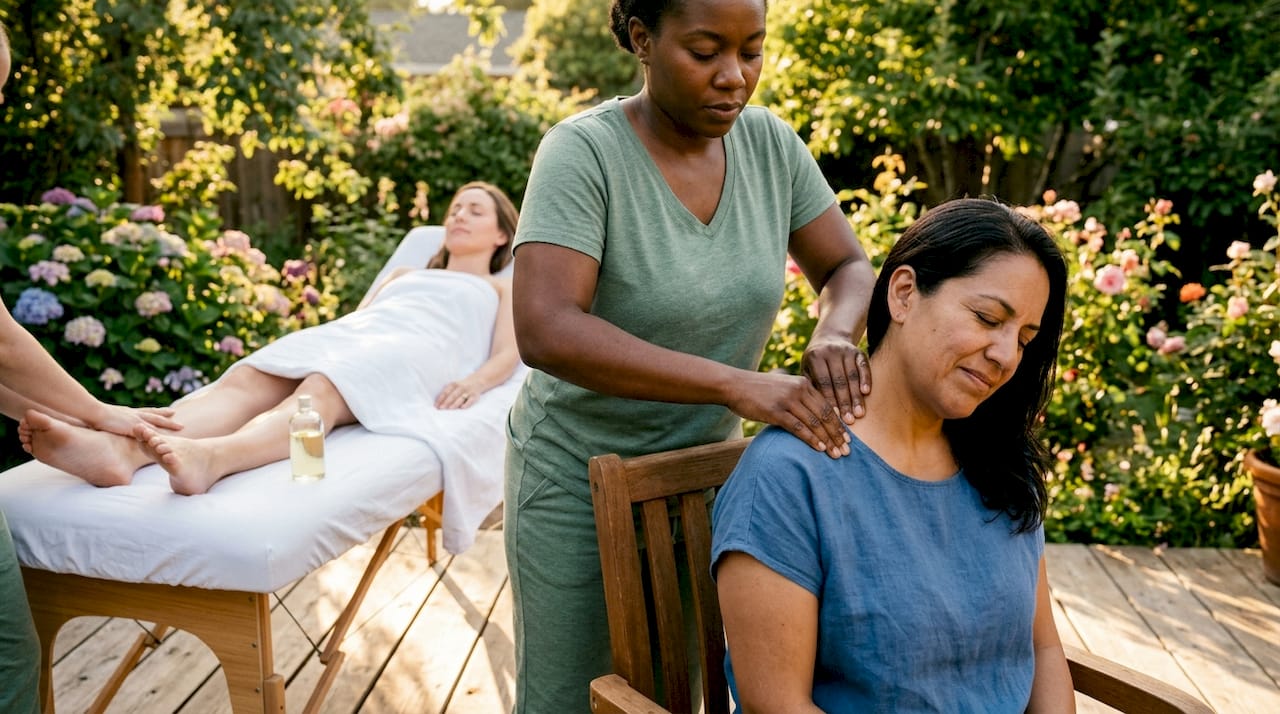
1. What are the most popular types of women’s massage techniques?
The most widely used women’s massage styles each address a distinct wellness need. Understanding what separates them helps you choose with confidence rather than guessing at the spa menu.
- Swedish massage uses long, gliding strokes called effleurage to promote circulation and full-body relaxation. It is the most common starting point for women new to massage therapy.
- Deep tissue massage applies firm, sustained pressure to reach deeper muscle layers. It targets chronic tension patterns, particularly in the neck, shoulders, and lower back. Research confirms massage benefits chronic pain conditions including fibromyalgia and myofascial pain.
- Prenatal massage adapts positioning and pressure to support pregnant women safely. It reduces swelling, eases lower back strain, and supports sleep quality during pregnancy.
- Aromatherapy massage combines Swedish techniques with essential oils chosen for specific effects. Lavender calms the nervous system, while eucalyptus supports respiratory ease. The aromatherapy massage benefits extend to mood regulation and mental clarity.
- Hot stone massage places heated basalt stones along the spine and muscle groups to soften tissue before manual work begins. The warmth accelerates circulation and deepens relaxation faster than hands alone.
- Sports massage focuses on muscle groups stressed by physical activity. Women who run, cycle, or train regularly use it to prevent injury and speed recovery between sessions.
- Lymphatic drainage massage uses extremely light, rhythmic strokes to move fluid through the lymphatic system. It is particularly useful after surgery, during hormonal fluctuations, or for women managing chronic inflammation.
Each of these techniques targets different tissues and goals. Knowing the distinction prevents you from booking a deep tissue session when your body actually needs gentle lymphatic work.
2. How do traditional manual techniques shape women’s massage therapy?
The five foundational manual techniques form the building blocks of nearly every massage style women encounter. Therapists combine and sequence them based on your body’s response during the session.
- Effleurage consists of long, gliding strokes applied with the palms. It warms tissue, improves surface circulation, and signals the nervous system to relax.
- Petrissage involves kneading, rolling, and squeezing muscle tissue. It releases deeper tension and improves blood flow to muscles that hold chronic tightness.
- Friction uses small, circular movements applied with fingertips or thumbs. Therapists use it to break down adhesions in connective tissue, especially around the hips and sacrum.
- Vibration delivers rapid oscillating pressure through the hands. It stimulates nerve endings and can relieve muscle spasms in the lower back or abdomen.
- Tapotement applies rhythmic tapping or cupping strokes. It activates circulation and is often used at the end of a session to re-energize tissue.
Pressure customization matters as much as technique selection. Initial assessment and customizing pressure in sensitive zones like the pelvis or abdomen are key to a high-quality session. A therapist who skips that assessment and applies uniform pressure throughout misses the point entirely.
Pro Tip: Before your session begins, tell your therapist which areas feel tender or restricted. That 60-second conversation changes the entire arc of the treatment.
3. What specialized massage styles address women’s unique health needs?
Some massage methods were developed specifically to address the hormonal, reproductive, and emotional dimensions of women’s health. These go beyond general relaxation and require practitioners with targeted training.
-
Chinese herbal massage combines Tui Na pressing and kneading with topical herbal formulas customized by condition. Chinese herbal massage supports pelvic circulation, digestion, stress regulation, and reproductive function. It is particularly effective for women managing conditions like PCOS, endometriosis, or irregular cycles.
-
Tantric massage centers on presence and attunement rather than technique alone. Tantric massage for women responds to the body, breath, and nervous system to reduce performance anxiety patterns. In professional practice, it prioritizes consent, emotional safety, and gradual nervous system regulation.
-
Prenatal and postnatal massage adapt positioning, pressure, and focus areas across the full reproductive cycle. Postnatal work addresses abdominal separation, pelvic floor tension, and the physical toll of nursing posture.
-
Trauma-informed massage applies a specific framework that prioritizes client control, clear communication, and slow pacing. Practitioners trained in this approach avoid sudden pressure changes and always explain what they are about to do before touching.
-
Menopause-focused massage targets the symptoms of hormonal transition including joint pain, sleep disruption, and mood changes. Techniques like craniosacral therapy and gentle abdominal massage are commonly integrated into this approach.
Massage for women’s wellness works best when it is targeted and customized rather than generic. A session designed for perimenopause looks entirely different from one designed to support conception. The practitioner’s ability to distinguish between those needs determines the outcome.
Emotional safety is not a soft consideration. A private, emotionally safe environment is foundational for effective women’s massage because it enables nervous system relaxation and deeper tissue release. Without it, the body stays guarded and the session delivers a fraction of its potential benefit.
4. How to choose the best massage technique for your goals
Selecting the right massage style starts with an honest look at what your body needs right now, not what sounds appealing on a menu. Your wellness goals, physical condition, and personal comfort level all shape the decision.
For relaxation and stress relief: Swedish massage or aromatherapy massage delivers the most consistent results. Both activate the parasympathetic nervous system and lower cortisol without demanding physical recovery afterward. The benefits of massage therapy for stress are well-documented and extend to improved sleep quality.
For chronic pain or muscle tension: Deep tissue massage and myofascial release address the root cause rather than surface symptoms. Deep tissue relief methods work by breaking down adhesions and restoring normal tissue mobility. Women with fibromyalgia or lower back pain see the strongest results with consistent sessions over several weeks.
For reproductive or hormonal health: Chinese herbal massage, prenatal massage, or trauma-informed bodywork addresses the specific physiological context. These require a practitioner with specialized training, so credentials matter more here than in general wellness sessions.
For active recovery: Sports massage and heated massage techniques reduce delayed-onset muscle soreness and restore range of motion. The benefits of heated massage include faster circulation and reduced stiffness after intense training.
| Technique | Primary benefit | Best for |
|---|---|---|
| Swedish massage | Full-body relaxation | Stress, first-time clients |
| Deep tissue massage | Chronic tension relief | Back pain, fibromyalgia |
| Prenatal massage | Pregnancy comfort | Swelling, lower back strain |
| Aromatherapy massage | Mood and nervous system | Anxiety, mental fatigue |
| Hot stone massage | Deep tissue warming | Circulation, stiffness |
| Sports massage | Muscle recovery | Active women, injury prevention |
| Lymphatic drainage | Fluid and inflammation | Post-surgery, hormonal shifts |
Session length and budget also shape your choice. A 60-minute Swedish session costs less and requires no recovery time. A 90-minute deep tissue session may leave muscles sore for 24–48 hours. Plan your schedule accordingly.
Pro Tip: Book your first session with a therapist who conducts a verbal intake assessment. If they skip that step and go straight to the table, find someone else.
Key takeaways
The most effective women’s massage technique is the one matched precisely to your current health goal, not the most popular option on the menu.
| Point | Details |
|---|---|
| Match technique to goal | Swedish suits relaxation; deep tissue targets chronic pain; specialized styles address hormonal health. |
| Manual techniques are foundational | Effleurage, petrissage, friction, vibration, and tapotement underpin every massage style. |
| Specialized styles fill real gaps | Chinese herbal massage and trauma-informed bodywork address needs general massage cannot. |
| Emotional safety improves outcomes | A private, assessed environment enables deeper nervous system relaxation and better tissue release. |
| Consistency drives results | Manual therapy reduces pain scores and anxiety most effectively when sessions are repeated over time. |
What I’ve learned about women’s massage after years in wellness
The most common mistake women make is choosing a massage style based on what sounds luxurious rather than what their body actually needs. A hot stone session feels indulgent, but if you are managing pelvic tension or hormonal fatigue, it does almost nothing for the underlying issue.
What I have seen work consistently is the combination of honest intake assessment and a therapist willing to adapt mid-session. The body gives clear signals. A practitioner who listens to those signals, adjusts pressure, and checks in verbally produces outcomes that a scripted routine never will.
Emotional safety is not a bonus feature. It is the mechanism. When a woman feels genuinely safe on the table, her nervous system stops bracing. That shift is when real tissue release happens. Studios that prioritize privacy, clear communication, and client control consistently produce better results than those that treat massage as a production line.
Massage also works best as part of a broader wellness strategy, not as a standalone fix. Pairing regular sessions with good sleep, movement, and recovery tools compounds the benefit. The role of women in wellness has shifted toward this kind of integrated thinking, and the outcomes reflect it.
— Lunix
Recovery tools that complement your massage practice
Massage therapy delivers its best results when your body can fully absorb the work between sessions. That means giving your muscles the right environment to recover, not just on the table but at home.

Lunixinc’s recovery collection is built around exactly that principle. From percussion devices to heated support tools, every product is designed to extend the benefits of professional massage into your daily routine. Whether you are managing chronic tension, supporting post-workout recovery, or simply prioritizing rest, Lunixinc offers tools that fit naturally into your wellness practice. Explore the full range and find what your body needs next.
FAQ
What is the most relaxing massage for women?
Swedish massage is the most consistently relaxing option for women. Its long, gliding strokes activate the parasympathetic nervous system and lower cortisol levels effectively.
How often should women get a massage?
Most women benefit from one session every two to four weeks for general wellness. Women managing chronic pain or hormonal conditions may benefit from weekly sessions during active treatment phases.
Is deep tissue massage safe for women with chronic pain?
Deep tissue massage is safe and effective for chronic pain conditions like fibromyalgia and myofascial pain. Always inform your therapist of your diagnosis so they can adjust pressure and technique appropriately.
What massage techniques help with hormonal health?
Chinese herbal massage and trauma-informed bodywork are the most targeted options for hormonal health. Both address pelvic circulation, nervous system regulation, and reproductive function more directly than general relaxation techniques.
Can massage therapy improve mental health for women?
Yes. Manual therapy interventions reduce anxiety scores measurably across multiple study populations. Regular sessions support mood regulation, sleep quality, and stress resilience over time.