


TL;DR:
- Heated massage combines heat and manual techniques to relieve muscle tension and reduce pain. It improves circulation, relaxes muscles, and activates the nervous system to lower stress hormones. Regular use enhances recovery, deepens relaxation, and offers effective relief for chronic pain and arthritis.
Heated massage therapy is defined as the combination of applied heat and manual massage techniques to relieve muscle tension, reduce chronic pain, and lower stress. The benefits of heated massage go well beyond simple relaxation. Heat causes vasodilation, the widening of blood vessels, which increases blood flow, delivers more oxygen to tired muscles, and flushes out metabolic waste. Clinical evidence shows that chronic pain patients experience measurable relief after just a few sessions. Whether you are dealing with daily stress, recurring back pain, or conditions like arthritis, heated massage therapy offers a direct path to recovery.
1. How heat improves muscle relaxation and circulation
Heat is the single most effective way to prepare muscle tissue for massage. When warmth penetrates the skin, blood vessels dilate and circulation rises, delivering oxygen and nutrients directly to strained muscle fibers. That increased blood flow also carries away lactic acid and other waste products that cause soreness after physical activity.
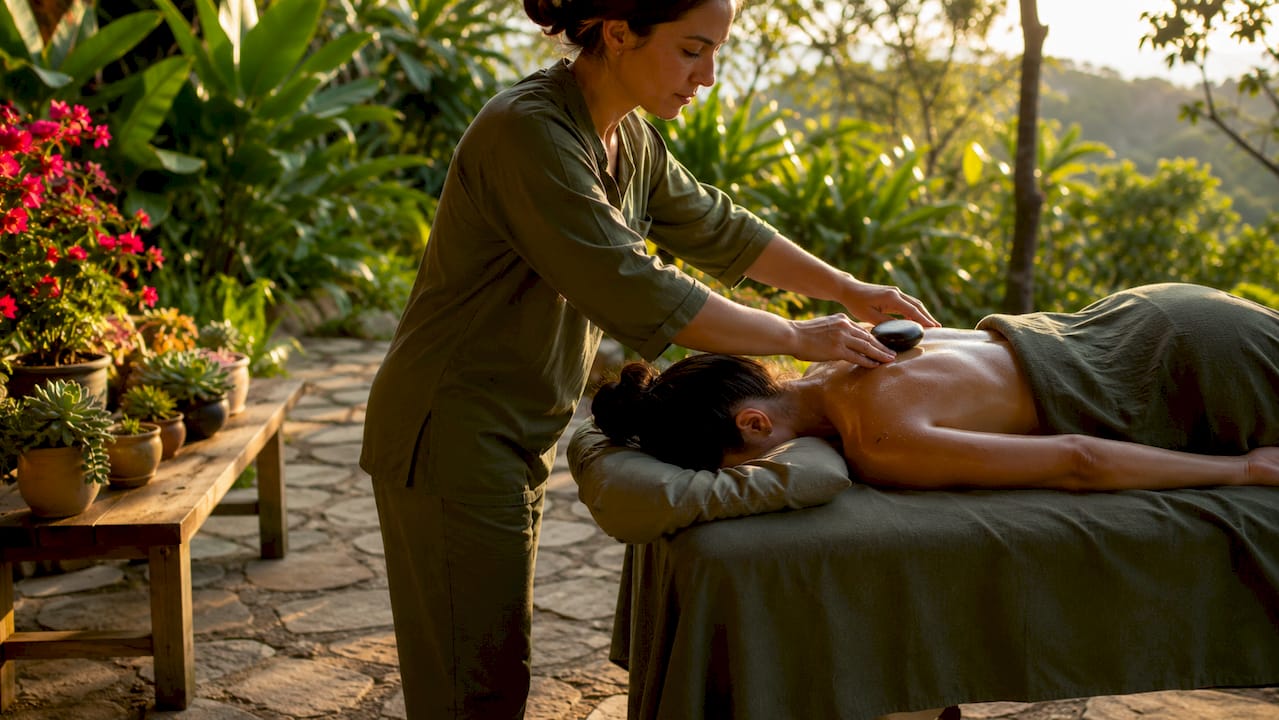
Heated tools like basalt hot stones go further than surface warmth alone. They penetrate deeper muscle layers, softening tissue before a therapist applies manual pressure. This is why heated stones allow therapists to work more deeply with less surface pressure, a critical advantage for people who find standard deep tissue massage too intense.
The result is faster knot release, less post-session soreness, and longer-lasting relief. Research confirms that therapeutic heat combined with massage lowers blood pressure by 8–12 mmHg in hypertensive patients through vasodilation. That is a clinically meaningful drop that rivals some low-dose medications.
Key physiological effects of heat on muscles:
- Blood vessels dilate, raising circulation and nutrient delivery
- Muscle fibers soften, making them easier to manipulate
- Metabolic waste clears faster, reducing post-session soreness
- Connective tissue becomes more pliable, improving range of motion
- Nerve sensitivity decreases, lowering the perception of pain
Pro Tip: Apply a heating pad to the target area for 10 minutes before your massage session. Pre-warming the tissue lets your therapist reach deeper layers in less time.
2. What are the mental and stress-relief benefits of heated massage?
Heat activates the parasympathetic nervous system, the body’s “rest and digest” mode, within minutes of application. This nervous system shift lowers cortisol, the primary stress hormone, while raising serotonin and dopamine levels. The practical result is a calmer mind, a slower heart rate, and a body that stops bracing against tension.
For adults aged 30–65 living with chronic stress, this shift is not a luxury. It is a physiological reset that the body rarely gets on its own. Many people in this age group spend most of their waking hours in a low-grade fight-or-flight state, driven by work pressure, physical discomfort, and poor sleep. Heated massage interrupts that cycle directly.
The warm massage benefits extend into sleep quality as well. When cortisol drops and serotonin rises, the body produces more melatonin, which deepens sleep. Clients who receive regular heated massage sessions frequently report falling asleep faster and waking with less stiffness.
Mental benefits you can expect from regular sessions:
- Cortisol reduction leads to lower anxiety and irritability
- Serotonin and dopamine increases improve mood within hours
- Parasympathetic activation slows heart rate and breathing
- Improved sleep quality reduces daytime fatigue
- Sensory warmth creates a calming effect that quiets mental chatter
3. How heated massage helps with chronic pain and arthritis
Chronic pain conditions like arthritis and fibromyalgia share a common problem: the body guards painful areas by tightening surrounding muscles. That guarding creates a domino effect of physical strain that spreads far beyond the original injury site. Heat breaks this cycle by relaxing the guarding muscles before any manual work begins.
Clinical results back this up. Patients with chronic lower back pain experienced a 67% reduction in pain scores after six heated massage sessions. That figure reflects a real shift in daily function, not just temporary comfort. For people managing fibromyalgia, heat is especially valuable because it enables deeper muscle work with gentler surface pressure, which these patients require.
Heat also primes joints and muscles to respond better to physical therapy and stretching. Using heat before a PT session increases tissue pliability, which means exercises produce better range of motion gains in less time. This is why many physical therapists apply moist heat packs before manual work.
Steps for using heated massage to manage chronic pain:
- Apply heat to the affected area for 10–15 minutes before any manual therapy
- Use moderate, consistent temperature rather than high, short bursts
- Follow the heated massage with gentle stretching while tissue is still warm
- Schedule sessions at a frequency that keeps muscles primed between appointments
- Track pain scores over 4–6 sessions to measure your personal response
Pro Tip: For morning stiffness from arthritis, use a heating pad for 15 minutes before getting out of bed. Warming the joints first reduces the sharp pain that often comes with the first movements of the day.
4. Comparison of heated massage methods and tools
Not all heated massage methods deliver the same result. The right choice depends on your goals, budget, and how much access you have to professional care.
Hot stone massage uses smooth basalt stones heated to around 130–145°F. A licensed therapist places and glides the stones across muscle groups. This method reaches the deepest tissue layers and is best for chronic tension and full-body relaxation. It requires a professional setting and is the most expensive option.
Heating pads are the most accessible form of warm therapy. Heating pads increase blood flow, relax muscles, reduce stiffness, and speed recovery. They work well for targeted relief on the lower back, shoulders, or knees. They do not replicate manual pressure, but they are effective for daily maintenance between professional sessions.
Heated massage chairs combine mechanical rollers with built-in heat panels. They offer a middle ground between professional care and home convenience. The heat loosens tissue while the rollers apply pressure, making them useful for people who need frequent sessions but cannot visit a therapist regularly.
| Method | Heat depth | Manual pressure | Best for | Cost |
|---|---|---|---|---|
| Hot stone massage | Deep | Professional | Chronic tension, full body | High |
| Heating pad | Surface to mid | None | Daily maintenance, targeted areas | Low |
| Heated massage chair | Mid | Mechanical | Frequent home use | Medium to high |
Safety notes across all methods:
- Never apply heat directly to broken skin or open wounds
- Avoid heated massage over acute injuries in the first 48–72 hours
- People with hypertension should consult a physician before hot stone sessions
- Keep heating pad sessions to 15–30 minutes to prevent skin irritation
5. How to maximize results and use heated massage safely
Safe use of heated massage comes down to timing, temperature, and frequency. The research is clear: applying moderate heat for 15–30 minutes two to three times daily produces the best muscle relief without risking skin irritation. Exceeding that window does not add benefit and can cause surface burns or erythema.
Frequency matters more than session length. The therapeutic window where muscles stay pliable and circulation stays elevated lasts 24–48 hours after heat application. Shorter, more frequent sessions maintain that window better than one long weekly session. This is especially true for people managing chronic conditions.
Timing heat around other treatments also matters. Using heat before physical therapy or stretching primes the tissue for better results. Using it after exercise helps clear soreness faster. The one firm rule: do not apply heat to an acute injury until the inflammation phase has passed, which typically takes 48–72 hours.
Practical guidelines for safe home use:
- Use medium heat settings rather than maximum to protect skin
- Place a thin cloth between a heating pad and bare skin
- Set a timer so you do not fall asleep with heat applied
- Combine heat with gentle self-massage using your hands or a foam roller
- Consult your doctor before using heated massage if you have diabetes, poor circulation, or hypertension
Pro Tip: Finish every heated massage session with two minutes of cool-down. A cool, damp cloth on the treated area helps close pores, reduce surface redness, and signal the body that the session is complete.
Key takeaways
Heated massage therapy delivers superior pain relief and stress reduction by combining vasodilation, nervous system activation, and deeper muscle access that standard massage alone cannot achieve.
| Point | Details |
|---|---|
| Heat amplifies massage depth | Warm tissue is softer and more pliable, letting therapists reach deeper layers with less pressure. |
| Circulation rises immediately | Vasodilation delivers oxygen and clears waste, reducing soreness and speeding recovery. |
| Stress hormones drop measurably | Heat activates the parasympathetic nervous system, lowering cortisol and raising serotonin. |
| Chronic pain responds well | Patients with lower back pain saw a 67% pain score reduction after six heated massage sessions. |
| Frequency beats duration | Sessions of 15–30 minutes two to three times daily outperform infrequent long sessions for lasting relief. |
Lunix’s take on why heat changes everything about massage
Most people underestimate what heat actually does in a massage session. They think of it as comfort, a warm room, a cozy table. The real story is physiological. Heat does the preparatory work that lets every other technique land more effectively.
What I have seen, working with people in the 30–65 age range, is that this group carries tension differently than younger adults. Years of desk work, stress accumulation, and reduced recovery time mean their muscles are chronically guarded. Standard massage pressure often meets resistance. Heat dissolves that resistance before the work even begins.
The other thing worth saying plainly: deeper pressure is not always better. Heat lets you get a deeper therapeutic effect with a gentler touch. For anyone with fibromyalgia, arthritis, or general sensitivity, that is not a compromise. It is the better approach. You can explore thermal therapy and how it transforms recovery to understand the full science behind this.
My recommendation is to treat heated massage as a regular practice, not a one-time treat. Two to three sessions per week, even short home sessions with a quality heating pad, will produce compounding benefits over time. The body responds to consistency. Give it that, and the results will follow.
— Lunix
How Lunixinc supports your heated massage routine at home
Heated massage therapy works best when it is part of a consistent daily routine, not just an occasional clinic visit. Lunixinc designs recovery tools built specifically for this kind of regular, at-home use. Each product is engineered to deliver targeted heat and pressure where your body needs it most, whether that is your lower back after a long workday or your shoulders after a tough workout.

Lunixinc recovery tools integrate directly with the principles covered in this article: consistent moderate heat, the right session duration, and support for the muscle groups most affected by chronic tension. You can browse the full range of Lunixinc recovery products designed to complement heated massage therapy and bring professional-level relief into your home. Your body deserves that kind of daily attention.
FAQ
What are the main benefits of heated massage?
Heated massage improves circulation, reduces muscle tension, lowers cortisol, and relieves chronic pain. Heat causes vasodilation, which delivers more oxygen to muscles and clears waste products faster than massage alone.
How long should a heated massage session last?
Apply moderate heat for 15–30 minutes per session, two to three times daily for best results. Exceeding 30 minutes increases the risk of skin irritation without adding therapeutic benefit.
Is heated massage safe for arthritis?
Heated massage is safe and effective for arthritis. Heat reduces muscle guarding around stiff joints and allows therapists to work more deeply with less surface pressure, which arthritis patients tolerate better.
When should you avoid heat during massage?
Avoid applying heat to an acute injury during the first 48–72 hours after it occurs. Heat applied during active inflammation can worsen swelling and delay healing.
Does a heating pad provide the same benefits as hot stone massage?
A heating pad delivers surface to mid-level warmth and improves circulation and muscle relaxation. Hot stone massage reaches deeper tissue layers with professional manual pressure, making it more effective for chronic tension, though a heating pad is a practical daily option for home maintenance.