


Stress can build up in ways that leave your body feeling heavy and your mind restless, especially after a long day in a busy American city. Creating a dedicated space for relaxation is about more than comfort—it influences how deeply you recover and recharge. By focusing on preparing your environment and gathering the right massage tools, you set the stage for at-home techniques that help restore your sense of well-being and support lasting stress relief.
Table of Contents
- Step 1: Prepare Your Space and Tools
- Step 2: Select the Right Massage Techniques
- Step 3: Apply Safe and Effective Pressure
- Step 4: Focus on Key Muscle Groups
- Step 5: Verify Comfort and Relaxation
Quick Summary
| Key Insight | Explanation |
|---|---|
| 1. Create a Relaxing Environment | Prepare a warm, inviting space free from interruptions to enhance your massage experience. |
| 2. Use Proper Techniques | Select techniques such as Effleurage for relaxation and Petrissage for targeting knots for more effective results. |
| 3. Monitor Pressure Carefully | Start with light pressure, adjusting based on your body’s feedback to avoid discomfort while achieving relaxation. |
| 4. Focus on Problem Areas | Concentrate on tension-prone areas like your shoulders and lower back to maximize therapeutic benefits. |
| 5. Check for Comfort and Relaxation | Pay attention to your breathing and body sensations to ensure you are truly relaxing during the massage. |
Step 1: Prepare Your Space and Tools
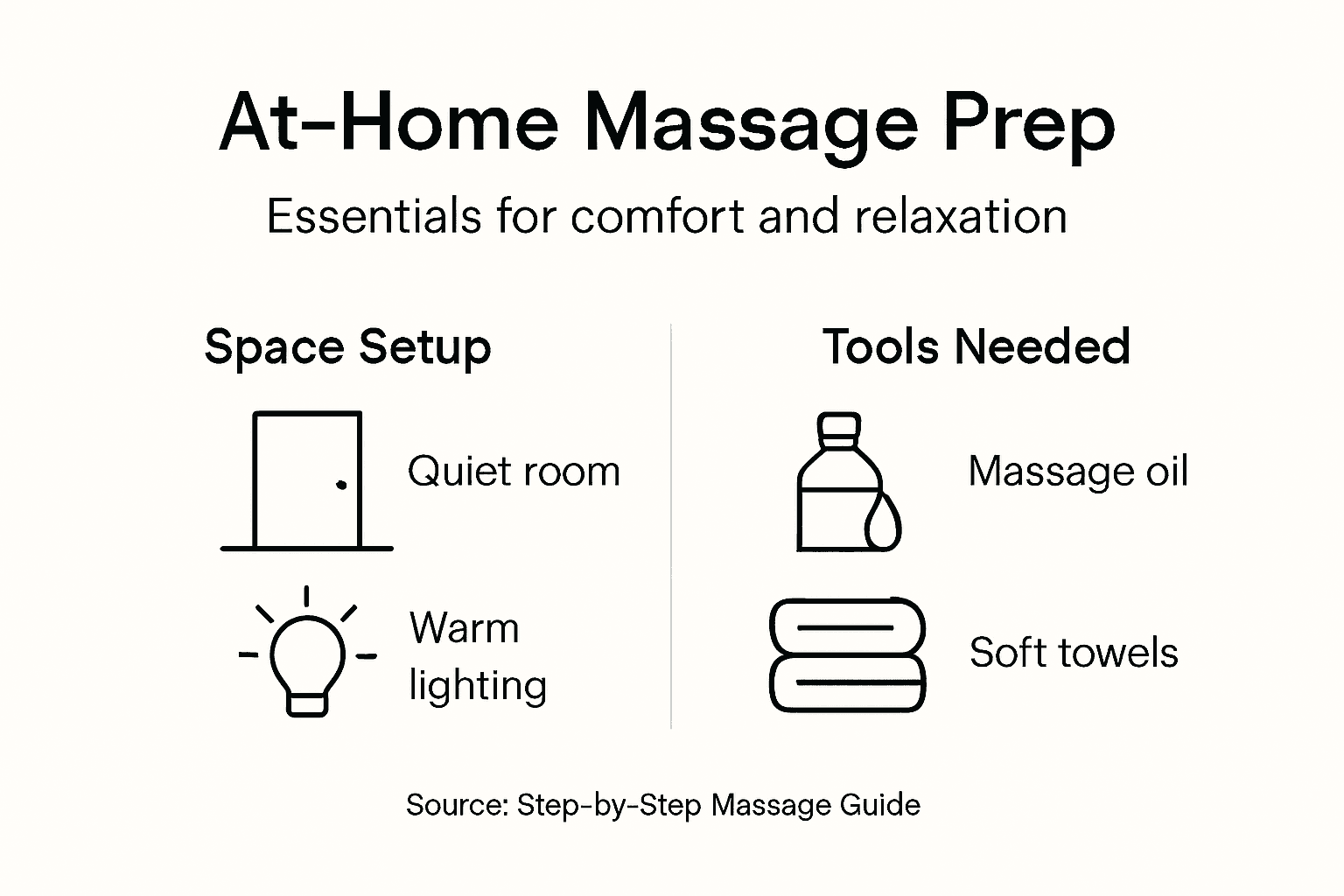
Before you begin your at-home massage session, invest a few minutes in creating an environment that supports relaxation rather than works against it. Your surroundings matter more than you might think. A cluttered, cold room with harsh lighting will undermine even the best massage technique, while a thoughtfully prepared space becomes your personal wellness retreat that signals to your body it is time to rest and recover.
Start by selecting a room where you can minimize interruptions. Close the door, silence your phone, and let others in your household know you need uninterrupted time. The space should feel warm and inviting. A room temperature around 70 to 75 degrees Fahrenheit works well since your body temperature naturally drops during relaxation, and you do not want to become chilled. If your current room tends to be cool, have a light blanket nearby. Soft, calming music or nature sounds in the background can significantly enhance your experience. Many people in your age group find that gentle instrumental music or ambient soundscapes help quiet their racing minds far more effectively than silence.
For your massage surface, choose something comfortable but supportive. A firm bed works in a pinch, but a massage table, sturdy couch, or even a cushioned chair can provide better positioning depending on which areas you plan to massage. The goal is stability without sinking too deeply into the surface. You want your joints supported so your muscles can fully relax rather than tensing to keep you balanced.
Gather your tools and supplies within arm’s reach before you start. Lymphatic drainage self-massage works best when your skin is already warmed from a shower or bath, so plan your massage for that window of time when your body is naturally primed for the technique. Have a high-quality massage oil or lotion readily available. These lubricants reduce friction between your hands and skin, making strokes smoother and more enjoyable. Look for options without heavy fragrance if scent sensitivity bothers you, though some people find a subtle aromatherapy element enhances their relaxation. Keep a small towel nearby to wipe your hands between different areas and prevent oil buildup.
Understanding where to focus and where to avoid is equally important as having the right setup. Different areas of your body respond better to massage than others, and certain regions require more caution depending on any health conditions you may have. Take a moment to review basic contraindications and safe techniques before beginning. This foundational knowledge prevents injury and ensures your massage experience actually benefits your recovery rather than causing discomfort.
Think about what time of day works best for you. Many people find that evening massage, about 2 to 3 hours after a meal, allows them to fully relax without digestive concerns. If you massage too soon after eating or right before bed, you may feel uncomfortable or struggle to sleep despite feeling relaxed.
Pro tip: Set a specific time on your calendar for massage sessions just like you would for any important appointment, and prepare your space the night before by adjusting temperature, queuing up music, and laying out supplies so you eliminate last-minute decisions when relaxation time arrives.
Step 2: Select the Right Massage Techniques
Now that your space is ready, you need to understand which massage techniques will actually deliver the relaxation and relief you are seeking. Not all massage strokes are created equal, and matching the right technique to your goals makes the difference between a pleasant experience and one that genuinely addresses muscle tension and stress. The beauty of at-home massage is that you can customize your approach based on what your body needs on any given day.
The foundation of effective massage rests on five core techniques that have been refined over decades. Effleurage involves long gliding strokes that warm up your muscles and prepare them for deeper work. These sweeping motions feel luxurious and soothing, making them perfect for starting your session or winding down at the end. Petrissage uses kneading movements where you lift and squeeze muscle tissue, similar to how you would knead bread dough. This technique improves circulation and helps release knots that accumulate from tension. Friction applies deep, circular pressure using your fingers or thumbs to target specific tight spots. It generates heat and can be intense, so start gently and increase pressure only as your body becomes accustomed to it. Vibration involves rapid, rhythmic movements that stimulate nerves and muscles, creating a tingling sensation that many find deeply relaxing. Finally, tapotement uses rhythmic tapping or light percussion movements that invigorate tired muscles and improve overall tone.
Your choice of technique should match your immediate goals and how your body feels. If you want pure relaxation after a stressful day, lean heavily into effleurage and vibration with light, flowing movements. These techniques calm your nervous system without demanding much effort. If you are targeting specific muscle knots or stiffness from your workday, petrissage and friction address those problem areas more directly. Many people find that combining multiple techniques in sequence works better than using just one. Start with effleurage to warm everything up, progress to petrissage and friction for the tight spots, then finish with lighter effleurage to soothe the area. This layered approach gives you a complete experience rather than one-dimensional pressure.
The following table summarizes how different massage techniques best match relaxation or therapeutic goals:
| Technique | Best For | Typical Pressure | Common Body Area |
|---|---|---|---|
| Effleurage | Overall relaxation | Light to moderate | Arms, back |
| Petrissage | Reducing knots | Moderate to deep | Shoulders, legs |
| Friction | Targeting tight spots | Deep | Neck, upper back |
| Vibration | Nerve stimulation | Light | Shoulders, arms |
| Tapotement | Muscle stimulation | Moderate | Thighs, calves |
Pressure matters more than you might realize. Light pressure feels pleasant and promotes relaxation by activating your parasympathetic nervous system, the part of your body that handles recovery and restoration. Deeper pressure targets muscle fibers more intensely and can release chronic tension, but it requires more finesse and awareness of your own pain tolerance. For someone in your age group managing stress and muscle tightness, starting with moderate pressure and adjusting based on comfort works best. Your body will tell you if you are going too deep. Pain that makes you hold your breath or tense up means you should ease back. Productive pressure feels challenging but not uncomfortable.
Consider your sensitivity level and any areas of your body that need special attention. Certain regions like the neck, lower back, and inside of the arms are more delicate and respond better to gentler techniques. Fleshier areas like your shoulders, thighs, and calves can handle more vigorous pressure. If you have any injuries, chronic pain conditions, or health concerns, research safe techniques for those specific areas before beginning. Some conditions benefit greatly from massage while others require modifications or professional guidance.
Pro tip: Start each massage session with light effleurage strokes to observe how your muscles respond that day, then adjust your pressure and technique choices based on what feels right rather than following a rigid plan.
Step 3: Apply Safe and Effective Pressure
Pressure is where theory meets reality in massage. You can know all the right techniques, but if your pressure is wrong, you will either waste your time or worse, create soreness and discomfort that defeats the purpose of relaxation. The goal is finding that sweet spot where your massage feels genuinely therapeutic without crossing into pain territory. Learning to calibrate your pressure takes practice, but your own body provides immediate feedback that guides you.
Understanding the relationship between pressure and results helps you make smarter decisions as you massage. Light pressure engages superficial nerves and promotes deep relaxation by signaling your nervous system that it is safe to rest. Think of light pressure as your invitation to calm down. This is what you want for stress relief, especially after a hectic day at work or when tension lives primarily in your mind rather than knotted in specific muscles. Moderate pressure works through the middle layers of muscle tissue and represents the sweet spot for most people seeking relaxation with some therapeutic benefit. This is where Swedish massage typically operates, using consistent strokes that warm muscles and ease tension without demanding intense focus from your body. Deeper pressure reaches the tighter muscle fibers and addresses chronic knots, but it requires more caution and awareness. When you apply deeper pressure, you are essentially forcing a conversation with stubborn muscle tissue, and that tissue can become irritated if you push too hard or too long.
The relationship between pressure and body area matters just as much as the pressure level itself. Your neck and throat areas contain delicate structures that respond poorly to heavy pressure. Stick with light to moderate touch in these regions. Your shoulders and upper back, conversely, often crave deeper pressure because tension accumulates there from desk work and stress. Your legs and glutes can typically handle more aggressive pressure than your upper body. If you are working on your lower back, moderate pressure is usually best since the area can be sensitive but also needs enough depth to reach the tight muscles. Avoid applying strong pressure directly on your spine, joints, or any area where you have existing pain, inflammation, or injury. These regions require specialized knowledge or professional guidance.
Here’s a quick reference for safe pressure based on body area:
| Body Area | Recommended Pressure | Precautions |
|---|---|---|
| Neck/Throat | Light to moderate | Avoid heavy direct pressure |
| Shoulders/Back | Moderate to deep | Avoid spine and joints |
| Legs/Glutes | Moderate to deep | Watch for sore spots |
| Feet/Soles | Moderate | Notice nerve sensitivity |
Start every massage session conservatively and progress gradually. Begin with light pressure and observe how your body responds over the first few minutes. Does your breathing deepen and relax, or does your body tense up? As your muscles warm and you become more comfortable, gradually increase pressure if you want a deeper experience. This gradual approach prevents the shock of sudden deep pressure and allows your body to surrender into the massage rather than brace against it. Quality communication with yourself is essential. If pressure triggers sharp pain, breath holding, or that gut instinct that something is wrong, ease back immediately. Pressure that creates a dull ache or tender sensation while you breathe normally and your muscles stay relatively relaxed is productive pressure. That is the zone where actual release happens.
Consider your baseline sensitivity. Some people naturally prefer lighter touch while others need deeper pressure to feel like the massage is accomplishing anything. Neither preference is wrong. Effective pressure depends on your massage goals and your personal tolerance. If you are skeptical about whether your home massage is actually doing anything, that may indicate you need slightly deeper pressure. If you find yourself wincing or tense after a session, you went too deep. The goal is finishing feeling relaxed and loose, not sore or bruised. Your forearms and hands will also give you feedback. If your hands or forearms fatigue quickly, you are likely using too much muscle tension to apply pressure. Relax your arms more and let your body weight do the work through gravity and positioning rather than muscular effort. This prevents your hands from wearing out and delivers more consistent, sustainable pressure throughout your session.
Pro tip: Use a pressure scale of one to ten mentally during your massage, aiming for a five to six for relaxation and a six to seven for therapeutic work, and pause every few minutes to notice whether your breathing is slow and deep or shallow and tense.
Step 4: Focus on Key Muscle Groups
Not all muscles deserve equal attention during your massage session. Strategic focus on the areas where you actually hold tension delivers better results than a generic full-body approach. Most people accumulate stress and tightness in predictable locations, and targeting these key zones with intention transforms your massage from a pleasant experience into genuine therapeutic work that addresses your real problems.
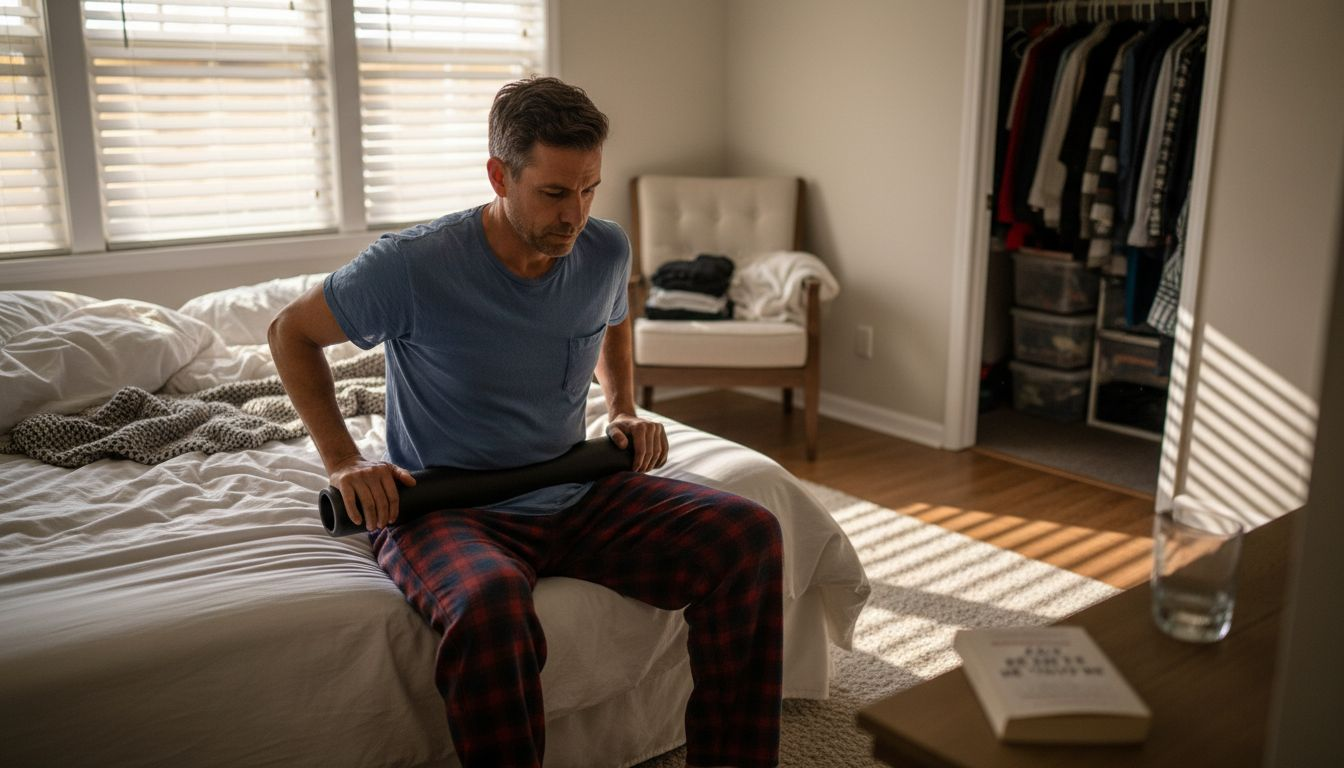
Your shoulders and upper back represent ground zero for tension if you spend your days at a desk or dealing with stress. The trapezius muscle that spans your upper back and shoulders absorbs emotional stress like a sponge, tightening whenever your nervous system enters fight-or-flight mode. This area responds beautifully to massage because the muscle fibers are substantial enough to handle deeper pressure, and releasing this tension creates immediate relief that ripples through your entire body. Your neck is equally important but requires gentler handling. The neck contains delicate structures and sensitive nerves, so focus on light to moderate pressure with slow, deliberate strokes rather than aggressive kneading. Many people notice that neck tension dissolves quickly once they start addressing it consistently. Your lower back deserves attention too, especially if you have spent years sitting for work. The muscles supporting your lower back fatigue from maintaining posture, and they benefit from moderate pressure applied with patience. Avoid working directly on your spine itself, instead focusing on the muscles flanking either side of it.
Your legs carry both physical and emotional tension more than most people realize. Massage targeting leg muscles helps accelerate healing and reduce inflammation by promoting better circulation and immune response. Your quadriceps on the front of your thighs and hamstrings on the back accumulate tension from sitting, walking, and climbing stairs throughout your day. These are large muscle groups that can handle deeper, more vigorous pressure, so do not be timid here. Your calves are another high-tension area, especially if you wear heels, stand for long periods, or have active hobbies. Many people are shocked by how tight their calves actually are until they start massaging them consistently. The soles of your feet deserve attention as well. Your feet contain countless nerve endings and support your entire body weight, yet most people neglect them. Even five minutes of foot massage can create surprising relaxation throughout your body.
Where you focus depends partly on your lifestyle and partly on what your body tells you. Massage therapy commonly addresses areas like the lower back, neck, and shoulders where pain and tension accumulate. If you spend your days hunched over a laptop, your shoulders and chest need attention. If you are on your feet constantly, prioritize your feet and legs. If you have a history of lower back pain, focus there even when it does not currently hurt. The goal is addressing problems before they become severe rather than waiting until pain forces you to act. Listen to your body. If certain areas feel tight, tender, or restricted in movement, those are your priority zones. Spend more time there than on areas that feel fine.
Create a routine that cycles through your key problem areas rather than trying to address everything in one session. A realistic approach involves spending 15 to 20 minutes on your primary concern area, then 5 to 10 minutes each on secondary areas. Over time, you will develop intuition about which muscles need the most attention on any given day. Some days your shoulders will feel tight while your legs feel fine. Other days the reverse is true. The beauty of at-home massage is the flexibility to respond to what your body needs rather than following a preset protocol.
Pro tip: Keep a mental or written note of which muscle groups feel tightest over several weeks, then focus 60 percent of your massage time on those primary areas and 40 percent on everything else, adjusting your focus as problem areas improve.
Step 5: Verify Comfort and Relaxation
You are halfway through understanding how to deliver a massage that actually works. Now comes the part that separates an effective session from a mediocre one: paying attention to whether you are actually becoming more relaxed. Comfort and relaxation are not vague concepts. They are measurable states that your body broadcasts through physical and mental signals. Learning to read these signals tells you whether your technique is working or whether you need to adjust your approach.
Start by checking in with your breathing. This is your most reliable indicator of whether your nervous system has shifted into relaxation mode. When you are genuinely relaxed, your breathing naturally slows and deepens. You breathe from your belly rather than your chest, and your exhales become longer than your inhales. If you notice your breathing is shallow, fast, or holding, that is a signal that something about the massage is not working for you. It could be pressure that is too deep, an area that is too sensitive, or simply that you have not given yourself enough time to settle in. Pause and reassess. Reduce pressure, slow your strokes, or shift to a different area. Your breathing is your built-in feedback system that tells the truth about whether you are relaxing or bracing.
Massage therapy produces calming effects like reduced muscle tension and lower stress hormone levels when done properly. Notice whether your muscles are actually releasing or staying tight. Tension that is melting away feels like a softening sensation. Muscles that remain rigid despite massage pressure suggest you need lighter touch or that the area needs more time to warm up. Check your jaw, shoulders, and forehead. These areas unconsciously tense when pressure is too intense or when your mind is still spinning with stress. If you notice tension accumulating in these areas, ease back. The goal is your entire body becoming softer and heavier, not just the area you are massaging. When your body is genuinely relaxed, you may notice sensations like heaviness, warmth, or even drowsiness. These are exactly what you want. Your mind should also quiet down. If you are mentally cataloging problems or planning tomorrow, that is a sign your body has not fully surrendered to relaxation.
Pay attention to how your body feels after your massage session ends. Relaxation benefits include slower breathing, decreased heart rate, and overall well-being that persist after the massage finishes. You should feel loose, calm, and somewhat drowsy. Your muscles should feel softer when you touch them. Your mind should feel quieter. If you finish your massage feeling tense, sore, or mentally agitated, something went wrong. It could be that pressure was too deep, you worked on an area too long, or you need to spend more time on relaxation techniques before moving into massage work. Some soreness the next day is normal if you worked on areas with significant tension, but you should not feel bruised or damaged. The classic test is asking yourself whether you would want to repeat this massage again. If the answer is an enthusiastic yes, you nailed it. If you felt relieved when it ended, you need to adjust your technique.
Your body also provides feedback through sensations during the massage. Mild tenderness in a tight muscle is good, especially if followed by relief. Sharp pain, burning sensations, or feeling like your skin is being irritated are signals to stop and adjust. Numbness or tingling suggests you are pressing on a nerve and need to shift your hand position. Goosebumps and chills can indicate release of stored tension, which is positive. Itching sometimes happens as inflammation settles, also positive. Some of these sensations feel slightly uncomfortable in the moment but are actually productive. Others feel legitimately wrong and demand that you stop. Your intuition knows the difference between productive discomfort and actual pain. Trust that intuition.
Pro tip: Set a simple goal before each massage like “I want to feel my shoulders drop” or “I want my breathing to slow,” then check whether that goal is achieved 10 minutes into the session, allowing you to adjust technique early rather than finishing with an unsuccessful massage.
Enhance Your At-Home Massage Experience with Lunix
The article highlights the challenges of creating the perfect space and using the right techniques for at-home massage to truly relax and relieve muscle tension. If you find it hard to maintain comfort, achieve effective pressure, or consistently target the key muscle groups that hold your stress, you are not alone. Many people struggle with these exact issues and goals like reducing muscle soreness, calming the nervous system, and enhancing recovery.
Lunix offers premium wellness products designed to support your body’s natural restoration and relaxation processes. Our innovative solutions transform any room into a personalized sanctuary, helping you master the art of self-care through smarter recovery and comfort. From thoughtfully engineered supports to materials that maintain ideal temperature and cushioning, you can create that ideal environment every time. Discover how to integrate Lunix products seamlessly into your routine so you can fully embrace the calming effects of massage and reach your relaxation goals.
Experience the difference. Explore Lunix wellness solutions today and upgrade your at-home massage setup for consistent relief and comfort.

Ready to restore, relax, and perform at your best? Visit Lunix now and create your own elevated relaxation station that works in harmony with your massage techniques. Take control of your wellness journey and enjoy every moment of rejuvenation starting today.
Frequently Asked Questions
What preparations should I make for an at-home massage?
Before starting your at-home massage, create a relaxing environment. Choose a quiet room, adjust the temperature to around 70 to 75 degrees Fahrenheit, and keep soothing music or nature sounds playing to enhance your experience.
Which massage techniques should I use for relaxation?
To achieve relaxation during your massage, focus on techniques like effleurage and vibration. Start with effleurage to warm up your muscles, then incorporate vibration to stimulate nerves, ensuring a calming experience.
How do I find the right pressure during my massage?
Begin your massage with light pressure and gradually increase it based on your comfort levels. Aim for a pressure level of five to six on a scale of ten for relaxation to avoid discomfort or soreness.
What muscle groups should I focus on during my massage?
Target key muscle groups like your shoulders, neck, and lower back, as these areas typically hold the most tension. Spend around 15 to 20 minutes on your primary concern area, adjusting based on what your body needs on each day.
How can I ensure I am relaxed during the massage?
Check in with your breathing as you massage; deep, slow breaths indicate relaxation. If your breathing becomes shallow or tense, reassess your pressure and technique, adjusting as needed to promote a calming experience.
How should I track my progress with at-home massage?
Take note of which muscle groups feel tight over a few weeks and adjust your focus accordingly. Spend roughly 60 percent of your massage time on primary areas and 40 percent on secondary ones, allowing for a more targeted approach to relaxation.