


TL;DR:
- Therapeutic massage tools aid muscle relaxation, pain relief, and recovery through various methods like percussion, pressure, heat, or nerve stimulation. Choosing the right device depends on your specific goals, with effective routines typically involving a few focused tools rather than many overlapping gadgets. Consistent use of appropriately selected tools, combined with proper technique and lifestyle factors, yields the best recovery results.
Therapeutic massage tools are devices and manual implements designed to support muscle relaxation, pain relief, and physical recovery through methods like percussion, pressure, heat, or nerve stimulation. The main categories include percussion massage guns like the Theragun PRO and Hypervolt 2 Pro, manual tools like massage balls and the Theracane, heat therapy devices like shiatsu cushions, and nerve stimulators like the Pulsetto Vagus Nerve Massager. Understanding the types of therapeutic massage tools available helps you build a focused, effective routine without wasting money on overlapping devices that deliver the same result.
1. what are the main types of therapeutic massage tools?
Eight primary types of massage tools are used by therapists and for self-massage: spiky balls, foam massage balls, massage guns, hot stones, massage sticks, thumb tools, soft tissue tools, and handheld massagers. Each category targets a different recovery need. Percussion devices work best for broad muscle groups, while manual tools like massage balls address precise trigger points. Heat tools relax tissue before deeper work begins, and nerve stimulators target the nervous system rather than muscle fibers directly.
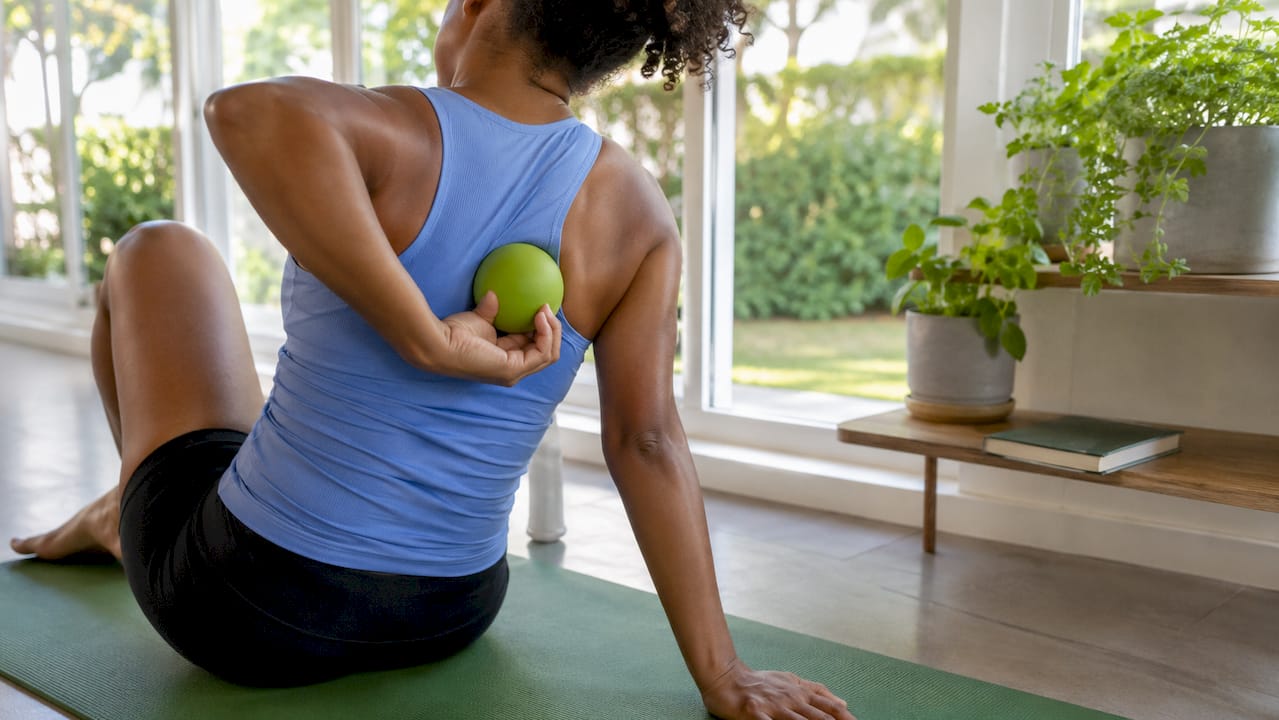
Knowing which category fits your goal is the first decision you need to make. Muscle soreness after a workout calls for a different tool than stress-driven tension in your neck and shoulders. Matching the tool to the problem is what separates a useful recovery routine from a cluttered drawer of gadgets.
2. percussion massage guns for deep muscle relief
Percussion massage guns are the most popular category of best therapeutic massage devices for active adults and athletes. The Theragun PRO and Hypervolt 2 Pro are consistently rated as top choices for deep tissue relief and muscle recovery. Both deliver rapid, repetitive pulses into muscle tissue, increasing circulation and reducing soreness after exercise. The Theragun PRO operates at up to 2,400 percussions per minute, while the Hypervolt 2 Pro offers a quieter motor suited for office or travel use.
Key benefits of percussion massage guns:
- Accelerate post-workout muscle recovery by increasing blood flow to fatigued tissue
- Reduce delayed onset muscle soreness (DOMS) when used within 30 minutes after exercise
- Reach deep muscle layers that foam rollers cannot access effectively
- Portable and easy to use without a partner or professional appointment
Who benefits most: Adults aged 30–65 who exercise regularly, sit at a desk for long hours, or carry chronic tension in the back, shoulders, or legs.
Pro Tip: Start at the lowest speed setting and hold the gun on each muscle group for 30–60 seconds. Moving too fast reduces contact time and limits the recovery benefit.
Percussion guns range from $100 to over $600 depending on motor power, battery life, and attachments. For most users, a mid-range model with at least three speed settings and a standard round head attachment covers the majority of use cases. You can also read more about using massage guns in daily routines for practical guidance.
3. manual massage tools for trigger point relief
Manual tools give you precise control over pressure and angle, which matters more than most people realize. Massage canes, handheld pressure tools, and massage balls provide targeted trigger point relief using your own body weight and leverage. The Theracane, for example, lets you reach the upper back and neck without straining your arms. A lacrosse ball or spiky massage ball lets you pin a tight spot against a wall or floor and hold sustained pressure.
Common manual massage tool types and their best uses:
- Massage balls (lacrosse, spiky, foam): Feet, glutes, upper back, and shoulder blades
- Theracane or massage cane: Neck, upper trapezius, and hard-to-reach back muscles
- Foam rollers: IT band, quads, hamstrings, and thoracic spine
- Massage sticks: Calves, shins, and thighs for quick pre-workout warm-up
Pro Tip: Pressure angle matters more than force. Approach a trigger point at a slight angle rather than pressing straight down. This reduces muscle guarding and allows the tissue to release more fully.
Manual tool comparison
| Tool | Best Body Area | Effort Required | Price Range |
|---|---|---|---|
| Lacrosse ball | Feet, glutes, upper back | Low | $5–$15 |
| Theracane | Neck, shoulders, mid-back | Moderate | $30–$50 |
| Foam roller | Legs, thoracic spine | Moderate | $20–$60 |
| Massage stick | Calves, quads, shins | Low to moderate | $15–$40 |
Manual tools are the most budget-friendly category of popular massage instruments. They require no batteries, no charging, and no app. Their main limitation is that reaching certain areas, like the mid-back, takes practice and some physical effort.
4. heat-based devices and nerve stimulators
Heat therapy relaxes muscles and improves circulation, making it one of the most effective ways to prepare tissue before deeper massage work. Heated shiatsu cushions combine kneading nodes with warmth to address the neck, shoulders, and lower back simultaneously. The heat component softens tight fascia, which makes the mechanical pressure more effective and more comfortable.
Nerve stimulators work differently. The Pulsetto Vagus Nerve Massager promotes parasympathetic nervous system activation, which reduces stress-related tension and improves sleep quality. This is a fundamentally different mechanism from muscle-focused tools. Where a percussion gun addresses the physical tightness in a muscle, a vagus nerve stimulator addresses the neurological state that caused the tension in the first place.
The key distinction: Muscle recovery tools work on tissue. Nerve stimulation tools work on the system that controls how your body holds tension. Both have a place in a complete wellness routine, but they are not interchangeable.
Practical ways to combine these tools:
- Use a heated shiatsu cushion for 10 minutes before applying a percussion gun or foam roller
- Follow an intense workout recovery session with 15–20 minutes of vagus nerve stimulation to shift the body into a rest state
- Use heat therapy on chronically tight areas like the lower back before manual trigger point work
If you experience stress-driven tension, poor sleep, or anxiety-related muscle tightness, a nerve stimulator may deliver more relief than any percussion device. For more on how natural stress solutions complement physical recovery tools, the connection between nervous system health and physical tension is well documented.
5. types of physical therapy tools vs. consumer massage devices
Physical therapy tools and consumer massage devices overlap significantly, but they are not identical categories. Physical therapists use tools like IASTM (instrument-assisted soft tissue mobilization) scrapers, resistance bands, and electrical stimulation units in clinical settings. Consumer versions of these tools, such as Graston-style scrapers and TENS units, are now widely available for home use.
The practical difference is supervision and protocol. A physical therapist applies a scraper with specific pressure, direction, and duration based on your diagnosis. At home, you apply the same tool based on feel and general guidance. Both approaches have value, but massage tools prepare the body for therapeutic exercise rather than replacing the exercise itself. This distinction matters if you are recovering from an injury.
For general wellness and recovery, consumer-grade tools cover most needs. TENS units and EMS (electrical muscle stimulation) devices are particularly useful for pain management and muscle activation. They are compact, affordable, and effective for lower back pain, knee discomfort, and post-workout soreness.
6. how to choose the right massage tool for your needs
Choosing the right tool starts with one question: what is your primary goal? Tool selection should align with individual goals, since muscle soreness responds best to percussion or EMS, while stress-driven tension benefits more from vagus nerve stimulation or heat. Buying a percussion gun when your real problem is anxiety-driven neck tension will leave you frustrated.
The optimal home setup is minimalist: one reach tool (like a Theracane or percussion gun), one ball-based trigger point tool (like a lacrosse ball or spiky ball), and one heat or electrical stimulation device. This three-tool approach covers the full range of recovery and relaxation needs without redundancy.
Tool selection by goal
| Primary Goal | Best Tool Type | Example |
|---|---|---|
| Post-workout muscle recovery | Percussion massage gun | Theragun PRO, Hypervolt 2 Pro |
| Trigger point and knot relief | Manual ball or cane | Lacrosse ball, Theracane |
| Stress and sleep improvement | Nerve stimulator | Pulsetto Vagus Nerve Massager |
| General relaxation and warmth | Heat therapy device | Heated shiatsu cushion |
| Pain management at home | Electrical stimulation | TENS or EMS unit |
Pro Tip: Avoid buying two tools that do the same job. A foam roller and a massage stick both address leg muscles. Pick one and master it before adding another device to your routine.
Common mistakes include buying the most expensive percussion gun when a mid-range model would suffice, or purchasing a full foam roller when a massage ball would be more practical for your living space. The benefits of massage tools come from consistent use, not from owning the most advanced device on the market.
Key takeaways
The most effective approach to therapeutic massage tools is matching each device to a specific goal, using a focused three-tool setup rather than accumulating overlapping devices.
| Point | Details |
|---|---|
| Match tool to goal | Percussion guns suit muscle recovery; nerve stimulators suit stress-driven tension. |
| Start minimalist | One reach tool, one ball tool, and one heat or stim device covers most needs. |
| Angle beats force | Pressure angle matters more than intensity for trigger point release. |
| Heat first, then active tools | Warming tissue before percussion or manual work improves comfort and results. |
| Tools complement exercise | Massage devices prepare and restore tissue but do not replace active recovery. |
What Lunixinc has learned about building a real recovery routine
Most people approach massage tools the same way they approach gym equipment: more is better, and the most expensive option must be the most effective. That assumption leads to a shelf full of devices that never get used consistently.
What actually works is simpler. A heated cushion for 10 minutes before bed, a lacrosse ball against the wall for the upper back, and a percussion gun after workouts covers the recovery needs of most adults aged 30–65. The sequence matters too: warming tissue first, then applying active tools, then finishing with something passive like a nerve stimulator or heat pad, produces noticeably better results than using tools in random order.
The other thing worth saying directly: pressure angle is the skill most people never develop. Pressing harder into a trigger point rarely releases it faster. Approaching the same point from a slightly different angle, with moderate and sustained pressure, almost always works better. This is the insight that separates people who get real results from massage tools from those who give up after two weeks.
Mechanical tools support muscle healing most effectively when paired with movement, hydration, and sleep. No device replaces those fundamentals. Used consistently and correctly, though, the right tools make a real difference in how your body feels day to day.
— Lunix
Discover recovery tools designed for real results

Lunixinc offers a curated collection of recovery tools built for adults who want results without complexity. From percussion massage guns and heated cushions to targeted trigger point tools, every product in the Lunixinc recovery collection is selected for quality, ease of use, and genuine effectiveness. You do not need a dozen devices. You need the right ones, used consistently. Browse the full range at Lunixinc and find the tools that match your goals, your body, and your daily routine. Your recovery starts with one good choice.
FAQ
What are the main types of therapeutic massage tools?
The main types include percussion massage guns, manual tools like massage balls and canes, heat therapy devices, nerve stimulators, and electrical stimulation units like TENS and EMS devices. Each type targets a different recovery or relaxation need.
How do i choose between a massage gun and a foam roller?
A massage gun delivers deeper, more targeted percussion to specific muscle groups, while a foam roller covers broader areas using body weight. Choose a massage gun for post-workout soreness in specific muscles and a foam roller for general leg and back maintenance.
Can therapeutic massage tools replace physical therapy?
Massage tools prepare and restore tissue but do not replace rehabilitative exercises or clinical physical therapy. They work best as a complement to active recovery, not as a standalone treatment for injuries.
What is the best massage tool for stress and sleep problems?
Vagus nerve stimulators like the Pulsetto Vagus Nerve Massager promote parasympathetic nervous system activation, which reduces stress and improves sleep quality. Heat therapy devices also support relaxation when used before bed.
How many massage tools do i actually need?
Three tools cover most needs: one reach tool like a percussion gun or Theracane, one ball-based trigger point tool, and one heat or electrical stimulation device. Owning more than three tools often leads to overlap and inconsistent use.