


TL;DR:
- Many adults in midlife wake up tired despite enough sleep because true restoration involves multiple rest types beyond sleep itself. Recognizing and addressing deficits in physical, mental, emotional, social, sensory, creative, and spiritual rest can improve overall well-being. Concentrating on simple, consistent habits rooted in foundational practices yields more sustainable restoration than overcomplicated routines.
You’re sleeping seven hours a night, eating reasonably well, and still waking up feeling like your energy never quite returns. Sound familiar? For many adults in their 40s and beyond, this disconnect happens because true restoration goes far beyond sleep alone. The APA identifies seven types of rest that your body and mind need, and most people are only tending to one or two of them. This guide breaks down what genuine, full-spectrum restoration looks like and gives you practical, evidence-backed daily habits you can start using right now.
Table of Contents
- How to identify your restorative needs: The seven rest types
- Simple daily habits for full-spectrum restoration
- Midlife stretch: Recovery strategies tailored for ages 40 and up
- Layering in complementary restoration: Mindfulness, meditation, and realistic expectations
- Why simplicity beats over-optimization for real restoration
- Support your restorative routine with quality recovery tools
- Frequently asked questions
Key Takeaways
| Point | Details |
|---|---|
| Seven rest types matter | Balancing physical, mental, emotional, social, sensory, creative, and spiritual rest supports holistic well-being. |
| Start with daily basics | Daily restoration works best when you build on healthy eating, movement, and consistent sleep before testing extra wellness trends. |
| Midlife routines need upgrades | After age 40, hydration, stretching, bone support, and menopause-aware strategies are key additions. |
| Mindfulness is proven, but not magic | Meditation and mindfulness are helpful, but most complementary methods need more evidence—stick with what you can sustain. |
| Consistency beats complexity | Simple, steady habits repeated daily refresh your body and mind more than chasing perfect routines. |
How to identify your restorative needs: The seven rest types
Now that you know restorative practices go beyond just getting enough sleep, let’s break down the seven types of rest that your body and mind might actually be craving. Learning to recognize each one is the first step toward building a routine that genuinely works for you.
According to the seven types of rest, each category addresses a distinct kind of depletion. Here’s a quick breakdown:
- Physical rest includes both passive rest (sleep, napping) and active rest like gentle yoga, stretching, or a slow walk.
- Mental rest is about quieting a busy mind, especially if you find yourself constantly problem-solving or juggling tasks.
- Emotional rest means having space to express how you truly feel without filtering yourself for others.
- Social rest involves stepping back from draining interactions and prioritizing time with people who energize rather than exhaust you.
- Sensory rest means reducing the constant input of screens, noise, and notifications that bombard your nervous system daily.
- Creative rest comes from experiencing beauty and inspiration, whether through art, nature, or anything that sparks a sense of wonder.
- Spiritual rest is about connecting to something larger than yourself, whether through faith, community, purpose, or meaningful contribution.
“Burnout isn’t just exhaustion from too little sleep. It’s the result of multiple rest deficits stacking up over time. When you only address one type of rest, the others keep draining you silently until the whole system crashes.” This is why people who sleep eight hours and still feel depleted are often running a serious emotional, sensory, or mental deficit.
Knowing which category you’re low on helps you choose the right rest types for adults rather than guessing your way through wellness trends.
| Rest type | Signs of depletion | Suggested daily habit |
|---|---|---|
| Physical | Muscle aches, fatigue, poor posture | 10-min stretch or light walk |
| Mental | Forgetfulness, racing thoughts | Scheduled “no-task” breaks |
| Emotional | Feeling numb or easily irritated | Journaling or honest conversation |
| Social | Drained after gatherings | Say no to one obligation weekly |
| Sensory | Headaches, light sensitivity | 20 min device-free daily |
| Creative | Boredom, lack of motivation | Spend time in nature or with art |
| Spiritual | Purposelessness, disconnection | Volunteer or join a community |
Take a few minutes to scan this table honestly. If two or three categories resonate with you, you’ve already found your starting point.
Simple daily habits for full-spectrum restoration
Understanding what kind of rest or recovery you’re missing makes it easier to select the habits that actually address your needs. Here are the most effective, doable upgrades you can incorporate every day.
Building a restorative daily routine doesn’t require a dramatic lifestyle overhaul. The Harvard self-care pillars emphasize three consistent foundations that work together: quality sleep, regular physical movement, and smart nutrition. When you focus on these three areas, everything else in your well-being tends to improve as a byproduct.
Here’s a numbered list of habits that map directly to these pillars and stay realistic for busy midlife adults:
-
Build a consistent sleep window. Going to bed and waking at the same time, even on weekends, trains your body’s internal clock. A reliable bedtime routine guide can help you wind down more effectively and reduce the time it takes to fall asleep.
-
Add movement in small increments. You don’t need a gym membership to hit your activity targets. The CDC recommends accumulating activity through walking meetings, parking farther away, or taking short movement bursts throughout the day, working toward 150 minutes of moderate activity per week.
-
Eat for recovery, not just fuel. Focus on whole foods, vegetables, lean proteins, and whole grains while cutting back on added sugars and excess sodium. Your meals directly affect your inflammatory load, which determines how well your muscles and joints recover between activities.
-
Schedule intentional device breaks. Try a 20-minute screen-free period before bed and a 10-minute mid-afternoon sensory break. This is one of the fastest ways to reduce mental and sensory depletion simultaneously.
-
Incorporate wind-down triggers. Dim your lights, put on calm music, or make a cup of herbal tea about 45 minutes before bed. These small cues signal your nervous system that it’s time to shift from “doing” mode to “restoring” mode.
-
Try active recovery instead of total rest. For sore muscles or post-exercise fatigue, light movement like a slow 15-minute walk or gentle foam rolling promotes circulation and recovery faster than lying on the couch. Explore physical recovery tips to find what works best for your body at this stage of life.
-
Address stress with targeted techniques. Practices like deep breathing and progressive muscle relaxation (a method where you tense and release muscle groups one by one) work as relaxation therapy methods that reduce cortisol levels and reset your nervous system between demanding activities.
Pro Tip: Don’t try to implement all seven habits at once. Pick one habit from sleep, one from movement, and one from nutrition, and practice them consistently for two to three weeks before adding anything new. Stacking improvements gradually creates real, lasting change. You’ll also find well-being improvement tips that align perfectly with this gradual approach.
Midlife stretch: Recovery strategies tailored for ages 40 and up
For adults in their 40s, 50s, and beyond, restorative needs shift and so do the solutions. Here’s how to stay resilient and energized as you age.
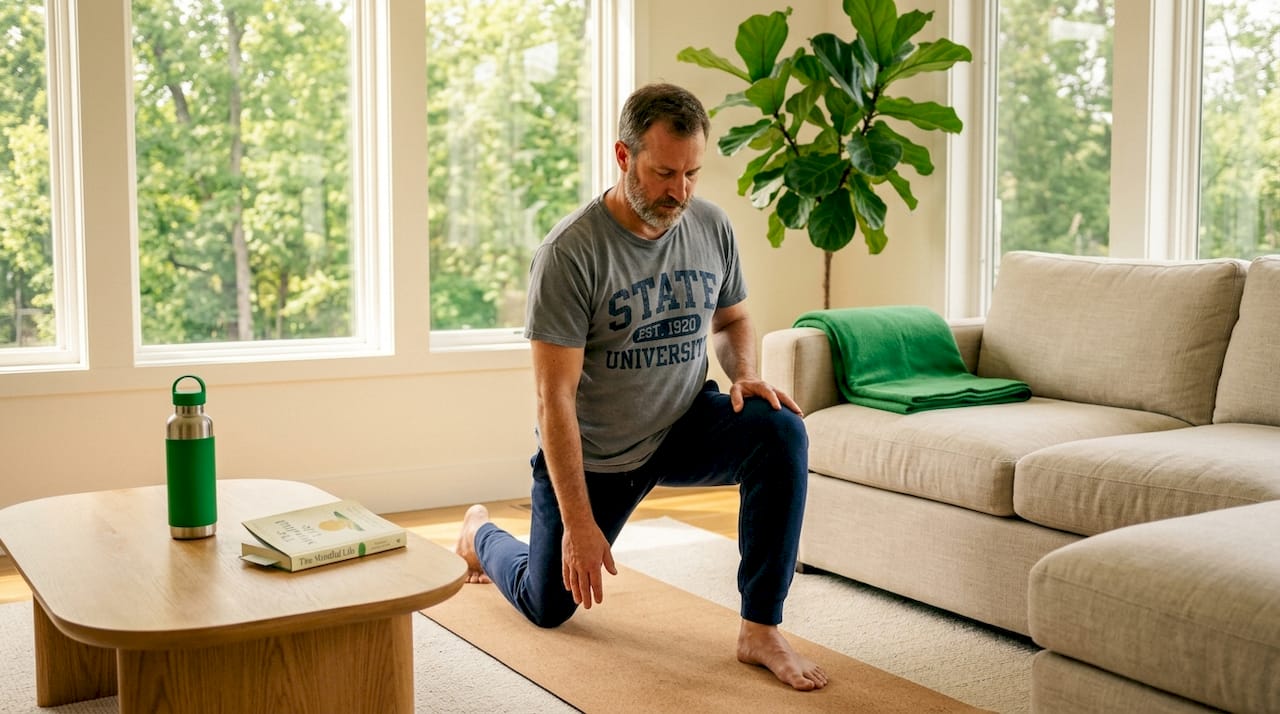
Your body in midlife recovers differently than it did at 30. Muscle mass naturally declines, bone density requires more active support, hormonal shifts affect sleep and energy, and dehydration becomes a more significant factor in fatigue. These changes aren’t reasons for alarm, but they do mean your restoration toolkit needs to be age-smart.
The Cleveland Clinic’s fitness guidance after 50 recommends specific targets that make a measurable difference in daily energy and long-term resilience:
- Stay hydrated intentionally. Thirst signals become less reliable as you age, so drink water consistently throughout the day rather than waiting until you feel thirsty.
- Prioritize calcium, vitamin D, and protein. These three nutrients directly support bone density and muscle maintenance, which both decline without consistent attention after 40.
- Stretch daily. Flexibility decreases with age, but just 10 to 15 minutes of daily stretching reduces injury risk, improves posture, and contributes to physical rest.
- Build muscle with light resistance training. Two sessions per week using weights or resistance bands help preserve muscle mass and support metabolic health.
- Move every day, even gently. Daily movement, even a 20-minute walk, outperforms occasional intense workouts for long-term heart and metabolic health.
For women navigating perimenopause or menopause, Johns Hopkins advises layering in targeted strategies to manage sleep disruption and cortisol spikes. These include maintaining a strict sleep schedule, avoiding caffeine and alcohol in the hours before bed, practicing mindfulness and yoga for stress regulation, staying connected to supportive relationships, and adding weight-bearing exercise specifically to reduce osteoporosis risk.
Stat callout: Women who combine regular physical activity with a calcium-rich diet and adequate vitamin D can significantly reduce their risk of osteoporosis-related fractures. And adults who maintain just four foundational health behaviors (not smoking, regular activity, balanced diet, and moderate alcohol) show substantially lower rates of heart disease, diabetes, and stroke compared to those with none. Small, consistent actions compound over years into meaningful protection.
Pro Tip: If perimenopause symptoms like night sweats or disrupted sleep are interrupting your restoration, start with sleep hygiene first. Lowering your bedroom temperature, switching to moisture-wicking bedding, and keeping a regular wind-down routine can help manage symptoms without medication. Then layer in women’s wellness strategies and strength training once your sleep is more stable. Also consider massage for recovery as a complement to your midlife restoration routine. For more on body restoration for 40+, explore evidence-based approaches specifically mapped to this life stage.
Layering in complementary restoration: Mindfulness, meditation, and realistic expectations
Alongside traditional restorative foundations, many adults explore integrative practices for added benefits, but not all of them are equally proven. Here’s what to try and what to avoid over-complicating.
Complementary and integrative health approaches cover a wide range: meditation, yoga, breathwork, nature immersion, tai chi, acupuncture, aromatherapy, and more. Some of these have solid science behind them. Others are still being studied. NCCIH notes that evidence for many complementary approaches remains limited, even while interest in them grows rapidly. That doesn’t mean they’re useless, but it does mean you should treat them as supplements to your core habits, not replacements.
| Practice | Strength of evidence | Practical fit for 40+ adults |
|---|---|---|
| Mindfulness meditation | Strong (multiple adult conditions) | 10-min daily app or guided session |
| Yoga | Moderate to strong | Beginner classes, 2x per week |
| Tai chi | Moderate (balance, stress) | Morning routine, community classes |
| Nature immersion | Emerging | Daily outdoor walk, weekend hikes |
| Aromatherapy | Limited | Wind-down ritual, low effort |
| Acupuncture | Mixed | Works for some; consult provider |
Check out this holistic relaxation guide and stress management guide to explore which practices align best with your lifestyle.
Explore detoxification tips that can support your complementary restoration efforts.
“Rest should feel restful. If adding a new practice makes you feel like you have another item to check off a list, it’s not actually restoring you.” The APA notes that tying rest to an outcome creates pressure that undermines the very thing you’re trying to achieve. Permission and presence are what make rest restorative, not performance.
A helpful test: after two to three weeks of a new practice, ask yourself honestly whether you feel calmer, more energized, or more focused. If the answer is no, drop it without guilt and try something simpler. Restoration isn’t about collecting practices. It’s about finding the small things that genuinely work for you.
Why simplicity beats over-optimization for real restoration
Here’s something you won’t often read in wellness content: the people who feel most restored rarely have the most elaborate routines. In our experience watching thousands of adults try to rebuild their energy and well-being, the ones who sustain it long-term almost always share one thing in common. They do fewer things, but they do them consistently.
The wellness industry has a strong incentive to keep adding new tools, new supplements, new gadgets, and new techniques to your routine. And the result is that many motivated adults end up exhausted by their own recovery protocol. You wake up with seven things to do before 8 a.m. and feel like a failure if you miss one. That’s not restoration. That’s a different kind of stress.
NCCIH’s own strategic research commentary points toward anchoring on established lifestyle targets like diet quality, activity minutes, and sleep duration, and treating additional modalities as potential add-ons rather than the foundation. That’s a principle worth holding onto.
The foundation is unglamorous. Sleep consistency. Regular movement. Whole food nutrition. Genuine social connection. These four things, done reliably at maybe 80% effort most days, will do more for your long-term restoration than any biohacking routine done perfectly for two weeks and then abandoned.
Add-ons like meditation apps, cold plunges, or specific supplements may offer genuine benefit for some people. But they only work when the foundation is solid. Think of them as the garnish on a well-cooked meal, not the meal itself.
Explore wellness routines for midlife that are built around this philosophy of simple, sustainable habits executed consistently over time.
The restful days you’re chasing? They come from following through on the basics, not from optimizing everything perfectly.
Support your restorative routine with quality recovery tools
You now have a clear framework for building a restoration routine that actually addresses your real needs, not just your sleep hours. The next step is making those habits easier to sustain with the right support.

At Lunix, we design recovery and comfort solutions specifically for adults who want to restore and perform their best every day. From smart support products to curated wellness guides, our recovery collection is built to complement the habits you’re already building. Whether you’re working on better sleep, physical recovery, or creating a calmer wind-down environment, you’ll also find practical self-care tips that align with the evidence-based strategies in this guide. Restoration is a daily practice, and we’re here to make it easier, more comfortable, and more effective for you.
Frequently asked questions
What is the difference between rest and sleep in restorative living?
Rest encompasses physical, mental, and emotional renewal across multiple categories, while sleep primarily addresses physical restoration. True well-being requires balancing all seven rest types, not just getting enough hours of sleep.
What is one easy tip for adding restoration during a busy workday?
A five-minute screen break, gentle desk stretching, or a short walk can create active physical, sensory, and mental rest all at once. These small bursts of rest are effective even when your schedule feels packed.
How do restorative needs change after age 40?
After 40, your body benefits most from increased attention to hydration, daily stretching, bone-supportive nutrition, and adapting routines to account for hormonal changes like perimenopause. Cleveland Clinic’s guidance recommends strength training and calcium-rich nutrition as non-negotiable priorities for this life stage.
Are complementary practices like meditation truly effective for stress recovery?
Mindfulness meditation has shown consistent benefits across multiple adult conditions, but the evidence for many other complementary practices remains limited. Focus on sleep, movement, and nutrition first, and add complementary practices once those foundations are in place.
What’s the best way to build lasting restorative habits?
Start with small, attainable improvements in one habit from sleep, one from movement, and one from nutrition, and stay consistent over weeks before adding more. Research on small lifestyle upgrades consistently shows that gradual, sustained changes outperform intense short-term overhauls for long-term health.
Recommended
- Top Body Restoration Tips for Adults 40+: Recover Faster – Lunix
- Benefits of self-care: practical tips for adults 40-65 – Lunix
- 8 evidence-based physical recovery tips for healthy aging – Lunix
- Top well-being improvement tips for adults 40-65 – Lunix
- Top detoxification tips to boost recovery and wellness
- How to support brain health: step-by-step habits that work – SuperNatural