


Stiff muscles and lingering aches are all too familiar for anyone focused on staying active through midlife and beyond. As bodies age, finding ways to ease muscle tension and speed recovery becomes more important than ever. Massage therapy stands out as a proven method to promote muscle healing, relieve pain, and support lasting wellness, drawing from both ancient wisdom and modern science to help you move and feel your best.
Table of Contents
- Defining Massage’s Role in Recovery
- Massage Types for Muscle Tension Relief
- How Massage Promotes Recovery Physiology
- Integrating Massage with Other Recovery Methods
- Risks, Contraindications, and Best Practices
Key Takeaways
| Point | Details |
|---|---|
| Massage Therapy Enhances Recovery | Massage therapy improves muscle recovery by increasing blood circulation, reducing inflammation, and alleviating muscle tension. Incorporating regular sessions can support ongoing physiological well-being. |
| Various Massage Techniques for Tension Relief | Different massage types, such as Deep Tissue and Sports Massage, target specific muscle needs and conditions. Selecting the appropriate technique is crucial for effective relief. |
| Integration with Other Recovery Methods | Combining massage with strategies like active recovery and hydration can optimize overall recovery. Tailoring these methods to individual needs enhances their effectiveness. |
| Safety and Contraindications | It is essential to understand contraindications and consult a therapist regarding health conditions, ensuring safe and effective massage treatment. |
Defining Massage’s Role in Recovery
Massage therapy represents a sophisticated approach to physical recovery that goes far beyond simple relaxation. By strategically manipulating soft tissues, massage enables comprehensive healing processes that support muscle restoration, pain reduction, and overall physiological well-being. Therapeutic massage techniques have evolved from ancient healing practices into scientifically validated recovery methodologies.
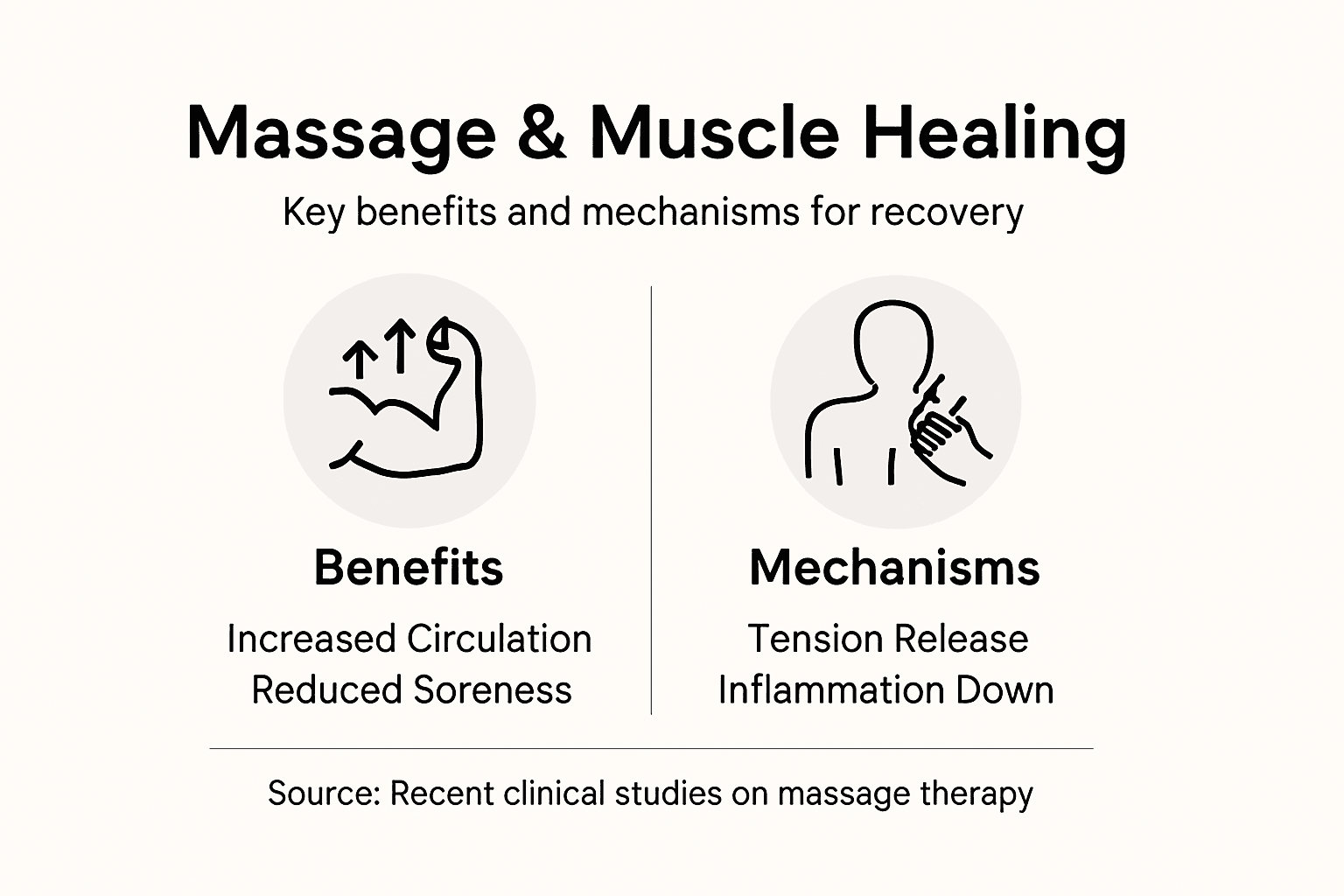
At its core, massage works through multiple interconnected mechanisms to enhance muscle recovery. The primary physiological effects include:
- Improving blood circulation to damaged muscle tissues
- Reducing inflammation and promoting cellular repair
- Decreasing muscle tension and breaking down adhesive scar tissue
- Stimulating lymphatic drainage to remove metabolic waste products
- Releasing tension-reducing neurochemicals like endorphins
The biomechanical impact of massage extends beyond immediate physical sensations. Clinical research demonstrates that regular massage therapy can significantly improve function, reduce pain perception, and contribute to overall health-related quality of life.
Muscle recovery is not just a physical process but a holistic experience involving neurological, biochemical, and psychological components. Professional massage therapy integrates these dimensions, providing a comprehensive approach to healing that addresses both physiological stress and muscular tension.
Pro tip: Consider scheduling regular massage sessions as a proactive recovery strategy, not just a reactive treatment for existing muscle problems.
Massage Types for Muscle Tension Relief
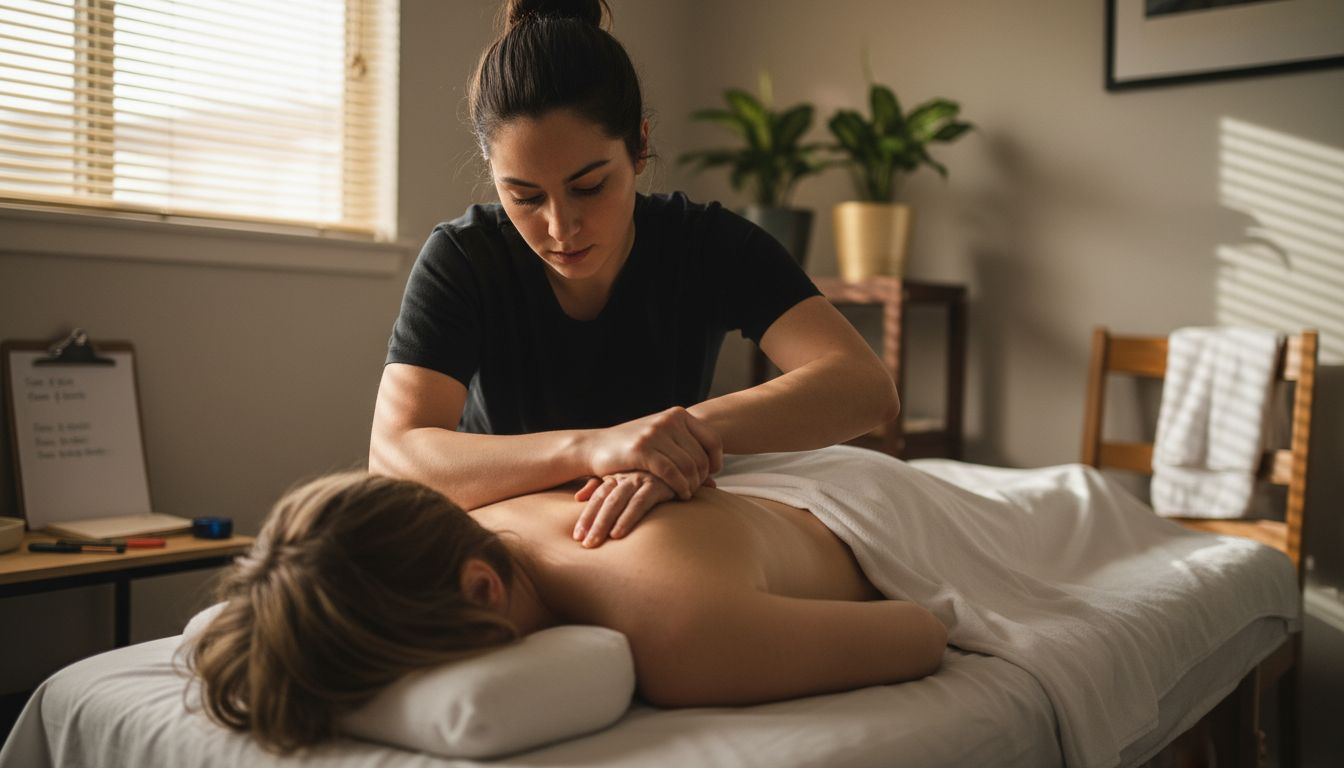
Muscle tension relief requires a nuanced understanding of specialized massage techniques tailored to specific physiological needs. Percussive massage therapy stands out as a particularly effective method for rapidly addressing post-exercise muscle fatigue and stiffness, offering immediate and targeted relief.
The primary massage types for muscle tension relief include:
- Deep Tissue Massage: Targets chronic muscle tension and knots by applying firm pressure to deeper muscle layers
- Swedish Massage: Uses gentle, flowing strokes to improve circulation and promote overall relaxation
- Sports Massage: Focuses on specific muscle groups used in athletic performance, preventing and treating injuries
- Trigger Point Therapy: Applies direct pressure to specific muscle knots to release tension
- Myofascial Release: Addresses restrictions in the connective tissues surrounding muscles
Comparative Massage Techniques offer unique benefits depending on individual muscle tension patterns. Comprehensive massage modalities provide targeted solutions for different muscle pain scenarios, allowing individuals to select the most appropriate technique for their specific needs.
Each massage type operates through distinct mechanisms, manipulating soft tissues to reduce muscle tension, improve blood flow, and support the body’s natural healing processes. The selection of an appropriate massage technique depends on factors like muscle condition, pain intensity, and individual physiological responses.
Here’s a quick comparison of major massage types for muscle tension relief:
| Massage Type | Primary Goal | Ideal For | Notable Limitation |
|---|---|---|---|
| Deep Tissue | Breaks down deep knots | Chronic tension, athletes | Not suitable for sensitive skin |
| Swedish | Enhances relaxation | Stress relief, beginners | Less effective for severe pain |
| Sports | Supports performance | Athletes, injury prevention | Requires knowledge of sports anatomy |
| Trigger Point | Targets pain spots | Localized muscular issues | May be uncomfortable initially |
| Myofascial Release | Improves tissue mobility | Limited range of motion | Needs precise technique |
Pro tip: Consult with a professional massage therapist to identify the most suitable massage type for your specific muscle tension and recovery goals.
How Massage Promotes Recovery Physiology
Muscle recovery is a complex physiological process that massage profoundly influences through multiple interconnected mechanisms. Mechanical pressure from massage generates immediate changes in muscle tissues, stimulating circulation, enhancing temperature regulation, and supporting the body’s natural healing responses.
The key physiological mechanisms of massage-induced recovery include:
- Increasing blood circulation to damaged muscle tissues
- Reducing inflammatory responses
- Modulating neurological excitability
- Enhancing parasympathetic nervous system activation
- Promoting cellular repair and waste removal
- Decreasing muscle tension and adhesions
Neurological Responses play a critical role in massage-induced recovery. By stimulating specific nerve pathways, massage can trigger relaxation responses that lower stress hormones and reduce muscle tension. Muscle recovery processes are significantly accelerated through these complex neurological and biochemical interactions.
Beyond physical manipulation, massage generates profound psychological benefits that indirectly support recovery. The reduction of anxiety, improvement in mood, and sense of physical relief contribute to a holistic healing environment that allows muscles to repair more effectively and efficiently.
Pro tip: Incorporate regular massage sessions as a proactive strategy for supporting your body’s natural recovery and preventing chronic muscle tension.
Integrating Massage with Other Recovery Methods
Comprehensive recovery strategies demonstrate that massage works most effectively when strategically combined with complementary recovery techniques. This integrative approach allows individuals to maximize muscle healing and performance restoration through a multi-dimensional recovery process.
Optimal recovery method combinations include:
- Massage + Active Recovery
- Light movement to enhance circulation
- Gentle stretching to maintain muscle flexibility
- Massage + Compression Therapy
- Reduces muscle swelling
- Supports lymphatic drainage
- Massage + Cryotherapy
- Decreases inflammation
- Accelerates muscle recovery
- Massage + Hydration Protocols
- Replenishes electrolytes
- Supports cellular repair mechanisms
Recovery Synergy plays a critical role in rehabilitation strategies. Systematic review findings consistently demonstrate that integrating multiple recovery methods can provide incremental benefits beyond single-modality approaches, enhancing overall muscle healing and performance restoration.
The key to successful recovery integration lies in understanding individual physiological responses and tailoring techniques to specific muscle conditions. Athletes and fitness enthusiasts can experiment with different combinations, monitoring their body’s unique recovery signals and adapting strategies accordingly.
Review this summary to understand key recovery method combinations and their unique benefits:
| Combination | Benefit Highlight | Suitable For | Consideration |
|---|---|---|---|
| Massage + Active Recovery | Accelerates circulation | Post-exercise relief | Low-impact activity needed |
| Massage + Compression | Minimizes swelling | Injury rehabilitation | Special equipment required |
| Massage + Cryotherapy | Reduces inflammation | Acute muscle soreness | Cold sensitivity may limit use |
| Massage + Hydration | Promotes cellular repair | Overall post-workout care | Needs proper hydration plan |
Pro tip: Consult with a sports physiotherapist to develop a personalized, multi-modal recovery protocol that combines massage with complementary techniques.
Risks, Contraindications, and Best Practices
Therapeutic massage contraindications represent a critical aspect of responsible massage practice, requiring careful assessment and professional judgment to ensure client safety and optimal therapeutic outcomes. Understanding these potential risks is essential for both massage practitioners and clients seeking effective recovery strategies.
Massage therapy presents varying levels of contraindications:
Absolute Contraindications (Avoid Massage Completely):
- Active infections or fever
- Blood clot disorders
- Severe cardiovascular conditions
- Open wounds or skin infections
- Acute inflammation
Relative Contraindications (Require Medical Consultation):
- Recent surgeries
- Cancer treatments
- Pregnancy
- Chronic medical conditions
- Neurological disorders
Comprehensive safety guidelines emphasize the importance of thorough client health screening before initiating any massage treatment. Practitioners must conduct detailed medical history assessments and obtain appropriate medical clearance when encountering complex health situations.
Best practices for safe massage involve ongoing communication, professional assessment, and a patient-centered approach. Massage therapists should remain vigilant about potential health risks, adapt techniques to individual client needs, and prioritize client well-being throughout the therapeutic process.
Pro tip: Always disclose your complete medical history to your massage therapist and seek professional medical advice if you have any pre-existing health conditions.
Unlock the Full Potential of Your Muscle Recovery with Lunix
Muscle tension and delayed recovery can derail your wellness journey and daily performance. This article highlights how therapeutic massage enhances muscle healing by improving blood circulation, reducing inflammation, and releasing muscular adhesions. If you are seeking a comprehensive solution to support these recovery goals, integrating smart recovery tools into your routine is essential. Lunix offers a curated range of Muscle Recovery and BODY THERAPY products designed to complement massage benefits by enhancing circulation and promoting deeper relaxation.

Experience the difference innovative recovery technology makes in accelerating muscle restoration and preventing chronic tension. Visit Lunix now to explore solutions that transform your daily recovery approach. Take control of your healing journey today with tools crafted for your body’s optimal performance and long-term health.
Frequently Asked Questions
What are the benefits of massage for muscle recovery?
Massage therapy improves blood circulation, reduces inflammation, decreases muscle tension, and supports cellular repair, promoting overall muscle healing and well-being.
How does different types of massage target muscle tension?
Types like deep tissue massage focus on chronic tension, while sports massage targets specific muscle groups used in athletic performance, each providing tailored relief based on individual needs.
Can massage help with muscle soreness after exercise?
Yes, massage can significantly alleviate muscle soreness by enhancing circulation, reducing swelling, and promoting faster recovery through its mechanical and neurological effects.
Are there any risks or contraindications associated with massage therapy?
Massage therapy may have contraindications such as active infections, blood clot disorders, or recent surgeries, requiring careful assessment by a qualified practitioner to ensure safety.