


TL;DR:
- Aromatherapy involves using essential oils through inhalation, topical application, and massage to promote relaxation and well-being. Scientific evidence supports its effectiveness for improving sleep, reducing anxiety, and easing pain, especially with oils like lavender and bergamot. Safety precautions include proper dilution, avoiding ingestion, and consulting healthcare providers, making it a supportive addition to holistic health routines.
Most people think aromatherapy is about making a room smell nice. Light a candle, breathe in, feel vaguely calm. But that picture undersells what essential oils can actually do for your body and mind. Research shows that inhaling certain plant-derived compounds triggers real physiological changes, from shifts in neurotransmitter activity to measurable reductions in stress hormones. If you are between 40 and 65 and looking for natural ways to support your well-being, aromatherapy deserves a serious look. This article covers what it is, how it works, what the evidence actually says, how to use it safely, and how to build it into a routine that fits your life.
Table of Contents
- What is aromatherapy and how does it work?
- The role of aromatherapy in relaxation and well-being
- Safety, side effects, and limitations of aromatherapy
- Practical ways to add aromatherapy to your wellness routine
- Our perspective: Why mindful aromatherapy works best for sustainable wellness
- Enhance your relaxation: Wellness tools and resources
- Frequently asked questions
Key Takeaways
| Point | Details |
|---|---|
| Science-based approach | Aromatherapy influences mind and body via neurotransmitter pathways and skin absorption. |
| Relaxation and sleep benefits | Lavender and bergamot oils help relieve stress and support better sleep in adults. |
| Safety first | Always dilute oils, avoid ingestion, and consult your provider for health conditions. |
| Mindful integration | Best results come from blending aromatherapy with other relaxation routines in a holistic wellness plan. |
What is aromatherapy and how does it work?
Let’s start by establishing what aromatherapy is and how it actually works in the body.
Aromatherapy is the therapeutic use of essential oils extracted from plants, flowers, roots, and bark. These oils are concentrated, meaning a little goes a long way. According to the Cleveland Clinic aromatherapy overview, aromatherapy uses essential oils from plants via inhalation, topical application when diluted, or massage to promote relaxation, reduce anxiety, improve sleep, and manage stress. Those three delivery methods each work a little differently in the body.
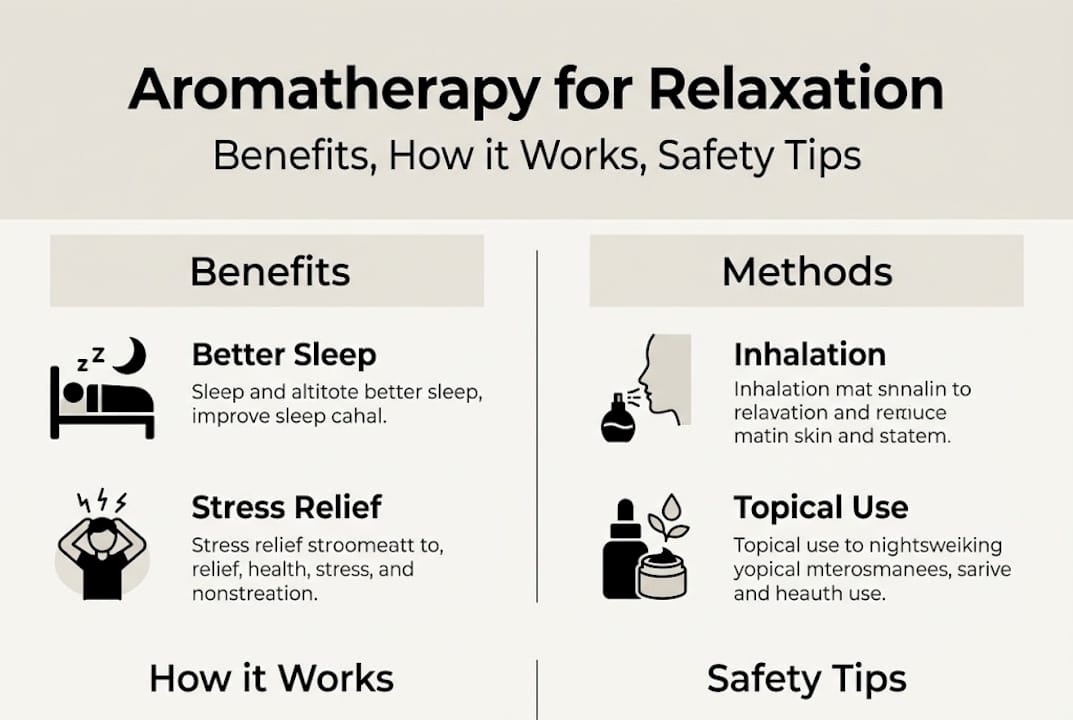
Inhalation is the most direct route. When you breathe in an essential oil, scent molecules travel through your nose and stimulate the olfactory nerve. That nerve connects directly to the limbic system, the part of your brain that governs emotion, memory, and stress response. This is why a familiar scent can instantly shift your mood. It is not imagination. It is neuroscience.
Topical application works through your skin. When a diluted oil is massaged in, its active compounds cross the skin barrier and enter the bloodstream. From there, they can produce aromatherapy benefits that go beyond scent, including anti-inflammatory and antioxidant effects. Research confirms that the olfactory pathway stimulates the limbic system, modulating neurotransmitters like GABA and serotonin, while transdermal absorption allows bloodstream entry for anti-inflammatory and antioxidant effects.
“Essential oils are not just pleasant fragrances. They are bioactive compounds that interact with your nervous system and bloodstream in measurable ways.”
Here is a quick look at the three main delivery methods:
| Delivery method | Safety notes | Common uses |
|---|---|---|
| Inhalation (diffuser, steam) | Generally safe; avoid prolonged exposure | Stress, sleep, mood |
| Topical (diluted in carrier oil) | Always dilute; patch test first | Muscle tension, headaches |
| Massage (professional or self) | Use trained therapist or proper technique | Pain relief, relaxation |
Each method has its place depending on your goal. Inhalation is easiest to start with. Topical use gives more targeted results. Massage combines the physical and aromatic benefits together.
The role of aromatherapy in relaxation and well-being
With a foundation on how aromatherapy functions, let’s examine its measurable impact on relaxation and well-being.
The strongest evidence for aromatherapy clusters around three areas: sleep quality, anxiety reduction, and pain management. A review from the VA found moderate confidence for reducing menstrual pain, and low to moderate confidence for improving sleep quality, reducing anxiety, and addressing stress and depression. That is not a cure-all, but it is a meaningful signal.
For adults between 40 and 65, these outcomes are especially relevant. Sleep disruption, elevated stress, and chronic low-grade tension are common in this life stage. The same VA review found that lavender massage improved sleep, anxiety, and pain scores in breast cancer patients, a group dealing with significant physical and emotional stress. That kind of result translates well to everyday wellness use.
The oils with the best evidence behind them include:
- Lavender: Best studied for anxiety and sleep. Shown to reduce cortisol and promote calm.
- Bergamot: Linked to reduced stress and improved mood in clinical settings.
- Chamomile: Supports relaxation and mild pain relief.
- Peppermint: Useful for tension headaches and mental clarity.
- Ylang ylang: Associated with lower blood pressure and reduced heart rate.
For your daily routine, an evening lavender diffuser session while winding down is one of the simplest and most evidence-supported habits you can build. Pair it with stress relief and relaxation practices like gentle stretching or breathwork, and you create a compounding effect.
It is also worth knowing that relaxation and cortisol reduction go hand in hand. Lower cortisol means better sleep, better digestion, and less physical tension. Aromatherapy is one tool that can help tip that balance in your favor. Combining it with massage therapy for stress can amplify those results further.
Pro Tip: Layer aromatherapy with a consistent wind-down ritual, like dimming lights and avoiding screens, to signal your nervous system that rest is coming. The oils work better when your environment supports them.
Safety, side effects, and limitations of aromatherapy
Understanding benefits is essential, but knowing how to use aromatherapy safely ensures lasting wellness.
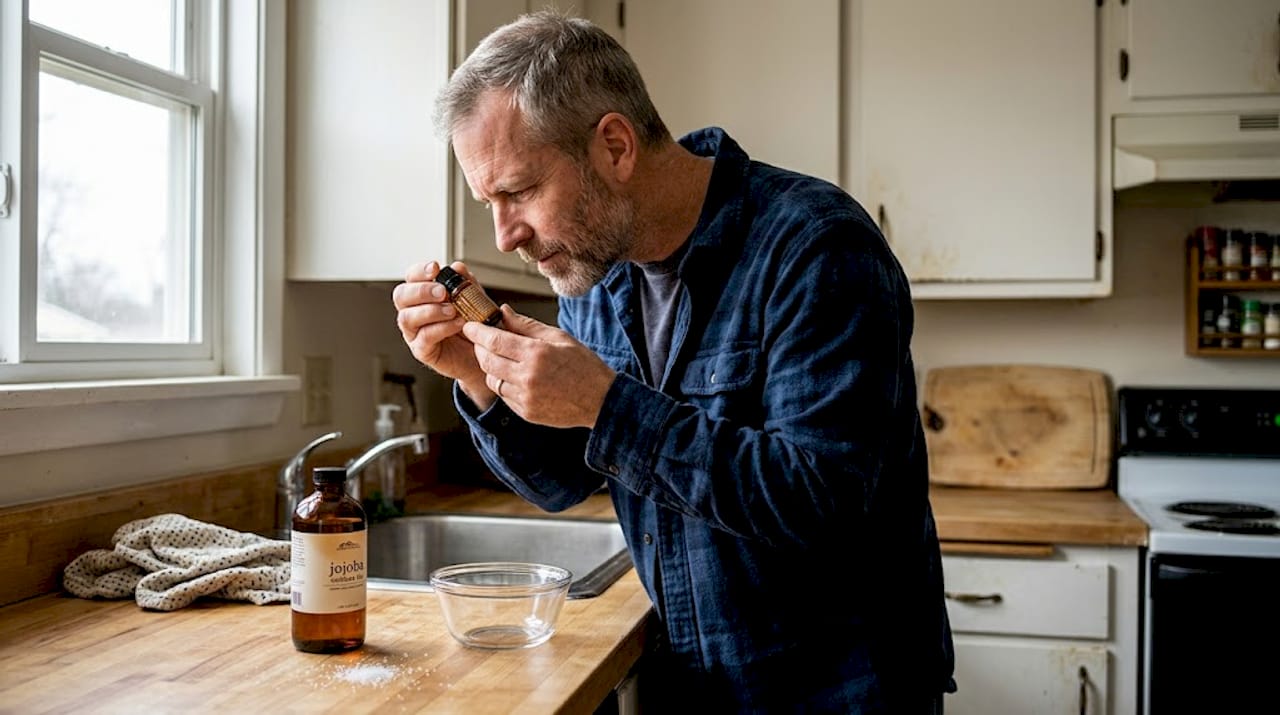
Essential oils are potent. That concentration that makes them effective also makes them capable of causing harm when misused. The Cleveland Clinic is clear that essential oils are not safe undiluted, as they can cause skin irritation and allergic reactions, and ingestion should be avoided entirely. Certain conditions also require extra caution.
Here is a side-by-side look at safe versus risky practices:
| Practice | Safe approach | Risky approach |
|---|---|---|
| Skin application | Dilute in carrier oil (2-3%) | Apply undiluted directly to skin |
| Inhalation | Use diffuser with breaks | Inhale directly from bottle for long periods |
| Ingestion | Avoid entirely | Swallowing oils without medical supervision |
| Children | Avoid most oils under age 2 | Using adult concentrations on young children |
| Pregnancy | Consult provider first | Using stimulating oils like rosemary or clary sage |
If you have asthma, epilepsy, or are pregnant, some oils can trigger reactions or interfere with your condition. Always check with your healthcare provider before starting any new aromatherapy practice.
Here are four steps for safe use at home:
- Start with inhalation. A diffuser is the safest entry point. Run it for 30 to 60 minutes, not all day.
- Dilute before applying to skin. Use a carrier oil like jojoba or sweet almond at a 2 to 3 percent dilution.
- Patch test first. Apply a small amount to your inner wrist and wait 24 hours before wider use.
- Store oils properly. Keep them in dark glass bottles away from heat and sunlight to preserve potency.
It is also important to be honest about what aromatherapy can and cannot do. A Cochrane aromatherapy review found that the evidence is mixed and often low quality, and that aromatherapy should be integrated with medicine rather than used as a cure. It is a supportive tool, not a replacement for medical care. Explore more about holistic comfort and relaxation approaches that pair well with aromatherapy.
Pro Tip: Always start with a single oil rather than a blend. That way, if you have a reaction, you know exactly what caused it.
Practical ways to add aromatherapy to your wellness routine
Having covered safety, let’s turn to building aromatherapy habits that fit your wellness goals.
The best routine is one you will actually stick with. Aromatherapy works through consistency, not intensity. Small daily habits build up over time and create real shifts in how your body manages stress and sleep.
Here are easy starting points worth trying:
- Evening diffuser session: Run lavender or chamomile for 30 to 60 minutes before bed to signal your body that it is time to wind down.
- Morning energizer: Diffuse peppermint or citrus during your morning routine for a gentle mental lift without caffeine dependence.
- Pillow spray: Mix a few drops of lavender with water in a small spray bottle and mist your pillow before sleep.
- Diluted massage blend: Combine bergamot or lavender with a carrier oil and massage your neck, shoulders, or feet after a long day.
- Aromatherapy bath: Add 5 to 10 drops of your chosen oil to a tablespoon of carrier oil, then mix into warm bathwater. This combines heat therapy with aromatic benefits.
For stress-focused routines, bergamot and ylang ylang work well during the day. For sleep, lavender and chamomile are your best options in the evening. The Cleveland Clinic recommends that for daily aromatherapy routines, adults use diluted topical application or diffusers and consult a provider if they have existing health conditions.
Aromatherapy also fits naturally into a broader wellness picture. Pairing it with touch therapy and adult wellness practices, like self-massage or professional bodywork, creates a layered approach that supports your nervous system from multiple angles.
Pro Tip: Keep a simple journal for 30 days. Note which oils you used, when, and how you felt afterward. Patterns will emerge quickly, and you will know what works for your body.
Our perspective: Why mindful aromatherapy works best for sustainable wellness
Now that you have practical routines, let’s step back for a big-picture perspective.
Here is something most wellness content will not tell you: the people who get the most from aromatherapy are the ones who treat it as a practice, not a product. They are not chasing a magic oil. They are building awareness of how their body responds to scent, environment, and ritual.
The science is promising but honest. A Cochrane review confirms that the evidence remains mixed and that larger, higher-quality studies are still needed. That is not a reason to dismiss aromatherapy. It is a reason to approach it with realistic expectations and personal curiosity.
We believe the most sustainable path is integrating aromatherapy into a broader holistic comfort lifestyle. That means pairing it with good sleep hygiene, movement, and stress management. It means journaling your responses. It means not overclaiming what a single oil can do. When you use aromatherapy mindfully, as one piece of a thoughtful wellness routine, it earns its place. And over time, that consistency is what creates lasting change.
Enhance your relaxation: Wellness tools and resources
Ready to take the next step in your relaxation routine?
Aromatherapy is most powerful when it is part of a complete wellness environment, not a standalone habit. Pairing your essential oil practice with supportive physical recovery tools, like ergonomic comfort products designed to ease tension and promote restoration, can take your results to another level.

At Lunix, we design products that help your body recover and relax the way it was meant to. Whether you are winding down after a long day or building a dedicated self-care ritual, our recovery collection offers tools that complement your aromatherapy practice beautifully. Visit Lunix wellness solutions to explore how smart comfort design can support your well-being every day.
Frequently asked questions
What is the safest way to start using aromatherapy at home?
Start with inhalation using a diffuser, running it for 30 to 60 minutes at a time with a single, well-known oil like lavender. Begin with a low amount and monitor yourself for any sensitivities before expanding your practice.
Which essential oils are most effective for stress and sleep?
Lavender and bergamot have the strongest clinical evidence for improving relaxation, reducing stress, and enhancing sleep quality. Chamomile is also a reliable option for evening use.
Who should avoid certain essential oils or aromatherapy?
Children under 2, pregnant individuals, and those with epilepsy or respiratory conditions should avoid certain oils and always consult a healthcare professional before starting. The Cleveland Clinic notes that essential oils are not safe undiluted and require extra caution for these groups.
Can aromatherapy replace medical treatment for anxiety or pain?
No. Aromatherapy should be used as a complementary approach alongside, not instead of, licensed medical treatment. The evidence is mixed and aromatherapy works best when integrated with a broader care plan.