


Many Americans searching for ways to feel better and manage stress often run into confusing information about touch therapies. This matters because the right kind of touch, delivered with skill and care, is shown to have powerful benefits for both mind and body. Whether you are curious about manual techniques or energy-based methods, understanding the difference between casual contact and intentional, professional touch offers a pathway to more effective wellness and stress relief.
Table of Contents
- Defining Touch Therapy and Core Misconceptions
- Leading Types of Touch Therapy Techniques
- How Touch Therapy Affects Body and Mind
- Latest Evidence and Real-Life Applications
- Risks, Limitations, and Safety Concerns
Key Takeaways
| Point | Details |
|---|---|
| Understanding Touch Therapy | Touch therapy is a holistic healing approach that uses intentional physical contact to promote wellness and emotional recovery through scientifically informed techniques. |
| Addressing Misconceptions | Many misconceptions exist about touch therapy, often confusing it with casual touch or untrained practices; it’s essential to consult certified practitioners. |
| Diverse Techniques and Benefits | Various touch therapy techniques cater to different wellness needs, including stress reduction, pain relief, and emotional balance. |
| Ethical Considerations | Consent, professional training, and awareness of cultural sensitivities are critical for safe and effective practice in touch therapy. |
Defining Touch Therapy and Core Misconceptions
Touch therapy represents a holistic healing approach that uses intentional physical contact to promote wellness, reduce stress, and support physical and emotional recovery. Unlike casual or random touch, this professional practice involves scientifically informed techniques designed to trigger specific physiological and psychological responses.
The field of touch therapy encompasses multiple modalities, each with unique characteristics and therapeutic goals. Professional touch practices distinguish themselves through several critical attributes:
- Intentional contact with clear therapeutic objectives
- Ethical boundaries and professional training
- Consent-based interactions
- Systematic application of specific techniques
- Measurable health and wellness outcomes
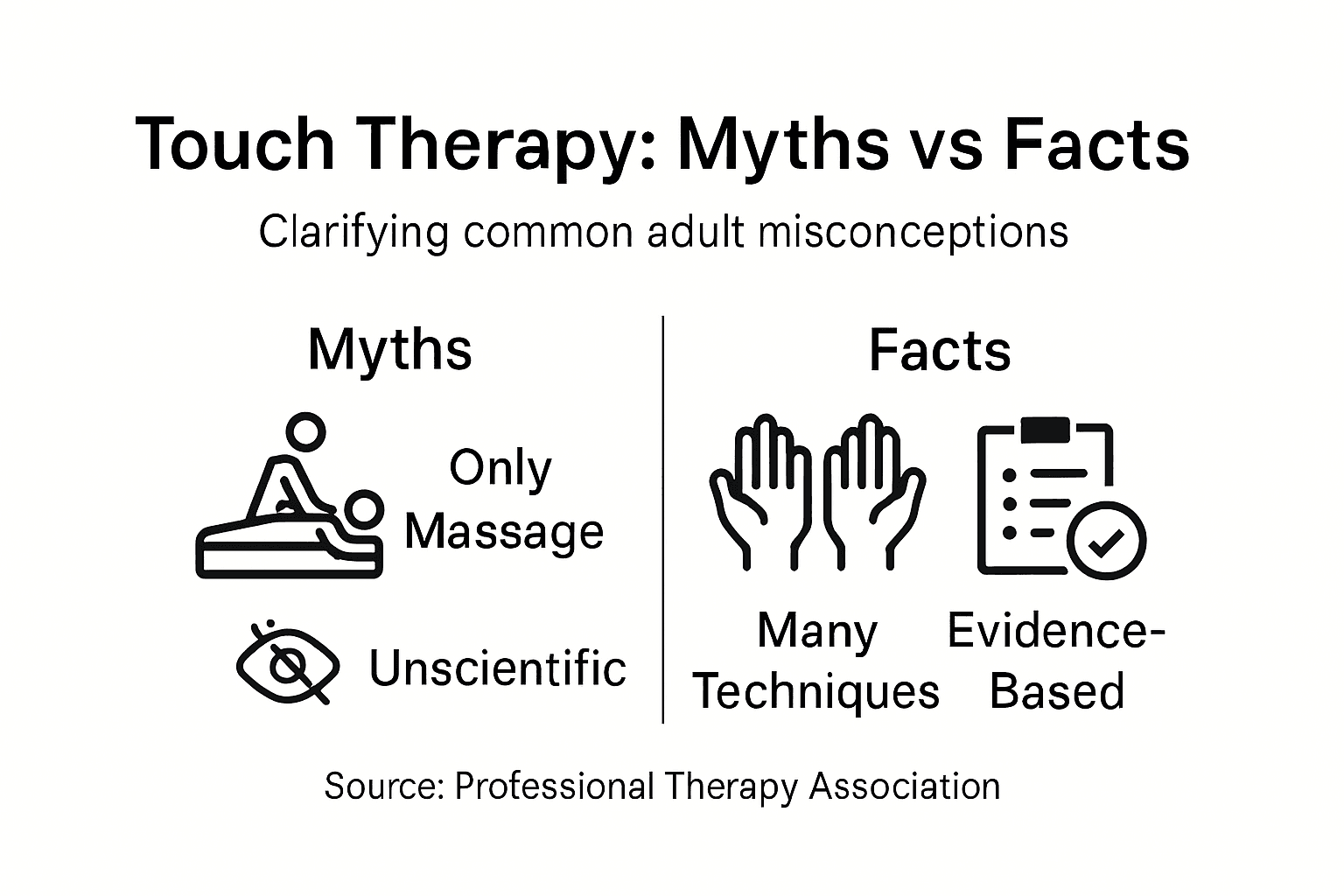
Many adults harbor significant misconceptions about touch therapy, often conflating it with massage, alternative medicine, or inappropriate physical contact. In reality, professional touch therapy is a nuanced discipline grounded in understanding human physiological and neurological responses. Physiotherapy research demonstrates that skilled touch can communicate healing, provide pain relief, and support emotional regulation through carefully applied techniques.
Common myths about touch therapy include believing it’s purely subjective, unscientific, or limited to relaxation. Professional practitioners utilize evidence-based approaches that integrate knowledge from anatomy, neuroscience, psychology, and somatic experiencing. Touch therapy isn’t about casual contact but represents a sophisticated intervention targeting specific wellness goals.
Pro tip: Always verify a touch therapist’s professional credentials and training before beginning any therapeutic touch sessions.
Leading Types of Touch Therapy Techniques
Touch therapy encompasses a diverse range of techniques designed to promote healing, reduce stress, and support holistic wellness. Each approach offers unique benefits, targeting different aspects of physical and emotional well-being through intentional, skilled physical contact.
Therapeutic touch modalities represent a spectrum of healing practices that can be broadly categorized into several primary approaches:
-
Manual Manipulation Techniques
- Swedish Massage
- Deep Tissue Massage
- Sports Massage
- Trigger Point Therapy
-
Energy-Based Healing Methods
- Reiki
- Healing Touch
- Craniosacral Therapy
- Therapeutic Touch
-
Somatic Integration Approaches
- Rolfing
- Alexander Technique
- Feldenkrais Method
- Body-Mind Centering
Each technique operates through different mechanisms, targeting specific physiological and psychological responses. Bodywork and therapeutic techniques emphasize the importance of professional training and understanding the intricate connections between physical touch and healing potential.
Manual manipulation techniques focus on direct physical interaction, using pressure, stretching, and movement to release muscle tension, improve circulation, and enhance body awareness. Energy-based methods, by contrast, work with subtle energy fields, aiming to balance and restore the body’s natural healing capabilities through gentle, non-invasive contact.
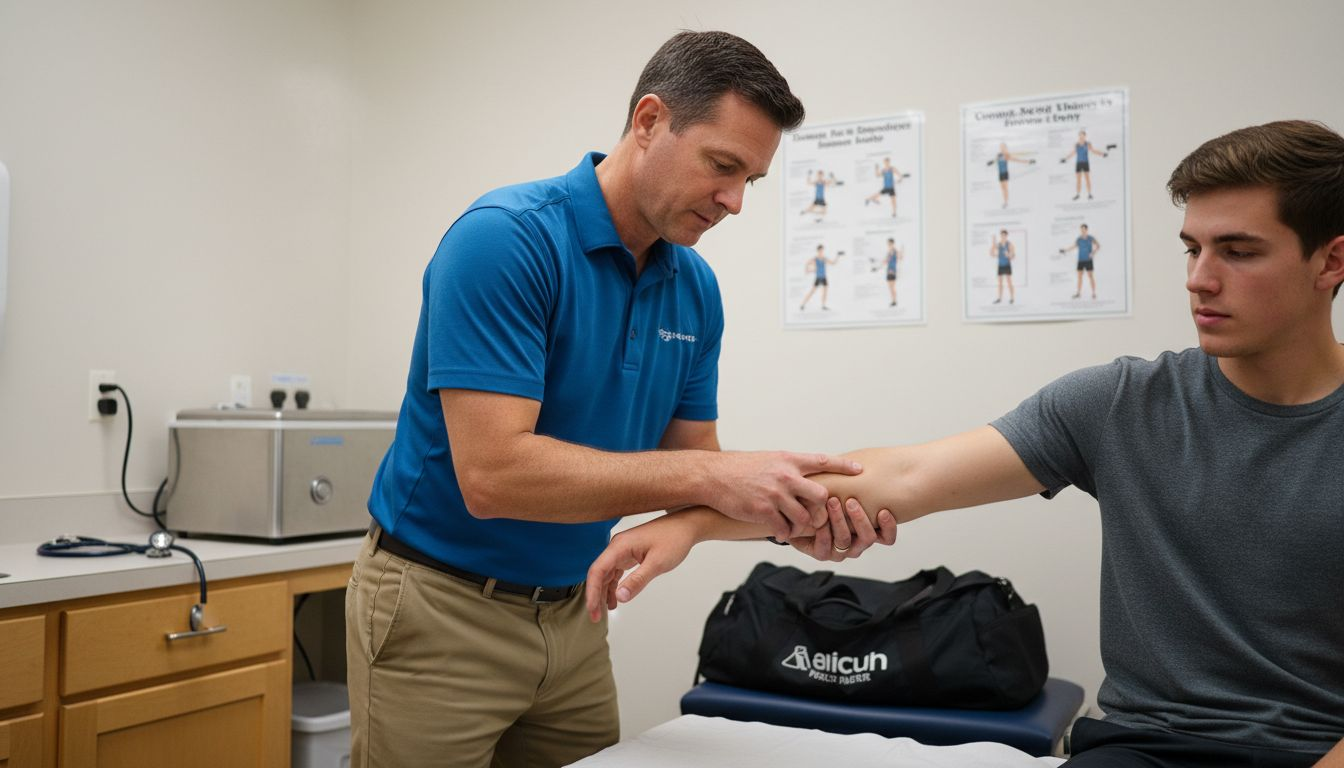
Somatic integration approaches take a more holistic view, exploring how movement patterns, body awareness, and psychological states interconnect. These techniques help individuals recognize and transform habitual movement patterns that contribute to physical and emotional stress.
Here is a comparison of major touch therapy technique categories and their wellness impact:
| Technique Category | Focus Area | Common Use Cases | Primary Wellness Benefit |
|---|---|---|---|
| Manual Manipulation | Musculoskeletal system | Sports rehabilitation | Relieves muscle tension |
| Energy-Based Healing | Subtle energy fields | Stress reduction sessions | Balances emotional and nervous system |
| Somatic Integration | Movement awareness | Trauma recovery, posture | Enhances body-mind connection |
Pro tip: Always consult a certified practitioner and discuss your specific health needs before selecting a touch therapy technique.
How Touch Therapy Affects Body and Mind
Touch therapy represents a profound intervention that simultaneously impacts both physiological and psychological systems, creating a holistic healing experience that extends far beyond simple physical contact. Neurological research highlights the intricate ways human touch can trigger complex healing responses throughout the body.
The physiological impacts of touch therapy are remarkably comprehensive:
-
Stress Reduction
- Decreases cortisol levels
- Lowers blood pressure
- Reduces muscle tension
- Improves immune system function
-
Neurological Benefits
- Stimulates oxytocin release
- Enhances neural connectivity
- Promotes neuroplasticity
- Supports emotional regulation
-
Psychological Improvements
- Alleviates symptoms of anxiety
- Reduces depression indicators
- Increases sense of connection
- Improves overall emotional well-being
Clinical research from Stanford Medicine demonstrates that therapeutic touch activates the body’s natural healing mechanisms through complex neurochemical and hormonal responses. The human nervous system responds to intentional, skilled touch by releasing neurotransmitters that promote relaxation, reduce pain perception, and support emotional balance.
Psychologically, touch therapy serves as a powerful communication tool that transcends verbal language. By creating a safe, compassionate physical connection, these techniques help individuals process emotional experiences, release stored trauma, and develop greater body awareness. The neurochemical cascade triggered by therapeutic touch can dramatically shift an individual’s stress response, promoting a state of calm and receptivity.
Touch therapy is not just a treatment, but a profound conversation between body and mind.
Pro tip: Consider scheduling a consultation with a certified touch therapist to develop a personalized approach that addresses your specific physical and emotional wellness goals.
Latest Evidence and Real-Life Applications
Touch therapy continues to emerge as a powerful healing modality, with recent scientific research providing substantial evidence for its wide-ranging clinical applications. Interdisciplinary touch medicine research is uncovering remarkable insights into how intentional physical contact can transform health outcomes across multiple domains.
Key clinical applications of touch therapy include:
-
Mental Health Interventions
- Depression management
- Anxiety reduction
- Trauma recovery
- Stress management techniques
-
Physical Health Support
- Pain management
- Improved circulation
- Enhanced immune response
- Muscle tension relief
-
Specialized Medical Settings
- Neonatal care
- Chronic illness support
- Rehabilitation programs
- Palliative care treatments
Clinical meta-analyses from Stanford Medicine demonstrate that touch therapies produce measurable physiological changes. These interventions can regulate stress hormones, reduce inflammatory markers, and support overall neurological functioning. Particularly compelling are studies showing significant improvements in patient outcomes across diverse medical conditions.
Real-world applications extend beyond traditional medical settings. Workplace wellness programs, mental health counseling, physical therapy, and even corporate training now incorporate touch-based interventions to support holistic human performance. The growing body of scientific evidence suggests that purposeful, professional touch can be a transformative tool for healing and personal development.
Touch therapy represents a bridge between scientific understanding and human connection, offering a holistic approach to wellness.
Pro tip: Consult with certified touch therapy professionals to develop personalized interventions tailored to your specific physical and emotional health needs.
Risks, Limitations, and Safety Concerns
Touch therapy, while powerful, requires careful navigation of complex ethical and safety considerations. Healthcare touch research emphasizes the critical importance of understanding potential risks and implementing robust safeguards to protect both practitioners and clients.
Key safety considerations in touch therapy include:
-
Consent and Boundaries
- Explicit verbal consent
- Clear communication of intervention
- Respect for personal space
- Ability to withdraw at any time
-
Professional Limitations
- Scope of practice restrictions
- Required professional certifications
- Ongoing training requirements
- Documentation protocols
-
Potential Risks
- Misinterpretation of touch
- Triggering traumatic memories
- Cultural sensitivity challenges
- Potential for inappropriate contact
Rapid evidence assessments highlight significant methodological concerns in touch therapy research, underscoring the need for rigorous professional standards. Not all touch interventions are universally appropriate, and practitioners must carefully evaluate individual client needs, medical history, and psychological readiness.
Professional touch therapy demands extensive training in understanding complex human interactions. Practitioners must develop sophisticated skills in reading nonverbal cues, maintaining professional boundaries, and recognizing when touch might be counterproductive or potentially harmful. Cultural background, personal trauma history, and individual comfort levels play crucial roles in determining touch therapy’s appropriateness.
This table summarizes key safety practices to ensure effective and ethical touch therapy:
| Safety Principle | Practitioner Responsibility | Client Empowerment |
|---|---|---|
| Informed Consent | Explain all procedures before starting | Ask questions and set boundaries |
| Professional Training | Maintain certifications and skills | Request proof of practitioner credentials |
| Cultural Sensitivity | Adapt techniques for cultural needs | Share individual comfort concerns |
| Ongoing Communication | Monitor and adjust session as needed | Provide feedback during therapy |
Safety in touch therapy is not about avoiding contact, but about creating intentional, informed, and consensual healing interactions.
Pro tip: Always request detailed information about a practitioner’s training, certification, and professional conduct guidelines before engaging in any touch therapy intervention.
Enhance Your Wellness Journey with Expert Body Support
Understanding how touch therapy transforms adult wellness reveals the importance of intentional physical care and mindful restoration. If you seek effective solutions to reduce muscle tension, improve circulation, and boost emotional balance, integrating targeted body therapy into your daily routine can deliver lasting benefits. Lunix offers premium options designed to align with professional touch concepts, helping you achieve holistic wellness at home.

Explore our carefully crafted BODY THERAPY – Lunix collection to discover innovative tools that support muscle relief and nervous system balance. Pair these with products from our Improves Circulation – Lunix and Relaxation – Lunix categories to create your personalized wellness station. Visit Lunix now and take the next step toward restoring your body and mind through smart, science-inspired recovery solutions.
Frequently Asked Questions
What is touch therapy and how does it work?
Touch therapy is a holistic healing approach that uses intentional physical contact to promote wellness, reduce stress, and aid in physical and emotional recovery. It involves scientifically-informed techniques that trigger specific physiological and psychological responses.
What are the different types of touch therapy techniques?
Touch therapy techniques can be categorized into three main groups: Manual Manipulation Techniques (such as Swedish and Deep Tissue Massage), Energy-Based Healing Methods (like Reiki and Healing Touch), and Somatic Integration Approaches (including Rolfing and the Alexander Technique). Each method targets distinct aspects of wellness.
How does touch therapy benefit mental health?
Touch therapy can alleviate symptoms of anxiety and depression, improve emotional well-being, and enhance the overall sense of connection. It stimulates the release of oxytocin, promotes relaxation, and helps individuals process emotional experiences through safe physical connections.
What safety measures should be considered in touch therapy?
Key safety measures in touch therapy include obtaining explicit verbal consent, maintaining clear communication about the procedures, respecting personal boundaries, and providing clients with the ability to withdraw consent at any time. Practitioners must also have proper professional training to ensure ethical practice.