


At-home smart recovery devices deliver five core advantages: reduced muscle soreness, faster tissue repair, lower inflammation, improved circulation, and personalized recovery you can track from your living room. These aren’t spa luxuries anymore. Wearable-linked recovery tools are now associated with measurable improvements in sleep consistency and resting heart rate, which are two of the clearest signals that your body is actually rebuilding between sessions.
The main advantages at a glance:
- Reduced soreness and DOMS (delayed onset muscle soreness)
- Faster tissue repair through targeted stimulation
- Lower inflammation in joints and soft tissue
- Better circulation to speed nutrient delivery
- Personalized routines guided by real-time data
For adults 40–65, these benefits land differently than they do for a 25-year-old athlete. Recovery slows with age, and the role of recovery in fitness after 40 becomes less optional and more central to staying active and pain-free.
Key Takeaways
Smart recovery devices give adults 40–65 a practical, evidence-backed way to reduce soreness, lower inflammation, improve circulation, and personalize recovery at home without a clinic visit.
| Point | Details |
|---|---|
| Five core advantages | Reduced soreness, faster repair, lower inflammation, better circulation, and personalized data-driven routines. |
| Device mechanisms | Percussion, photobiomodulation, pneumatic compression, infrared heat, and wearable sensors each act on different recovery pathways. |
| Safety first | Consult a clinician before use if you have implanted devices, active infections, or are pregnant. |
| Start low and short | Begin at the lowest intensity for 10–15 minutes, three to four times per week, then build from there. |
| Lunixinc recovery collection | Covers all five device types with washable covers, safety zippers, and touchscreen controls designed for adults 40–65. |
Table of Contents
- How do smart recovery devices actually work?
- What are the proven advantages of smart recovery devices?
- Who benefits most from at-home smart recovery?
- Safety, contraindications, and when to call your doctor
- How to choose the right smart recovery device
- How to use smart recovery devices safely at home
- What do these devices cost, and how long do they last?
- Why Lunixinc fits adults 40–65 looking for smart recovery
- Lunixinc’s recovery collection is worth exploring
- Sources
How do smart recovery devices actually work?
Each device type acts on the body through a distinct mechanism. Understanding the basics helps you choose the right tool and use it at the right time.
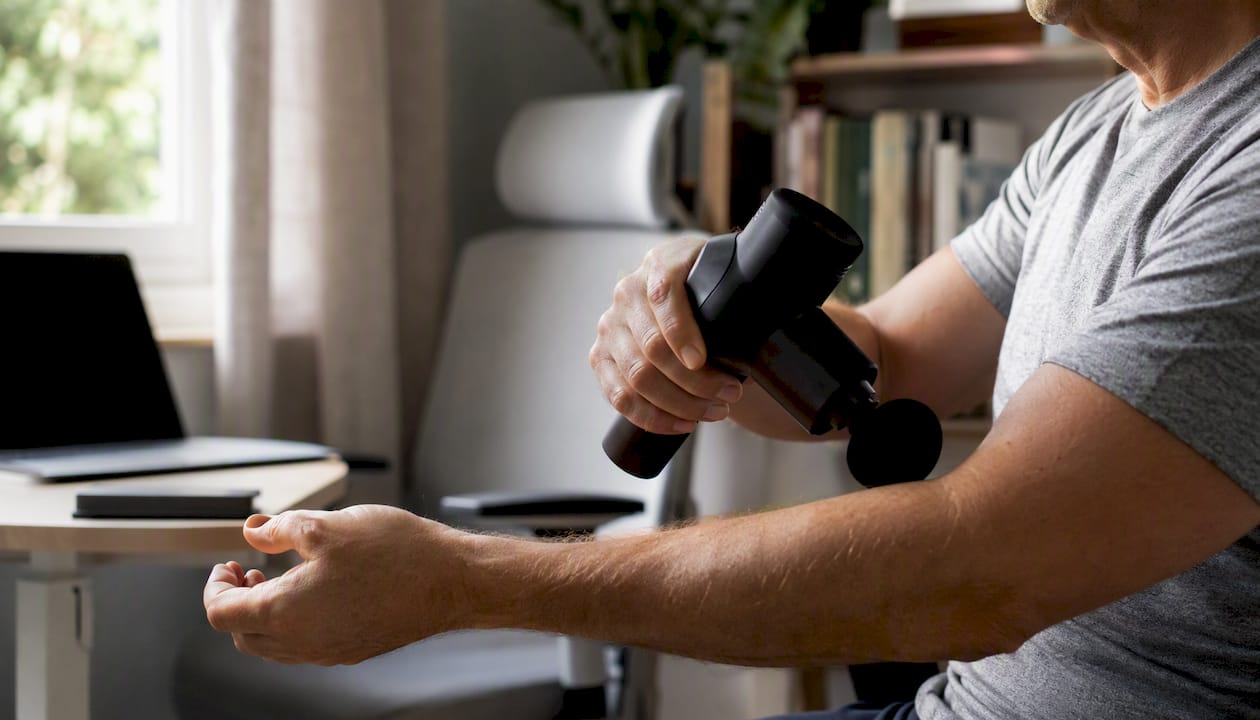
- Percussion massagers (massage guns): Rapid, rhythmic pulses penetrate muscle tissue, a process called mechanotransduction. This loosens adhesions, reduces spasm, and increases local blood flow without the need for a therapist.
- Red and near-infrared (NIR) light therapy devices: Light at 660 nm (red) and 810–850 nm (near-infrared) penetrates skin and is absorbed by mitochondria in cells. LHM Physical Therapy Institute explains that this photobiomodulation process supports tissue repair, reduces inflammation, and promotes joint and soft-tissue health, making it especially relevant for aging joints.
- Heated compression hand massagers: Pneumatic air chambers inflate and deflate in sequence, mimicking manual massage while heat relaxes stiff connective tissue. Particularly useful for hands and wrists affected by arthritis or repetitive strain.
- Infrared sauna blankets: Far-infrared heat raises core temperature gently, promoting circulation, sweating, and muscle relaxation without the intensity of a traditional sauna.
- Orthopedic wedge pillows: Passive but powerful. Proper spinal alignment during sleep reduces overnight muscle tension and supports nerve decompression, which compounds recovery gains from active devices.
- Wearable sensors: Heart rate variability (HRV), resting heart rate, and sleep-stage data feed into apps that tell you whether your body is ready for effort or needs another rest day. IoT-enabled wearables and AI platforms provide real-time monitoring that personalizes recovery plans in ways a fixed schedule simply cannot.
Pro Tip: Try red light therapy for 10–15 minutes before a workout on stiff joints, then use a percussion massager on worked muscles afterward. Early evidence suggests sequencing stimulation before effort and compression or heat after effort may improve both performance and recovery.
What are the proven advantages of smart recovery devices?
Reduced soreness and faster muscle repair
Physical therapist Robbie Mann calls percussion and massage guns among the most effective at-home tools available for reducing post-exercise spasms, easing soreness, and releasing muscle knots. The mechanism is direct: mechanical pulses increase local circulation and interrupt the pain-spasm cycle before it sets in. For adults who feel sore for two or three days after moderate activity, consistent use can shorten that window noticeably.
Lower inflammation and joint support
Red and near-infrared light at 660–850 nm has been shown in multiple studies to reduce markers of exercise-induced muscle damage, decrease inflammation, and accelerate strength recovery. For adults managing chronic joint stiffness, this is one of the few at-home modalities with a credible cellular mechanism behind it, not just anecdotal relief.
Better circulation and reduced swelling
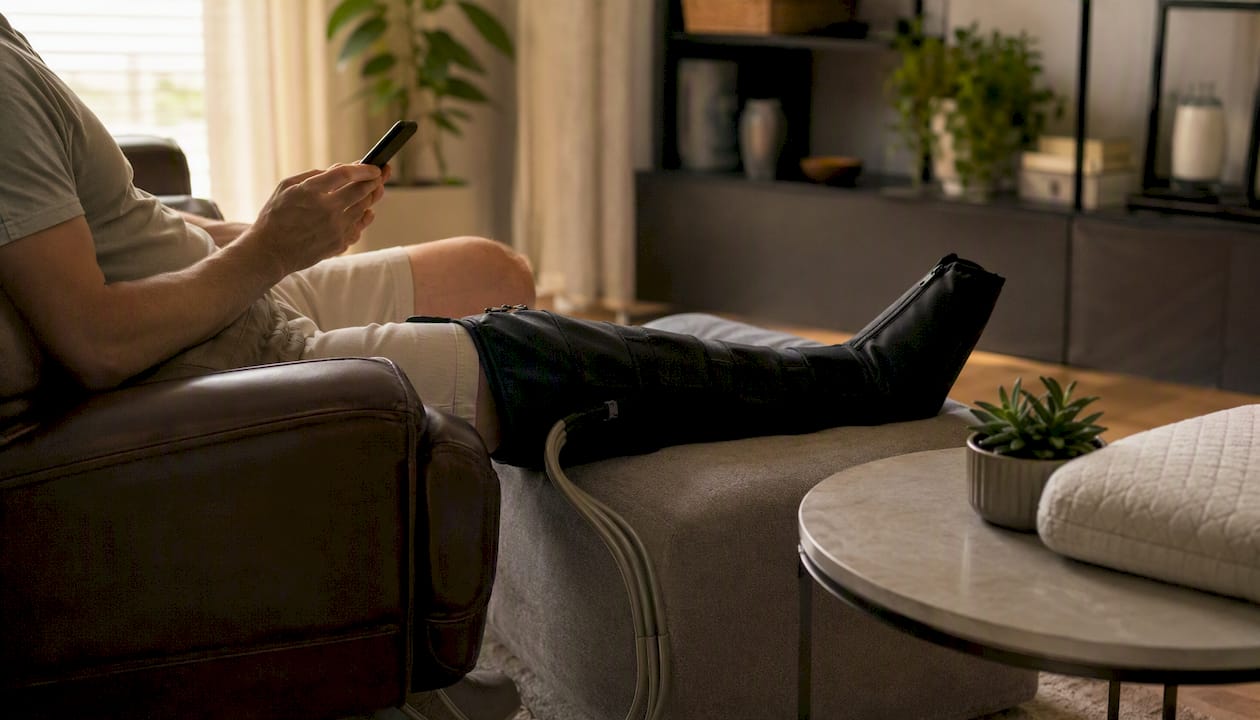
Intermittent pneumatic compression, the technology inside heated compression hand massagers and compression boots, improves blood flow and reduces exercise-related swelling. LHM Physical Therapy Institute notes that combining compression with red light therapy may offer additive benefits for circulation. Early pilot data supports this pairing for adults dealing with persistent leg or hand swelling.
Improved sleep and autonomic recovery
Regular wearable use is linked to measurable improvements in sleep consistency and resting heart rate through neurofeedback interventions that help optimize cognitive and autonomic function during recovery as explained by Neurofeedback: Brain Training for ADHD, Anxiety & Depression | iMind Mental Health Solutions. Better sleep is not a soft benefit: it is when growth hormone peaks, tissue repairs, and the nervous system resets. Tracking these metrics with a wearable gives you objective feedback rather than guessing whether last night’s rest was enough.
Pro Tip: Set a consistent bedtime and pair your orthopedic wedge pillow with a 10-minute infrared sauna blanket session 30–45 minutes before sleep. The gentle temperature drop afterward signals your body to shift into deeper rest.
Injury prevention through data
IoT wearables and AI-driven platforms track workload ratios and autonomic markers like HRV to flag overtraining risk before it becomes an injury. For adults 40–65, this kind of early warning is worth more than any single recovery session. You can also explore how biofeedback enhances relaxation and recovery as a complementary layer to device-based routines.
Who benefits most from at-home smart recovery?
Most adults 40–65 fall into at least one of these groups, and the device recommendations follow naturally from the goal.
- Active adults and weekend warriors: Percussion massagers and red/NIR light devices address post-activity soreness and speed return to exercise.
- People with chronic joint discomfort: Red light therapy devices for hands, joints, and feet, plus heated compression hand massagers, target stiffness and swelling with daily, low-effort sessions.
- Desk workers with postural tension: Orthopedic wedge pillows correct overnight alignment; percussion massagers address neck, shoulder, and lower-back tension that builds from hours of sitting.
- Adults managing mild circulatory issues: Infrared sauna blankets and compression devices support blood flow and perceived recovery between sessions.
- Anyone rebuilding after a period of inactivity: At-home recovery strategies for adults after 40 show that starting with low-intensity modalities like heat and light therapy builds a sustainable habit before adding more active tools.
Realistic expectations matter here. Most users notice reduced soreness and better sleep within two to four weeks of consistent use. Structural changes, like improved joint mobility or measurable HRV gains, typically take six to twelve weeks.
Safety, contraindications, and when to call your doctor
Common contraindications and red flags:
- Implanted electronic devices (pacemakers, spinal cord stimulators): avoid electrical or electromagnetic devices near the implant site.
- Active infection, open wounds, or skin conditions: do not apply heat, compression, or light directly over affected areas.
- Pregnancy: avoid infrared sauna blankets and strong percussion over the abdomen or lower back without medical clearance.
- Active cancer: consult your oncologist before using red/NIR light therapy or infrared heat.
- Severe peripheral vascular disease: compression devices require physician guidance.
- Recent surgery: wait for clearance from your surgeon before using any device on or near the surgical site.
Pro Tip: If you take blood thinners or anticoagulants, check with your prescribing physician before using percussion massagers at high intensity or compression devices. Both can affect local circulation in ways that interact with these medications.
Smart recovery devices are wellness tools, not medical treatments. They work best as a complement to, not a replacement for, professional care.
How to choose the right smart recovery device
Match the device type to your primary goal first, then evaluate specs and safety credentials.
Key selection criteria:
- Intensity levels and adjustability: Look for at least three speed or intensity settings. Adults 40–65 often need lower starting intensities than younger users.
- Attachments and coverage area: Percussion massagers should include at least four head attachments (ball, flat, fork, bullet) for versatile muscle targeting.
- Battery life: Aim for a minimum of two hours per charge for percussion devices; infrared blankets and compression devices are typically corded.
- App and data integration: Devices that sync with a companion app or wearable let you track session history and adjust based on recovery metrics.
- Materials and ease of cleaning: Washable covers and antimicrobial surfaces matter for daily use. Devices with removable, machine-washable covers reduce hygiene friction significantly.
- Certifications and safety standards: Look for FDA-registered or CE-marked devices where applicable, particularly for red light therapy and infrared products.
- Warranty: Consumer wellness devices typically carry one to two year warranties. Longer coverage signals manufacturer confidence.
Digital wellness tools that pair sensor data with device use give adults 40–65 a meaningful edge in personalizing their routines without guesswork.
How to use smart recovery devices safely at home
Start low, start short, and build from there. Most devices recommend beginning at the lowest intensity for sessions of 10–15 minutes, three to four times per week, before increasing duration or frequency.
Suggested routines by goal:
- Muscle soreness after activity: Use a percussion massager on worked muscle groups for 90 seconds per area within two hours of exercise. Follow with a 10-minute red/NIR light session on the same area.
- Morning joint stiffness: Run a heated compression hand massager for 15 minutes before your first tasks of the day. Pair with a short red light session on affected joints.
- Evening wind-down and circulation: Use an infrared sauna blanket for 20–30 minutes, then lie on your orthopedic wedge pillow to support spinal decompression overnight.
- Circulation support: Alternate red light therapy and compression on the same limb, starting with light therapy, then compression. Early pilot data suggests this sequence may offer additive circulation benefits.
Pro Tip: Log your sessions in a simple notes app or wearable dashboard. After four weeks, patterns in your sleep quality and soreness levels will tell you which devices are earning their place in your routine and which ones to use more or less.
What do these devices cost, and how long do they last?
Most consumer wellness devices last two to five years with proper care. Percussion massagers and red light therapy devices tend to be the most durable; infrared sauna blankets and compression devices may need component replacement (heating elements, air tubes) after two to three years of heavy use.
Typical cost ranges:
- Percussion massagers: $80–$400. Entry-level models handle basic soreness; mid-range ($150–$250) adds amplitude, quieter motors, and better attachments.
- Red/NIR light therapy devices (targeted, for hands/joints/feet): $60–$300. Larger panel devices cost more; targeted hand and foot units are the most accessible entry point.
- Heated compression hand massagers: $50–$150. Most quality units fall in the $80–$120 range.
- Infrared sauna blankets: $150–$500. Look for dual-zone temperature control and EMF-shielded materials.
- Orthopedic wedge pillows: $40–$120. High-density foam and washable covers are the two features worth paying for.
Maintenance basics: Wipe down hard surfaces after each use. Wash removable covers weekly. Store percussion massager heads in the included case to protect tips. Check firmware or app updates for smart devices quarterly. Most warranties cover manufacturing defects but not wear from daily use, so register your device immediately after purchase.
Why Lunixinc fits adults 40–65 looking for smart recovery
Lunixinc’s recovery collection maps directly to every advantage covered in this article. The percussion massager addresses post-activity soreness and muscle knots. The red light therapy devices for hands, joints, and feet deliver photobiomodulation where adults 40–65 need it most. The heated compression hand massager targets the chronic hand and wrist stiffness that desk work and arthritis create. The infrared sauna blanket supports whole-body circulation and evening wind-down. The orthopedic wedge pillow completes the overnight recovery picture.
- Percussion massager: Multiple intensity levels and attachments for versatile muscle targeting.
- Red light therapy devices: Dual-wavelength (red and NIR) coverage for both surface and deeper tissue.
- Heated compression hand massager: Multi-chamber air compression with adjustable heat, designed for daily use.
- Infrared sauna blanket: Adjustable temperature range with a focus on safe, accessible sessions.
- Orthopedic wedge pillow sets: High-density foam with washable covers and safety zippers, so hygiene is never an obstacle.
Touchscreen controls on select Lunixinc devices reduce the friction that complex interfaces create for older users. Washable covers and safety zippers mean the devices stay clean and safe with minimal effort. For adults who want home recovery solutions that actually fit into daily life, these details matter as much as the technology inside.
Pro Tip: If you’re new to smart recovery, start with one device that targets your biggest pain point, whether that’s a percussion massager for muscle soreness or a heated compression hand massager for stiff joints. Use it consistently for four to six weeks before adding a second modality. One tool used well beats five used occasionally.
Lunixinc’s recovery collection is worth exploring
Lunixinc brings together the device types this article covers into a single, curated recovery collection built for adults who want results without complexity.
Starter recommendations by goal:
- Muscle soreness and knots: Lunixinc percussion massager, multiple attachments included.
- Joint stiffness and inflammation: Lunixinc red light therapy device for hands, joints, and feet.
- Hand and wrist pain: Lunixinc heated compression hand massager with adjustable heat.
- Whole-body relaxation and circulation: Lunixinc infrared sauna blanket.
- Overnight recovery and alignment: Lunixinc orthopedic wedge pillow set with washable covers.
Browse the full Lunixinc recovery collection to find the right starting point for your goals, or reach out to Lunixinc’s support team for a personalized recommendation.
Sources
- PMC article
- Recovery Tools that Support Your Body - LHM® Physical Therapy Institute
- Why At-Home Wellness Tools Are Becoming a Bigger Part of the Wellness Industry and Going Mainstream - AOL
- Study: Impact of Wearables on Recovery Times - Healify Blog
- Frequency Technology for Athletes: Recovery Guide (2026)
This article is general information, not a substitute for advice from a qualified doctor. Consult a qualified healthcare professional about your own circumstances before acting on anything here.