


TL;DR:
- Essential oils provide real health benefits for sleep, stress, and pain when used safely and consistently.
- Effective use involves selecting targeted oils, maintaining routine, and ensuring proper dilution and ventilation.
Essential oils are concentrated plant extracts that influence physical and emotional well-being through aromatic and topical use. If you’ve been curious about adding them to your wellness routine, you’re not alone. Adults aged 30–65 are increasingly turning to these natural remedies for stress relief, better sleep, and everyday comfort. The good news is that research supports several real benefits. The key is knowing which oils work, how to use them safely, and what the science actually says.
Why use essential oils for health and wellness?
Essential oils, known in clinical settings as volatile aromatic compounds, are extracted from plant leaves, flowers, bark, and roots. Aromatherapy is the formal practice of using these oils for therapeutic purposes, and it has moved well beyond spa culture. The VA’s evidence map notes increasing use in healthcare settings, including hospitals and integrative medicine clinics, as practitioners look for low-risk tools to support patient comfort.
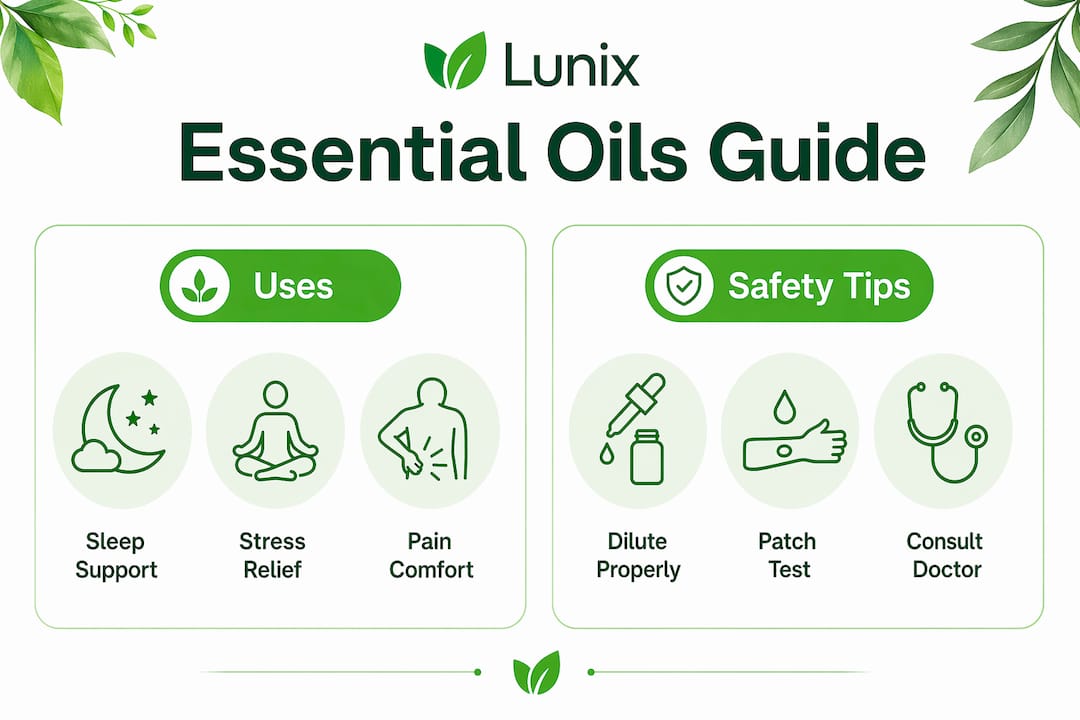
The core benefits of essential oils fall into several well-studied categories:
- Sleep support: Lavender is the most researched oil for sleep. A randomized controlled trial found that 79.1% of participants achieved good sleep quality when lavender aroma was added to cognitive behavioral therapy. That result is meaningful because it shows lavender works best as a complement to structured behavioral care, not as a standalone fix.
- Stress and mood: Aromatherapy influences emotional pathways through the neuroendocrine and autonomic nervous systems. Oils like bergamot, chamomile, and ylang ylang are commonly used for calming effects, and clinical observations support their role in reducing perceived stress.
- Antimicrobial activity: Tea tree oil and oregano oil have demonstrated antimicrobial activity against bacteria through mechanisms including cell membrane disruption. This suggests therapeutic potential beyond simple relaxation.
- Pain and inflammation: Peppermint and eucalyptus oils are used topically for muscle tension and minor pain. Evidence is preliminary but consistent enough to support cautious use.
Pro Tip: Start with one oil and one specific goal, like lavender for sleep, before building a larger collection. Focused use produces clearer results than experimenting with many oils at once.
The VA’s review is honest about the limits of current research. Evidence remains incomplete, particularly around adverse effects and safety in people with chronic conditions. That doesn’t mean essential oils don’t work. It means you should use them with realistic expectations and good information.
How do essential oils work in the body?
Essential oils work primarily through two routes: inhalation and topical application. Each route triggers different physiological responses, and understanding both helps you choose the right method for your goal.
When you inhale an essential oil, aromatic molecules travel through the nose and stimulate the olfactory system. That signal connects directly to the limbic system, the brain region that regulates emotion, memory, and stress response. This is why a single scent can shift your mood within seconds. The effect is real, not imagined. Aromatherapy influences neuroendocrine pathways, producing measurable physiological changes including shifts in heart rate, cortisol levels, and blood pressure.
Topical application works differently. When diluted and applied to skin, certain oil compounds absorb into the bloodstream and act locally on tissues. Peppermint oil applied to the temples, for example, creates a cooling sensation that can ease tension headaches.
The chemistry behind these effects is genuinely complex. Each essential oil contains hundreds of chemical compounds, and their biological effects vary based on extraction method, formulation, and sourcing. That variability is why two bottles of lavender oil from different brands can produce noticeably different results.
Key factors that affect how well an oil works:
- Extraction method: Steam distillation preserves more active compounds than solvent extraction.
- Purity and sourcing: Adulterated oils with synthetic additives produce weaker or unpredictable effects.
- Delivery method: Diffusion, direct inhalation, and topical use each reach the body differently.
- Individual response: Age, health status, and even genetics affect how your body responds to aromatic compounds.
This is why one oil is not effective for every person or every purpose. Matching the oil, method, and goal is the foundation of effective use.
What safety risks should you know before using essential oils?
Essential oils are natural, but natural does not mean risk-free. The Cleveland Clinic’s 2026 clinical guidance is direct: essential oils can irritate airways and skin, and they are not safe or effective for treating allergies or serious conditions. Knowing the risks upfront protects you from the most common mistakes.
Follow these safety rules before you start:
- Never ingest essential oils. Swallowing oils can damage the gastrointestinal tract and cause toxicity. This applies to all oils, including food-grade varieties used in cooking.
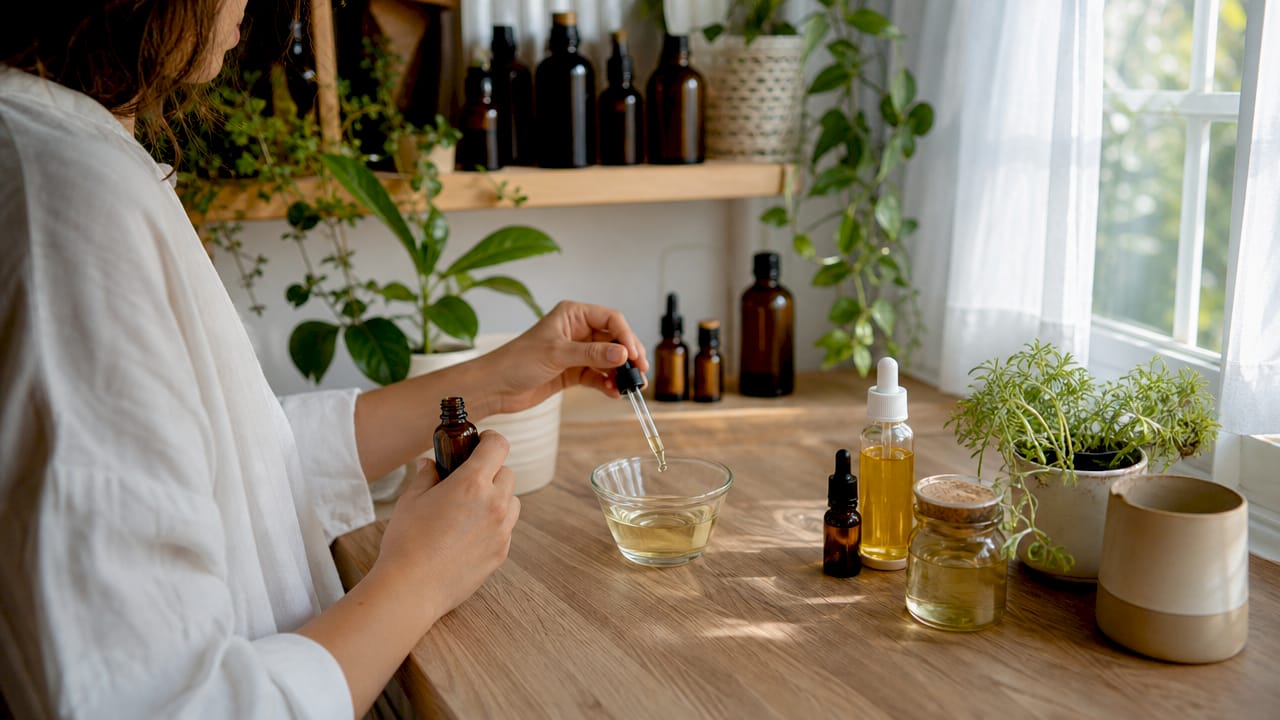
- Always dilute before applying to skin. Undiluted oils cause chemical burns and sensitization. A standard dilution is 2–3 drops of essential oil per teaspoon of a carrier oil like jojoba, sweet almond, or fractionated coconut oil.
- Test for skin reactions first. Apply a small diluted amount to your inner forearm and wait 24 hours before broader use.
- Limit diffusion if you have asthma or COPD. Essential oils release volatile organic compounds (VOCs) that can worsen breathing conditions. Short diffusion sessions in ventilated spaces reduce this risk.
- Do not use essential oils to treat anaphylaxis or severe allergic reactions. These are medical emergencies requiring epinephrine and emergency care.
- Check product quality. The FDA does not regulate essential oils as drugs, which means product quality varies widely. Look for oils with GC/MS (gas chromatography/mass spectrometry) testing certificates, which verify purity and compound content.
Pro Tip: If you take prescription medications, check with your pharmacist before using essential oils topically or aromatically. Certain oils, including grapefruit and clary sage, can interact with common medications.
Respiratory safety deserves special attention. People with asthma, COPD, or chronic sinusitis should consult a healthcare provider before using any diffuser regularly. Even oils marketed as calming, like eucalyptus, can trigger airway spasms in sensitive individuals. For guidance on respiratory safety with essential oils, reviewing evidence-based resources before starting is a sound step.
How can you add essential oils to your daily wellness routine?
Building a consistent routine is the single biggest factor in getting results from essential oils. Scheduled inhalation routines produce measurable improvements in sleep architecture, including more total sleep and reduced time to fall asleep, while sporadic use shows far weaker effects. Think of it like exercise: occasional effort produces occasional results.
Here is a practical framework for daily use:
- For sleep: Diffuse lavender or a lavender-cedarwood blend for 30 minutes before bed. A structured RCT with adults aged 65 and older showed that daily inhalation aromatherapy significantly improved sleep quality and reduced sleep latency. Pair this with a consistent bedtime routine for compounding benefits.
- For stress relief: Apply a diluted blend of bergamot or frankincense to your wrists and neck during midday breaks. The stress-reducing effects of topical aromatherapy are well-documented in clinical settings.
- For muscle recovery: Mix peppermint or eucalyptus oil with a carrier oil and massage into sore muscles after exercise. This works best within 30–60 minutes of activity.
- For focus: Diffuse rosemary or peppermint during work sessions. Short inhalation bursts of 10–15 minutes are more effective than continuous background diffusion.
The table below compares the most common delivery methods to help you choose the right one for your goal.
| Method | Best for | Key consideration |
|---|---|---|
| Diffusion | Sleep, mood, focus | Limit to 30–60 minutes; ventilate the room |
| Topical with carrier oil | Muscle relief, skin, stress | Always dilute; patch test first |
| Aromatic bath | Full-body relaxation | Add oils to bath salts first, not directly to water |
| Direct inhalation | Quick stress relief | Inhale from cupped hands or a personal inhaler |
Lavender works well for sleep. Peppermint and eucalyptus work well for physical discomfort. Bergamot and chamomile work well for anxiety. Matching the oil to the outcome, rather than using whatever smells pleasant, is what separates effective use from wishful thinking.
Essential oils also complement behavioral interventions. Research shows that lavender enhances cognitive behavioral therapy outcomes for sleep in menopausal women. The oil does not replace the therapy. It amplifies it. That principle applies broadly: essential oils work best alongside good sleep habits, stress management practices, and physical activity, not instead of them.
Key Takeaways
Essential oils deliver real, research-supported benefits for sleep, stress, and physical comfort when used consistently, safely, and with the right oil matched to the right purpose.
| Point | Details |
|---|---|
| Match oil to goal | Lavender targets sleep, peppermint targets muscle relief, bergamot targets stress. |
| Routine beats occasional use | Scheduled daily use produces measurable results; sporadic use does not. |
| Dilution is non-negotiable | Always mix with a carrier oil before skin contact to prevent irritation or burns. |
| Quality varies widely | Choose oils with GC/MS purity testing to avoid adulterated products. |
| Complement, don’t replace | Essential oils work best alongside behavioral and lifestyle interventions, not as substitutes. |
What I’ve learned from watching people use essential oils the wrong way
Most people who try essential oils and give up do one of two things: they buy a cheap multipack from a discount retailer, or they use oils randomly without any structure. Both approaches almost guarantee disappointment.
The research is clear that chemical complexity and lack of standardized dosing cause inconsistent outcomes. A low-quality lavender oil with synthetic additives will not produce the same sleep results as a pure, steam-distilled variety. That gap between expectation and experience is where most people lose faith in essential oils entirely.
What actually works is treating aromatherapy like any other wellness habit: specific, scheduled, and tied to a clear goal. The adults who see the best results are those who pick one or two oils, use them at the same time each day, and give it at least two to three weeks before evaluating. That is not a long time. It is just long enough for the body to respond to a consistent stimulus.
The safety piece also gets underestimated. Respiratory irritation from overuse is more common than most people realize, especially in small, poorly ventilated rooms. If you or someone in your home has asthma, start with topical use rather than diffusion. And if you are exploring essential oils for a specific health condition, loop in your doctor. Essential oils are a supportive tool, not a medical treatment.
— Lunix
How Lunixinc supports your recovery and wellness routine
Essential oils are one piece of a larger wellness picture. Recovery products that support your body physically can make aromatherapy even more effective, especially when you are working on sleep, stress relief, or muscle recovery.

Lunixinc’s recovery collection is built for adults who take their well-being seriously. From targeted comfort products to tools that support restorative rest, each item is designed to work alongside the habits you are already building. Pairing a nightly lavender diffusion session with physical recovery support creates a routine your body can actually feel. If you are ready to build a wellness setup that goes beyond a single oil, Lunixinc has the products to complete it. Also worth exploring: vocal and respiratory health considerations if you plan to use diffusion regularly.
FAQ
What are the main benefits of essential oils?
Essential oils support sleep quality, stress reduction, mood regulation, and minor pain relief. Research shows the strongest evidence for lavender in sleep improvement and tea tree oil for antimicrobial activity.
Are essential oils safe to use every day?
Daily use is safe for most adults when oils are properly diluted and diffused in ventilated spaces. People with asthma, COPD, or skin sensitivities should consult a healthcare provider before regular use.
Can essential oils replace medication or medical treatment?
Essential oils are supportive tools, not medical treatments. They should complement, not replace, prescribed medications or therapies for diagnosed conditions.
How long does it take to see results from essential oils?
Consistent daily use over two to three weeks produces the most reliable results. Sporadic or one-time use rarely produces noticeable changes in sleep or stress levels.
What is the safest way to use essential oils for beginners?
Start with diffusion using a single well-researched oil like lavender. Use the diffuser for 30 minutes in a ventilated room before bed, and avoid applying any oil directly to skin without diluting it first in a carrier oil.