


Struggling with ongoing discomfort can turn even simple tasks into daily challenges. For many in urban America, pain isn’t just a physical problem—it affects mood, energy, and overall wellness. With modern research recognizing pain as a chronic disease impacting both body and mind, understanding the difference between treatment options and knowing what truly works is more important than ever. Discover clear insights on effective pain management, personalized approaches, and new techniques designed to support your journey toward better health.
Table of Contents
- Pain Management Defined and Debunked
- Types of Pain and Key Differences
- How Modern Pain Management Works
- Innovative Techniques for Daily Relief
- Risks, Safety, and Legal Requirements
- Alternatives and Common Mistakes to Avoid
Key Takeaways
| Point | Details |
|---|---|
| Holistic Approach | Pain management necessitates a multidimensional method that considers physical, emotional, and psychological factors. |
| Personalized Treatment | Effective pain relief strategies should be tailored to each individual’s unique experiences and pain characteristics. |
| Integrated Methods | Combining pharmacological and non-pharmacological interventions enhances treatment effectiveness and overall patient wellness. |
| Legal Compliance | Understanding legal requirements and patient safety protocols is crucial for ethical pain management practices. |
Pain Management Defined and Debunked
Pain management represents a complex, multidimensional approach to understanding and treating physical discomfort that extends far beyond simply taking medication. Evidence-based medical strategies recognize pain as a chronic condition affecting multiple aspects of human wellness, not just a temporary physical sensation.
At its core, pain management involves several critical components:
- Holistic Assessment: Understanding pain’s physical, emotional, and psychological origins
- Personalized Treatment: Developing strategies unique to individual patient experiences
- Multidisciplinary Approach: Integrating medical, psychological, and lifestyle interventions
- Continuous Monitoring: Tracking pain’s evolution and treatment effectiveness
Chronic pain challenges traditional medical perspectives by presenting as a comprehensive health issue rather than a simple symptom. Complex healthcare ecosystem challenges frequently obstruct effective pain management, including regulatory barriers, professional stigma, and systemic healthcare limitations.
Pain is not just a physical experience but a complex interaction between body, mind, and environment.
Successful pain management requires understanding that each person’s pain experience is unique. Factors like genetics, previous injuries, stress levels, and lifestyle dramatically influence how individuals perceive and process pain signals.
Pro tip: Maintain a detailed pain journal tracking intensity, duration, triggers, and relief strategies to help healthcare professionals develop more targeted treatment plans.
Types of Pain and Key Differences
Pain is a complex sensory experience with multiple distinct classifications that help healthcare professionals understand and treat different pain manifestations. Pain classification systems reveal three primary patterns that dramatically impact how individuals experience and manage physical discomfort.
The primary types of pain can be categorized based on several critical dimensions:
-
Duration-Based Classification:
- Acute Pain: Sudden onset, typically short-term
- Chronic Pain: Persistent pain lasting beyond normal healing time
- Episodic Pain: Intermittent pain occurring at irregular intervals
-
Physiological Source Classification:
- Nociceptive Pain: Resulting from actual or potential tissue damage
- Neuropathic Pain: Arising from nerve system injuries or dysfunction
- Nociplastic Pain: Pain with altered central nervous system processing
Comprehensive pain understanding requires recognizing that each pain type presents unique characteristics and requires tailored treatment approaches. Nociceptive pain typically manifests as a sharp, localized sensation resulting from direct tissue injury, while neuropathic pain often feels like burning, electric, or shooting sensations.
Pain is not a uniform experience but a complex, individualized phenomenon that varies dramatically between individuals.
Nociplastic pain represents an emerging category that challenges traditional pain classifications. This type of pain occurs without clear tissue or nerve damage, highlighting the intricate relationship between physical sensation and neurological processing.

Here’s a side-by-side summary of the main pain types and how they differ:
| Pain Type | Usual Causes | Typical Sensation | Common Treatment Focus |
|---|---|---|---|
| Nociceptive | Tissue injury or inflammation | Sharp, throbbing, localized | Anti-inflammatories, rest |
| Neuropathic | Nerve injury or dysfunction | Burning, shooting, tingling | Nerve-targeting medications |
| Nociplastic | Altered nervous system | Diffuse, hard to pinpoint | Multimodal, often non-drug |
Pro tip: Maintain detailed documentation of your pain characteristics, including intensity, location, and triggering factors, to help healthcare professionals develop more precise treatment strategies.
How Modern Pain Management Works
Contemporary pain management strategies represent a sophisticated, holistic approach to addressing physical discomfort that goes far beyond traditional medication-only treatments. This comprehensive method recognizes pain as a complex, multifaceted experience requiring personalized, integrated care.
Modern pain management typically involves a multidisciplinary approach with several key components:
-
Pharmacological Interventions:
- Targeted analgesics
- Anti-inflammatory medications
- Carefully monitored prescription treatments
-
Non-Pharmacological Strategies:
- Physical therapy
- Cognitive behavioral techniques
- Mind-body interventions
- Alternative therapeutic approaches
Personalized treatment plans are now the cornerstone of effective pain management. Chronic pain management practices emphasize individualized approaches that consider a patient’s unique physiological, psychological, and lifestyle factors. This means moving beyond a one-size-fits-all model to create tailored strategies that address the root causes of pain.
Pain management is not about eliminating pain entirely, but about improving quality of life and functional capabilities.
Cutting-edge research continues to expand our understanding of pain, exploring innovative techniques like neuromodulation, regenerative medicine, and precision treatment protocols. These emerging approaches promise more targeted, effective interventions that address pain at its neurological and physiological sources.
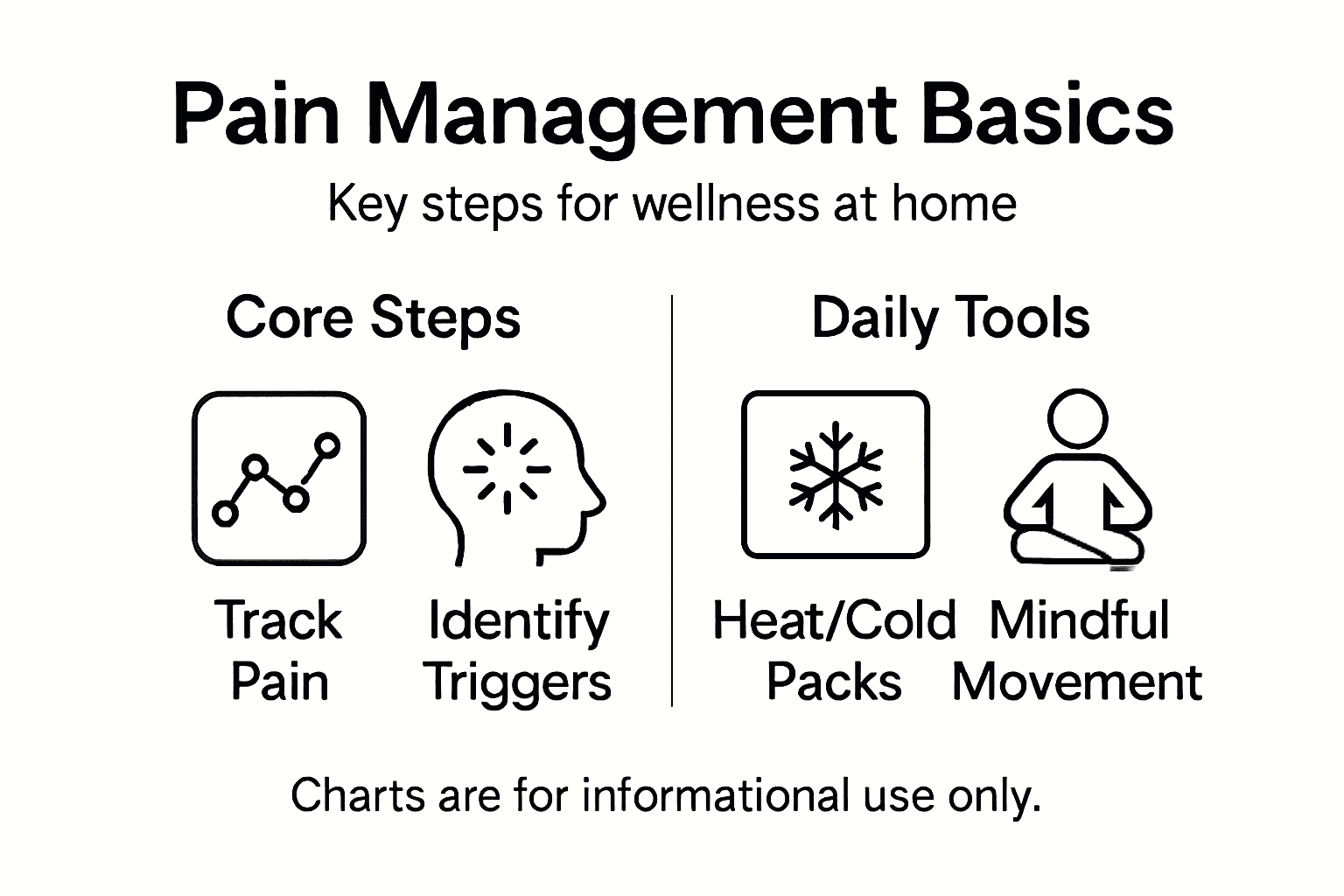
Pro tip: Develop a comprehensive pain tracking system that documents intensity, duration, triggers, and treatment responses to help healthcare professionals create more precise and effective management strategies.
Innovative Techniques for Daily Relief
Cutting-edge pain management technologies are transforming how individuals experience and address daily discomfort, offering unprecedented opportunities for personalized, non-invasive relief. These innovative approaches move far beyond traditional treatment models, integrating advanced scientific understanding with practical, accessible strategies.
Modern pain relief techniques encompass multiple breakthrough approaches:
-
Technology-Driven Solutions:
- Neuromodulation techniques
- Digital health monitoring
- Artificial intelligence-guided treatments
- Personalized medication algorithms
-
Holistic Intervention Strategies:
- Regenerative therapies
- Mind-body connection interventions
- Precision wellness technologies
- Targeted physiological treatments
Healthcare innovation in pain management now emphasizes personalized, multidisciplinary approaches that consider individual physiological, psychological, and lifestyle factors. Technological interventions like spinal cord stimulation and advanced pharmacogenetic treatments are expanding treatment possibilities, offering more targeted and effective pain management strategies.
Innovation in pain relief is not about finding a universal solution, but creating personalized pathways to individual wellness.
Emergent research continues exploring integrated approaches that combine behavioral interventions, cutting-edge pharmacological treatments, and complementary therapies. These comprehensive strategies aim to address pain at its neurological and physiological sources, providing more sustainable and effective long-term relief.
Pro tip: Create a comprehensive wellness journal tracking pain patterns, treatment responses, and lifestyle factors to help healthcare professionals develop increasingly precise, personalized pain management strategies.
Risks, Safety, and Legal Requirements
Legal frameworks surrounding pain management create a complex landscape of regulatory requirements designed to protect patient safety while ensuring effective treatment. Understanding these intricate legal considerations is crucial for responsible and ethical pain management.
Key legal and safety considerations include:
-
Prescription Monitoring:
- Track controlled substance usage
- Prevent medication misuse
- Comply with state and federal regulations
- Implement comprehensive documentation
-
Patient Safety Protocols:
- Informed consent documentation
- Risk assessment procedures
- Addiction screening techniques
- Comprehensive treatment monitoring
Ethical pain management principles emphasize patient rights and autonomy, recognizing pain treatment as a fundamental healthcare requirement. Controlled substance regulations demand meticulous tracking and documentation to balance effective treatment with addiction prevention.
Effective pain management requires a delicate balance between therapeutic relief and potential risk mitigation.
Healthcare professionals must navigate increasingly complex legal landscapes that prioritize patient safety while maintaining compassionate, individualized care. This involves understanding nuanced regulations, maintaining rigorous documentation, and implementing comprehensive risk assessment protocols.
The following table highlights key safety and legal priorities in pain management:
| Priority Area | Key Focus | Practical Example |
|---|---|---|
| Prescription Safety | Prevent misuse, track usage | Real-time prescription monitoring |
| Patient Protection | Ensure informed consent | Detailed discussion of risks |
| Compliance | Meet legal requirements | Adhering to state/federal laws |
Pro tip: Develop a systematic documentation process that tracks patient treatment responses, medication interactions, and potential risk factors to ensure comprehensive legal and medical compliance.
Alternatives and Common Mistakes to Avoid
Nonopioid treatment strategies offer comprehensive alternatives to traditional pain management approaches, providing safer and more holistic methods for addressing physical discomfort. Understanding these alternatives can dramatically transform how individuals approach pain relief.
Key alternative pain management approaches include:
-
Non-Pharmacological Interventions:
- Physical therapy
- Cognitive behavioral techniques
- Exercise-based rehabilitation
- Mindfulness meditation
- Acupuncture and manual therapies
-
Common Mistakes to Avoid:
- Overrelying on medication
- Neglecting comprehensive assessment
- Ignoring lifestyle factors
- Avoiding holistic treatment strategies
Complementary pain management techniques emphasize patient-centered approaches that integrate multiple therapeutic modalities. Alternative treatment strategies focus on addressing root causes rather than simply masking symptoms, providing more sustainable and effective long-term pain management.
Effective pain management is about finding the right combination of treatments, not seeking a single, universal solution.
Holistic approaches recognize that pain is a complex, multidimensional experience requiring integrated intervention strategies. By combining different therapeutic techniques and understanding individual pain mechanisms, patients can develop more personalized and effective pain management plans.
Pro tip: Create a comprehensive wellness strategy that combines multiple pain management techniques, regularly reassessing and adjusting your approach based on individual response and changing health conditions.
Experience Personalized Pain Relief with Lunix Wellness Solutions
The article highlights the challenges of managing complex pain types like nociplastic and neuropathic pain which often require personalized and holistic approaches for effective relief. If you relate to the frustration of chronic discomfort that disrupts your daily life and the need for solutions that support physical restoration and relaxation at home Lunix offers smart recovery and comfort products designed to seamlessly integrate into your wellness routine. With a focus on innovative technology and thoughtful design Lunix helps you create a personal space that supports mind and body healing.
Discover how you can empower your daily wellness through targeted comfort solutions that address your unique pain experience

Take control of your wellness journey today by exploring our premium collection of recovery tools and comfort solutions that align with the modern pain management principles discussed in the article. Learn more about how to restore, relax, and perform at your best with Lunix wellness innovations. Start transforming your living space into a personalized sanctuary and embrace a life with improved comfort and function now.
Frequently Asked Questions
What are the main types of pain in pain management?
Pain is primarily categorized into three types: nociceptive pain, which originates from tissue injury; neuropathic pain, which arises from nerve damage; and nociplastic pain, which occurs without clear injury or damage. Each type requires different treatment approaches.
How can I assess my pain effectively at home?
Maintaining a pain journal can be very helpful. Track the intensity, duration, triggers, and relief strategies for your pain, allowing you to provide detailed information to healthcare professionals for personalized treatment plans.
What non-pharmacological strategies can help with pain management?
Effective non-pharmacological strategies include physical therapy, cognitive behavioral techniques, mindfulness meditation, and alternative therapies like acupuncture. These approaches can complement conventional medical treatments.
What are some common mistakes to avoid in pain management?
Avoid overrelying on medication, neglecting comprehensive assessments, ignoring lifestyle factors, and bypassing holistic treatment strategies. A balanced approach that combines various techniques tends to be most effective.