


Tight muscles and daily aches can leave even the most health-conscious adults searching for effective relief that fits their busy routines. As more American self-care routines embrace smart technology, massage devices offer an accessible way to manage tension and support long-term wellness at home. Discover how these advanced tools go beyond simple relaxation, providing precise relief and holistic support for enhanced recovery, comfort, and peace of mind.
Table of Contents
- Massage Devices Defined And Common Myths
- Types Of Massage Devices For Home Use
- How Smart Massage Devices Work
- Key Benefits: Pain Relief To Stress Reduction
- Risks, Costs, And What To Avoid
- Comparing Massage Devices With Traditional Options
Key Takeaways
| Point | Details |
|---|---|
| Massage Devices Offer Targeted Relief | These devices provide specific muscle relief and support recovery, going beyond traditional methods. |
| Variety of Devices Available | Different types of massage devices cater to various physical needs, enhancing convenience and effectiveness at home. |
| Smart Technology Enhances Experience | Advanced sensors and AI enable personalized massage experiences, optimizing pressure and technique based on user feedback. |
| Awareness of Risks and Costs is Essential | Users should understand potential risks and consult professionals, as well as consider device costs during selection. |
Massage Devices Defined and Common Myths
Massage devices represent advanced wellness technologies designed to provide targeted muscle relief and recovery support. Unlike traditional manual massage techniques, these sophisticated tools leverage precise mechanical manipulation to address specific physical tension zones. Massage therapy involves manipulating soft body tissues to enhance overall wellness and manage various health conditions.
Modern massage devices come in multiple formats, each targeting different physiological needs:
- Percussion Massagers: Deep tissue muscle treatment
- Vibration Devices: Circulation and relaxation enhancement
- Compression Tools: Lymphatic drainage and muscle recovery
- Targeted Handheld Massagers: Precise pain point relief
Contrary to popular misconceptions, massage devices are not one-size-fits-all solutions. Clinical massages target specific pain areas with remarkable precision, offering more than temporary muscle relief. These devices influence multiple bodily systems, including fascia, lymph flow, and circulatory networks.
Common myths about massage devices often stem from limited understanding of their comprehensive health benefits. Many people believe these tools only provide short-term muscle relaxation, when in reality, they can support long-term wellness strategies by reducing chronic tension, improving mobility, and supporting recovery processes.
Pro tip: Select a massage device that matches your specific physical needs and comfort level, considering factors like intensity settings, portability, and targeted muscle groups.
Types of Massage Devices for Home Use
Home massage devices have revolutionized personal wellness, offering targeted relief and recovery solutions for individuals seeking convenient health management. Home massage equipment varies widely in design, functionality, and therapeutic approach, providing users with multiple options to address specific physical needs.
The primary categories of massage devices for home use include:
- Handheld Massagers: Compact tools for targeted muscle relief
- Massage Chairs: Comprehensive full-body treatment systems
- Foot Massagers: Specialized devices for lower extremity circulation
- Neck and Shoulder Massagers: Focused tension relief for upper body
- Massage Guns: Deep tissue percussive therapy devices
Massage devices range from large chairs to compact tools with unique features tailored to different wellness goals. Handheld devices offer portability and precision, allowing users to address specific muscle groups quickly. Massage chairs provide more extensive treatments, simulating professional massage techniques with advanced features like heat therapy and multiple massage modes.
Modern home massage devices go beyond simple muscle manipulation, integrating sophisticated technologies that support holistic wellness. These tools can help manage chronic pain, improve circulation, reduce muscle tension, and support post-workout recovery, making them valuable additions to personal health management strategies.
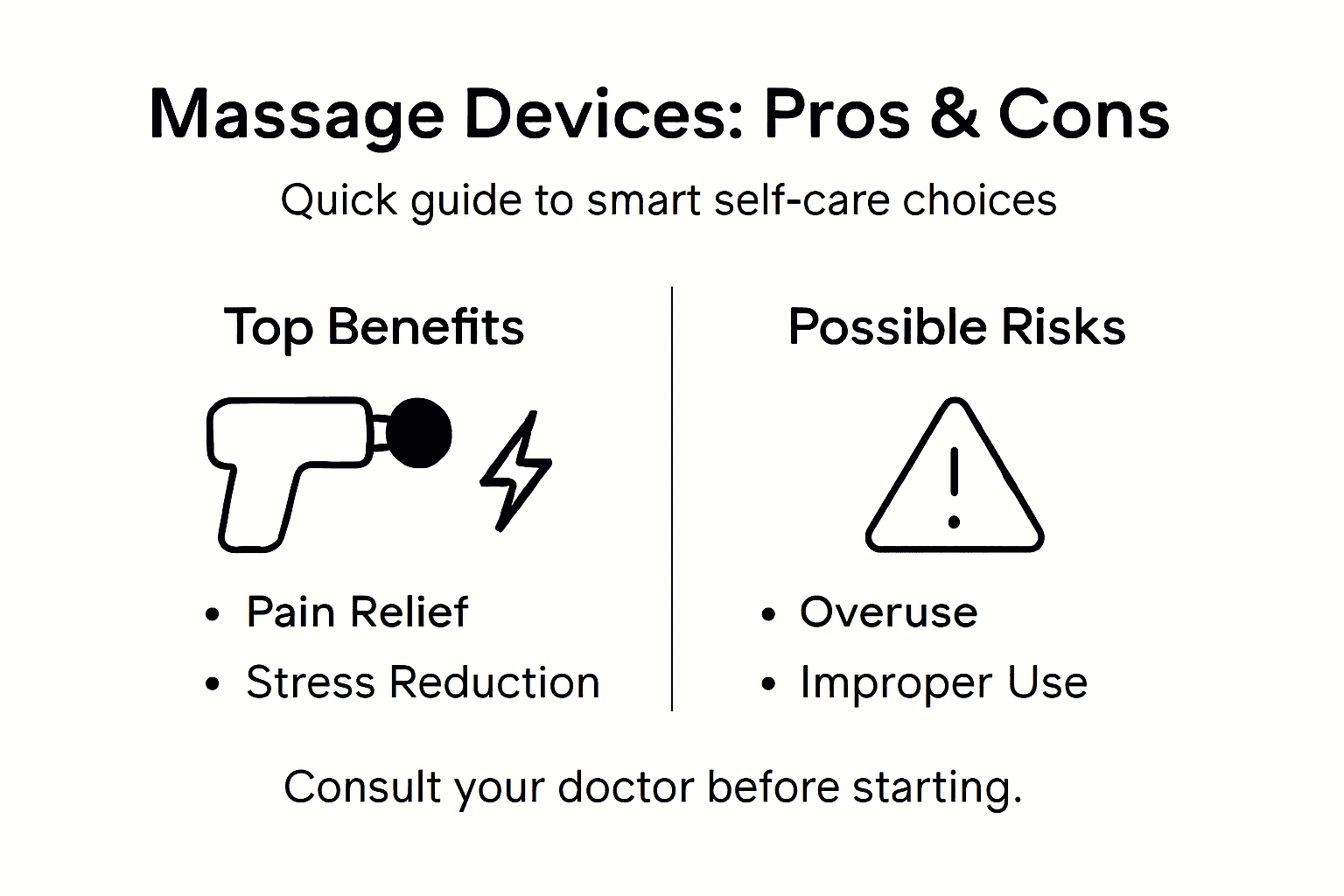
Here’s a quick comparison of popular home massage device categories and their unique strengths:
| Device Type | Best For | Notable Feature |
|---|---|---|
| Handheld Massager | Targeted pain relief | High portability |
| Massage Chair | Full-body relaxation | Multi-mode programming |
| Foot Massager | Foot and lower leg recovery | Stimulates blood flow |
| Neck & Shoulder Massager | Upper body tension | Ergonomic design |
| Massage Gun | Deep tissue recovery | Adjustable percussion strength |
Pro tip: Evaluate your specific physical needs and available space before selecting a massage device, considering factors like portability, intensity levels, and targeted muscle groups.
How Smart Massage Devices Work
Innovative massage technologies have transformed personal wellness by integrating advanced robotics and artificial intelligence into therapeutic devices. Smart massage devices use sophisticated sensor technologies to deliver precision-targeted muscle relief that adapts to individual physiological needs.
The core technological components of smart massage devices include:
- Force Sensing Technology: Measures muscle tension in real-time
- Motion Primitive Algorithms: Calculates optimal massage techniques
- Dynamic Control Systems: Adjusts pressure and movement automatically
- Biometric Feedback Mechanisms: Monitors user’s physical response
- AI Personalization Engines: Customizes massage experience
AI-powered robotic massage systems detect muscle stiffness through advanced sensor networks, enabling them to replicate professional massage techniques with unprecedented accuracy. These intelligent devices can identify specific muscle groups, calculate optimal pressure points, and provide consistently therapeutic experiences that adapt to individual physical conditions.
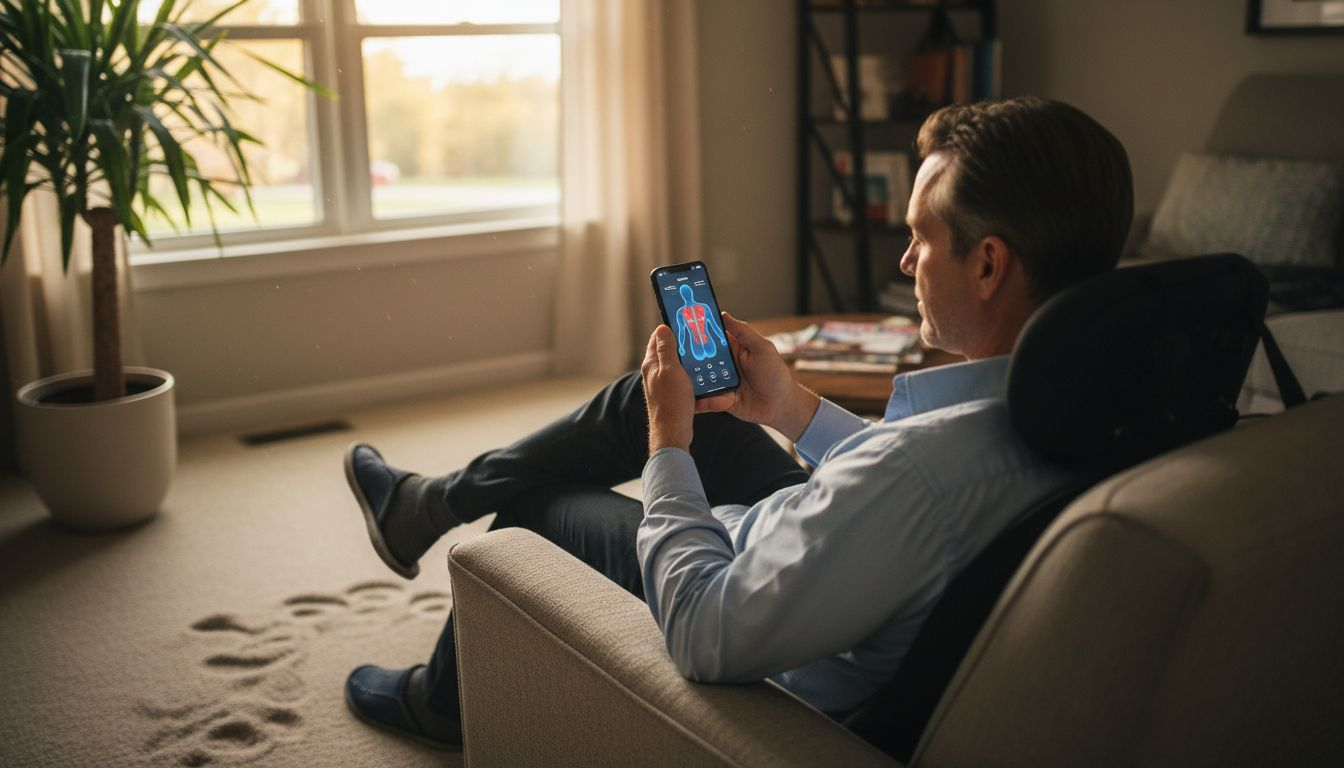
Modern massage devices go beyond mechanical manipulation by integrating psychological comfort technologies. By simulating human touch and providing personalized experiences, these smart devices create holistic wellness solutions that address both physical tension and emotional well-being.
Pro tip: Research the specific sensor technologies and customization features of massage devices before purchasing to ensure the best match for your personal health requirements.
Key Benefits: Pain Relief to Stress Reduction
Massage devices offer a comprehensive approach to wellness, addressing physical discomfort and psychological stress through targeted therapeutic interventions. Massage therapy demonstrates significant effectiveness for managing chronic pain and improving overall quality of life, providing a non-pharmacological solution for individuals seeking holistic health management.
The key benefits of massage devices include:
- Pain Management: Reduces muscle tension and chronic pain
- Stress Reduction: Lowers anxiety and promotes relaxation
- Improved Circulation: Enhances blood flow and metabolic processes
- Mood Enhancement: Triggers positive hormonal responses
- Physical Recovery: Supports muscle healing and flexibility
Massage therapy offers targeted pain relief for specific body areas, including low-back, neck, and shoulder regions. These devices work by stimulating neural pathways, releasing tension, and promoting natural healing mechanisms that go beyond temporary symptom management.
Beyond physical benefits, massage devices provide psychological support by regulating stress hormones and creating a sense of emotional well-being. Regular use can transform personal wellness routines, offering a proactive approach to managing both physical discomfort and mental health challenges.
Pro tip: Integrate massage device sessions into your weekly routine, starting with short 10-15 minute sessions and gradually increasing duration as your body adapts.
Risks, Costs, and What to Avoid
Massage devices offer significant wellness benefits, but understanding potential risks is crucial for safe and effective use. Percussive massage devices can cause risks if not used correctly, potentially leading to unintended physical complications that users must carefully navigate.
Critical risks and considerations include:
-
Medical Conditions: Avoid use with:
- Active infections
- Open wounds
- Recent surgical sites
- Vascular disorders
-
Physical Limitations: Not recommended for:
- Fracture recovery
- Severe osteoporosis
- Chronic inflammatory conditions
-
Potential Side Effects:
- Temporary bruising
- Nerve irritation
- Muscle soreness
- Potential inflammation
Cost considerations vary significantly across massage device categories, with options ranging from budget handheld devices to professional-grade systems. Entry-level devices start around $50, while advanced models with multiple features can exceed $500. Professional-quality massage chairs represent the highest investment, potentially costing between $1,500 and $5,000.
To minimize risks, users should always consult healthcare professionals before incorporating massage devices into their wellness routines, especially when managing pre-existing health conditions or recovering from injuries.
Pro tip: Start with lower intensity settings and shorter sessions, gradually increasing duration and pressure as your body adapts to the massage device.
Comparing Massage Devices With Traditional Options
Modern massage devices represent a technological leap beyond traditional manual massage techniques, offering unprecedented precision, consistency, and personalization in therapeutic interventions. Unlike human-delivered massages that depend on individual practitioner skill, these advanced tools provide repeatable, scientifically calibrated treatment experiences.
Key differences between massage devices and traditional options include:
-
Precision:
- Devices: Consistent, targeted pressure
- Manual: Variable pressure and technique
-
Accessibility:
- Devices: Available 24/7, instant use
- Manual: Requires scheduling, professional availability
-
Cost:
- Devices: One-time investment
- Manual: Recurring per-session expenses
-
Customization:
- Devices: Multiple intensity and mode settings
- Manual: Limited by practitioner’s technique
Self-massage techniques offer complementary alternatives that bridge the gap between professional massage and personal device use. These methods can be combined with massage devices to create a comprehensive personal wellness strategy.
While traditional massage offers unique human touch benefits, technological advancements in massage devices now provide remarkably sophisticated alternatives that can match or exceed manual techniques in targeted therapeutic intervention. The key is understanding how to integrate both approaches for optimal physical and mental well-being.
Compare how massage devices and traditional manual massage differ in major aspects:
| Aspect | Massage Devices | Traditional Massage |
|---|---|---|
| Consistency | Precise, repeatable output | Varies by practitioner |
| Availability | On-demand at home | Scheduled appointments |
| Customization | Adjustable settings | Human intuition |
| Human Touch | Lacks emotional connection | Provides comforting contact |
Pro tip: Consider using massage devices as a supplement to, not a complete replacement for, professional massage therapy when addressing complex physical conditions.
Elevate Your Self-Care with Smart Massage Solutions
If you are seeking smarter self-care options to relieve chronic tension and improve recovery you are not alone. Many people face challenges like persistent muscle soreness, stress, and limited access to professional massage. This article highlights the power of massage devices designed to provide targeted relief, customizable intensity, and long-term wellness benefits. These solutions help transform your daily routine into a personalized restoration experience.
At Lunix you will find thoughtfully designed Portable and Relaxation massage devices that seamlessly integrate with your lifestyle.

Explore how our innovative products incorporate advanced technology and ergonomic comfort to bring professional quality recovery to your own home. Visit Lunix now to discover tools that empower you to restore, relax, and perform at your best. Start your journey toward smarter self-care today.
Frequently Asked Questions
What are massage devices and how do they differ from traditional massage?
Massage devices are advanced tools designed to provide targeted muscle relief through mechanical manipulation, unlike traditional massages that rely on hands-on techniques. They offer consistent pressure, customizable settings, and on-demand access.
What types of massage devices are suitable for home use?
Common types of massage devices for home use include handheld massagers for targeted pain relief, massage chairs for full-body relaxation, foot massagers for lower extremity circulation, neck and shoulder massagers for upper body tension, and massage guns for deep tissue therapy.
How can I safely use a massage device?
To safely use a massage device, start with lower intensity settings and shorter sessions, especially if you’re new to massage therapy or have existing health conditions. Always consult a healthcare professional if you’re unsure about using a device with certain medical issues or injuries.
What are the key benefits of using massage devices?
Key benefits include pain management by reducing muscle tension, stress reduction by promoting relaxation, improved circulation, enhanced mood through hormonal responses, and support for physical recovery after exercise.