


Finding reliable pain relief and relaxation after a busy day is a priority for many American adults. For those managing muscle aches, arthritis, or chronic stress, heat therapy delivers real physiological benefits beyond temporary comfort. By increasing blood flow and enhancing tissue flexibility, these proven methods help you maintain mobility and lower discomfort. Explore the science, safety tips, and most effective solutions that fit seamlessly into your wellness routine.
Table of Contents
- Heat Therapy Defined And Common Misconceptions
- Main Types Of Heat Therapy Solutions
- How Heat Affects Pain And Recovery
- Key Benefits For Stress And Wellness
- Risks, Safety Concerns, And What To Avoid
- Comparing Heat Therapy Alternatives
Key Takeaways
| Point | Details |
|---|---|
| Understanding Heat Therapy | Heat therapy effectively reduces pain and improves joint and muscle function by enhancing blood flow and decreasing muscle stiffness. |
| Common Misconceptions | Myths such as moist heat being superior to dry heat can hinder effective use; both methods have unique benefits. |
| Timing and Safety | Apply heat after acute inflammation subsides, ensuring not to exceed recommended durations to avoid burns. |
| Combining Therapies | Utilizing a mix of heat, cold, and other treatments enhances overall pain management and recovery results. |
Heat Therapy Defined And Common Misconceptions
Heat therapy, also called thermotherapy, is the deliberate application of heat to your body to reduce pain and improve function in joints, muscles, and soft tissues. Rather than some passive comfort method, it works through specific physiological mechanisms: increasing blood flow to affected areas, reducing inflammation, decreasing muscle stiffness, and improving tissue flexibility. When you apply heat to your lower back after sitting at a desk all day or to your arthritic knee in the morning, your body responds by dilating blood vessels, delivering more oxygen and nutrients to those tissues, and accelerating the healing process. Research on heat therapy mechanisms confirms that this isn’t just about feeling temporarily better—the physiological changes create real improvements in mobility and pain reduction.
The misconceptions around heat therapy run surprisingly deep, and they often prevent people from using it effectively. The most common myth involves moist heat versus dry heat, with many people believing wet heat (like hot towels or steam) must be superior. In reality, studies show that dry heat may trigger better vasodilation and deeper tissue penetration, making both approaches valuable depending on your situation. Another widespread misunderstanding involves the detoxification claims surrounding sweating during heat therapy. Your sweat isn’t eliminating toxins in any meaningful way—your body has your liver and kidneys for that. The real benefit is the improved blood flow and tissue response, not some purification process. Additionally, many people assume more is always better and apply heat sessions that are far too long or too hot, which can actually cause burns or excessive inflammation instead of reducing it.
Understanding what heat therapy actually does helps you use it as part of your broader pain management routine. Rather than viewing it as a standalone cure, think of it as one component in managing chronic pain, recovering from injuries, or simply maintaining mobility and flexibility as you age. The benefits of heat therapy for pain relief extend beyond immediate comfort to include genuine improvements in tissue function and range of motion. Whether you’re dealing with arthritis stiffness, muscle soreness from activity, or general tension, the mechanism remains consistent: controlled heat application triggers your body’s natural healing responses.
Pro tip: Start with 15 to 20 minute heat sessions at a comfortable temperature rather than jumping to maximum heat, and allow at least one to two hours between sessions to let your tissues cool and adapt properly.
Main Types Of Heat Therapy Solutions
When it comes to applying heat for pain relief, you have more options than just grabbing a heating pad from the closet. The variety of heat therapy solutions available today means you can choose based on your specific needs, the area you’re treating, and your lifestyle. Heating pads and heat wraps are the most accessible starting point for most people in your age group. These devices deliver consistent, controllable warmth to localized areas like your lower back, neck, or shoulders. They’re convenient for home use, affordable, and you can adjust the temperature to your comfort level. Warm baths and showers work differently, immersing your entire body or large muscle groups in heat, which helps relax muscles and reduce overall stiffness. This approach is particularly helpful on mornings when arthritis makes your joints feel tight or after a day of physical activity.
For more targeted, deeper warmth, paraffin baths provide concentrated heat to hands, feet, or other joints. These wax treatments are commonly used in physical therapy clinics and create a sustained, penetrating warmth that’s especially beneficial for arthritis sufferers. You can also find paraffin bath kits for home use. Another effective option involves hydrocollator packs (also called moist heat packs), which combine moisture with heat to improve penetration into muscles and joints. Physical therapists frequently use these in clinical settings, but they’re available for home purchase as well. Infrared therapy devices represent a newer category that uses light wavelengths to generate heat deep within tissues without requiring direct contact, making them useful for sensitive skin or areas difficult to treat with traditional methods.
Saunas and steam rooms offer a whole-body approach to heat therapy, promoting relaxation while improving circulation throughout your system. However, these require access to facilities or home installation. For a more modern approach, ultrasound therapy combines heat with vibration to reach deeper tissue layers, though this typically requires professional administration. The key is matching the solution to your situation. If you have localized joint pain from arthritis, a heating pad or paraffin bath works well. For general muscle soreness and stress reduction, a warm bath or full-body sauna makes sense. Heat therapy solutions vary in their penetration depth and application technique, so understanding these differences helps you select what actually addresses your needs rather than just what feels pleasant in the moment.
Pro tip: Start with whichever heat therapy method you can use consistently and safely in your home, then gradually explore other options to identify what provides the best pain relief for your specific condition.
Here’s how the main heat therapy options differ:
| Method | Area Treated | Typical Use Duration | Unique Advantages |
|---|---|---|---|
| Heating pad/heat wrap | Localized (back, neck) | 15-30 minutes | Adjustable temperature, easy at home |
| Warm bath/shower | Full body or large muscles | 10-20 minutes | Relaxes multiple muscle groups |
| Paraffin bath | Hands, feet, joints | 15-20 minutes | Deep, moist heat for small joints |
| Infrared device | Localized or hard-to-reach | 10-20 minutes | Deeper tissue penetration, no direct contact |
| Sauna/steam room | Full body | 10-20 minutes | Cardiovascular benefits, relaxation |
| Hydrocollator pack | Localized muscles/joints | 15-20 minutes | Moist heat enhances penetration |
How Heat Affects Pain And Recovery
Heat works on your body at a fundamental level by triggering a cascade of physiological responses that directly address pain and accelerate healing. When you apply warmth to an injured or stiff area, your blood vessels dilate, expanding to allow more blood flow to that region. This increased circulation delivers oxygen and essential nutrients to damaged tissues, which they desperately need to repair themselves. Your muscles also relax when exposed to heat, releasing the tension and spasms that often accompany pain. Think of heat as opening a highway for your body’s healing resources to reach the problem area more efficiently. Beyond just feeling temporarily better, this process actively supports your body’s natural healing phases, reducing stiffness and discomfort that can linger for weeks or months without proper intervention.

Timing matters considerably when using heat for pain management. Heat increases blood flow and promotes healing, but it works best for subacute or chronic conditions rather than immediately after an acute injury with significant swelling. If you’ve just twisted your ankle or strained a muscle in the last 24 to 48 hours, cold application is more appropriate to reduce inflammation first. However, once that acute inflammation phase passes, heat becomes your ally. For chronic conditions like arthritis that you’ve dealt with for months or years, heat provides consistent relief by maintaining improved blood flow and muscle relaxation. Many people in your age group find that applying heat in the morning helps them move through their day with less stiffness, while others use it after activity to prevent soreness from setting in. The key is recognizing when your pain is acute and inflamed versus when it’s the lingering tension and restriction of a chronic issue.
Proper heat application technique directly affects how well it works for recovery. Moist heat or heating pads applied for up to 20 minutes multiple times daily provides optimal results, allowing your tissues to warm without overheating. Some people discover that alternating heat and cold therapy, known as contrast therapy, delivers even better outcomes for certain conditions. When you understand how heat affects your body’s recovery process, you can use it strategically as part of a broader pain management approach. Combined with physical activity, proper sleep, and stress reduction, heat therapy becomes a powerful tool for managing pain while speeding up recovery after physical therapy or surgery. Your body responds to consistent, properly applied heat with genuine improvements in function and comfort.
Pro tip: Apply heat for 15 to 20 minutes at a time, wait at least one to two hours between sessions, and always test the temperature on the inside of your wrist before placing it on sensitive skin or joints.
Key Benefits For Stress And Wellness
Beyond its direct effects on physical pain, heat therapy profoundly influences your mental health and overall stress levels. When you immerse yourself in warmth, your body responds by releasing endorphins, those natural chemicals that create feelings of calm and well-being. This isn’t just a temporary emotional lift either. Regular heat therapy sessions trigger relaxation responses in your nervous system, lowering your cortisol levels and reducing the constant state of tension that characterizes chronic stress. Think about how you feel after a warm bath or sauna session: that deep sense of relaxation isn’t coincidental. Your muscles literally relax, your breathing deepens, and your mind shifts away from worrying about pain or daily pressures. For people in midlife dealing with multiple stressors, this mental reset becomes as valuable as the physical relief. Heat exposure facilitates relaxation and endorphin release, creating a genuine shift in how your body manages stress.
The cardiovascular benefits of regular heat therapy contribute significantly to your overall wellness picture. When you use saunas or other heat therapies consistently, you’re essentially exercising your heart through controlled heat exposure. This practice has been linked to lower blood pressure, reduced stroke risk, and improved circulation throughout your body. These changes extend your functional capacity as you age, allowing you to maintain activities you enjoy without the fear that pain or cardiovascular limitations will interrupt your life. Regular heat therapy sessions also improve sleep quality, another critical component of stress management and overall health. Many people find that an evening heat session helps them fall asleep more easily and sleep more deeply, creating a positive cycle where better rest reduces stress and pain sensitivity, making subsequent heat therapy sessions even more effective.
Mood and mental health improvements represent another crucial wellness benefit often overlooked in pain management discussions. How stress affects your body and how to manage it naturally directly connects to your pain perception, creating a cycle where stress amplifies pain and pain increases stress. Heat therapy breaks this cycle by addressing both components simultaneously. Regular use has been associated with improvements in mood, reduced anxiety, and greater emotional resilience. For people managing chronic conditions, this mental shift can be transformative. Instead of viewing yourself as someone limited by pain, heat therapy sessions become dedicated wellness time where you’re actively investing in your recovery and stress management. This psychological benefit often matters as much as the physical relief, giving you a sense of agency and control over your health rather than feeling victimized by pain or stress.
Pro tip: Schedule your heat therapy sessions at consistent times, ideally in the evening before bed or when stress levels typically peak, to create a sustainable wellness routine that addresses both stress and physical recovery.
Risks, Safety Concerns, And What To Avoid
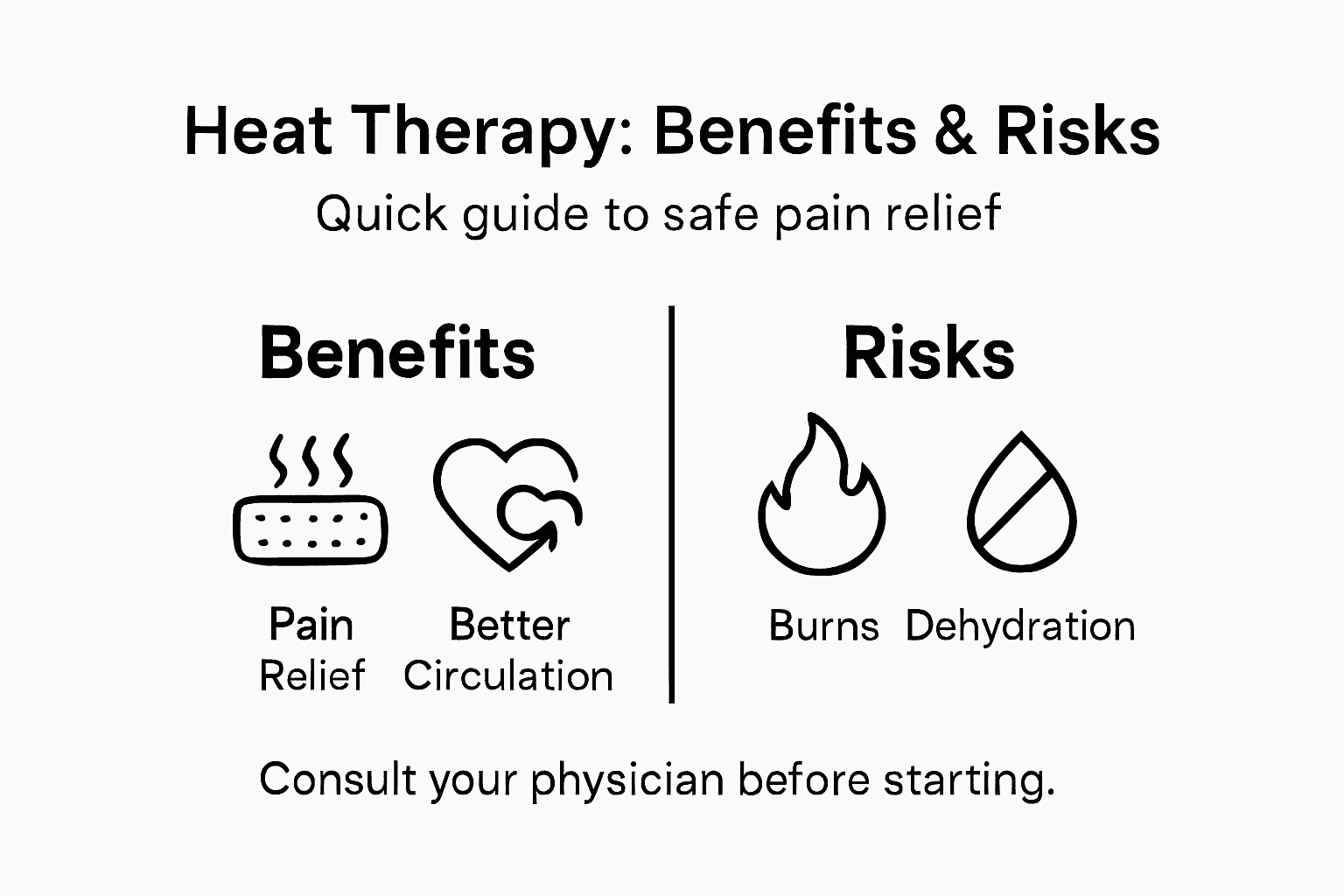
Heat therapy isn’t risk-free, and understanding potential dangers is just as important as knowing the benefits. Certain groups face elevated risks that require extra caution or medical clearance before using heat therapy. If you have heart disease, diabetes, asthma, or poor circulation, heat exposure can trigger complications. Pregnant women should avoid prolonged heat exposure, particularly in early pregnancy. Heat poses risks to vulnerable populations including older adults with chronic conditions, making medical consultation essential before starting any heat therapy regimen. Heat exhaustion and heat stroke represent serious potential outcomes if you expose yourself to excessive heat for too long. Symptoms like severe fatigue, dizziness, nausea, or confusion demand immediate cooling and medical attention. Beyond these acute risks, applying heat improperly can cause burns to your skin, particularly if you have reduced sensation or circulation issues. Never fall asleep on a heating pad, and always place a barrier like a thin towel between your skin and direct heat sources.
Timing your heat therapy application matters significantly for safety. The most critical rule involves avoiding heat on acute injuries with active inflammation or swelling. When you first sprain an ankle or strain a muscle, the initial 24 to 48 hours demand cold therapy to reduce inflammation, not heat that would intensify the swelling. Applying heat improperly or too long can cause burns or worsen inflammation, so adhering to time limits protects you from damage. Stick to sessions of about 20 minutes maximum, with at least one to two hours between applications. Some people assume that higher temperatures work faster or better, but this misunderstanding leads to burns and tissue damage. Moderate, consistent warmth proves more effective and safer than extreme heat. Additionally, never apply heat to areas with poor circulation, numbness, or compromised skin integrity, as these conditions prevent you from feeling warning signs of damage.
Dehydration represents an underestimated risk with heat therapy, especially saunas and whole-body heat exposure. As your body sweats in response to heat, you lose fluids that must be replaced. Dehydration amplifies stress on your cardiovascular system and can trigger dizziness, weakness, or worse complications. Always drink water before and after heat therapy sessions. If you experience any unusual symptoms during or after heat exposure, stop immediately and cool down. Your instinct matters here. If something feels wrong, it probably is. When in doubt about whether heat therapy is appropriate for your specific health situation, consult your healthcare provider. They can review your medical history, current medications, and conditions to determine safe protocols for you personally. This conversation takes minutes but prevents serious complications that could undermine your overall wellness goals.
Pro tip: Before starting regular heat therapy, schedule a brief conversation with your doctor to confirm it is safe given your health history, medications, and any chronic conditions you manage.
Comparing Heat Therapy Alternatives
While heat therapy offers powerful pain relief benefits, it’s not the only option available, and sometimes combining approaches yields better results than relying on heat alone. Cold therapy represents the primary alternative, working through opposite mechanisms. Ice packs, cold plunges, and cryotherapy reduce inflammation by constricting blood vessels and numbing pain signals. Cold therapy shines during acute injuries when swelling is the main problem. If you just twisted your ankle or strained a muscle in the last 24 to 48 hours, ice provides more appropriate relief than heat. However, heat and cold therapies serve different purposes depending on your condition, making understanding when to use each one crucial for effective pain management.
Many people discover that alternating heat and cold, called contrast therapy, provides superior results compared to using either one alone. This approach works by taking advantage of both modalities: cold reduces inflammation while heat increases circulation and promotes healing. You might apply cold for 15 minutes to reduce swelling, rest for 10 minutes, then apply heat for 15 minutes to promote blood flow and muscle relaxation. This cycle can be repeated multiple times and often produces better pain relief than a single therapy used continuously. Beyond heat and cold, physical therapy, stretching, and strengthening exercises address pain through different mechanisms by improving mobility, stability, and tissue resilience. Medications like nonsteroidal anti-inflammatory drugs (NSAIDs) reduce inflammation chemically, though they come with their own risks and side effects. Some people combine medication with heat therapy for enhanced relief while minimizing drug doses.
When comparing heat therapy to other modalities, consider your specific situation. Various heat therapy options vary in depth of tissue penetration and effects on blood flow, from simple heating pads to advanced methods like infrared therapy or ultrasound that penetrate deeper tissues. Dry heat from heating pads penetrates differently than moist heat from hot towels or saunas. Infrared light for health and wellness represents a newer technological approach that may offer advantages for certain conditions or skin sensitivities. The best approach often involves creating a comprehensive pain management strategy that combines multiple methods. For chronic arthritis, you might use heat therapy daily to maintain mobility, stretching exercises to preserve flexibility, occasional cold applications if swelling appears, and physical therapy sessions monthly to address underlying strength deficits. This layered approach addresses pain from multiple angles, preventing you from becoming overly dependent on any single treatment while maximizing your functional improvement and long-term wellness.
Pro tip: If you are unsure whether to use heat or cold for your specific pain, start with cold for the first 48 hours after an acute injury, then transition to heat for chronic or subacute conditions, and adjust based on how your body responds.
Compare heat and cold therapy for pain and recovery:
| Factor | Heat Therapy | Cold Therapy |
|---|---|---|
| Primary Action | Increases blood flow, relaxes muscles | Reduces swelling, numbs pain |
| Best Used For | Chronic or subacute pain | Acute injuries, recent swelling |
| Application Timing | After inflammation phase | Within first 24-48 hours post-injury |
| Key Risk | Risk of burns if overheated | Risk of skin injury if applied too long |
Discover Smart Heat Therapy Solutions to Maximize Your Pain Relief Safely
The article highlights the importance of understanding how heat therapy works to reduce pain, improve circulation, and enhance tissue healing. If you struggle with chronic pain, muscle stiffness, or arthritis, you know how critical it is to apply controlled, consistent warmth safely without risking burns or inflammation. Using the right tools designed for your lifestyle can help you integrate effective heat therapy into your daily routine while promoting relaxation and recovery.
Lunix offers premium wellness solutions that align perfectly with these needs. Our smart recovery products provide adjustable heat therapy options that are easy to use and built for comfort ensuring you get the proper temperature and timing that experts recommend. Whether you want localized heat packs, infrared therapy devices, or versatile comfort solutions crafted for pain relief and stress reduction, we help you restore your body’s natural healing power.

Take control of your pain management today by exploring Lunix’s collection of smart recovery and comfort products. Start with safe, effective heat therapy solutions that support long-term wellness. Visit Lunix now and transform your daily spaces into personalized stations for relaxation and restoration.
Frequently Asked Questions
What is heat therapy and how does it work for pain relief?
Heat therapy, also known as thermotherapy, involves the application of heat to the body to alleviate pain and improve function in joints and muscles. It works by increasing blood flow, reducing inflammation, and improving tissue flexibility, helping the body to heal more effectively.
How long should I apply heat therapy for effective results?
Start with heat application sessions lasting 15 to 20 minutes, allowing at least one to two hours between applications. This duration helps warm the tissues without overheating and minimizes the risk of burns or inflammation.
Is dry heat more effective than moist heat for pain relief?
While many believe moist heat is superior, studies suggest that dry heat can trigger better vasodilation and penetrate deeper into tissues. Both methods can be beneficial depending on personal preferences and specific circumstances.
Are there any risks associated with heat therapy?
Yes, there are risks. Improper application, such as using excess heat or applying heat to acute injuries with inflammation, can cause burns or worsen swelling. It’s essential to consult a healthcare provider if you have health concerns or chronic conditions before starting heat therapy.
Recommended
- The Benefits of Heat Therapy for Pain Relief and Stress Reduction – Lunix
- Nutrition for Pain Management: What to Eat to Reduce Chronic Pain – Lunix
- The Benefits of Infrared Therapy: What It Can Do for Your Health – Lunix
- How to Reduce Knee Pain Without Medication: Natural Remedies That Work – Lunix
- Red Light Therapy Guide for Chronic Pain Relief
- Affordable Medical Treatments and Musculoskeletal Pain Treatments | Panamedico
- Do You Need a Pain Management Alternative?