


TL;DR:
- Bedroom environment significantly impacts sleep quality through color, lighting, and clutter.
- Soothing colors and warm lighting promote relaxation and melatonin production for better rest.
- Incorporating natural elements and strategic layout creates a restorative, health-supportive bedroom.
Do you wake up after eight hours of sleep still feeling drained? The problem might not be how long you sleep, but where you sleep. Your bedroom environment quietly shapes the quality of your rest every single night. From the color on your walls to the bulb in your lamp, small design choices compound into either a restorative sanctuary or a source of subtle stress. This guide walks you through every key element, from auditing your current space to choosing the right materials and layout, so you can build a bedroom that truly works for your body and your wellbeing.
Table of Contents
- Assessing your current bedroom for restfulness
- Choosing soothing colors and calming lighting
- Incorporating nature and wellness elements
- Designing the optimal layout and choosing bed essentials
- Troubleshooting common mistakes and making adjustments
- The overlooked secret: Why bedroom design is a health investment, not a luxury
- Ready for restful nights? Take the next step
- Frequently asked questions
Key Takeaways
| Point | Details |
|---|---|
| Color matters | Choosing soft, cool, and neutral colors helps calm the mind and sets the tone for relaxation. |
| Layered lighting | Using dimmable warm bulbs and natural light supports healthy sleep cycles. |
| Nature-inspired design | Incorporating plants and natural materials lowers stress and boosts restorativeness. |
| Optimal bed setup | Bed placement, quality linens, and minimizing distractions are key to deep, restorative sleep. |
| Personalized solutions | Small tweaks for room size, orientation, and individual needs can make any bedroom more restful. |
Assessing your current bedroom for restfulness
Now that you understand why your bedroom may not be as restful as it could be, let’s break down how to assess what you have today. Most people redecorate without ever stopping to ask: what is my bedroom actually doing to my sleep? A simple audit changes everything.
Start by walking through your space with fresh eyes. Experts recommend you start with light and color assessment based on room orientation, then layer in elements like bedding, lighting, and textiles, always testing samples in the actual space before committing. This step alone prevents costly mistakes.
Here is a quick checklist to get you started:
- Color palette: Are your walls warm and muted, or bright and stimulating?
- Lighting: Do you have dimmable, warm-toned options, or only harsh overhead lights?
- Air quality: Is there adequate airflow, or does the room feel stuffy?
- Noise: Can you hear street traffic, appliances, or a partner’s sounds?
- Clutter: Are surfaces clear, or do stacks of objects create visual noise?
- Electronics: Is there a TV, laptop, or phone charger visible from the bed?
For homeowners between 40 and 65, specific challenges tend to pop up. Noise sensitivity increases with age, making even moderate sounds more disruptive. Airflow matters more too, especially for those managing hot flashes or circulation concerns. Building a bedtime routine for sleep quality that suits your current life stage starts with knowing exactly what you are walking into each night.
| Assessment area | Common problems | Ideal target |
|---|---|---|
| Color | Bold, bright, or dark tones | Soft, muted, nature-inspired shades |
| Lighting | Single harsh overhead bulb | Layered, dimmable, warm light sources |
| Air quality | Stale, dry, or stuffy air | Fresh airflow with humidity control |
| Noise | Street sounds, appliances | White noise machine or solid insulation |
| Clutter | Visible piles, work items | Clear surfaces and organized storage |
| Electronics | TV, chargers, screens in view | Zero screens at eye level from bed |
Prioritizing wellness benefits at home starts here. Even minor changes to these categories can produce noticeable improvements within days.
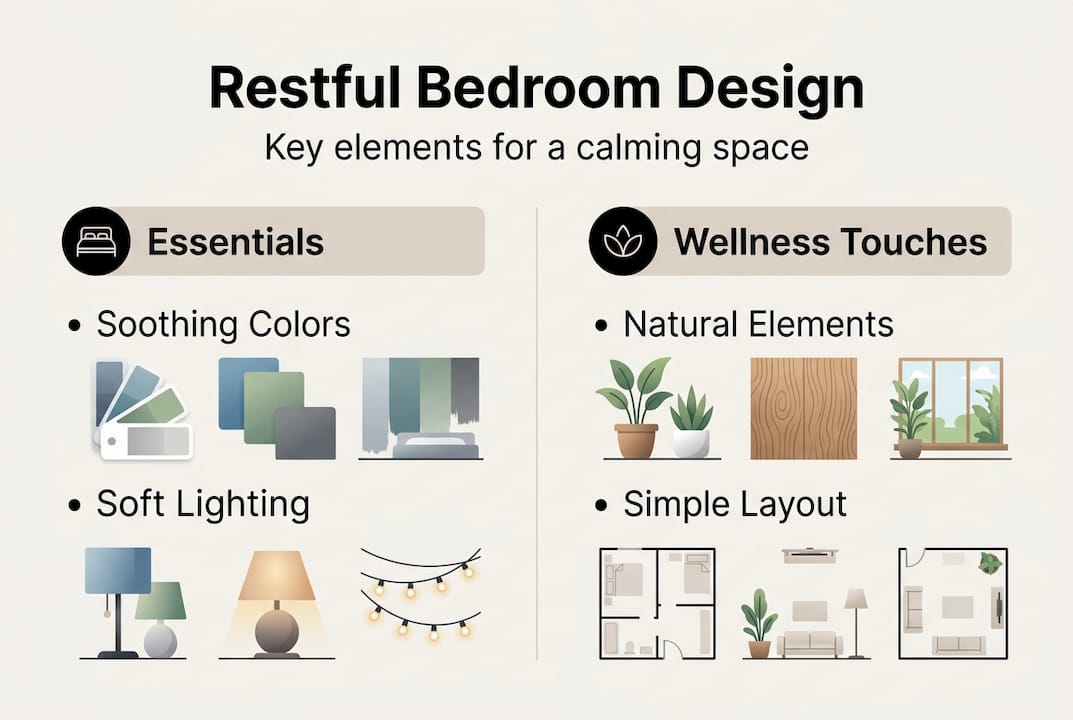
Pro Tip: Observe your bedroom at three different times, morning, afternoon, and evening. Light shifts dramatically throughout the day, and what feels calming at noon may feel stark or gloomy by 9 p.m.
Choosing soothing colors and calming lighting
Once you’ve evaluated your space, the next transformative step is to choose colors and lighting that truly foster relaxation. This is where the science of design meets practical action.
Color is one of the fastest ways to shift how a room feels. Blue hues increase alpha wave activity associated with relaxation, and soft blues and greens measurably reduce physiological stress markers. That is not a design trend. It is biology working in your favor.
| Color type | Examples | Effect on mood and rest |
|---|---|---|
| Soothing | Pale blue, sage green, warm gray, cream | Lowers stress, promotes calm |
| Neutral | Soft white, beige, warm taupe | Versatile, non-stimulating |
| Stimulating | Bright red, deep orange, electric yellow | Raises alertness, disrupts rest |
| Mixed results | Navy, forest green, charcoal | Can soothe in small doses; use carefully |
For lighting, warm is the key word. Warm light between 2200 and 2700K promotes melatonin production, while natural morning light helps regulate your internal body clock. You can learn more about the role of lighting in relaxation and melatonin production to build a smarter lighting plan.
Here are the steps to upgrade your lighting:
- Replace any cool-white or daylight bulbs with warm LED bulbs rated at 2700K or below.
- Add a dimmable bedside lamp on each side of the bed.
- Install blackout curtains or cellular shades to block outside light at night.
- Add sheer curtains over blackout panels for gentle, natural morning light.
- Remove or cover any electronics that emit blue light, including charging indicators.
Understanding how light affects your sleep is one of the most practical investments you can make in your rest. Research published in the Built Environment journal confirms that color and light together shape our physiological responses in measurable ways.
Pro Tip: Before buying a new paint color or bulb, live with paint swatches and a sample bulb for a full week. Bedrooms feel very different under natural daylight versus evening lamp light.
Incorporating nature and wellness elements
With your base palette and lighting established, enhancing the room with natural elements can unlock even deeper restoration. This approach is called biophilic design, which simply means bringing elements of nature into your living space to support wellbeing.
The research is striking. Nature-inspired rooms reduce electrodermal activity, a key stress marker, by 12 to 15 units compared to urban-style rooms, and adding greenery measurably increases how restorative a space feels.
Biophilic design is not just about aesthetics. It creates a measurable physiological shift toward calm that supports your body’s natural recovery process every night.
For homeowners in the 40 to 65 age range, prioritizing non-toxic, breathable materials is especially important. Your body becomes more sensitive to synthetic fibers, off-gassing materials, and allergens over time, so what you bring into the bedroom matters more than ever.
Here are some easy biophilic additions to consider:
- Plants: Snake plants, peace lilies, and pothos are low-maintenance and thrive in low light. They add oxygen and a natural visual anchor.
- Linen bedding: Natural linen is breathable, hypoallergenic, and becomes softer with use.
- Wood accents: A simple wooden nightstand or headboard adds warmth without visual weight.
- Rattan or wicker: Lightweight and natural, these textures break up hard lines in a room.
- Wool or cotton area rugs: Soft underfoot, non-toxic, and grounding.
- Natural scents: Lavender or eucalyptus in a simple diffuser (no synthetic fragrance) can reinforce the sensory shift toward calm.
Visit our guide on creating a relaxation zone for a deeper look at how small environmental changes build lasting stress reduction at home.
Designing the optimal layout and choosing bed essentials
Bringing nature inside is important, but the biggest factor in bedroom rest is the bed itself and how everything is arranged around it. Layout shapes how your nervous system interprets the room before you even lie down.
Some research suggests that north-south bed orientation increases sleep time by up to 18 minutes per night, and that a larger-scale bed paired with quality linens noticeably improves perceived comfort. Even if you cannot reorient your bed, you can still follow a smart layout process.
- Position the bed on the wall opposite the door so you have a natural sightline when lying down. This creates a subconscious sense of safety.
- Leave at least 24 inches of walking space on each side of the bed for easy, unobstructed movement.
- Layer your textiles from bottom to top: a quality mattress protector, breathable cotton or linen sheets, a medium-weight duvet, and a soft throw blanket for extra warmth without overheating.
- Choose a headboard that provides back support for reading, and select a style that feels calm rather than ornate or busy.
- Use window treatments strategically: blackout curtains or shades at night, sheer panels in the morning.
Certain decor choices can actively ruin sleep, including mirrors facing the bed, harsh artwork, and hard surfaces that reflect noise. Keep surfaces minimal and intentional.
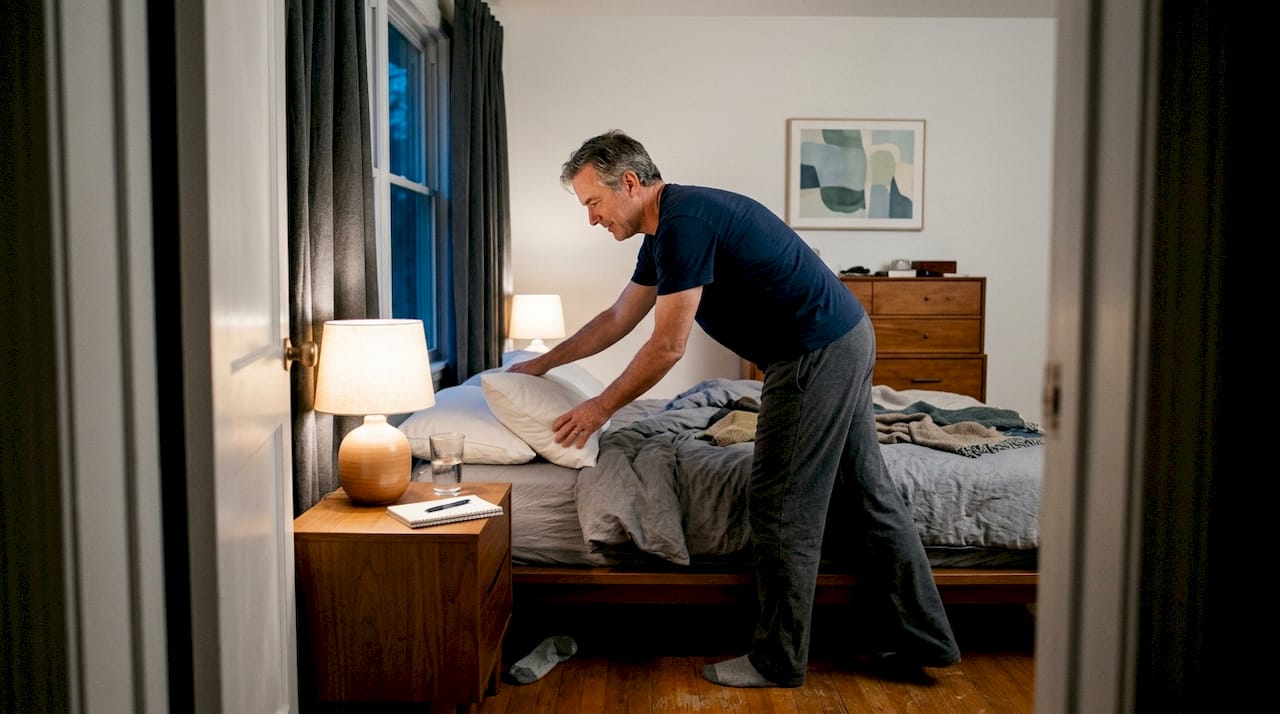
For detailed at-home comfort tips for relaxation and recovery, prioritize natural, non-toxic materials throughout: organic cotton, wool, natural latex, and untreated wood are all excellent choices.
Pro Tip: The bedroom is not the right place for a TV, a desk, or a pile of unfinished work. Your brain makes associations between spaces and activities. If you work in your bedroom, your brain will stay alert there at night. Keep it a sleep-only zone.
Troubleshooting common mistakes and making adjustments
Even with the best intentions, it’s easy to make a few missteps. Here’s how to keep your bedroom optimized for true rest.
Here are the top five mistakes that undermine restful bedroom design:
- Keeping electronics visible: Screens and charging lights signal to your brain that it is time to be alert, not asleep.
- Using synthetic bedding: Polyester and blended fabrics trap heat and can trigger night sweats, especially after 40.
- Ignoring light leaks: Even small amounts of light from under doors, streetlights, or charging cables can suppress melatonin.
- Overcrowding the room: Too much furniture or too many decorative objects creates visual stress that your brain processes even at rest.
- Neglecting sound: Street noise or household sounds are among the most common and least-addressed sleep disruptors.
Experts consistently advise removing TVs and workspaces from the bedroom, using blackout shades at night and sheer panels during the day, and avoiding synthetic materials wherever possible.
“Your bedroom should only have one job: to restore you. Every object and feature that doesn’t support that job is working against your sleep.”
For quick fixes, try blackout tape over light-emitting devices, a door draft stopper to reduce light and noise, and a declutter session focused on nighttime surfaces only. If your challenges involve a partner’s schedule, aging-related sleep changes, or allergy concerns, consider consulting a sleep specialist or interior designer who focuses on wellness bedroom ideas and health-supportive environments.
The overlooked secret: Why bedroom design is a health investment, not a luxury
Here is what most design articles will not tell you: making your bedroom restful is not about indulgence. For anyone over 40, it is as important as exercise, nutrition, or any other wellness practice.
Sleep quality declines with age. Stress accumulates differently. Recovery takes longer. When you invest in a bedroom that genuinely supports restoration, the return compounds over years, not just nights. Better sleep means sharper focus, more stable mood, healthier metabolism, and more resilience to the daily demands of work and family.
Many guides focus on aesthetics, the right throw pillow, the perfect shade of sage. But the real value of a well-designed bedroom is biological. It is a space engineered to lower your cortisol, raise your melatonin, and signal to every cell in your body that it is safe to rest. That is not decorating. That is wellness-driven bedroom design at its most powerful.
Start small if you need to. Swap one bulb. Remove one screen. Add one plant. Each change is a vote for better health.
Ready for restful nights? Take the next step
You now have a clear, step-by-step picture of what a truly restorative bedroom looks like. Putting it into practice is the part that changes everything.

At Lunix, we design products specifically to support that next step. From recovery essentials to comfort solutions built with your long-term wellbeing in mind, our collections help you move from knowing to feeling the difference. Explore our wellness and recovery essentials to find tools that complement your restful bedroom design. And if you are just getting started, browse the full range of restful bedroom solutions at Lunix to see how thoughtful design and smart materials can transform your nights and your days.
Frequently asked questions
Which paint colors make a bedroom feel most restful?
Soft blues and sage greens increase alpha wave activity linked to relaxation and reduce measurable stress markers. Warm grays and neutral creams are also excellent choices for a calming palette.
What type of lighting helps you sleep better?
Warm light at 2700K or lower signals your brain to produce melatonin, while natural morning sunlight helps keep your internal body clock on schedule. Layer both for best results.
Are indoor plants really beneficial for sleep?
Yes. Greenery reduces stress-linked EDA by 12 to 15 units compared to rooms without natural elements, and it increases how restorative a space feels overall.
How can I make my bedroom restful if it’s small or north-facing?
Opt for a larger bed with multifunctional storage to maximize comfort without clutter, and use warm or neutral tones to offset a cool, low-light room orientation.
Should I avoid having a TV or workspace in the bedroom?
Absolutely. Keeping TVs and work materials out trains your brain to associate the bedroom with sleep, which makes it easier to wind down and stay asleep throughout the night.
Recommended
- Create a Relaxation Zone: Cut Stress by 25% in 2 Weeks – Lunix
- Build a Restful Bedtime Routine for Better Sleep – Lunix
- 7 At-Home Comfort Tips for Better Relaxation and Recovery – Lunix
- Role of lighting in relaxation: 50% melatonin boost tips – Lunix
- Idées élégantes pour une chambre raffinée et chic – CXL by Christian Lacroix Maison
- Master evening relaxation rituals with artisan scents – mi KALMA