


Your circulation does far more than keep your heart beating. It’s the invisible network that feeds every cell, removes waste, and determines whether you wake up energized or exhausted. Poor circulation doesn’t just affect your feet or hands, it quietly undermines your brain function, energy levels, and long-term vitality. For adults over 40, understanding how blood flow shapes overall wellness is essential to preventing chronic disease and maintaining quality of life. This article breaks down circulation’s vital role, reveals warning signs you shouldn’t ignore, and provides actionable strategies to optimize your vascular health naturally.
Table of Contents
- How Your Circulatory System Works: An Overview
- Why Circulation Matters: Impact On Health And Aging
- Signs, Symptoms, And Diagnosis Of Circulation Problems
- How To Naturally Improve Circulation For Lasting Health Benefits
- Explore Lunix Solutions For Enhanced Circulation And Recovery
Key takeaways
| Point | Details |
|---|---|
| Circulation delivers oxygen and nutrients | Blood flow ensures every cell receives what it needs to function and survive. |
| Poor circulation accelerates aging | Reduced blood flow contributes to fatigue, cognitive decline, and chronic disease. |
| Lifestyle changes improve flow | Exercise, diet, and hydration can significantly enhance circulation at any age. |
| Early detection prevents damage | Recognizing symptoms early allows intervention before irreversible harm occurs. |
| Heart and vessel health are interconnected | Understanding cardiac function and vascular integrity is crucial for wellness. |
How your circulatory system works: an overview
Your heart is not one pump but two working in tandem. The right side pushes deoxygenated blood to your lungs for gas exchange, while the left side propels oxygen-rich blood throughout your body. The cardiovascular system operates through two main circuits: pulmonary and systemic, each designed for specific physiological demands. The pulmonary circuit runs at low pressure to protect delicate lung tissue during oxygen uptake. The systemic circuit operates at higher pressure to deliver blood to distant organs and tissues.
Blood flow is your body’s delivery and waste management system rolled into one. It transports oxygen from your lungs, nutrients from your digestive tract, and hormones from glands to target cells. Simultaneously, it hauls away carbon dioxide, metabolic waste, and toxins for elimination. Without efficient circulation, cells starve and suffocate in their own waste products.
Your blood vessels aren’t static pipes. They actively regulate flow through vasodilation and vasoconstriction, widening or narrowing in response to your body’s needs. When you exercise, vessels in working muscles dilate to increase oxygen delivery. When you’re cold, peripheral vessels constrict to preserve core temperature. This dynamic regulation maintains blood pressure and ensures organs receive adequate perfusion.
Understanding these components reveals why circulation problems cascade into multiple health issues. A weak heart pump affects oxygen delivery everywhere. Stiff arteries increase blood pressure and strain the heart. Sluggish venous return causes swelling and fatigue. Each element depends on the others functioning properly.
Key circulatory system components include:
- The heart’s four chambers working as coordinated pumps
- Arteries carrying oxygen-rich blood under high pressure
- Capillaries enabling nutrient and waste exchange at the cellular level
- Veins returning deoxygenated blood to the heart against gravity
- Regulatory mechanisms controlling vessel diameter and blood pressure
Why circulation matters: impact on health and aging
The cardiovascular system’s primary function is to transport oxygen and nutrients to tissues and remove waste products. This fundamental process powers every biological function, from muscle contraction to brain activity to immune response. When circulation falters, your body’s performance declines across all systems. Energy production slows because cells lack oxygen for efficient metabolism. Toxins accumulate because waste removal becomes sluggish. Healing delays because nutrients can’t reach damaged tissues.
Poor circulation doesn’t announce itself with dramatic symptoms initially. It whispers through subtle signs like afternoon fatigue, cold hands, or brain fog. These seemingly minor annoyances reflect serious underlying problems. Reduced blood flow to your brain impairs memory and concentration. Insufficient circulation to muscles causes weakness and cramping. Compromised flow to extremities leads to numbness and slow wound healing.
Aging naturally impacts circulation, but the decline isn’t inevitable or uniform. Arteries stiffen with age, reducing their ability to expand and contract efficiently. The heart muscle may weaken, pumping less blood per beat. Valves in veins can become less effective, allowing blood to pool in the legs. These changes explain why circulation-related health issues become more common after 40.
Heart disease, stroke, and blood pressure issues are common circulatory conditions impacting health. Atherosclerosis, the buildup of plaque in arteries, restricts blood flow and increases heart attack and stroke risk. Hypertension damages vessel walls and forces the heart to work harder. Peripheral artery disease limits circulation to limbs, causing pain and mobility issues. Each condition stems from or worsens circulation problems, creating a cycle of declining health.
Recognizing circulation’s central role in wellness shifts your health perspective. You realize that poor circulation and heart health are deeply interconnected. Protecting your circulatory system becomes a priority, not an afterthought. The consequences of neglect are severe:
- Increased cardiovascular disease risk including heart attack and stroke
- Cognitive decline and elevated dementia risk from reduced brain blood flow
- Chronic fatigue and reduced physical capacity affecting daily activities
- Slower wound healing and increased infection risk
- Higher likelihood of developing diabetes complications
“Your circulation is the foundation of vitality. When blood flow thrives, your entire body benefits. When it struggles, everything suffers.”
Signs, symptoms, and diagnosis of circulation problems
Your body sends clear signals when circulation falters, but many people dismiss them as normal aging. Cold hands and feet, especially when others feel comfortable, indicate insufficient blood flow to extremities. Persistent swelling in ankles and legs suggests venous insufficiency, where blood pools instead of returning efficiently to the heart. Unexplained fatigue that doesn’t improve with rest often reflects poor oxygen delivery to tissues. Shortness of breath during routine activities may signal the heart’s struggle to pump adequately.
Numbing or tingling in limbs, particularly at night, warns of nerve damage from inadequate circulation. Slow-healing cuts and wounds reveal compromised blood flow preventing proper tissue repair. Muscle cramps, especially in the calves during walking, indicate peripheral artery disease restricting blood supply. Skin changes like paleness, bluish tint, or shiny texture reflect chronic circulation problems. These symptoms deserve medical attention, not resignation.
Modern diagnostic tools precisely identify circulation issues before they cause irreversible damage. Echocardiographic assessment of left ventricular diastolic function is integral for evaluating heart failure symptoms. This test reveals how well your heart fills with blood between beats, a crucial measure of cardiac health often overlooked in routine exams. Doppler ultrasound maps blood flow through vessels, identifying blockages or narrowing. The ankle-brachial index compares blood pressure in your ankle to your arm, detecting peripheral artery disease.
Blood tests reveal markers of vascular inflammation and clotting risk. Stress tests show how your heart responds to increased demands, uncovering hidden circulation limitations. CT and MRI scans provide detailed images of vessel structure and blood flow patterns. These assessments create a comprehensive picture of your circulatory health.
Early detection of poor circulation is crucial to reverse damage before it becomes permanent. Caught early, many circulation problems respond well to lifestyle changes and medical treatment. Delayed diagnosis often means irreversible tissue damage, increased treatment complexity, and reduced quality of life. Regular circulation screening should be part of your health routine after 40.
Common warning signs requiring evaluation:
- Persistent coldness in hands or feet unrelated to temperature
- Leg pain or cramping during walking that improves with rest
- Swelling in ankles, feet, or legs that worsens throughout the day
- Numbness or tingling in extremities, especially at night
- Wounds or sores that heal slowly or not at all
- Changes in skin color or texture on limbs
- Unexplained fatigue despite adequate sleep
- Shortness of breath with minimal exertion
Pro Tip: Keep a symptom journal noting when circulation issues occur, their severity, and any patterns. This information helps your doctor identify the underlying cause and appropriate tests faster.
Don’t wait for dramatic symptoms to seek evaluation. Subtle changes often precede serious problems. Improving circulation naturally becomes easier when you catch issues early and address them proactively.
How to naturally improve circulation for lasting health benefits
Regular aerobic exercise improves circulation by training the calf muscle pump. Your calf muscles act as a secondary heart, squeezing veins to push blood back toward your heart against gravity. Walking, cycling, swimming, and dancing all activate this mechanism. Start with 20 minutes daily and gradually increase duration and intensity. Consistency matters more than intensity for circulation benefits.
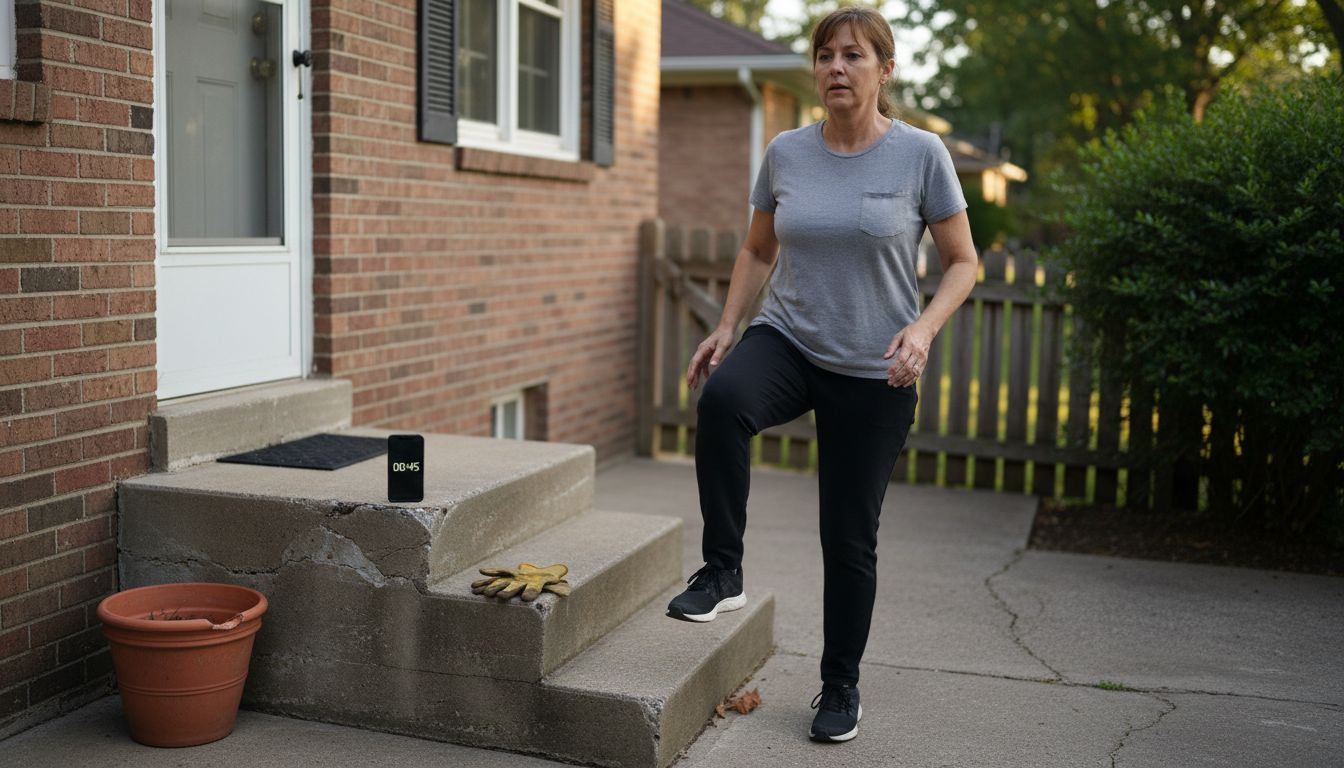
Strength training complements aerobic exercise by building muscle mass that supports venous return. Resistance exercises also improve insulin sensitivity and reduce inflammation, both crucial for vascular health. Aim for two to three sessions weekly targeting major muscle groups. Even bodyweight exercises like squats and lunges deliver significant benefits.
Consuming nitrate-rich foods widens arteries and improves blood flow. Your body converts dietary nitrates into nitric oxide, a compound that relaxes blood vessel walls and enhances circulation. Beets, arugula, spinach, and pomegranate rank highest in beneficial nitrates. Include these foods daily for optimal vascular support. Citrus fruits provide vitamin C and flavonoids that strengthen vessel walls and reduce oxidative stress.
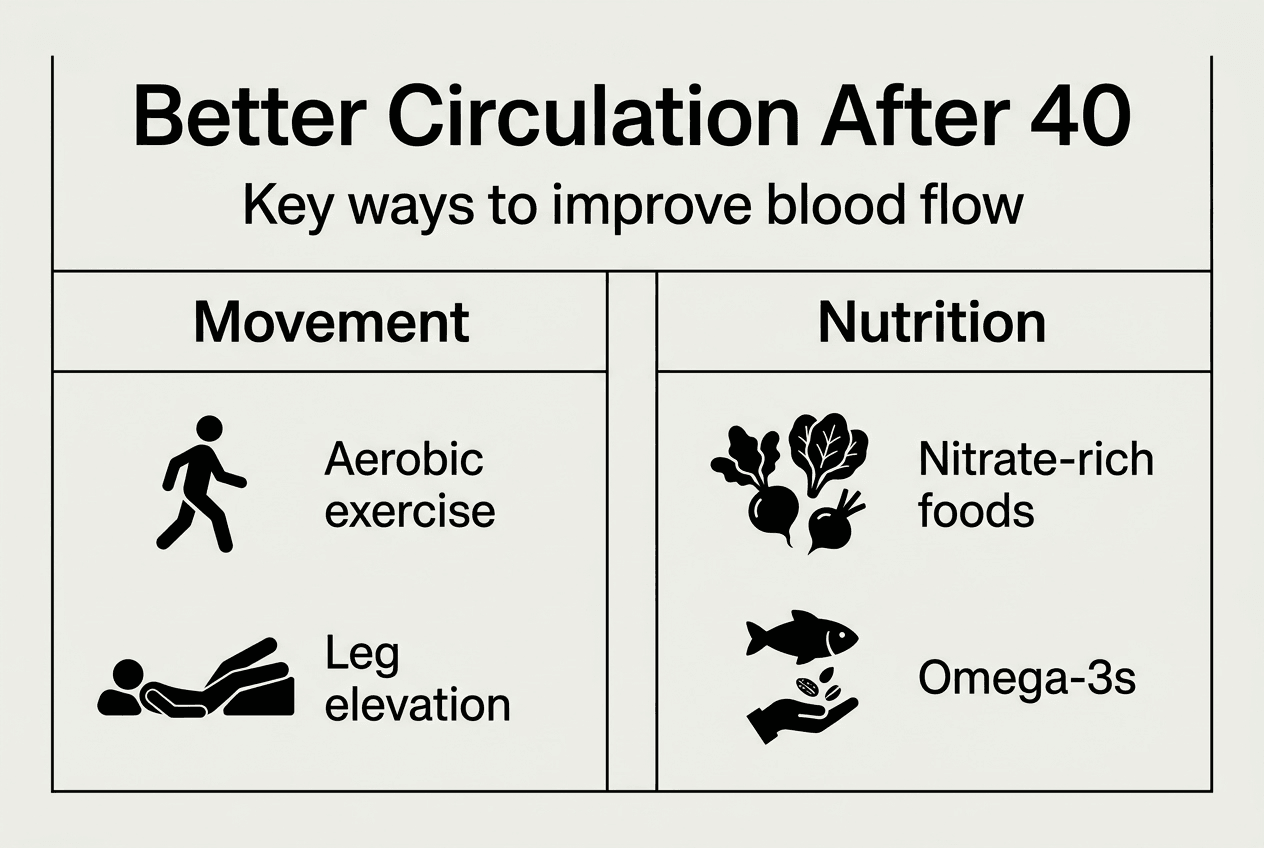
Omega-3 fatty acids from fatty fish, walnuts, and flaxseeds reduce inflammation and prevent blood clots. These healthy fats keep blood flowing smoothly and protect against atherosclerosis. Garlic contains compounds that lower blood pressure and improve arterial flexibility. Dark chocolate with high cocoa content provides flavonoids that enhance endothelial function.
Hydration directly affects blood viscosity and circulation efficiency. Dehydration thickens blood, making it harder for your heart to pump and increasing clot risk. Drink water throughout the day, not just when thirsty. Herbal teas and water-rich foods like cucumbers and watermelon contribute to hydration.
Maintaining a healthy weight reduces inflammation and pressure on veins. Excess body fat, especially around the abdomen, promotes chronic inflammation that damages blood vessels. Weight loss improves insulin sensitivity, lowers blood pressure, and reduces strain on your heart. Even modest weight reduction delivers measurable circulation improvements.
Quitting smoking produces rapid vascular benefits. Within weeks, blood vessel function improves and circulation increases. Smoking damages endothelial cells lining blood vessels, promotes clot formation, and accelerates atherosclerosis. Cessation is the single most impactful change smokers can make for circulation health.
Alternating between warm and cool water during showers stimulates vessel flexibility. The temperature changes cause vessels to dilate and constrict, exercising their regulatory mechanisms. End showers with cool water to invigorate circulation. This simple practice takes seconds but supports vascular health over time.
Pro Tip: Elevate your legs above heart level for 15 minutes daily to assist venous return and reduce swelling. This passive strategy complements active circulation improvements.
| Strategy | Mechanism | Implementation |
|---|---|---|
| Aerobic exercise | Activates muscle pump, improves endothelial function | 30 minutes daily walking, cycling, or swimming |
| Nitrate-rich foods | Increases nitric oxide production, dilates arteries | Daily servings of beets, arugula, pomegranate |
| Hydration | Reduces blood viscosity, eases circulation | 8-10 glasses water daily, adjust for activity |
| Weight management | Decreases inflammation, reduces vein pressure | Gradual reduction through diet and exercise |
| Smoking cessation | Repairs endothelial damage, prevents clots | Immediate quit with medical support if needed |
Combining these strategies creates synergistic effects greater than any single intervention. You can improve circulation naturally through consistent daily habits. The circulation improvement over 40 requires patience but delivers profound health benefits. Nutrition and lifestyle choices for circulation and diet tips work together to optimize vascular function.
Explore Lunix solutions for enhanced circulation and recovery
Optimizing circulation extends beyond exercise and diet into daily recovery practices. Lunix creates wellness solutions that complement your natural circulation improvement efforts. Our recovery collection features products designed to support muscle relaxation and blood flow after activity or long periods of sitting.

Our hand massagers use targeted compression to stimulate circulation in areas often affected by poor blood flow. Regular use helps reduce stiffness and promotes healthy circulation patterns. These tools integrate seamlessly into your daily routine, providing therapeutic benefits while you relax.
Discover how Lunix products support your wellness journey through thoughtful design and proven benefits. Explore our full range of wellness benefits to find solutions that fit your circulation and recovery needs.
FAQ
What are signs of poor circulation to watch for?
Cold, numb extremities, persistent swelling in legs or ankles, and unexplained fatigue signal potential circulation problems. Slow-healing wounds, muscle cramps during activity, and skin color changes also indicate reduced blood flow. If you experience these symptoms regularly, consult a healthcare provider for proper evaluation and diagnosis.
How does exercise improve circulation specifically after age 40?
Exercise trains your calf muscle pump to push blood back to your heart more efficiently, counteracting age-related venous insufficiency. Physical activity also improves endothelial function, the ability of blood vessel linings to regulate flow and prevent clots. Regular movement reduces arterial stiffness that naturally increases with age. Learn more about circulation improvement over 40 for age-specific strategies.
Can diet make a noticeable difference in circulation health?
Certain foods directly enhance circulation by widening arteries and reducing oxidative stress on blood vessels. Nitrate-rich vegetables like beets convert to nitric oxide, which relaxes arterial walls and improves flow. Omega-3 fatty acids reduce inflammation and prevent clots. Staying properly hydrated keeps blood less viscous and easier to pump. Explore practical diet and circulation tips for specific food recommendations.
How long does it take to see circulation improvements from lifestyle changes?
Some benefits appear within days, while others require weeks or months. Hydration and dietary changes can improve blood viscosity within 24 to 48 hours. Exercise benefits become noticeable after two to four weeks of consistent activity as vessels adapt and muscle pumps strengthen. Significant improvements in arterial flexibility and endothelial function typically emerge after eight to twelve weeks of sustained lifestyle modifications.