


TL;DR:
- Rest days allow the body to repair muscles, replenish energy, and rebalance systems essential for progress. Skipping rest increases injury risk, causes fatigue, and stalls fitness gains. Most individuals need one to three rest days weekly, based on training difficulty and age.
Rest days are the periods when your body repairs muscle fibers, replenishes energy stores, and rebalances key systems that drive fitness progress. Without them, training produces stress without adaptation. Muscle and neural adaptations that build strength and endurance happen during recovery, not during the workout itself. For adults aged 30–65, this biological reality becomes more pronounced as recovery times naturally extend with age. Skipping rest days does not build fitness faster. It stalls progress and raises injury risk.
Why rest days matter: the biology behind recovery
Rest days are not passive. Your body runs a full repair cycle every time you stop training. Understanding what happens during that window changes how you think about recovery.
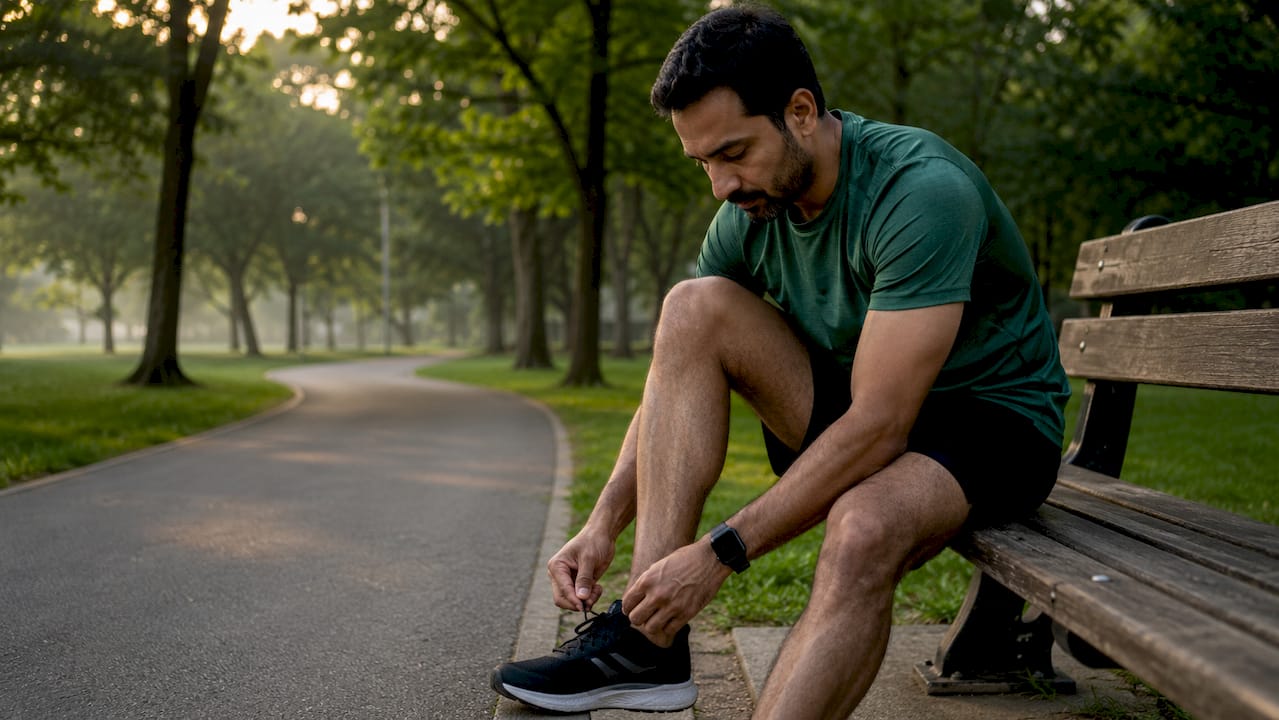
During exercise, muscle fibers develop microscopic tears. The body responds by rebuilding those fibers thicker and stronger, a process called muscle protein synthesis. This repair requires 36–48 hours after intense sessions. That window is not optional. It is the mechanism behind every strength gain you have ever made.
Your glycogen stores, the carbohydrate fuel your muscles burn during exercise, also need time to refill. Depending on training intensity and your nutrition, full replenishment takes 24–48 hours. Training on depleted glycogen forces your body to break down muscle tissue for fuel, which is the opposite of what you want.
The nervous system carries an often overlooked recovery debt. Hard training taxes your central nervous system as much as your muscles. Nervous system restoration is foundational work that requires proactive scheduling. Without it, chronic fatigue accumulates and training quality drops even when your muscles feel ready.
Rest also rebalances hormones. Cortisol, your primary stress hormone, rises during training. Rest days help lower cortisol and support sleep quality, immune function, and connective tissue repair. Tendons and ligaments receive less blood flow than muscles, so they need more time to recover. Skipping rest days puts connective tissue at the highest risk.
- Muscle fiber repair and growth require 36–48 hours post-exercise
- Glycogen replenishment takes 24–48 hours depending on intensity
- Central nervous system recovery prevents chronic fatigue
- Cortisol rebalancing supports sleep and immune health
- Connective tissue repair protects joints and tendons from injury
Pro Tip: Track your resting heart rate each morning. A rate elevated by 5–7 beats above your baseline is a reliable signal that your body needs more recovery time before your next hard session.
How many rest days do you actually need?
The right number of rest days depends on your training intensity, age, and current fitness level. There is no single answer, but there is a clear range backed by evidence.
Most people need 1–3 rest days per week, adjusted for how hard they train and how well they recover. A person doing three moderate workouts per week needs fewer rest days than someone running six days at high intensity. Age matters too. Recovery slows after 40, and adults in the 50–65 range often benefit from an extra rest day compared to younger athletes.
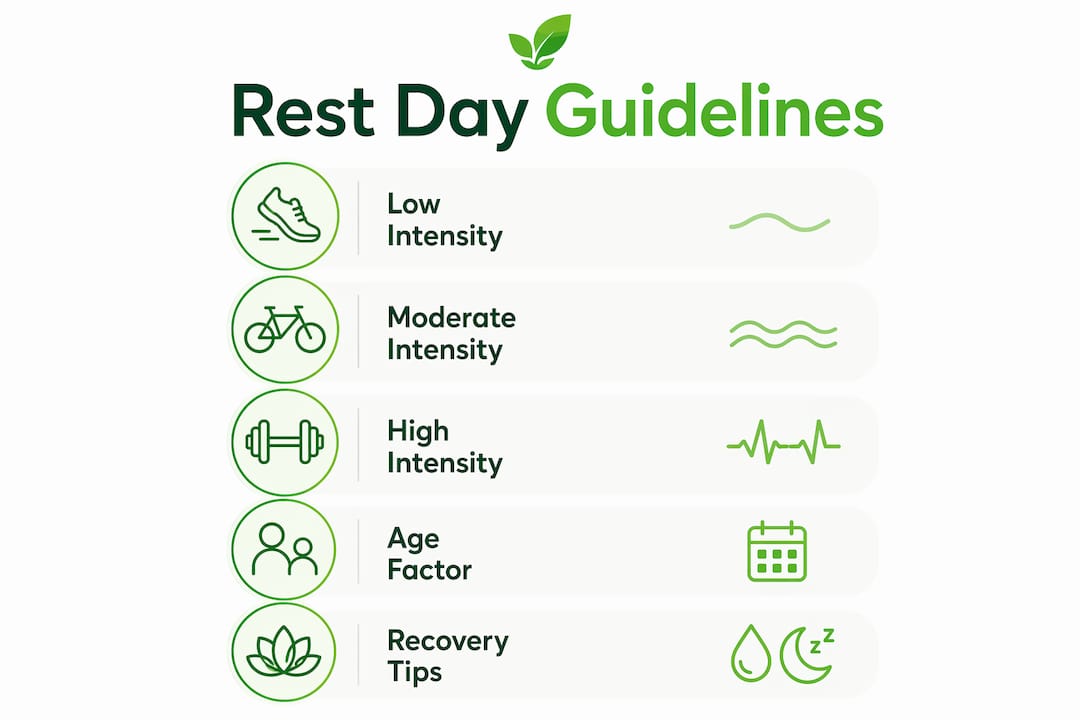
One concern many people share is losing fitness during a break. The data is reassuring. Meaningful detraining begins only after 10–14 days of complete inactivity. Taking one, two, or even three days off does not reverse your progress. It builds it.
| Training parameter | Recommended rest days |
|---|---|
| Low intensity (1–2 sessions/week) | 1 rest day per week |
| Moderate intensity (3–4 sessions/week) | 1–2 rest days per week |
| High intensity (5–6 sessions/week) | 2–3 rest days per week |
| Post-injury or illness recovery | As directed by a health professional |
| Adults 50–65 with moderate training | 2–3 rest days per week |
Planning rest days in advance, rather than taking them reactively when you feel exhausted, produces better long-term results. Scheduled rest keeps training consistent and reduces the risk of forced breaks caused by injury or burnout.
Rest days vs. active recovery: what is the difference?
Rest days and active recovery are not the same thing. Confusing the two reduces recovery effectiveness and raises injury risk. Knowing which to use and when gives you a real edge in your training program.
A complete rest day removes all structured training stress. You are not exercising. You are letting your body run its repair cycle without interference. This is the right choice after your hardest sessions, when you feel genuinely fatigued, or when soreness is significant.
Active recovery uses low-intensity movement to promote circulation and reduce stiffness without adding training stress. A 20-minute walk, gentle yoga, or easy swimming counts. The movement increases blood flow to sore muscles, which speeds up waste removal and nutrient delivery. You can read more about active recovery basics to understand how to program it effectively.
Choosing between the two comes down to three factors:
- Fatigue level: High fatigue calls for complete rest. Mild soreness is a good match for active recovery.
- Training goals: Endurance athletes often benefit from more active recovery days. Strength-focused programs need more complete rest.
- Upcoming sessions: If a hard session is 24 hours away, active recovery is safer than another full workout.
Pro Tip: Schedule your active recovery days between your two hardest training days of the week. This keeps circulation moving and reduces stiffness without compromising your performance on the days that count most.
What happens when you skip rest days?
Skipping rest days consistently triggers a predictable chain of negative effects. The first sign is usually a drop in performance. Then come mood changes, disrupted sleep, and eventually injury.
Chronic high-intensity training without rest elevates cortisol, the stress hormone that, when persistently high, mimics a survival stress state in the body. Elevated cortisol impairs sleep quality, suppresses immune function, and disrupts mood regulation. You end up training harder but recovering less, which is a losing equation for anyone serious about long-term fitness.
Connective tissue takes the hardest hit. Tendons and ligaments adapt more slowly than muscles. When training volume outpaces their recovery capacity, small tears accumulate. Left unaddressed, this leads to overuse injuries like tendinitis, stress fractures, and joint pain. These injuries sideline people for weeks or months, far longer than any planned rest day would have.
Watch for these warning signs of insufficient recovery:
- Persistent muscle soreness lasting more than 72 hours
- Declining performance despite consistent training
- Elevated resting heart rate over multiple days
- Disrupted sleep or difficulty falling asleep
- Irritability, low motivation, or loss of enthusiasm for training
- Frequent minor illnesses or slow recovery from colds
Burnout is the long-term consequence. When training stops feeling rewarding and starts feeling like a burden, the body and mind are both signaling overload. Rest is the only real fix. You can explore why rest is essential for health to understand the full picture of what recovery protects.
How to get the most out of your rest days
A well-used rest day accelerates recovery faster than passive inactivity alone. The goal is to support your body’s repair processes without adding new stress.
-
Prioritize sleep. Sleep is the single most powerful recovery tool available. Aim for 7–9 hours. During deep sleep, growth hormone peaks and drives muscle repair. Poor sleep on rest days cancels much of the recovery benefit.
-
Stay hydrated. Dehydration slows every repair process in the body. Drink water consistently throughout the day, not just around workouts. Electrolytes matter too, especially if you sweat heavily during training.
-
Eat to recover. Rest days are not days to undereat. Your body needs protein to rebuild muscle and carbohydrates to restore glycogen. A protein-rich meal within a few hours of your last training session sets the repair process in motion.
-
Add gentle movement. A short walk, light stretching, or foam rolling promotes circulation without adding training stress. This is the core of active recovery and works well on days when you feel mildly sore but not exhausted.
-
Manage stress outside the gym. Work stress, poor sleep, and emotional strain all raise cortisol and slow recovery. Breathing exercises, time outdoors, or even a short nap can meaningfully support your body’s repair cycle.
-
Use recovery tools. Massage, heat therapy, and compression support circulation and reduce muscle tension. Lunixinc’s home recovery solutions are designed to fit this kind of daily restoration practice. Adults over 40 can also find targeted advice in body restoration tips for faster recovery.
Key takeaways
Rest days are the foundation of fitness progress because adaptation, repair, and hormonal rebalancing all happen during recovery, not during training.
| Point | Details |
|---|---|
| Adaptation happens at rest | Muscle and neural gains occur during recovery, not during the workout itself. |
| Rest day frequency matters | Most people need 1–3 rest days per week based on training intensity and age. |
| Detraining takes two weeks | Fitness loss begins only after 10–14 days of inactivity, so short breaks are safe. |
| Rest and active recovery differ | Complete rest suits high fatigue; active recovery suits mild soreness and moderate days. |
| Skipping rest raises injury risk | Elevated cortisol, connective tissue damage, and burnout follow chronic overtraining. |
What I have learned from treating rest as training
Rest days changed everything for me, and not in the way I expected. I used to treat them as lost time, days when I was falling behind. That mindset is common, and it is wrong.
The shift happened when I started seeing rest as scheduled work, not absence of work. Recovery is not a reward for hard training. It is the mechanism that makes hard training produce results. Once I planned rest days with the same intention I planned workouts, my progress became more consistent and my joints stopped complaining.
What I have seen repeatedly is that adults in the 40–65 range often need more recovery time than they allow themselves. The cultural pressure to always be doing more is real. But the body does not care about that pressure. It responds to the stimulus and recovery cycle, and if recovery is shortchanged, the cycle breaks.
The other thing worth saying plainly: active recovery and complete rest are both tools. Neither is better in every situation. The skill is reading your body well enough to know which one you need on a given day. That skill develops over time, but it starts with taking recovery seriously at all.
— Lunix
Recovery tools that support your rest days
Rest days work best when your environment supports them. Lunixinc designs recovery and comfort solutions specifically for adults who want their downtime to do real work for their bodies.

From massage and heat therapy to ergonomic support, the Lunixinc recovery collection gives you practical tools to make every rest day count. These products are built for people aged 30–65 who take their wellness seriously and want recovery that fits into daily life without extra effort. Whether you are managing post-workout soreness, supporting joint health, or simply prioritizing better sleep, Lunixinc has solutions designed around how your body actually recovers.
FAQ
Why do rest days matter for muscle growth?
Muscle growth occurs during rest, not during exercise. The body repairs and rebuilds muscle fibers in the 36–48 hours after a workout, which is when strength gains actually happen.
How many rest days per week should I take?
Most people need 1–3 rest days per week depending on training intensity, age, and recovery capacity. Adults over 50 often benefit from the higher end of that range.
Will I lose fitness if I take a rest day?
No. Fitness detraining begins only after 10–14 days of complete inactivity. One to three rest days per week supports progress rather than reversing it.
What is the difference between a rest day and active recovery?
A rest day removes all structured exercise to allow full repair. Active recovery uses light movement like walking or gentle stretching to promote circulation without adding training stress.
What are the signs I need more rest days?
Persistent soreness beyond 72 hours, declining performance, elevated resting heart rate, disrupted sleep, and low motivation are all signals that your body needs more recovery time.