


TL;DR:
- Mental health becomes a fundamental wellness priority in 2026, with 79% of US adults ranking it as equally or more important than physical health. Wearable technology dominates fitness by providing real-time biometric data that personalizes health and recovery routines. People prioritize sustainable habits and community practices, emphasizing recovery and natural rhythms over aggressive biohacking.
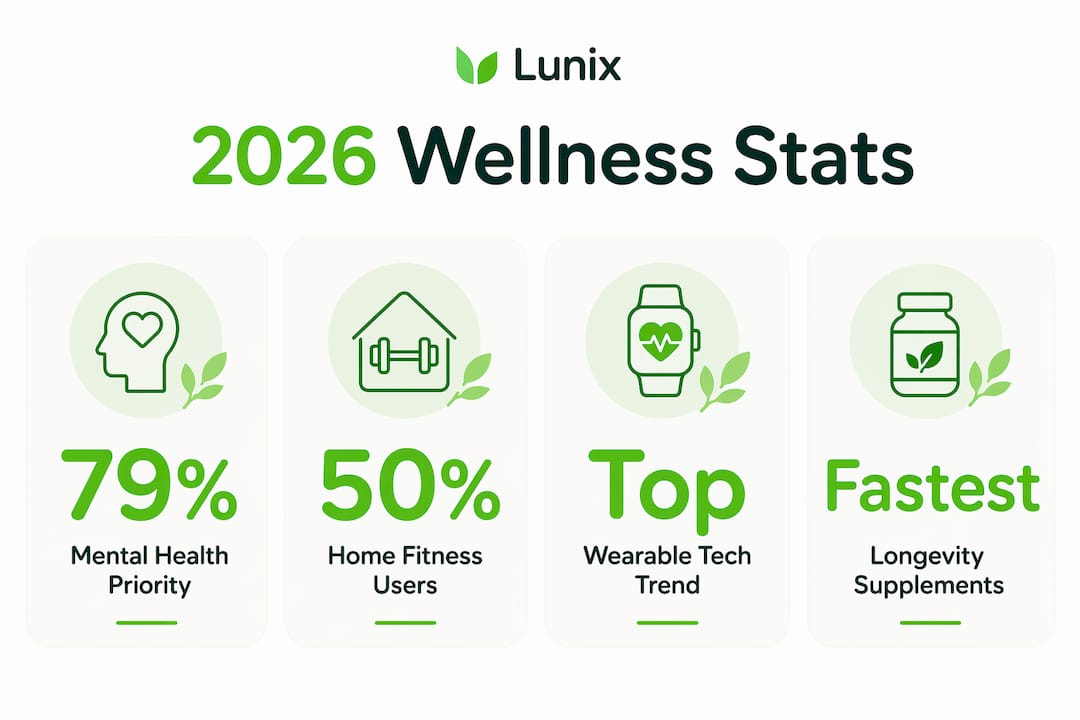
Wellness trends in 2026 are defined by three converging forces: mental health as a foundational priority, wearable technology as the top fitness tool, and personalized longevity as the new standard for long-term health. 79% of US adults now consider mental health equal to or more important than physical health. That shift is not a trend in isolation. It signals a complete restructuring of how people aged 30–55 think about well-being, recovery, and daily habits. The longevity supplement market is projected to reach $48.2 billion by 2033, and the Global Wellness Summit has officially named neurowellness one of the defining movements of the year. These are not predictions. They are already reshaping your options.
What are the top wellness trends in 2026?
Mental health is the new foundation of personal wellness. Google search data confirms that mental health searches surpassed weight loss queries in 2024, and that trajectory has only accelerated. People are no longer treating mental wellness as a supplement to physical fitness. They are treating it as the starting point.
The Global Wellness Institute identifies mental wellness in 2026 as a dynamic state shaped by your environment, your social connections, and your gut-brain-microbiome axis. That last factor surprises many people. Your gut microbiome directly influences mood, stress response, and cognitive clarity through the vagus nerve. This means your diet, sleep, and even your living space all feed into your mental state in measurable ways. The gut-brain connection is no longer fringe science. It is central to how practitioners build wellness programs today.
Mental fitness routines are also expanding beyond meditation apps. Somatic techniques, breathwork, and emotional regulation practices are entering mainstream wellness. These methods work by calming the nervous system directly, not just the mind.
Key mental wellness practices gaining ground in 2026:
- Somatic movement therapy: Body-based practices that release stored tension and regulate the stress response
- Breathwork protocols: Structured breathing patterns like box breathing and physiological sighs that shift the nervous system into a calmer state
- Gut-supportive nutrition: Fermented foods, prebiotic fiber, and reduced ultra-processed food intake to support the gut-brain axis
- Ambient neurowellness: Designing physical spaces with soft acoustics, natural light, and quiet zones to passively regulate the nervous system without any device
Pro Tip: A 30-second cold water splash to your face triggers vagal nerve stimulation and activates the parasympathetic nervous system. Short, controlled exposures work better than prolonged ones. You can do this between meetings or after a stressful call.
Check the mental wellness checklist built specifically for adults aged 40–65 to see where your current routine stands.
How does wearable technology shape personalized fitness in 2026?
Wearable technology holds the number one spot as the world’s top fitness trend in 2026, according to the American College of Sports Medicine’s survey of 2,000 clinicians. That ranking reflects more than popularity. It reflects how deeply biosensors have moved into everyday health management.
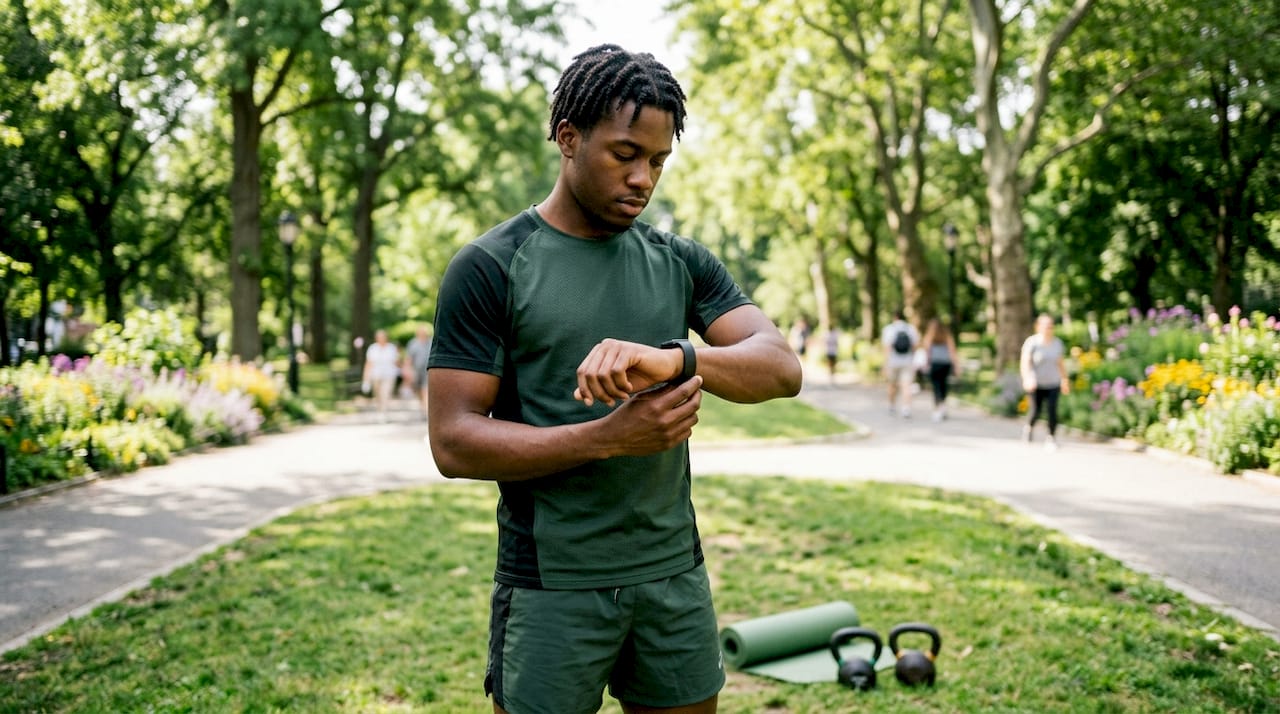
Modern wearables track far more than steps and heart rate. Devices now monitor heart rate variability, blood oxygen saturation, skin temperature, sleep staging, and stress scores in real time. That data feeds personalized fitness and nutrition programs that adjust to your body’s actual state, not a generic plan. The result is a feedback loop between your behavior and your biology.
Home fitness has also crossed a significant threshold. Over 50% of Americans now use home-based workouts as their primary exercise mode. That shift has made wearable tech even more central, since there is no trainer watching your form or tracking your output. Your device fills that role.
| Feature | What it tracks | Wellness benefit |
|---|---|---|
| Heart rate variability | Nervous system recovery | Guides rest vs. training decisions |
| Sleep staging | REM, deep, and light sleep cycles | Improves recovery and energy management |
| Blood oxygen (SpO2) | Oxygen saturation during rest and exercise | Flags breathing issues and altitude stress |
| Skin temperature | Hormonal shifts and illness onset | Supports cycle tracking and early illness detection |
| Stress score | Cortisol-linked physiological markers | Prompts recovery before burnout sets in |
Personalized fitness programs built on this data are replacing one-size-fits-all gym plans. Nutrition apps like Cronometer and platforms like Whoop now integrate biometric data to suggest meal timing, training intensity, and recovery windows. The value of wellness tech is no longer theoretical. It shows up in measurable recovery, better sleep, and fewer injuries.
What is bio-harmonization, and why does it matter for longevity?
Bio-harmonization is the term the Global Wellness Summit uses to describe the shift away from aggressive biohacking toward nervous system regulation and sustainable habits. Where biohacking often pushed the body harder, bio-harmonization works with the body’s natural rhythms. That distinction matters enormously for people in their 40s and 50s, where recovery capacity changes and chronic stress accumulates.
The longevity supplement market reflects this shift in priorities. NMN, NAD, and resveratrol are among the fastest-growing supplements, with the market projected to grow 29.6% year over year. These compounds support cellular energy production and DNA repair, which are the biological processes most affected by aging and chronic stress. Demand is rising because people want to extend their healthspan, not just their lifespan.
Women’s health is also entering the longevity conversation in a meaningful way. Women’s wellness programs are moving away from protocols built on men’s health data and toward proactive, female-specific approaches to menopause, hormonal health, and aging. Longevity clinics now offer programs designed around female biology, not adapted from male studies.
Fascial health is one of the more surprising additions to the longevity toolkit. Releasing fascial tension in areas like the jaw and hips is linked to emotional release and psychosomatic benefits, not just physical flexibility. Fascia, the connective tissue surrounding your muscles and organs, stores physical and emotional stress. Targeted release work through myofascial massage or foam rolling can produce a noticeable shift in both body tension and mood.
Key longevity practices gaining traction in 2026:
- NMN and NAD supplementation: Supports mitochondrial function and cellular repair
- Longevity clinic programs: Personalized blood panels, hormone optimization, and regenerative therapies
- Fascial release work: Myofascial massage, foam rolling, and jaw release techniques
- Female-specific wellness protocols: Perimenopause support, hormonal tracking, and bone density programs
Pro Tip: Start with a full blood panel before adding longevity supplements. Baseline data on your NAD levels, inflammation markers, and hormonal profile tells you what your body actually needs, rather than what marketing suggests.
How do nature, community, and social wellness fit into 2026 health trends?
The emerging wellness practices gaining the most cultural momentum in 2026 are not all technology-driven. Nature-based and socially connected experiences are filling a gap that apps and devices cannot. People are recognizing that well-being is not a solo pursuit.
Here are the top nature and social wellness trends reshaping routines this year:
- Sauna socials: Group sauna sessions combining heat therapy with social connection. The cardiovascular and stress-relief benefits of sauna use are well-documented, and the social element adds a layer of belonging that solo wellness cannot replicate.
- Star bathing: Nighttime outdoor exposure to natural darkness and starlight. This practice supports circadian rhythm regulation and reduces the cortisol-spiking effect of artificial light before sleep.
- Forest bathing (Shinrin-yoku): Slow, mindful walks in natural environments. Research from Japan links regular forest bathing to lower cortisol, reduced blood pressure, and improved immune function.
- Community fitness rituals: Group runs, outdoor yoga, and neighborhood walking clubs are replacing isolated gym sessions for many adults. The accountability and social reward make consistency easier.
- Digital detox retreats: Structured time away from screens, often combined with nature immersion, breathwork, and sleep restoration. These retreats are growing in popularity as screen fatigue becomes a recognized health concern.
The trends in holistic health for 2026 consistently point toward integration. Mental fitness, physical recovery, social connection, and environmental design are not separate categories anymore. They work together, and the most effective wellness routines treat them that way.
Key Takeaways
Wellness in 2026 is defined by the integration of mental health, personalized technology, and sustainable longevity practices that work together rather than in isolation.
| Point | Details |
|---|---|
| Mental health is foundational | 79% of US adults now rank mental health equal to or above physical health as a wellness priority. |
| Wearables lead fitness tech | ACSM ranks wearable technology as the number one global fitness trend, with biosensors tracking recovery, sleep, and stress. |
| Bio-harmonization replaces biohacking | The Global Wellness Summit identifies nervous system regulation and sustainable habits as the new longevity standard. |
| Longevity supplements are surging | NMN, NAD, and resveratrol are growing at 29.6% yearly, with the market projected to reach $48.2 billion by 2033. |
| Social and nature-based wellness matter | Sauna socials, forest bathing, and community fitness address the well-being gaps that technology alone cannot fill. |
Lunixinc’s take on balancing tech and true recovery
The most important shift I see in 2026 wellness is the move from optimization to harmonization. For years, the conversation was about pushing harder, tracking more, and squeezing performance out of every hour. That approach burned people out. The body does not respond well to being treated like a machine with settings to adjust.
What actually works is building an environment and a routine that support recovery as a default, not as an afterthought. Ambient neurowellness is a perfect example. When your space is designed with soft acoustics, natural light, and minimal visual clutter, your nervous system calms down without you having to do anything. That passive regulation is more sustainable than any app-based intervention.
Wearable tech is genuinely useful, but only when you use it as a supportive tool rather than a source of pressure. Checking your heart rate variability each morning to decide whether to train hard or rest is smart. Feeling anxious because your sleep score dropped two points is the opposite of wellness.
The people I see thriving in 2026 treat wellness as something social, adaptive, and grounded in their actual life. They combine recovery tools with community, nature, and genuine rest. That combination is harder to sell as a product, but it is what actually moves the needle on long-term health.
— Lunix
Lunixinc recovery solutions for your 2026 wellness routine
Your wellness routine is only as strong as your recovery. The trends shaping 2026 all point to one truth: rest and restoration are not passive. They require the right environment and the right tools.

Lunixinc designs recovery products built for people who take their well-being seriously. From targeted muscle relief to comfort solutions that support your nervous system between workouts, the Lunixinc recovery collection fits directly into the bio-harmonization approach the Global Wellness Summit identifies as the defining wellness shift of 2026. Whether you are managing post-workout soreness, improving sleep quality, or building a home recovery space, Lunixinc offers tools that work with your body’s natural rhythms. Explore the full collection and find what fits your routine.
FAQ
What is the number one wellness trend in 2026?
Mental health is the top priority, with 79% of US adults ranking it equal to or above physical health. Wearable technology holds the number one spot specifically in fitness, according to ACSM’s survey of 2,000 clinicians.
What is bio-harmonization?
Bio-harmonization is the practice of supporting the body’s natural rhythms through nervous system regulation and sustainable habits. The Global Wellness Summit identifies it as the 2026 replacement for aggressive biohacking approaches.
What are the best longevity supplements in 2026?
NMN, NAD, and resveratrol are the fastest-growing longevity supplements, supported by their role in cellular energy production and DNA repair. The longevity supplement market is projected to grow 29.6% yearly and reach $48.2 billion by 2033.
What is ambient neurowellness?
Ambient neurowellness refers to designing physical spaces with soft acoustics, natural light, and quiet zones to regulate the nervous system passively. No device or active practice is required. The environment does the work.
How does home fitness fit into 2026 wellness trends?
Over 50% of Americans now use home-based workouts as their primary exercise mode. Wearable technology fills the coaching and tracking gap that a gym or trainer would otherwise provide.