


TL;DR:
- Your home actively influences your mood, health, and mental clarity through environmental factors like light, air, and organization. Small, affordable adjustments such as decluttering, adding plants, and optimizing lighting can significantly enhance well-being and daily comfort. Regularly reassessing and adapting your space helps maintain safety, independence, and emotional resilience as your needs evolve.
Your home is not just a backdrop to your life. It is an active participant in how you feel, think, sleep, and recover every single day. Most people assume that only major renovations make a real difference to their well-being, but research keeps pointing in a different direction. Understanding why improve home environments matters is not about spending thousands on gut remodels. It is about recognizing that the air you breathe, the light you wake up to, and the clutter piling up in the corner are shaping your mood and health in ways you probably have not noticed yet.
Table of Contents
- Key takeaways
- Why improve home environments: the health connection
- Common home conditions that quietly drain you
- Affordable ways to enhance your living space
- Home upgrades with real return on investment
- Adapting your home as your needs change
- My honest take on improving your home environment
- Upgrade your well-being with Lunixinc
- FAQ
Key takeaways
| Point | Details |
|---|---|
| Small changes create real impact | Low-cost sensory adjustments to lighting, scent, and color often outperform costly renovations for mental health. |
| Environment shapes health daily | Air quality, clutter, and noise levels in your home directly affect stress, focus, and sleep quality. |
| Nature indoors restores your mind | Adding plants and natural materials to living spaces reduces cognitive fatigue and supports emotional recovery. |
| Smart upgrades pay double dividends | Targeted improvements like entry door replacements boost both resale value and daily comfort. |
| Ongoing adaptation matters | Regularly reassessing your space and adjusting it to your changing needs preserves comfort and independence. |
Why improve home environments: the health connection
Most of us spend between 60 and 90 percent of our time indoors. That means your home environment is not occasional exposure. It is constant, cumulative, and deeply connected to your physical and mental state.
Research has made the link unmistakably clear. Tidy spaces support calm, focused mental states, while cluttered, disorganized homes measurably increase cognitive load and stress. You do not need to be a researcher to recognize this feeling. Think about the last time you walked into a clean, well-lit room versus one with stacks of papers and dim overhead lighting. Your nervous system registered the difference before your conscious mind did.
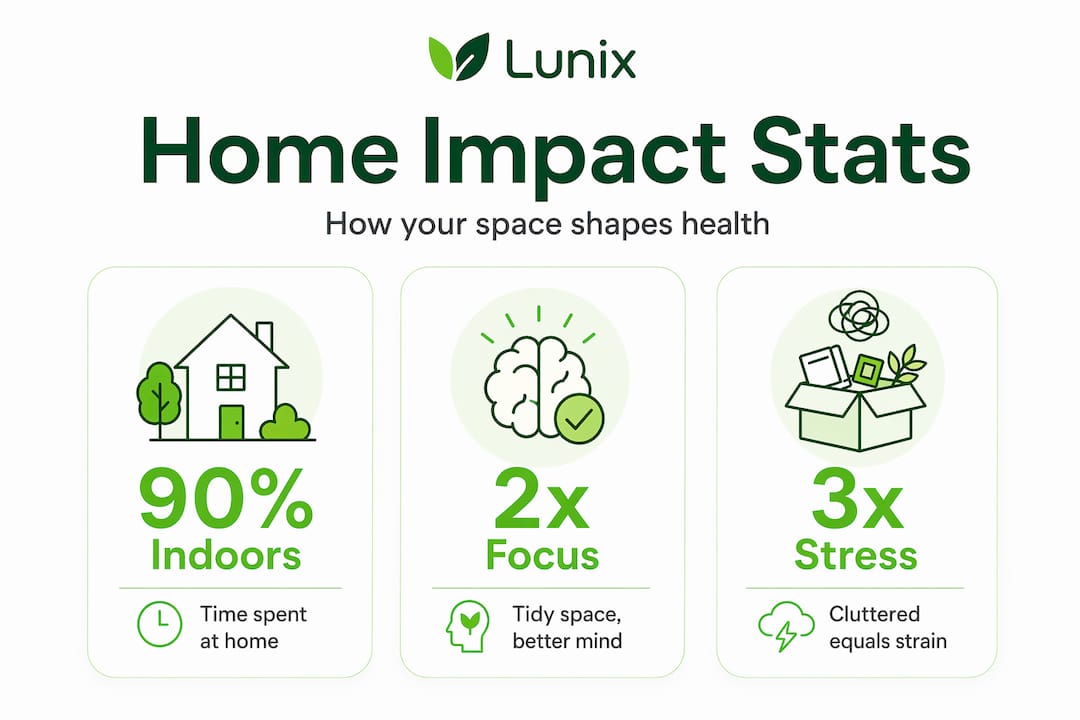
Sensory inputs from your environment work on your brain continuously. Small adjustments in lighting and sound profoundly affect stress levels and focus, even when you are not paying attention to them. This is why the benefits of home improvement go far beyond aesthetics. They reach into your biology.
There is also a growing body of evidence around nature and well-being. A study involving more than 50,000 participants across 58 countries found strong links between connection to natural environments and life satisfaction, along with neurophysiological recovery from mental fatigue. You do not need to live near a forest to tap into this. Bringing natural elements indoors, through plants, wood textures, and natural light, produces measurable psychological benefits.
“Ecologically complex environments offer greater therapeutic benefits than simplified ones, making nature exposure, even indoors, especially valuable for mental recovery.” — Nature and health outcomes research
The impact of environment on well-being is not soft science. It is a documented, measurable reality that you can act on starting today.
Common home conditions that quietly drain you
You can live with a problem for so long that you stop seeing it. This is called habit habituation, and it is one of the main reasons people put up with home conditions that chip away at their health for years. Here are the most common culprits:
-
Poor indoor air quality. Indoor air pollutants can reach levels as high as, or higher than, outdoor pollution. Dust, mold, chemical off-gassing from furniture, and inadequate ventilation all contribute to respiratory problems and mental fog that you may be attributing to other causes.
-
Clutter and disorganization. Cluttered spaces force your brain to process more visual information than it needs to. This creates a low-level, constant mental drain. Research links disorganized spaces to elevated stress and reduced cognitive performance throughout the day.
-
Poor lighting. Lighting affects your circadian rhythm, your mood, and your ability to concentrate. Harsh overhead lighting in the evening disrupts sleep. Dim, yellowish light during working hours increases fatigue. Most homes were not designed with any of this in mind.
-
Noise pollution. Traffic, appliance hum, thin walls, and ambient neighborhood sounds all register as low-grade stressors. Over time, chronic noise exposure raises cortisol levels and disturbs sleep architecture, even when you have stopped consciously noticing the sound.
-
Unsafe or uncomfortable physical setups. Furniture at the wrong height, slippery floors, poor organization in high-traffic areas, and inadequate storage create daily friction and physical strain. For those in their 40s, 50s, and 60s, these details become especially significant as physical needs shift.
Recognizing these issues is the first real step. Once you see them, you can fix them without spending a fortune.
Affordable ways to enhance your living space
The good news is that the most impactful changes to your home are rarely the most expensive. Sensory environment tweaks often produce greater mental health benefits than costly structural renovations. Here is where to focus your effort:
-
Declutter one area at a time. You do not need to tackle the whole house. Start with the space you spend the most time in. Removing unnecessary objects reduces cognitive load immediately. Even aesthetic consistency in small details like matching storage containers or coordinated household items adds a sense of calm that compounds over time.
-
Add plants and natural materials. Biophilic design elements like plants and wood accents improve air quality and reduce cognitive fatigue. A few well-placed houseplants can meaningfully change the feel of a room at minimal cost.
-
Optimize your lighting. Use warm-toned bulbs (2700K to 3000K range) in living and bedroom spaces for evening relaxation. Let in natural daylight as much as possible during the day. Consider a simple daylight lamp for darker rooms or winter months. Learning how to create a calming environment often starts with this single adjustment.
-
Manage sound intentionally. A small white noise machine, a tabletop water feature, or even a playlist of ambient nature sounds can neutralize disruptive background noise and cue your nervous system toward calm.
-
Create functional zones. NASA habitat design research shows that clear activity zones reduce mental fatigue and interpersonal friction. If your kitchen table is also your work desk, your dining area, and your bill-paying station, your brain never fully switches off from any of those modes. Separating activities, even symbolically, makes a real difference.
-
Use scent and color deliberately. Lavender and eucalyptus are well-documented for their calming effects. Soft, cooler colors like muted blues and greens in rest areas support relaxation, while warmer tones in social spaces encourage connection.
Pro Tip: Start with your bedroom. Sleep quality affects every other aspect of your health, and your sleep environment is the most cost-effective wellness investment you can make. Blackout curtains, a white noise machine, and cooler room temperature together can transform your recovery overnight.
Home upgrades with real return on investment
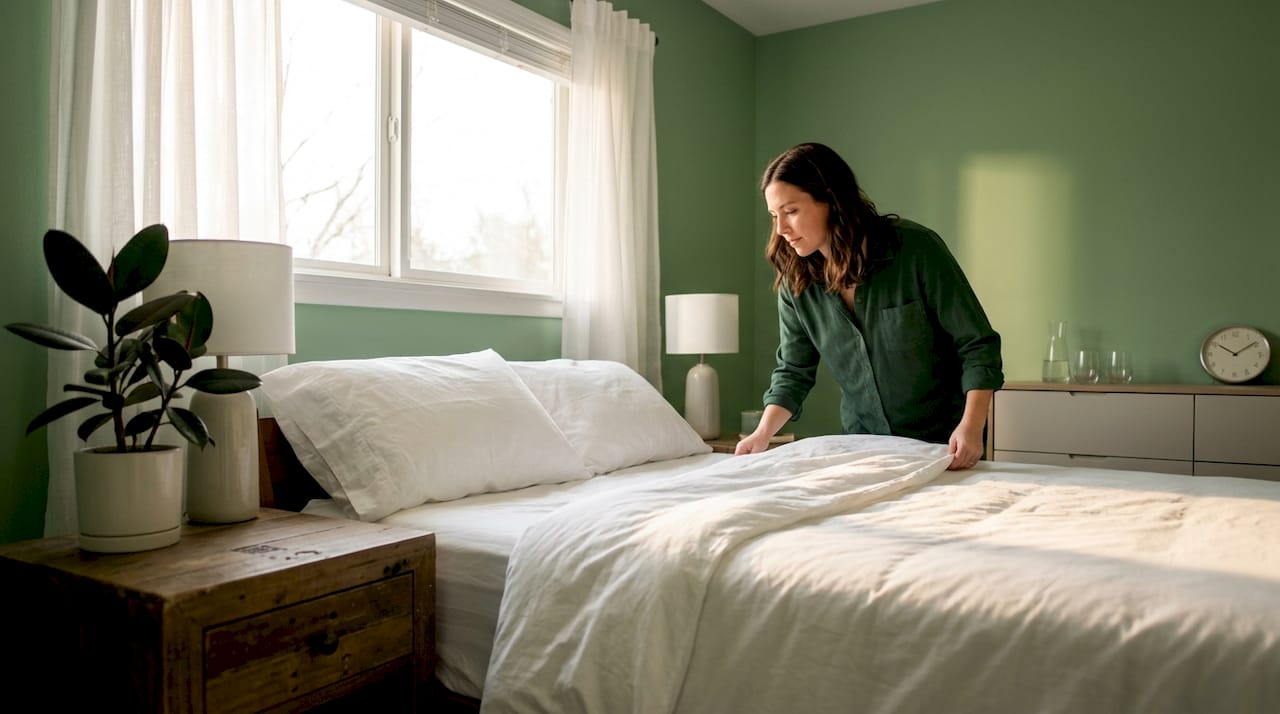
Not all home improvements are created equal, especially if you want both personal comfort and long-term financial return. The data here is more encouraging than most people expect.
Targeted, modest upgrades consistently outperform expensive gut renovations in resale value. Garage door replacements are among the highest-returning exterior improvements, recouping between 93% and 195% of their cost at resale, with average installation running between $4,000 and $4,500. Entry door replacements and modest kitchen refreshes show similarly strong returns without the disruption of full remodels.
Here is a quick comparison of common projects by cost and well-being impact:
| Project | Estimated cost | Resale ROI | Daily comfort impact |
|---|---|---|---|
| Garage door replacement | $4,000–$4,500 | 93%–195% | Moderate (security, curb appeal) |
| Entry door replacement | $2,000–$3,500 | 70%–100% | High (security, energy efficiency) |
| Lighting upgrade | $200–$800 | Low | Very high (mood, sleep, focus) |
| Declutter and organize | $50–$300 | Low | Very high (stress, cognitive clarity) |
| Indoor plants and natural materials | $100–$500 | Low | High (air quality, mood, recovery) |
The pattern is clear. Well-organized, well-lit homes improve emotional well-being and create a stronger sense of control, benefits that show up in daily life even when the resale numbers are modest.
Pro Tip: Before committing to a big renovation, spend two weeks tracking which daily frustrations actually bother you most. Door that sticks? Light that flickers? Counter space too tight? The improvements that eliminate daily friction give you far more satisfaction than the ones that look impressive on paper.
Adapting your home as your needs change
The importance of home comfort grows more personal as you move through your 40s, 50s, and 60s. Your physical needs shift. Your relationship with your home deepens. And the small dysfunctions you tolerated at 35 start to cost you more at 55.
Ongoing adaptation is not about constant renovation. It is about staying attentive. Here are the habits that make the biggest difference:
- Do a quarterly comfort audit. Walk through your home with fresh eyes once every three months. Notice what creates friction, what feels awkward, and what you automatically avoid. These are signals your environment is working against you.
- Adjust furniture and lighting as your needs evolve. A chair that worked fine when you were 45 may create posture problems at 58. Lighting that felt fine before may not serve you as well as your eyesight changes. Small adjustments prevent larger discomforts.
- Prioritize safety without sacrificing warmth. Grab bars, better floor lighting, and clear pathways all support physical independence. They do not have to feel clinical. Good design makes safety features invisible. Explore at-home comfort tips that integrate function with the feel of a welcoming space.
- Protect your sense of agency. Feeling in control of your environment is a documented psychological benefit. When your home responds to your needs rather than resisting them, your stress levels drop and your confidence in daily living grows.
My honest take on improving your home environment
I have spent years working in the wellness space, watching people invest in expensive products or major projects while overlooking the basics that would actually change how they feel every day. And what I have consistently seen is that the small, intentional changes do most of the heavy lifting.
Here is something most articles will not tell you: the emotional benefit of feeling held by your space is real and significant. When your home is arranged to support your body, calm your senses, and reduce daily friction, it functions as a kind of invisible caregiver. That sounds poetic, but it is backed by the same science that explains why hospital patients recover faster in rooms with natural light and views of green space.
My honest experience is that people who focus on sensory comfort, lighting, sound, air quality, and organization, get more return on their investment than those who chase aesthetic upgrades. A beautiful kitchen that still has bad lighting and poor organization will frustrate you every morning. A modest kitchen with great light, clear surfaces, and a logical layout will support you every day.
What I have learned is also this: the threshold for meaningful improvement is lower than you think. You do not need a designer, a contractor, or a large budget. You need attention, intention, and the willingness to take your own comfort seriously.
— Lunix
Upgrade your well-being with Lunixinc
If this article has made you think about your home differently, the next step is personalizing your space with products designed to support real recovery and daily comfort. Lunixinc creates smart wellness solutions built specifically to help your body restore and relax where you spend the most time: at home.

From targeted recovery tools to thoughtfully designed comfort products, the Lunixinc recovery collection offers a practical way to put what you have read into practice. Whether you are addressing sleep quality, physical tension, or creating a more restorative environment, these solutions are designed to integrate naturally into how you already live. Your home can do more for your health than you realize. Lunixinc is here to help you get there.
FAQ
Why does improving your home environment matter for health?
Your home environment continuously shapes your stress levels, sleep quality, and cognitive function through sensory inputs like light, sound, and air quality. Research shows that organized, well-lit spaces directly support emotional well-being and reduce daily stress.
What are the most cost-effective home improvements for well-being?
Lighting upgrades, decluttering, adding plants, and managing sound are among the highest-impact changes you can make for under a few hundred dollars. Sensory modifications often produce greater mental health benefits than expensive structural renovations.
How does clutter affect your mental health at home?
Clutter forces your brain to process unnecessary visual information constantly, which creates low-level stress and reduces focus. Studies consistently link disorganized living spaces to elevated cortisol levels and reduced cognitive performance.
Which home improvement projects offer the best return on investment?
Garage and entry door replacements consistently rank among the highest-returning projects, with garage door replacements recouping up to 195% of their cost at resale. Targeted, modest upgrades typically outperform full remodels in both financial return and daily comfort.
How can adding plants to your home improve well-being?
Plants and natural materials support better air quality and reduce cognitive fatigue through biophilic design principles. A study of over 50,000 participants found that nature connection boosts life satisfaction and supports neurophysiological recovery from mental fatigue.