


Finding reliable therapy options that truly support recovery and well-being can feel complicated, especially as health goals evolve with age. Thermal therapy stands out by offering science-backed ways to manage chronic pain, reduce muscle tension, and address everyday stress. By understanding the reality behind common myths and discovering the range of modern heat and cold applications, you can make informed decisions about which thermal therapy methods best suit your personal needs.
Table of Contents
- Defining Thermal Therapy And Common Myths
- Different Types Of Thermal Therapy Methods
- How Thermal Therapy Works In The Body
- Practical Uses For Injury, Pain, And Stress
- Risks, Precautions, And Who Should Avoid It
- Comparing Thermal Therapy To Alternative Treatments
Key Takeaways
| Point | Details |
|---|---|
| Thermal Therapy Benefits | Thermal therapy aids in healing by increasing blood flow, reducing inflammation, and enhancing recovery processes. It can benefit a wide range of individuals, not just the elderly. |
| Different Techniques | Thermal therapy includes both superficial and deep heat methods, each with specific applications and physiological impacts that cater to different conditions. |
| Risks and Contraindications | Patients should be assessed for conditions that may pose risks with thermal therapy, including impaired sensation and acute inflammation, before beginning treatment. |
| Holistic Approach | Thermal therapy can be effectively combined with other treatment modalities, like physical therapy and acupuncture, for a comprehensive rehabilitation strategy. |
Defining Thermal Therapy and Common Myths
Thermal therapy represents a sophisticated medical approach using controlled heat application to stimulate healing and wellness. Thermal energy techniques involve precise temperature manipulation across multiple medical disciplines, including physiotherapy, oncology, and cardiology.
At its core, thermal therapy uses various methods to generate targeted heat that interacts with human biological systems. These techniques can include:
- Electromagnetic energy transmission
- Ultrasonic wave applications
- Conduction-based heat delivery systems
- Localized temperature interventions
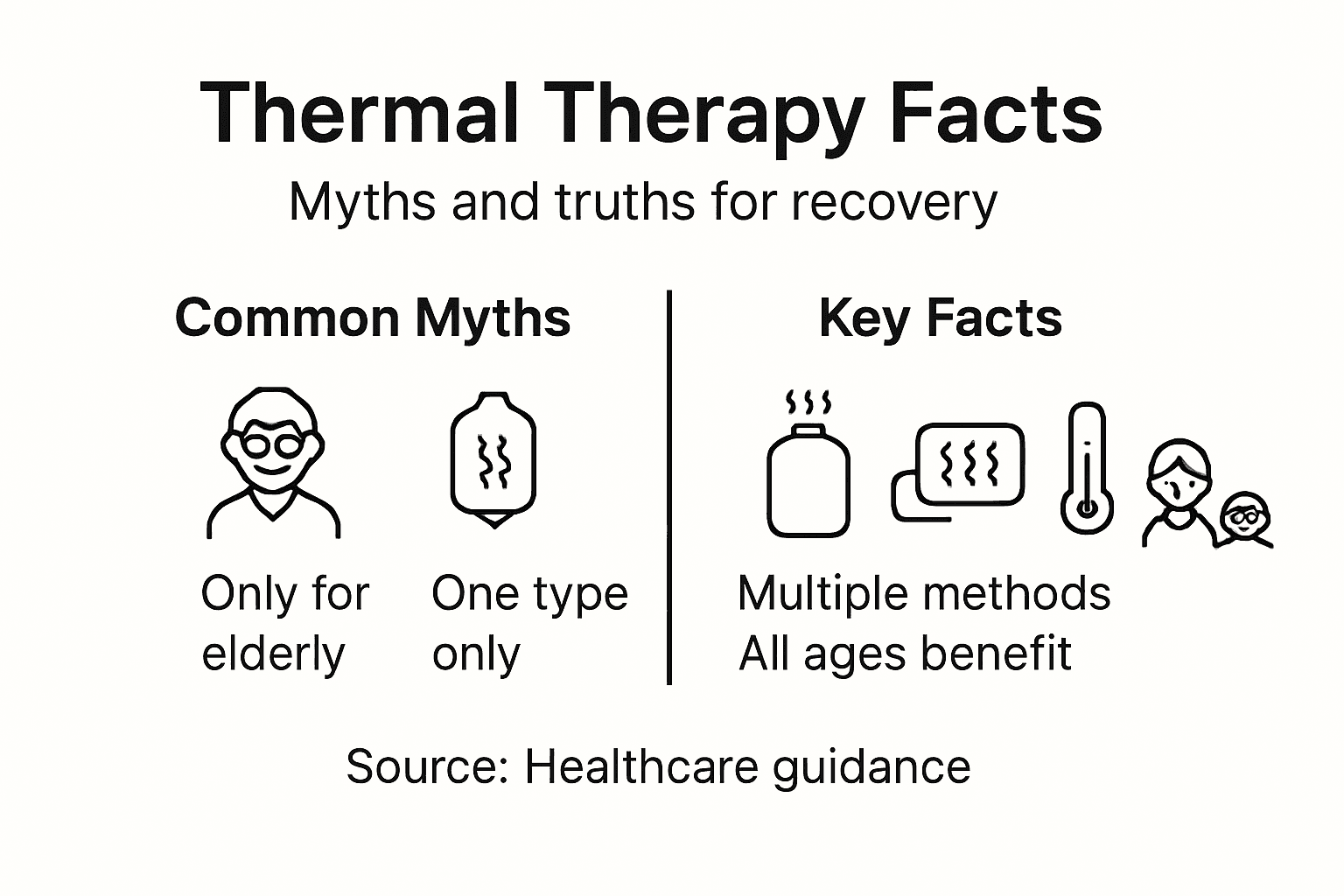
Contrary to popular misconceptions, thermal therapy is not a one-size-fits-all treatment. Different temperature ranges and application methods produce distinct physiological responses, making precision critical. Some patients mistakenly believe all heat treatments work identically, when in reality, each approach targets specific health conditions with unique mechanisms.
The most prevalent myths surrounding thermal therapy include assumptions that it is exclusively for older populations or limited to specific medical contexts. In reality, thermal treatments can benefit individuals across various age groups and address diverse health challenges, from chronic pain management to stress reduction.
Pro tip: Always consult healthcare professionals to understand the most appropriate thermal therapy approach for your specific health needs.
Different Types of Thermal Therapy Methods
Thermal therapy encompasses a diverse range of techniques designed to harness heat’s healing potential. Thermal modalities vary significantly in their application methods, penetration depths, and physiological impacts across medical disciplines.
These methods can be broadly categorized into two primary classifications:
-
Superficial Heat Methods:
- Hot packs
- Paraffin baths
- Infrared treatments
- Conduction-based applications
-
Deep Heat Methods:
- Ultrasound therapy
- Shortwave diathermy
- Microwave diathermy
- Electromagnetic energy transmission
Superficial heat techniques typically penetrate less than 1 cm into body tissues, primarily working through conduction or convection mechanisms. These approaches are excellent for addressing surface-level discomfort and promoting localized blood circulation. Deep heat methods, conversely, can reach 3-5 cm into tissues, enabling more comprehensive physiological interventions.
Here’s a concise overview comparing superficial and deep thermal therapy methods:
| Characteristic | Superficial Heat | Deep Heat |
|---|---|---|
| Tissue Penetration | Less than 1 cm | 3-5 cm |
| Typical Applications | Surface pain relief | Muscle and joint disorders |
| Mechanism | Conduction or convection | Electromagnetic or ultrasound |
| Physiological Impact | Local circulation boost | Enhanced tissue elasticity, metabolism |
Each thermal therapy method produces unique biological responses. Some techniques increase blood flow and metabolism, while others enhance connective tissue elasticity. The selection of an appropriate thermal approach depends on specific health conditions, injury phases, and individual patient characteristics.
Precision in thermal therapy application is crucial - the wrong technique or temperature can potentially exacerbate existing conditions.
Pro tip: Consult a healthcare professional to determine the most appropriate thermal therapy method for your specific medical needs and body’s unique response patterns.
How Thermal Therapy Works in the Body
Thermal stress triggers complex physiological responses throughout multiple biological systems, initiating sophisticated healing and recovery mechanisms within the human body.
The primary physiological mechanisms of thermal therapy include:
-
Blood Flow Modulation:
- Vasodilation increases circulation
- Enhanced oxygen and nutrient delivery
- Improved metabolic waste removal
-
Nervous System Interactions:
- Pain perception pathway alterations
- Neurological signal transmission changes
- Autonomic nervous system stimulation
When heat is applied, the body experiences immediate and systemic transformations. Blood vessels expand, increasing blood flow and delivering additional oxygen to targeted tissues. This process accelerates healing, reduces muscle tension, and promotes faster recovery from physical stress or injury.
Different temperature ranges produce distinct biological responses. Moderate heat can trigger anti-inflammatory processes, while precise thermal applications can modulate immune system reactions and enhance cellular metabolic activities. The body’s intricate thermoregulatory mechanisms work to balance heat production and dissipation, creating a comprehensive healing environment.
Temperature changes activate complex physiological adaptations that extend far beyond surface-level tissue interactions.
Pro tip: Monitor your body’s individual response to thermal therapy and communicate any unusual sensations with healthcare professionals to optimize treatment effectiveness.
Practical Uses for Injury, Pain, and Stress
Thermal therapy offers versatile solutions for managing musculoskeletal challenges, providing targeted relief across multiple physical conditions and stress-related symptoms.
The primary applications of thermal therapy include:
-
Musculoskeletal Pain Management:
- Knee pain reduction
- Sports-related injury recovery
- Muscle tension alleviation
- Pre and post-exercise muscle preparation
-
Stress and Recovery Interventions:
- Inflammation reduction
- Tissue healing acceleration
- Pain perception modification
- Metabolic activity enhancement
Thermal therapy works exceptionally well for addressing soft tissue injuries by modulating inflammation and promoting healing. Different temperature approaches can be strategically employed depending on the specific stage of injury and individual patient needs. Moderate heat applications help increase oxygen uptake, enhance enzymatic activities, and support the body’s natural recovery mechanisms.
Multimodal approaches combining heat and cold therapies can provide more comprehensive treatment outcomes. By carefully selecting temperature ranges and application techniques, individuals can effectively manage chronic pain, reduce muscle tension, and support overall physical rehabilitation.
Precise thermal interventions can transform pain management from reactive treatment to proactive healing strategy.
Pro tip: Consult healthcare professionals to develop a personalized thermal therapy approach tailored to your specific injury or stress-related condition.
Risks, Precautions, and Who Should Avoid It
Thermal therapy demands careful patient assessment to prevent potential adverse reactions and ensure safe therapeutic intervention.
Critical contraindications for thermal therapy include:
-
Absolute Contraindications:
- Impaired sensory perception
- Acute inflammatory conditions
- Open wounds
- Active infections
- Hemorrhagic disorders
-
Conditional Risk Populations:
- Patients with cardiovascular conditions
- Individuals with diabetes
- Pregnant women
- Those with compromised circulation
- People with malignant conditions
Potential risks associated with improper thermal therapy application can range from mild skin irritation to more serious complications like tissue damage or exacerbated medical conditions. Patients with reduced pain sensitivity or poor blood circulation face heightened risks, as they may not perceive excessive heat that could cause burns or tissue necrosis.
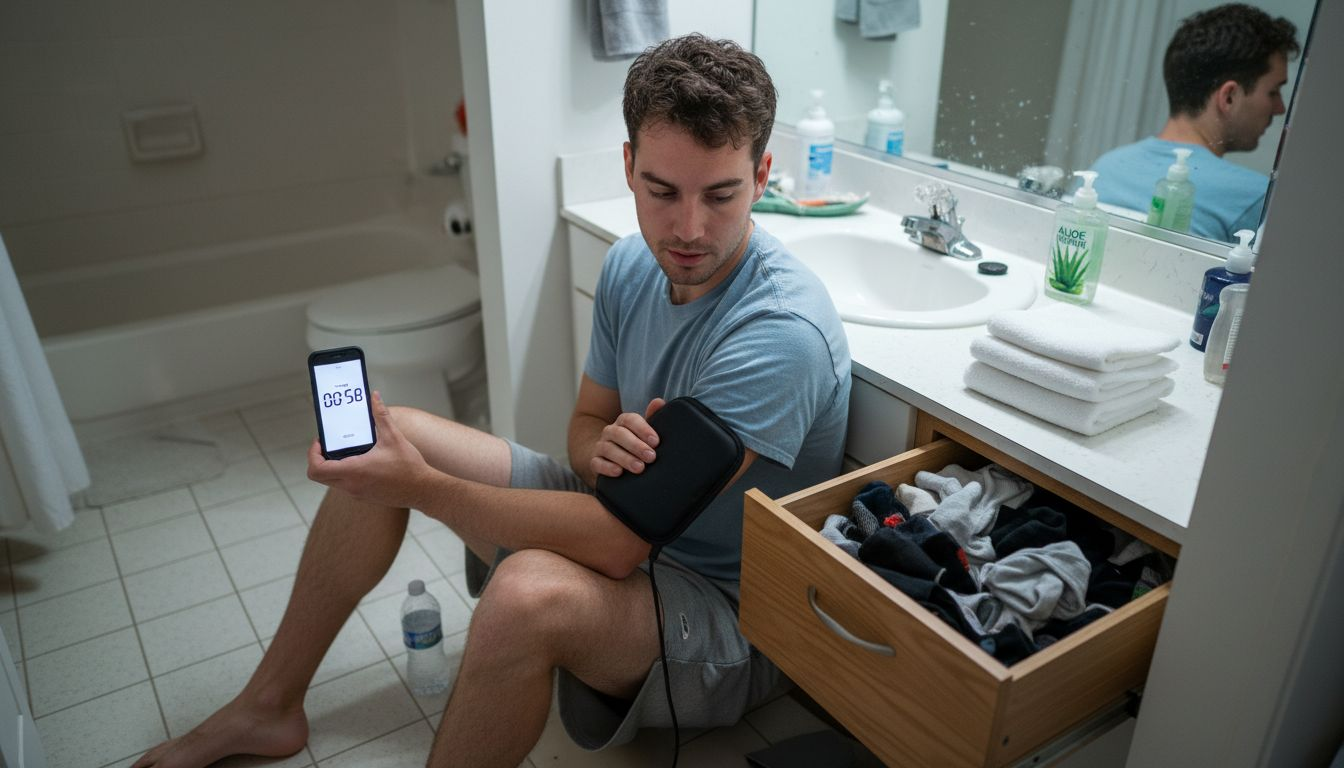
Healthcare professionals recommend thorough individual assessment before initiating thermal therapy. Factors such as underlying medical conditions, current medications, and overall health status must be carefully evaluated to determine treatment suitability and prevent potential complications.
This reference table summarizes key contraindications and risk factors for thermal therapy:
| Contraindication | Description | Recommended Action |
|---|---|---|
| Impaired Sensation | Reduced heat sensitivity | Avoid heat application |
| Acute Inflammation | Recent or active swelling | Delay treatment; consult provider |
| Cardiovascular Issues | Heart or circulatory problems | Individual assessment needed |
| Pregnancy | Increased risk in certain areas | Seek specialist advice |
Individual physiological variations make personalized medical guidance essential for safe thermal therapy implementation.
Pro tip: Always consult a healthcare professional and perform a patch test before starting any new thermal therapy treatment to assess individual skin sensitivity and potential adverse reactions.
Comparing Thermal Therapy to Alternative Treatments
Complementary treatment approaches offer diverse strategies for managing pain, recovery, and wellness beyond traditional thermal interventions.
Key comparative treatment approaches include:
-
Physical Therapy Interventions:
- Manual manipulation techniques
- Targeted exercise programs
- Strength and mobility training
- Soft tissue mobilization
-
Alternative Pain Management Methods:
- Acupuncture
- Massage therapy
- Pharmacological treatments
- Electrical stimulation techniques
- Chiropractic adjustments
Thermal therapy distinguishes itself by providing targeted, physiologically based interventions with relatively low risk and minimal side effects. Unlike pharmaceutical approaches that may involve systemic chemical interactions, heat and cold therapies work directly with the body’s natural healing mechanisms, stimulating blood flow, reducing inflammation, and promoting tissue recovery.
While alternative treatments each offer unique benefits, thermal therapy stands out for its versatility and non-invasive nature. The ability to combine or sequence heat and cold treatments allows for nuanced, personalized rehabilitation strategies that can be tailored to specific injury stages and individual patient needs.
Thermal therapies represent a holistic approach that complements, rather than replaces, comprehensive medical treatment.
Pro tip: Consult healthcare professionals to develop an integrated treatment plan that strategically combines thermal therapy with other targeted interventions for optimal recovery.
Elevate Your Recovery with Smart Thermal Solutions
Thermal therapy plays a vital role in managing pain, enhancing circulation, and speeding up healing, but finding the right application method can be challenging without personalized support. If you are looking to harness the healing power of targeted heat while avoiding risks like improper temperature or technique, Lunix offers premium solutions designed to seamlessly integrate thermal comfort and recovery into your daily routine. Our products focus on precision, adaptability, and ease of use to help you experience the benefits of thermal therapy safely and effectively.

Discover how Lunix’s innovative wellness tools can transform your recovery and stress relief strategies. Take control of your body’s healing process with thoughtfully designed recovery solutions built for elevated living. Visit Lunix today to explore options tailored for maximizing blood flow, reducing muscle tension, and supporting your long-term health. Empower yourself to restore, relax, and perform at your best now.
Frequently Asked Questions
What is thermal therapy?
Thermal therapy is a medical approach that uses controlled heat application to promote healing and wellness across various disciplines, including physiotherapy and oncology.
How does thermal therapy benefit recovery from injuries?
Thermal therapy enhances recovery by increasing blood flow, delivering oxygen and nutrients to tissues, and supporting the body’s natural healing processes, making it effective for muscular and joint disorders.
Are there different types of thermal therapy methods?
Yes, thermal therapy includes various methods such as superficial heat (like hot packs) and deep heat (like ultrasound therapy), each producing distinct physiological effects.
What precautions should be taken before starting thermal therapy?
Before undergoing thermal therapy, it’s essential to assess any contraindications like impaired sensory perception or cardiovascular issues and consult a healthcare professional to ensure safety.