


Persistent muscle aches after an active weekend in your local American community can quickly put your plans on hold. For those who value lasting well-being and seek modern ways to recover, exploring ways to ease discomfort and regain your stride becomes a priority. In this overview, you will discover how vibration therapy stands apart from common myths and provides real-life options for supporting muscle health and daily vitality.
Table of Contents
- Defining Vibration Therapy And Common Myths
- Types Of Vibration Therapy For Recovery
- How Vibration Therapy Stimulates Muscles
- Key Health Benefits And Use Cases
- Potential Risks And Safety Precautions
- Comparing Vibration Therapy With Alternatives
Key Takeaways
| Point | Details |
|---|---|
| Vibration Therapy as a Recovery Tool | Vibration therapy effectively stimulates muscle recovery through mechanical oscillations, addressing various musculoskeletal disorders such as chronic low back pain. |
| Types of Vibration Therapy | Whole-Body Vibration and Focal Vibration target either the entire body or specific muscles, providing targeted recovery and overall strength enhancement. |
| Neurological Mechanisms | The therapy enhances muscle function at a neurological level via mechanisms like muscle spindle activation and neural drive modification. |
| Safety Considerations | Individuals with specific medical conditions should undergo careful screening before starting vibration therapy to mitigate risks and ensure safe practice. |
Defining Vibration Therapy and Common Myths
Vibration therapy represents an innovative approach to muscle recovery and rehabilitation that harnesses mechanical oscillations to stimulate the body’s natural healing mechanisms. Emerging clinical research reveals this technique offers promising benefits for addressing musculoskeletal disorders, particularly chronic low back pain.
At its core, vibration therapy involves exposing the body or specific muscle groups to controlled, rhythmic vibrations. These vibrations can be delivered through two primary methods:
- Whole-Body Vibration (WBV): Where an individual stands, sits, or exercises on a vibrating platform
- Local Vibration (LV): Targeting specific muscle groups or body regions with specialized vibrating equipment
While whole-body vibration therapy might sound like a modern wellness trend, it actually builds upon established principles of muscle stimulation and rehabilitation. The therapy works by activating skeletal muscles through precise oscillating movements, which can enhance muscle function and potentially accelerate recovery processes.
However, several persistent myths surrounding vibration therapy require careful examination. These misconceptions can discourage individuals from exploring a potentially beneficial treatment option. Let’s debunk some common misunderstandings:
- Myth 1: Vibration therapy is painful or uncomfortable
- Myth 2: Only athletes or highly trained individuals can benefit
- Myth 3: The effects are purely psychological
- Myth 4: All vibration therapies produce identical results
In reality, vibration therapy parameters like frequency, training posture, and session duration significantly influence its effectiveness. Not all vibration treatments are created equal, and individualized approaches matter tremendously.
Pro tip: Consult a healthcare professional to determine the most appropriate vibration therapy approach for your specific muscle recovery needs.
Types of Vibration Therapy for Recovery
Vibration therapy encompasses several specialized approaches designed to target muscle recovery and physical rehabilitation. Systemic vibratory therapy offers multiple techniques tailored to different recovery needs, with two primary categories emerging as most prominent.
The primary types of vibration therapy include:
-
Whole-Body Vibration Exercise (WBVE)
- Utilizes vibration platforms
- Delivers systemic muscular stimulation
- Improves cognitive and physical performance
-
Focal Vibration Therapy
- Targets specific muscle groups
- Uses localized vibrating devices
- Provides precision muscle recovery
Whole-body vibration techniques further differentiate based on vibration characteristics. Oscillating platform variations include vertical and side-alternating vibration modes, each producing unique physiological responses. These variations significantly influence muscle recovery protocols, particularly for older adults seeking improved strength and mobility.
The mechanical nuances of vibration therapy make it a sophisticated recovery tool. Different vibration frequencies and amplitudes can trigger distinct physiological responses, allowing practitioners to customize treatments for specific rehabilitation goals. This precision makes vibration therapy particularly valuable for individuals recovering from injuries, managing chronic conditions, or seeking enhanced physical performance.
To better understand key distinctions between whole-body and focal vibration therapy, compare their core characteristics below:
| Therapy Type | Target Area | Equipment Used | Main Recovery Benefit |
|---|---|---|---|
| Whole-Body Vibration | Entire body | Vibration platforms | Enhances overall strength |
| Focal Vibration | Specific muscles | Localized devices | Accelerates targeted recovery |
Pro tip: Consult a physical therapist to determine the most appropriate vibration therapy technique for your specific recovery needs and physical condition.
How Vibration Therapy Stimulates Muscles
Muscle stimulation through vibration therapy is a sophisticated neurological process that goes far beyond simple mechanical movement. Tonic vibration reflex represents the core mechanism by which vibration therapy activates and enhances muscle function at a fundamental neurological level.
The key physiological processes involved in muscle stimulation include:
-
Muscle Spindle Activation
- Triggers involuntary muscle contractions
- Increases neuromuscular sensitivity
- Enhances motor unit recruitment
-
Neural Drive Modification
- Alters motor neuron firing patterns
- Improves sensorimotor integration
- Increases muscle coordination
Clinical research reveals that vibration therapy works through complex neurological interactions. Motor unit stimulation occurs at multiple neural levels, creating cascading effects that improve muscle performance and functional capacity. The mechanical vibrations essentially create a neurological signal that prompts enhanced muscle activation and responsiveness.
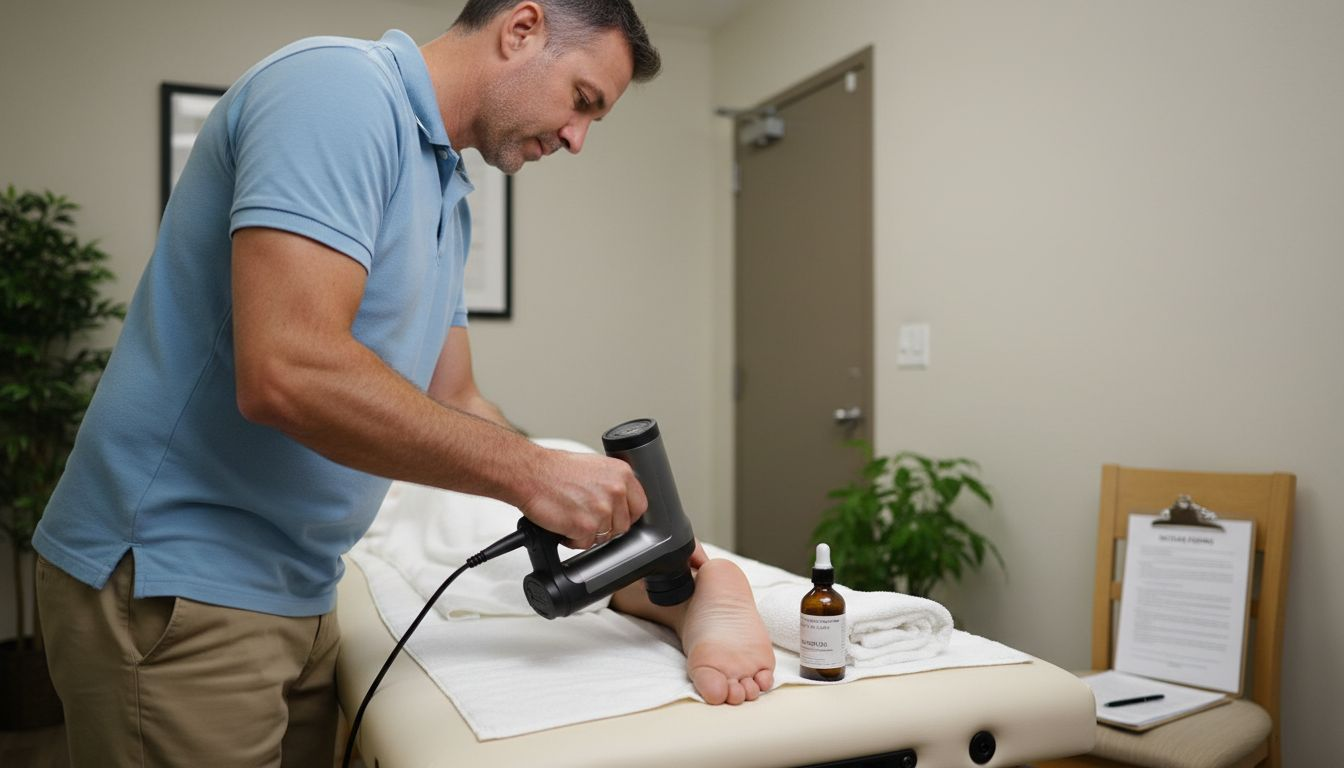
The effectiveness of muscle stimulation depends on precise parameters such as vibration frequency, amplitude, and duration. Different vibration characteristics can trigger unique physiological responses, allowing for targeted muscle recovery and performance enhancement. This nuanced approach enables practitioners to customize vibration therapy for specific rehabilitation goals, making it a powerful tool for addressing muscle-related challenges.
Pro tip: Start with low-intensity vibration frequencies and gradually increase to find your optimal muscle stimulation response.
Key Health Benefits and Use Cases
Vibration therapy offers a multifaceted approach to health and wellness, extending far beyond simple muscle recovery. Whole-body vibration interventions demonstrate remarkable potential for improving physical and cognitive function across diverse populations.
The key health benefits of vibration therapy include:
-
Physical Performance Enhancement
- Increases muscle strength
- Improves balance and mobility
- Reduces fall risk in older adults
-
Neurological Benefits
- Supports cognitive function
- Reduces neuroinflammation
- Enhances synaptic plasticity
Neurophysiological research reveals that vibration therapy’s impact extends well beyond muscular systems. The therapy demonstrates significant potential in addressing age-related cognitive decline, offering a non-invasive intervention for neurological health maintenance.
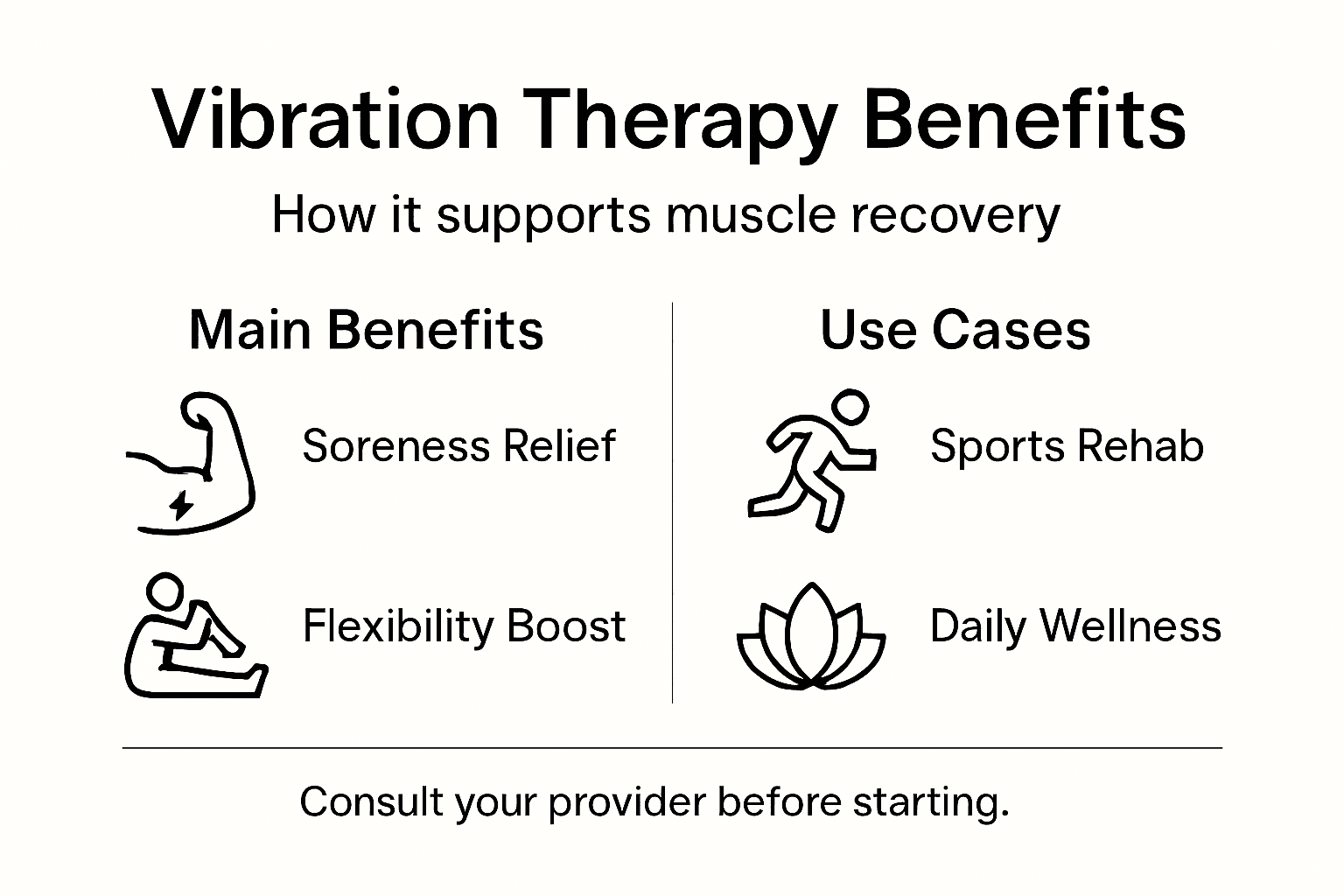
The versatility of vibration therapy makes it valuable across multiple clinical and wellness scenarios. From geriatric rehabilitation to athletic performance enhancement, the therapy provides a targeted approach to improving physical function and neurological well-being. Its adaptability allows practitioners to customize treatments based on individual health goals and specific physiological needs.
Pro tip: Consult with a healthcare professional to develop a personalized vibration therapy protocol tailored to your specific health objectives.
Potential Risks and Safety Precautions
Whole-body vibration therapy requires careful consideration of potential risks and safety protocols to ensure optimal therapeutic outcomes. Comprehensive safety screening is crucial for minimizing potential adverse effects and protecting vulnerable individuals.
Key contraindications and safety considerations include:
-
Medical Conditions to Avoid Therapy
- Acute inflammation
- Deep vein thrombosis
- Recent fractures
- Active pregnancy
- Acute infections
-
Populations Requiring Special Screening
- Children with disabilities
- Individuals with neurological disorders
- Patients with cardiovascular conditions
- Elderly with limited mobility
Safety protocol research emphasizes the importance of individualized treatment approaches. The effectiveness of vibration therapy depends significantly on proper dosing parameters, including frequency, duration, and intensity of vibration sessions. Healthcare professionals must carefully assess each patient’s unique physiological condition before recommending treatment.
Risk mitigation strategies involve comprehensive medical evaluation, gradual introduction of vibration therapy, and continuous monitoring of patient responses. Understanding individual limitations and potential physiological reactions is essential to prevent unintended consequences and maximize therapeutic benefits.
Here is a summary of common safety considerations for vibration therapy across patient groups:
| Consideration | Risks Addressed | Recommended Action |
|---|---|---|
| Acute medical issues | Potential adverse reactions | Pre-therapy medical screening |
| Cardiovascular conditions | Possible heart complications | Physician consultation required |
| Elderly patients | Increased sensitivity | Adjust intensity and frequency |
Pro tip: Always consult a healthcare professional and undergo a thorough medical assessment before starting any vibration therapy program.
Comparing Vibration Therapy with Alternatives
Recovery techniques vary widely in their approach to muscle rehabilitation and performance enhancement. Comparative research reveals that vibration therapy offers a unique alternative to traditional muscle recovery methods with distinct advantages and nuanced considerations.
Key comparison points between vibration therapy and alternative approaches include:
-
Traditional Resistance Training
- Higher physical intensity
- Requires more active muscle engagement
- Longer recovery times
- Greater potential for muscle soreness
-
Vibration Therapy
- Low-impact intervention
- Passive muscle stimulation
- Shorter recovery periods
- Precise parameter control
Clinical trials comparing therapeutic approaches suggest whole-body vibration therapy may provide similar muscle strength benefits with potentially higher patient compliance. This is particularly significant for older adults or individuals with limited mobility who struggle with traditional exercise regimens.
The effectiveness of vibration therapy depends critically on precise calibration of parameters like frequency, amplitude, and duration. Unlike one-size-fits-all exercise protocols, vibration therapy allows for highly individualized treatment strategies that can be tailored to specific physiological needs and recovery goals.
Pro tip: Consult a healthcare professional to determine whether vibration therapy or alternative recovery methods are most suitable for your individual fitness and rehabilitation requirements.
Discover Smart Solutions to Enhance Your Muscle Recovery Naturally
If you are seeking effective ways to relieve muscle soreness and accelerate recovery through vibration therapy, understanding the science behind muscle stimulation and safe treatment parameters is crucial. This article highlights the importance of tailored vibration therapy for targeted muscle relief and improved physical performance. At Lunix, we share your goal to restore, relax, and help your body perform at its very best by integrating wellness innovations that fit seamlessly into your daily routine.
Experience the benefits of smart recovery with products designed to support your individual needs. Whether you want to incorporate vibration therapy principles or simply optimize muscle comfort and restoration, Lunix transforms your personal space into a sanctuary for health and relaxation. From thoughtfully engineered comfort solutions to advanced recovery tools, we help you harness restorative wellness every day.

Take your muscle recovery to the next level by exploring our premium offerings at Lunix. Don’t wait to feel stronger, more balanced, and revitalized. Visit Lunix now to find innovative comfort and recovery solutions that align with the proven benefits of vibration therapy. Embrace the future of natural muscle relief today.
Frequently Asked Questions
What is vibration therapy?
Vibration therapy is a technique that uses mechanical oscillations to stimulate the body’s natural healing processes, often used for muscle recovery and rehabilitation, particularly for conditions like chronic low back pain.
How does vibration therapy enhance muscle recovery?
Vibration therapy activates skeletal muscles through rhythmic vibrations, improving muscle function and potentially accelerating recovery by increasing neuromuscular sensitivity and enhancing motor unit recruitment.
What are the different types of vibration therapy?
The two primary types are Whole-Body Vibration (WBV), which involves using a vibrating platform for the entire body, and Focal Vibration therapy, which targets specific muscle groups with localized devices.
Are there any risks associated with vibration therapy?
Yes, potential risks include complications for individuals with certain medical conditions such as acute inflammation, deep vein thrombosis, or recent fractures. It is advisable to consult a healthcare professional before starting therapy.