


TL;DR:
- Natural anxiety reduction involves lifestyle practices like exercise, breathwork, diet, and mindfulness instead of medication. Regular aerobic exercise decreases amygdala reactivity, promotes better sleep, and boosts mood, reducing anxiety over time. Combining methods such as breathing techniques and dietary adjustments creates the strongest and most sustainable relief.
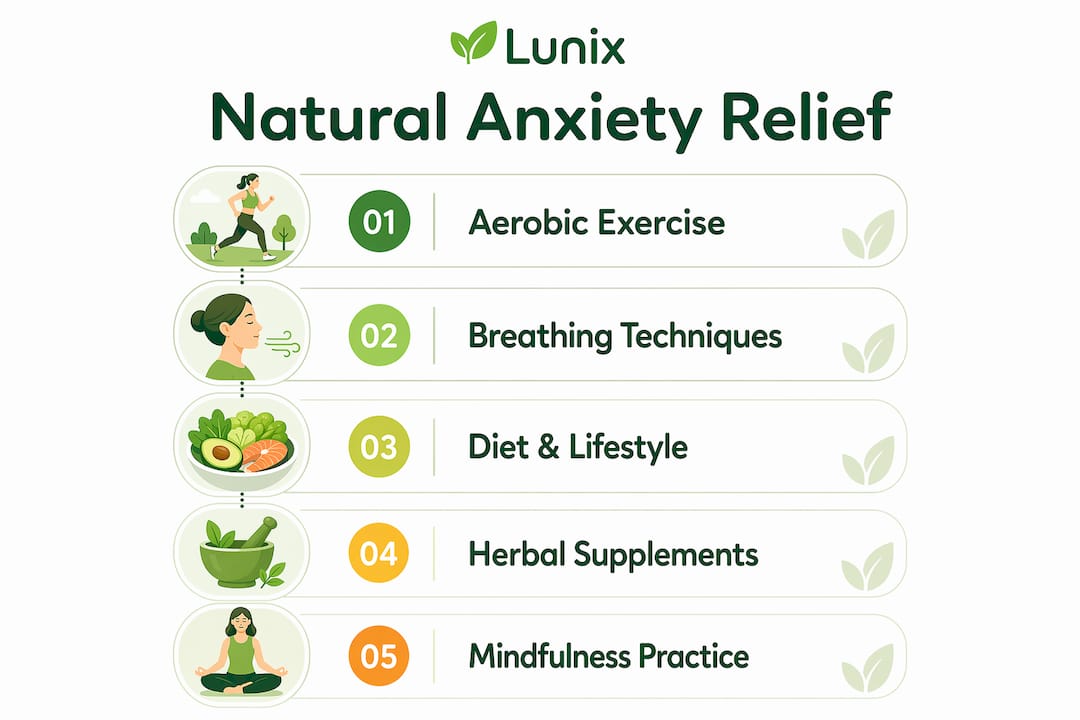
Natural anxiety reduction is the practice of calming the nervous system through lifestyle changes, breathwork, nutrition, and mindfulness rather than pharmaceutical intervention. The most studied approach is moderate aerobic exercise, followed closely by breathing techniques like the 4-7-8 method, dietary adjustments such as magnesium supplementation, and evidence-based mindfulness practices. Each of these methods works on a different part of your stress response, which is exactly why combining them produces the strongest results. You do not need to overhaul your entire life at once. Start with one method, build consistency, and the benefits compound over time.
How to reduce anxiety naturally with aerobic exercise
Moderate aerobic exercise for at least 150 minutes per week significantly reduces anxiety by promoting neuroplasticity and reducing amygdala reactivity. That means your brain literally becomes less reactive to perceived threats. The amygdala, the brain’s alarm center, calms down with regular cardio. Less amygdala reactivity translates directly to fewer anxiety spikes throughout your day.
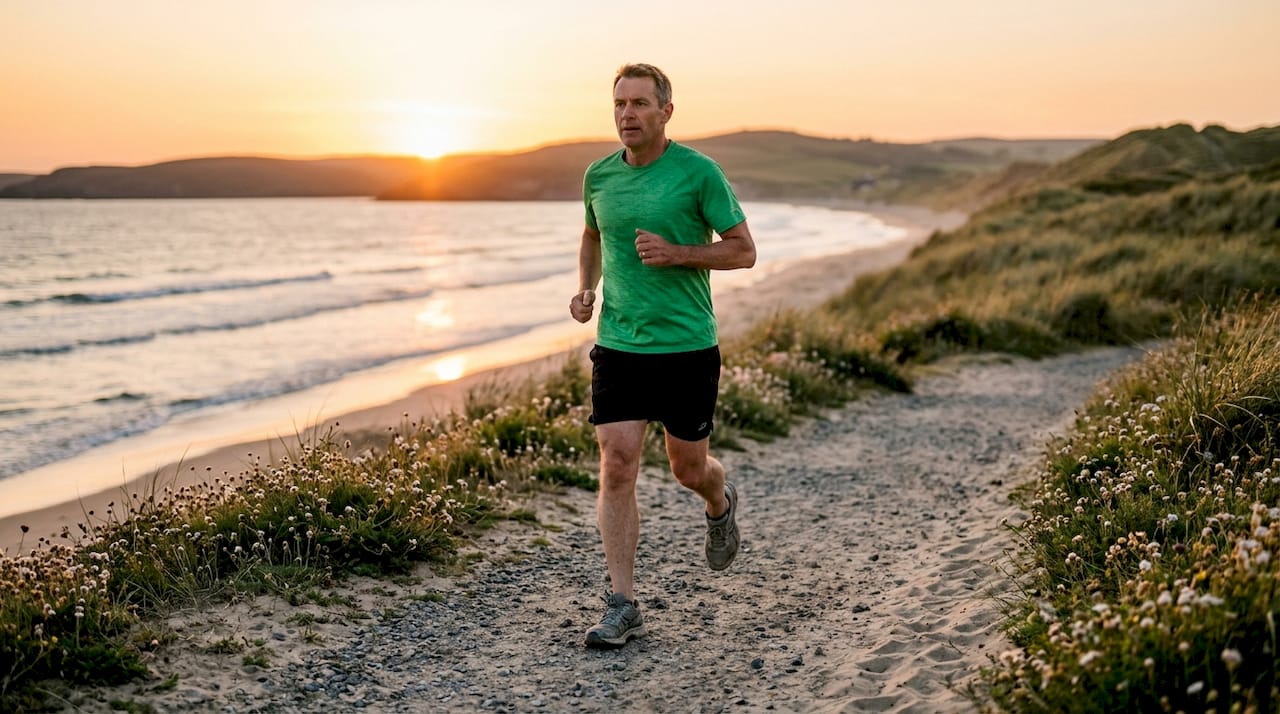
The neurological benefits go beyond mood. Regular aerobic movement improves sleep quality, boosts serotonin and dopamine production, and gives your body a healthy outlet for built-up cortisol. All three of those effects directly counter anxiety. Sleep deprivation alone worsens anxiety significantly, so exercise that improves sleep creates a positive cycle rather than a negative one.
You do not need to run marathons to get these benefits. Brisk walking, cycling, swimming, or dancing all qualify as moderate aerobic activity. The key is elevating your heart rate to a conversational pace, meaning you can still speak in short sentences but feel slightly breathless.
Here is how to build the habit without burning out:
- Start with 20 minutes three times per week and add five minutes every two weeks
- Choose an activity you genuinely enjoy, not one you think you should do
- Schedule workouts at the same time each day to build a behavioral anchor
- Track your mood for two weeks after starting so you can see the real difference
- Pair exercise with a podcast or playlist to make it something you look forward to
Pro Tip: Consistency beats intensity every time. Three moderate 30-minute walks per week will reduce anxiety more reliably than one exhausting 90-minute gym session followed by four days of rest.
What breathing techniques can quickly alleviate anxiety symptoms?
Breathwork regulates the autonomic nervous system by activating the parasympathetic branch, the part responsible for rest and recovery. When anxiety spikes, your sympathetic nervous system fires up and your breathing becomes shallow and fast. Deliberately slowing and deepening your breath sends a direct signal to your brain that the threat has passed. This is one of the fastest natural anxiety relief tools available because it works within minutes.
Two techniques stand out for their clinical backing and ease of use.
The 4-7-8 breathing technique
- Sit comfortably with your back straight
- Exhale completely through your mouth
- Close your mouth and inhale quietly through your nose for 4 seconds
- Hold your breath for 7 seconds
- Exhale completely through your mouth for 8 seconds
- Repeat the cycle three to four times
The extended exhale is the key mechanism. A longer exhale than inhale activates the vagus nerve, which directly slows heart rate and lowers cortisol.
Cyclic sighing
Cyclic sighing involves a double inhale through the nose followed by a long, slow exhale through the mouth. Five minutes of daily breathwork showed significant improvements in mood and anxiety in clinical observation. Cyclic sighing specifically deflates the air sacs in your lungs more completely than a normal breath, releasing more carbon dioxide and producing a rapid calming effect.
| Technique | Duration | Best used for |
|---|---|---|
| 4-7-8 breathing | 2–4 minutes | Acute anxiety spikes, pre-sleep |
| Cyclic sighing | 5 minutes | Daily stress reset, mood regulation |
| Box breathing | 4–8 minutes | Sustained focus, workplace stress |
For more detail on how these practices fit into a broader self-care routine, the role of breathing exercises in stress relief is worth reading.
Pro Tip: Set a phone reminder for 2:00 PM each day to do five minutes of cyclic sighing. Afternoon is when cortisol naturally dips and anxiety often spikes, making it the highest-impact time to practice.
Which dietary and lifestyle adjustments help reduce anxiety?
Caffeine is one of the most overlooked anxiety triggers. Caffeine blocks adenosine receptors and raises cortisol, directly activating the fight-or-flight response. That means your morning coffee may be setting the tone for an anxious afternoon. A practical starting point is a 30-day trial of reducing caffeine to one morning cup. Cutting caffeine to one cup often recalibrates the nervous system and breaks anxiety loops that feel impossible to escape.
Magnesium is the nutritional intervention with the strongest evidence. Magnesium supplementation at 200–400 mg daily over 4–8 weeks reduces anxiety symptoms by regulating NMDA glutamate receptors and supporting GABA function. GABA is your brain’s primary calming neurotransmitter. Low magnesium means less GABA activity, which means more anxiety. Magnesium glycinate and magnesium threonate are the most bioavailable forms for nervous system support.
Sleep and time management round out the lifestyle picture. Chronic sleep deprivation raises cortisol and shrinks your emotional resilience. Protecting seven to nine hours of sleep per night is not optional if you are serious about managing anxiety without medication.
Key lifestyle habits that support natural anxiety relief:
- Limit caffeine to one cup before noon and avoid it entirely after 12:00 PM
- Eat regular meals to prevent blood sugar crashes, which mimic anxiety symptoms
- Spend at least 20 minutes outdoors daily for light exposure and nervous system regulation
- Reduce alcohol, which disrupts sleep architecture and worsens next-day anxiety
- Build a consistent wind-down routine starting 60 minutes before bed
What herbal remedies and supplements are used for anxiety?
Several plant-based supplements show genuine clinical promise for anxiety relief. Passionflower extract showed anxiolytic effects comparable to benzodiazepines in a randomized double-blind study of 36 patients with generalized anxiety disorder. That is a meaningful finding. It suggests passionflower works through similar brain pathways as prescription anti-anxiety drugs, without the dependency risk associated with benzodiazepines.
Herbal supplements modulate monoaminergic and GABAergic pathways as well as the hypothalamic-pituitary-adrenal (HPA) axis. In plain terms, they influence the same neurotransmitter systems that prescription medications target. L-theanine, found naturally in green tea, is another well-studied option. Theanine supplements promote alpha brain wave activity, which produces a calm, alert state without sedation.
Safety is where the conversation gets serious. Herbal supplements carry significant risks including herb-drug interactions, excessive sedation, serotonin syndrome, and toxicity from adulterated products. These are not theoretical concerns. Cytochrome P450 interactions can alter how your body processes other medications, sometimes dangerously.
“The misinterpretation of ‘natural’ as ‘inherently safe’ can lead to serious toxicological risks including serotonin syndrome. Cautious, informed herbal supplement use requires healthcare consultation, not just label reading.” — MDPI Herbal Supplements Review
The Mayo Clinic notes that herbal remedies lack the rigorous safety and efficacy data of conventional treatments. That does not mean they are useless. It means you should use them with a healthcare provider’s guidance, especially if you take any other medications. For a deeper look at how aromatherapy fits into this picture, aromatherapy safety and benefits offers a grounded overview.
How does mindfulness help ease anxiety?
Mindfulness meditation reduces anxiety by lowering cortisol and improving how the brain processes stress signals. The practice trains your attention to stay in the present moment rather than spiraling into future-focused worry. That redirection is not passive. It physically changes how your prefrontal cortex communicates with your amygdala over time.
You do not need a meditation app or a dedicated studio. Effective mindfulness practices include:
- Body scan meditation: lie down and slowly direct attention from your feet to your head, noticing tension without judgment
- Guided visualization: picture a calm, safe place in vivid sensory detail for five to ten minutes
- Journaling: write three specific worries each morning and then three things you can control today
- Mindful walking: walk slowly and focus entirely on the sensation of each step and your breath
- Aromatherapy pairing: use lavender or bergamot essential oil during meditation to anchor the relaxation response
Consistency matters more than session length. Ten minutes of daily mindfulness practice produces more lasting results than one 60-minute session per week. For a structured approach to building this habit, mindfulness and meditation techniques provides practical frameworks you can start today.
Key Takeaways
Combining aerobic exercise, breathwork, dietary adjustments, and mindfulness produces stronger and more lasting anxiety relief than any single method alone.
| Point | Details |
|---|---|
| Exercise is the most studied method | 150 minutes per week of moderate aerobic activity reduces amygdala reactivity and improves mood. |
| Breathwork works within minutes | The 4-7-8 technique and cyclic sighing activate the parasympathetic nervous system for rapid calm. |
| Caffeine and magnesium matter | Cutting caffeine and supplementing magnesium glycinate directly recalibrates the nervous system. |
| Herbal supplements require caution | Passionflower shows clinical promise, but herb-drug interactions and adulteration are real risks. |
| Mindfulness changes the brain | Daily practice lowers cortisol and rewires how your brain responds to stress over time. |
What I have learned about natural anxiety relief
Most people approach anxiety relief like a vending machine. They pick one thing, expect a result in a week, and give up when it does not deliver. That is the wrong model entirely. Natural anxiety management is more like physical therapy. The gains are real, but they build incrementally and require you to show up consistently even when you do not feel like it.
The single highest-impact change I have seen people make is cutting caffeine. Not eliminating it entirely, just reducing it. People who drink four or five cups a day and switch to one before noon often report a noticeable shift in baseline anxiety within two weeks. They describe it as “the volume turning down.” That is the nervous system recalibrating, and it costs nothing.
My honest caution about herbal supplements: the marketing around them is far ahead of the science. Passionflower has genuine clinical backing, but most products on shelves are not standardized, and many people combine them with medications without realizing the interaction risk. “Natural” does not mean consequence-free. Talk to a healthcare provider before adding any supplement to your routine.
The multi-modal approach is not a compromise. It is the strategy. Exercise improves sleep. Better sleep makes mindfulness easier. Mindfulness reduces the urge to reach for caffeine. Each practice reinforces the others. Start with one, add another in two weeks, and give the whole system three months before you judge the results.
— Lunix
Lunixinc’s approach to supporting your well-being
Physical comfort and mental calm are deeply connected. When your body is tense, poorly supported, or chronically fatigued, anxiety has more room to take hold.

Lunixinc designs recovery and comfort products that help your body restore itself, so your mind has a better foundation to work from. Whether you are building a wind-down routine, creating a dedicated relaxation space, or looking for tools that support better sleep and recovery, Lunixinc’s wellness solutions are built to complement the natural methods covered in this article. Explore the full range at Lunixinc.com and find what fits your routine.
FAQ
What is the fastest natural way to calm anxiety?
The 4-7-8 breathing technique reduces acute anxiety symptoms within minutes by activating the parasympathetic nervous system. Inhale for 4 seconds, hold for 7, and exhale for 8 seconds, repeating three to four times.
How much exercise do you need to reduce anxiety naturally?
150 minutes per week of moderate aerobic activity is the evidence-based threshold for meaningful anxiety reduction. That breaks down to about 30 minutes five days per week of brisk walking, cycling, or swimming.
Is magnesium effective for anxiety relief?
Magnesium supplementation at 200–400 mg daily supports GABA function and reduces anxiety symptoms, particularly in people with low magnesium levels. Magnesium glycinate and magnesium threonate are the most effective forms for nervous system support.
Are herbal remedies safe to use for anxiety?
Herbal supplements like passionflower show clinical promise, but they carry real risks including herb-drug interactions and serotonin syndrome. Always consult a healthcare provider before starting any herbal supplement, especially if you take other medications.
How long does it take for natural anxiety relief methods to work?
Breathwork produces results within minutes, while exercise and mindfulness typically show meaningful improvements after two to four weeks of consistent practice. Dietary changes like reducing caffeine often produce noticeable effects within two weeks.