


TL;DR:
- Maintaining consistent physical activity, healthy eating, and restful sleep during midlife optimizes aging and reduces disease risks. Building social connections and practicing stress management are undervalued habits that significantly impact long-term health. Regular screenings and micro-habits support proactive, sustainable well-being that enhances vitality well past 60.
Choosing the right health habits in your 40s, 50s, and early 60s can feel overwhelming. There are endless options, conflicting advice, and real time constraints that make it hard to know where to begin. But here’s the reassuring truth: you don’t need a dramatic overhaul. Physical activity can preserve muscle, reduce disease risk, and support daily vitality, and the same principle applies across a handful of well-chosen daily habits. This guide cuts through the noise and walks you through seven practical, evidence-backed habits that genuinely move the needle on your health, relaxation, and quality of life.
Table of Contents
- 1. Move daily for strength and vitality
- 2. Eat a nutrient-dense diet for healthy aging
- 3. Prioritize restful sleep each night
- 4. Use mindful relaxation and stress reduction techniques
- 5. Build meaningful social connections
- 6. Stay hydrated and integrate micro-habits
- 7. Stay proactive with preventive screenings
- Comparison table: Well-being habits at a glance
- Our take: The habit that most people underestimate
- How Lunix supports your recovery and relaxation
- Frequently asked questions
Key Takeaways
| Point | Details |
|---|---|
| Stay active daily | Regular movement and strength training are key for preserving muscle and vitality. |
| Eat for longevity | A nutrient-dense diet rich in plants and protein supports long-term health. |
| Prioritize restful sleep | Consistent, quality sleep powers cognitive, heart, and emotional well-being. |
| Manage stress and connect | Relaxation routines and strong social ties boost resilience and happiness. |
| Prevention matters | Screenings and hydration are simple yet powerful habits for lifelong well-being. |
1. Move daily for strength and vitality
Physical movement is the cornerstone habit. Not the most exciting revelation, but the science behind it is hard to argue with. When you make movement a consistent part of your day, rather than something you squeeze in sporadically, the benefits compound quickly. Energy improves, mood lifts, and your body handles physical stress far better.
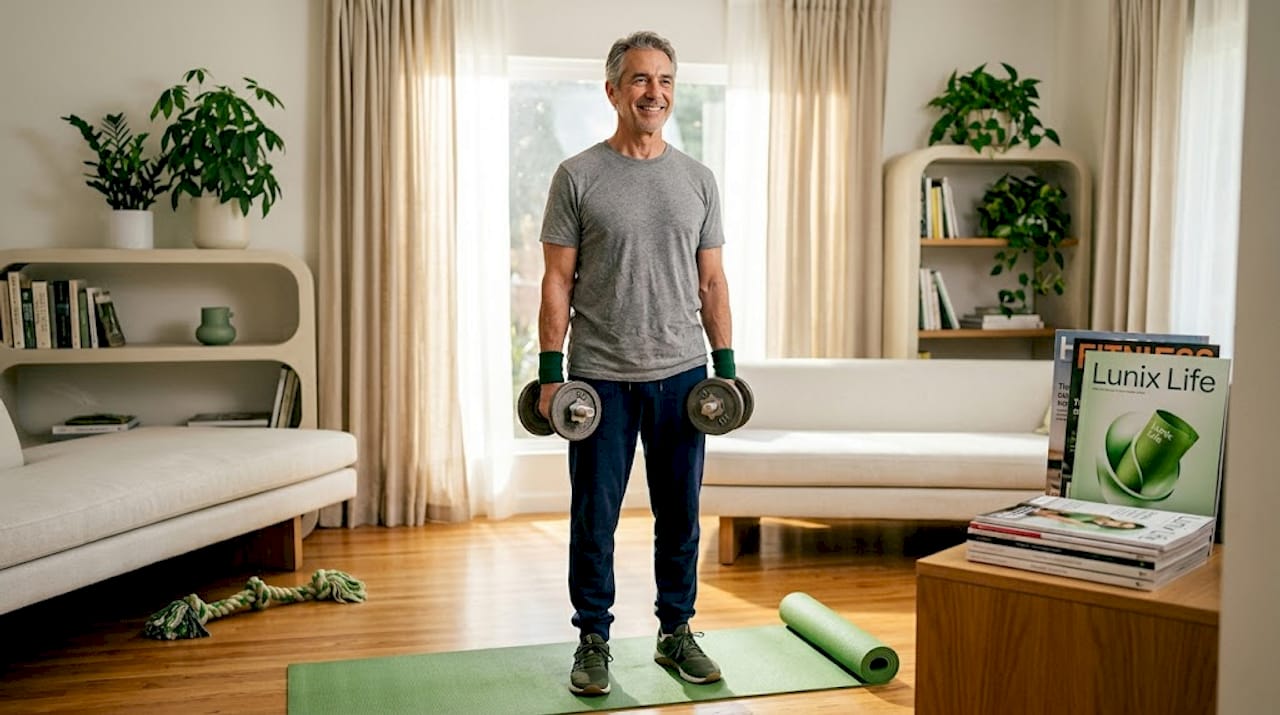
The target is straightforward: 150 minutes weekly of moderate aerobic activity plus muscle-strengthening exercises at least twice a week. That could mean five 30-minute brisk walks paired with two sessions of bodyweight exercises or light weight training.
After 40, the body naturally starts losing muscle mass at a rate of about 3 to 5 percent per decade, a process called sarcopenia. Resistance training is the most effective tool to slow this down. You don’t need a gym membership to get started. Simple routines using resistance bands, bodyweight squats, push-ups, and wall sits are effective at home and take less than 20 minutes.
If you’ve been inactive or have a chronic condition, check with your doctor before ramping up. Starting slow and building gradually is far better than an injury that sidelines you for weeks.
Here’s a simple framework for getting started:
- Walk briskly for 30 minutes on most days of the week.
- Add two short strength sessions weekly, even 15 to 20 minutes each.
- Incorporate mobility exercises for midlife to protect joints and maintain range of motion.
- Track your effort, not perfection. Missing one day is not a reason to quit.
- Explore wellness routines for midlife that combine stretching, breathing, and movement for a more complete approach.
Pro Tip: Consistency beats intensity every time. A 20-minute daily walk produces more long-term benefit than one intense weekend workout. Make movement non-negotiable, even on your busiest days.
2. Eat a nutrient-dense diet for healthy aging
After establishing a movement routine, what you fuel your body with is just as critical. Here’s how targeted nutrition supports long-term health.
Research from Harvard found that plant-based diet patterns are linked to 86% higher odds of healthy aging at 70 and beyond. The Alternative Healthy Eating Index (AHEI), which emphasizes vegetables, fruits, whole grains, legumes, and healthy fats, is one of the strongest predictors studied. This is not about being perfect at every meal. It’s about consistently tilting your plate in the right direction.
Key nutritional priorities for midlife adults:
- Increase protein intake. Aim for 1.0 to 1.2 grams per kilogram of body weight daily to support muscle maintenance.
- Load up on fiber. Whole grains, beans, and vegetables support gut health, heart health, and steady energy.
- Prioritize healthy fats. Olive oil, avocado, nuts, and fatty fish reduce inflammation and support brain health.
- Limit added sugars and sodium. Both raise the risk of cardiovascular disease and weight gain over time.
- Plan and prep meals. Having food ready reduces reliance on processed options when you’re tired.
| Nutrient focus | Best sources | Daily target |
|---|---|---|
| Lean protein | Chicken, fish, legumes, eggs | 1.0 to 1.2g per kg body weight |
| Fiber | Oats, lentils, leafy greens | 25 to 38g |
| Healthy fats | Olive oil, walnuts, salmon | 20 to 35% of total calories |
| Calcium | Dairy, fortified plant milk, kale | 1,000 to 1,200mg |
| Vitamin D | Fatty fish, fortified foods, sunlight | 600 to 800 IU |
For practical strategies on sustaining healthy eating habits consistently throughout the week, even when life gets hectic, meal prepping on Sundays or keeping frozen vegetables on hand are realistic, proven approaches.
Pro Tip: You don’t have to go entirely plant-based overnight. Start by replacing one processed meal daily with a whole food alternative. Small swaps build into lasting dietary change. Check out these well-being improvement tips for more nutrition guidance designed for adults your age.
3. Prioritize restful sleep each night
Eating well naturally impacts energy, but your recovery relies on one powerful habit: restorative sleep.
Quality sleep of 7 to 9 hours nightly is directly linked to lower risk of cognitive decline, cardiovascular disease, and mood disorders. Yet many adults in midlife report shorter sleep windows, more frequent waking, or reduced deep sleep. This is partly biological, but also heavily influenced by habits you can actually control.
“Sleep is not a passive activity. It’s the time your brain clears waste products, your muscles repair, and your immune system resets. Treating it as optional is one of the most expensive health mistakes you can make.”
Practical steps to improve sleep quality:
- Go to bed and wake up at the same time every day, including weekends.
- Get 10 to 15 minutes of morning sunlight to regulate your circadian rhythm.
- Avoid screens (phones, tablets, and televisions) at least 60 minutes before bed.
- Limit alcohol in the evening. Even moderate drinking fragments sleep cycles.
- Try a brief gratitude journal or mindfulness practice before bed to quiet a busy mind.
The bedroom environment matters too. A cool room (around 65 to 68°F), complete darkness, and a supportive sleep setup contribute meaningfully to sleep quality. These are not luxuries. They are conditions your body relies on for full recovery. Explore physical recovery tips that complement better sleep with additional restoration strategies.
4. Use mindful relaxation and stress reduction techniques
With your body fueled and rested, learning to consistently relax your mind brings it all together.
Chronic stress is one of the quietest contributors to accelerated aging. It raises cortisol, disrupts sleep, fuels inflammation, and over time increases risk for heart disease, anxiety, and cognitive decline. The good news is that you don’t need hours of meditation practice to make a real difference.
Mindfulness and mind-body practices like Tai Chi can reduce anxiety and improve sleep in adults by improving emotional regulation. Even 10 minutes a day of focused breathing or guided meditation produces measurable results over weeks.
“Your nervous system responds to what you repeatedly practice. Practice stress, and it gets better at it. Practice calm, and the same thing happens.”
Actionable relaxation strategies worth trying:
- Diaphragmatic breathing. Inhale for 4 counts, hold for 4, exhale for 6. Do this for 5 minutes when tension spikes.
- Nature walks. Time outdoors, even 20 minutes, lowers cortisol and improves mood and focus.
- Progressive muscle relaxation. Tense and release each muscle group systematically before sleep.
- Tai Chi or gentle yoga. Both combine movement with breath control and have solid research behind them for midlife adults.
- Digital detox windows. Schedule phone-free hours in the morning or evening to reduce low-grade stress.
For a step-by-step approach to building these into your week, the stress management guide from Lunix is a practical starting point. You can also find targeted stress management tips for maintaining calm during high-demand periods. Pair these practices with self-care strategies that fit even the busiest schedules.
Pro Tip: Pair a brief relaxation routine with something you already do every night, such as making tea or brushing your teeth. Attaching new habits to existing ones dramatically improves follow-through.
5. Build meaningful social connections
Beyond the habits you practice solo, one of the most influential but often overlooked factors in long-term health is your social network.
Strong social ties reduce risk of high blood pressure, depression, and cognitive decline, while volunteering and community engagement add a sense of purpose that measurably supports longevity. Loneliness, by contrast, carries health risks comparable to smoking 15 cigarettes a day. This is not a soft statistic. It reflects real physiological effects on the body’s stress and immune systems.
Ways to strengthen your social connections:
- Schedule regular calls or video chats with close friends or family, even brief ones.
- Join a local walking group, book club, or fitness class to combine movement with community.
- Volunteer with a cause that matters to you. Purpose-driven connection is particularly powerful.
- Reconnect with old friends through a short, genuine message. It takes two minutes and the impact can last.
- Participate in neighborhood or community events to build casual but consistent social contact.
| Social habit | Time required | Emotional payoff | Accessibility |
|---|---|---|---|
| Weekly phone call with a friend | 20 to 30 minutes | High | Very easy |
| Joining a group or class | 1 to 2 hours weekly | Very high | Moderate |
| Volunteering regularly | 2 to 4 hours weekly | Very high | Moderate |
| Shared hobby with a partner | Variable | High | Easy |
| Neighborhood social events | Variable | Moderate | Easy |
Social connection is not just about fun. It’s a genuine health habit, and it deserves space on your weekly calendar alongside exercise and nutrition.
6. Stay hydrated and integrate micro-habits
Even small, overlooked habits like hydration and phone-free evenings can create outsized gains. Here’s how to add them without overwhelm.
Simple micro-habits like drinking water throughout the day, taking brief vigorous movement breaks, and keeping phones out of the bedroom benefit both fitness and sleep quality. Dehydration is more common in adults over 40 because the body’s thirst signals become less reliable with age. By the time you feel thirsty, you may already be mildly dehydrated, affecting your energy, concentration, and even joint comfort.
Practical micro-habits to layer into your day:
- Start each morning with a full glass of water before coffee or tea.
- Keep a reusable water bottle visible at your desk or workspace.
- Take a 2-minute stair climb or brisk walk break every 90 minutes during sedentary work.
- Keep your phone in another room at bedtime to reduce stimulation and improve sleep onset.
- Replace one sugary drink daily with water, sparkling water, or herbal tea.
These feel small, but their compounding effect over months is significant. For creative ideas on staying hydrated year-round, check out these hydration hacks that make it easier and more enjoyable. More self-care foundations that support healthy aging can be found in these self-care tips.
Pro Tip: Stack new micro-habits onto existing routines. For example, drink a glass of water right after you brush your teeth every morning. No extra reminders needed.
7. Stay proactive with preventive screenings
Finally, healthy habits are most powerful when paired with basic preventive care, ensuring that small issues never become big problems.
Regular blood pressure, cholesterol, and glucose checks in midlife catch risks early, when they are far easier to address through lifestyle changes or simple interventions. Many adults go years without knowing their blood pressure is elevated because it causes no symptoms until a serious event occurs. An annual physical takes under an hour and can identify patterns before they escalate.
Key screenings to schedule:
- Blood pressure check at every annual visit, or more frequently if elevated.
- Cholesterol panel (lipid profile) every 4 to 6 years starting at 40, or annually if you have risk factors.
- Fasting blood glucose or HbA1c to screen for prediabetes and type 2 diabetes.
- Colorectal cancer screening starting at 45 for most adults.
- Bone density scan (DEXA) especially recommended for women around and after menopause.
Women in particular should be vigilant about blood pressure after menopause, as the protective hormonal effects that supported cardiovascular health diminish significantly. Always talk to your provider before making major changes to diet, exercise, or supplementation routines, especially if you have existing conditions.
Comparison table: Well-being habits at a glance
After covering all the core habits in detail, a head-to-head comparison makes it easy to see where to start.
| Habit | Time per week | Initial barrier | Impact rating | Cost |
|---|---|---|---|---|
| Daily movement | 150 min+ | Low | Very high | Free to low |
| Nutrient-dense diet | Ongoing | Moderate | Very high | Low to moderate |
| Restful sleep | Daily | Low to moderate | Very high | Free |
| Mindful relaxation | 30 to 60 min | Low | High | Free |
| Social connections | 1 to 3 hours | Moderate | High | Free |
| Hydration and micro-habits | Daily | Very low | Moderate to high | Free |
| Preventive screenings | 1 to 2 hours yearly | Moderate | Very high | Insurance/copay |
Our take: The habit that most people underestimate
Most health content focuses on the big three: exercise, diet, and sleep. Those are important, and you’ve seen the evidence for each above. But after years of observing what actually moves the needle for midlife adults, we’d argue that social connection is the most consistently underestimated habit on this list.
It doesn’t get the same marketing attention as fitness apps or supplements. It doesn’t come with a measurable metric like steps or calories. But the research is just as compelling. Isolation is physiologically damaging. It raises inflammation, disrupts sleep, and shortens life expectancy in ways that parallel the risks of obesity or smoking.
Here’s what conventional advice gets wrong: it frames social connection as a reward for when you have time, rather than a health habit you protect with the same discipline as a workout. If you wouldn’t skip exercise three weeks in a row, you shouldn’t go that long without meaningful contact with people you care about.
The comfort and healthy aging conversation needs to include emotional comfort, not just physical. Feeling connected, seen, and valued is not a luxury. It’s a biological need that shapes how your body ages. Prioritize it accordingly.
How Lunix supports your recovery and relaxation
The habits in this guide work best when your environment supports them. At Lunix, we design products that make rest, recovery, and daily relaxation easier and more effective.

Whether you’re looking to improve your sleep setup, create a dedicated relaxation corner, or support muscle recovery after exercise, Lunix offers smart comfort solutions built around your body’s real needs. Our products are designed specifically for adults who take their well-being seriously and want tools that actually perform. Visit Lunix to explore how our recovery and comfort solutions can help your body restore, relax, and feel its best every single day.
Frequently asked questions
What is the single most important well-being habit for adults 40-65?
Physical activity preserves muscle and reduces disease risk more consistently than any other single habit, making it the most evidence-backed priority for midlife adults.
How can I make new habits stick if I struggle with consistency?
Start with small changes and attach them to routines you already have. Micro-habits improve fitness and sleep when layered onto existing daily behaviors, making them easier to maintain long-term.
Is hydration really that important for well-being in midlife?
Yes, because thirst signals weaken with age. Drinking fluids daily supports energy, metabolism, joint health, and cognitive clarity, all of which decline faster when you’re even mildly dehydrated.
Should adults in their 40s worry about preventive screenings?
Absolutely. Regular blood pressure and cholesterol checks can catch silent cardiovascular risk factors years before symptoms appear, giving you the best chance to address them early through lifestyle or treatment.
Recommended
- Top well-being improvement tips for adults 40-65 – Lunix
- Kids’ Wellness: 10 Nurturing Healthy Habits for a Lifetime of Well-bei – Lunix
- Benefits of self-care: practical tips for adults 40-65 – Lunix
- Step-by-step stress management guide for adults 40-65 – Lunix
- How to stay alert without caffeine: 5 proven strategies – IQ Pouch
- Build Self-Awareness: Practical Steps for Personal Growth