


Self-care is not a luxury. It is the foundation that keeps your mental, emotional, and physical health from quietly unraveling under the weight of daily demands. When you prioritize self-care, you are making a deliberate choice to protect your energy, your mood, and your long-term health. The research backs this up clearly, and the benefits extend far beyond feeling good in the moment.
Here is why self-care deserves a permanent spot in your daily life:
- It reduces stress and lowers your risk of chronic illness
- It improves mood, focus, and emotional resilience
- It protects your relationships by keeping you grounded and present
- It builds the physical stamina you need to show up fully for others
- It prevents burnout before it takes hold
What self-care actually means and what it includes
Self-care is not just bubble baths and spa days, though those count too. At its core, self-care refers to any intentional action you take to support your own well-being across multiple dimensions of health. According to the World Health Organization, self-care is the ability of individuals, families, and communities to promote and maintain their own health, prevent disease, and cope with illness, with or without the support of a health worker.
That definition is broader than most people expect. The Substance Abuse and Mental Health Services Administration (SAMHSA) identifies eight dimensions of wellness, including emotional, physical, social, intellectual, occupational, financial, environmental, and spiritual health. Genuine self-care touches all of them, not just the ones that feel easiest.
Common self-care practices include:
- Physical: regular movement, quality sleep, nutritious eating, and physical recovery
- Mental: setting boundaries, limiting news consumption, and practicing mindfulness
- Emotional: journaling, therapy, and honest conversations with people you trust
- Social: nurturing friendships and spending time with community
- Spiritual: meditation, time in nature, or any practice that connects you to something larger than daily routine
Dr. Roseina Britton, a licensed counselor and clinical faculty member at Southern New Hampshire University, describes self-care as a multidimensional, personalized process that must fit your individual time and energy constraints to actually work. What restores one person may drain another.
Pro Tip: Schedule self-care the same way you schedule a meeting. Block 20–30 minutes on your calendar each day and treat it as non-negotiable. Consistency in small habits outperforms occasional intense efforts every time.
Why self-care is important for your overall health
Skipping self-care does not just leave you feeling tired. It sets off a chain reaction that affects your body, your brain, and your relationships. Chronic stress raises blood pressure, and loneliness has been linked to premature death. These are not abstract risks; they are measurable outcomes of a life where self-care gets pushed to the bottom of the list.

Dr. Erin K. Engle, a psychologist at NewYork-Presbyterian, frames self-care as self-preservation, a necessary practice to combat the burnout that modern culture actively produces. Setting boundaries, she argues, is not optional for people who want to stay healthy and effective.
The mind and body are inextricably linked. Thoughts and emotions shape physical health in ways that are well-documented: depression lowers pain tolerance, anxiety disrupts sleep, and unmanaged stress accelerates disease. Self-care that addresses both dimensions simultaneously produces the strongest results. Treating your body well without tending to your emotional state, or vice versa, leaves half the equation unsolved.
Benefits of prioritizing self-care across mental, emotional, and physical health
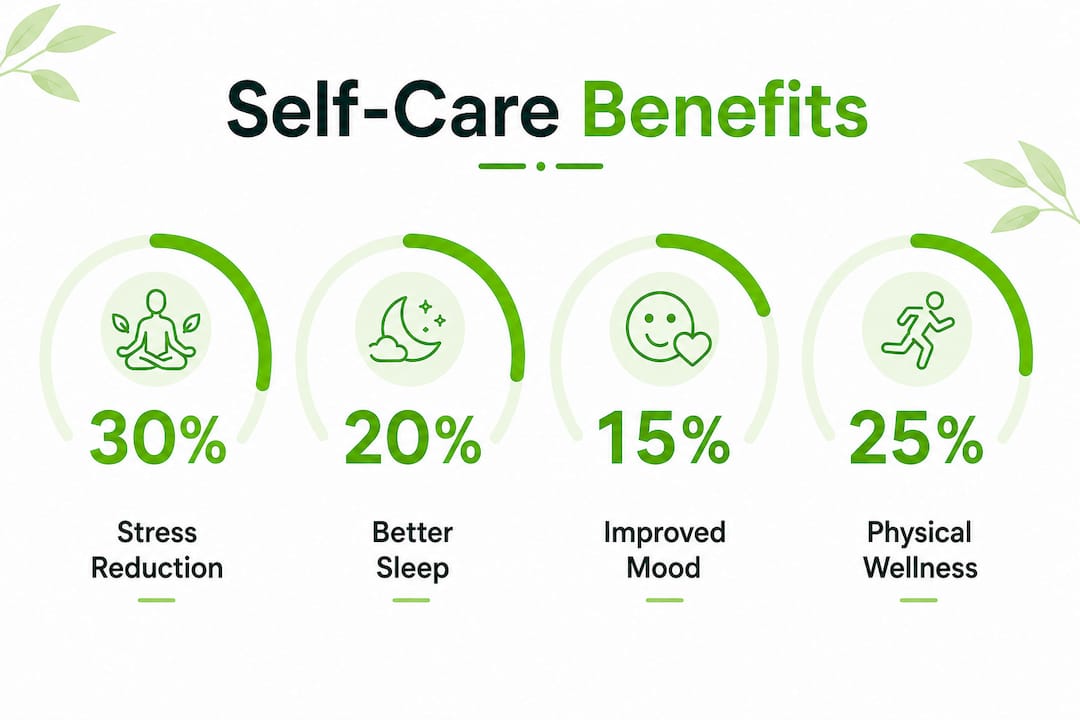
The benefits of self-care are not vague or anecdotal. They show up across every dimension of health in ways that are measurable and lasting.
| Health dimension | Key benefit | What it looks like in practice |
|---|---|---|
| Mental health | Reduced anxiety and depression | Clearer thinking, fewer intrusive thoughts, better focus |
| Emotional health | Greater resilience and happiness | Bouncing back faster from setbacks, feeling more stable |
| Physical health | Lower chronic disease risk | Healthier blood pressure, stronger immune response |
| Social health | Improved relationships | More patience, better communication, deeper connections |
| Overall well-being | Reduced burnout risk | Sustained energy and motivation over the long term |
Self-care reduces anxiety and depression, improves resilience and happiness, and lowers burnout risk. Its effects also radiate outward. When you are grounded in your own well-being, you show up differently for the people around you.
Additional benefits worth noting:
- Better sleep quality and more consistent energy throughout the day
- Stronger immune function from reduced chronic stress
- Improved self-awareness and emotional regulation
- Greater sense of purpose and life satisfaction
- More capacity to support others without depleting yourself
That last point is where the stakes get personal. Think of the airplane oxygen mask analogy: you cannot help anyone else if you have already passed out. Self-care is what keeps you functional, present, and genuinely useful to the people who depend on you.
Practical strategies to make self-care a real part of your life
Knowing self-care matters and actually doing it are two different things. The most common barriers are time, guilt, and not knowing where to start. All three are workable.
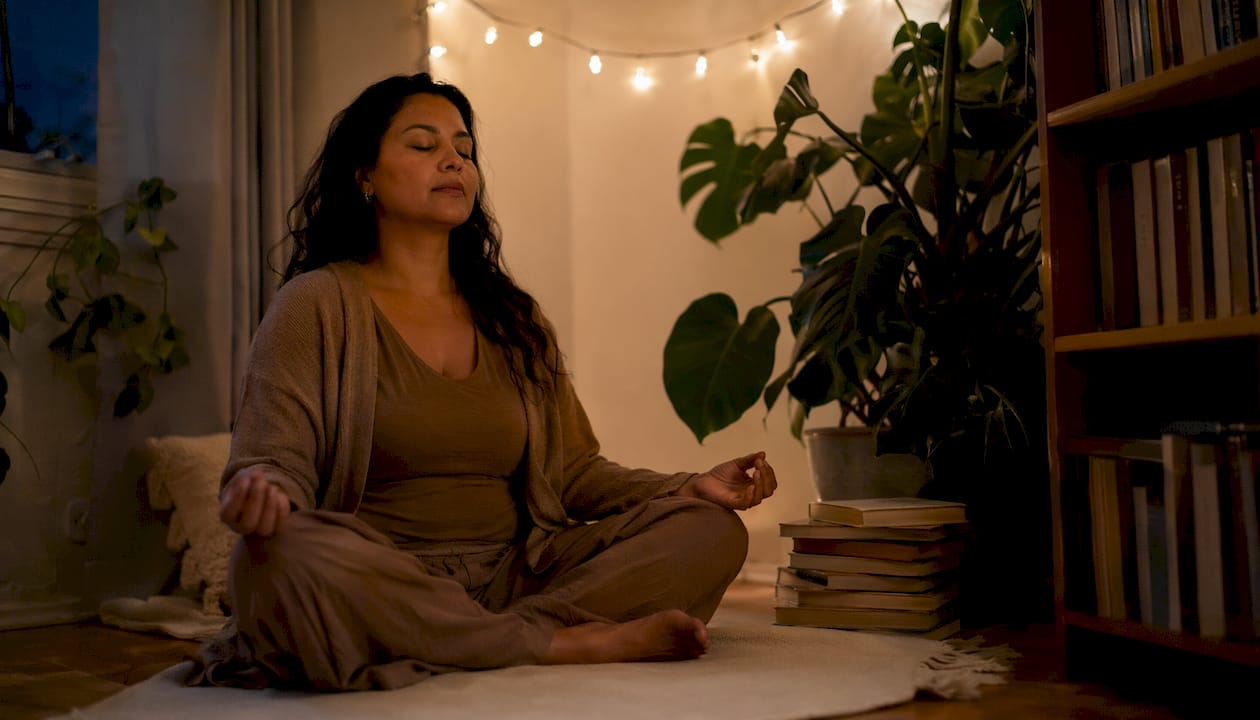
The National Institute of Mental Health recommends just 30 minutes of walking daily, even broken into shorter intervals, to boost mood and manage stress. That is a low barrier. You do not need a gym membership or a free afternoon. You need a sidewalk and a consistent habit.
Practical self-care strategies that fit real life:
- Start small. A five-minute breathing exercise counts. A ten-minute walk counts. Momentum builds from small wins.
- Set one boundary this week. Say no to one commitment that drains you without giving back.
- Protect your sleep. A consistent bedtime and a screen-free wind-down routine make a measurable difference in mood and energy.
- Move your body daily. It does not have to be intense. Walking, stretching, or a short yoga session all qualify.
- Limit stress triggers. Reduce news consumption, mute draining conversations, and create quiet time in your day.
- Use physical recovery tools. Products designed for muscle recovery and comfort can make rest more restorative, especially after physically demanding days.
Guilt is one of the biggest obstacles. Misunderstanding self-care as indulgence keeps many people from practicing it consistently. Reframe it: self-care is scheduled self-preservation, not selfishness. It is what allows you to meet your responsibilities without running on empty.
Pro Tip: Customize your self-care to your actual life. If you have 10 minutes in the morning and 15 at night, build around those windows. A personalized wellness routine that fits your schedule will always outperform an ideal one you never follow.
For people managing busy schedules, self-care strategies for busy people can help you find practical entry points without overhauling your entire day. And if preventive mental health care is something you want to explore further, there are structured approaches that complement daily self-care habits.
What research tells us about self-care and longevity
The science on self-care is not soft. A Harvard longitudinal study found that practicing five healthy lifestyle habits from age 50 onward extended life expectancy by more than a decade. Women who adopted all five lived to 93 on average, compared to 79 for those who adopted none. Men who practiced all five lived to nearly 88, compared to 75 for those who did not.
The WHO also reports that 4.6 billion people worldwide) lack access to essential health services, with 2.1 billion facing financial hardship from out-of-pocket health expenses. For much of the world, self-care is not a wellness trend. It is a primary health strategy.
Key research findings that reinforce the case for daily self-care:
- Five lifestyle habits practiced consistently from midlife can add more than 10 years to your life expectancy
- Daily walking, even in short intervals, measurably improves mood and reduces illness risk
- Chronic stress directly raises blood pressure and accelerates disease progression
- Intentional self-care routines build resilience and improve relationships, with benefits extending to your broader social environment
- Consistency in small habits produces stronger outcomes than occasional intense efforts
The pattern across all of this research is the same. You do not need dramatic changes. You need sustainable self-care practices that you can actually maintain, built into the rhythm of your real life. That is where the lasting gains come from.
Managing workplace stress is one area where self-care strategies make a particularly direct difference, especially for people whose daily demands leave little room for recovery.
Key Takeaways
Prioritizing self-care consistently, through small daily habits, produces measurable improvements in mental, physical, and emotional health that compound over time.
| Point | Details |
|---|---|
| Self-care is multidimensional | It covers mental, emotional, physical, social, and spiritual health, not just one area. |
| Consistency beats intensity | Small daily habits outperform occasional intense efforts, according to research on self-care effectiveness. |
| Longevity benefits are real | Harvard research found five healthy habits practiced from age 50 can extend life expectancy by over 10 years. |
| Guilt is a barrier worth addressing | Reframing self-care as self-preservation, not indulgence, removes one of the most common obstacles to practicing it. |
| Personalization drives results | Self-care routines tailored to your schedule and energy constraints are far more sustainable than generic plans. |