


Healthy aging means developing and maintaining the functional ability that lets you live the life you value, regardless of your chronological age. You don’t need to be free of disease to age well. According to the CDC, healthy aging is a lifelong process of maintaining physical, mental, and social health that starts at any age. The five highest-impact behaviors to begin today are:
- Move more: aim for a moderate amount of physical activity each week, as recommended by health authorities
- Eat for function: prioritize whole foods, adequate protein, and calcium-rich choices
- Protect your sleep: target sufficient sleep each night with a consistent wake time
- Stay connected: maintain regular, meaningful social contact
- Get screened: stay current with age-appropriate preventive care and immunizations
Research consistently shows that these five behaviors, taken together, produce the biggest and most reliable gains in both how long and how well you live. Harvard Health identifies them as the five pillars of longevity, noting that movement alone improves cardiovascular, metabolic, musculoskeletal, and cognitive systems simultaneously.
Key Takeaways
Healthy aging is a lifelong process of maintaining functional ability through movement, nutrition, sleep, social connection, and preventive care, and the habits you build now compound into your healthspan for decades.
| Point | Details |
|---|---|
| Start with the five pillars | Movement, nutrition, sleep, stress management, and social connection produce the most reliable gains. |
| Hit the movement target | Aim for 150 minutes of moderate activity weekly plus resistance training twice per week. |
| Sleep consistency matters | Target 7–9 hours and hold a steady wake time, even on weekends. |
| Fix your weakest pillar first | Improving your lowest-performing area produces the fastest, most noticeable results. |
| Lunixinc supports recovery | Recovery tools like percussion massagers and orthopedic pillows help you stay consistent with healthy-aging habits at home. |
Table of Contents
- What does “healthy aging” actually mean?
- Why healthy aging matters more than you might think
- What factors shape how you age?
- The evidence-based pillars of healthy aging and specific targets
- A practical month-long plan to start aging well
- How your home environment supports healthy aging
- Common myths about aging that hold people back
- Lunix’s perspective on recovery and healthy aging
- Recovery tools that support your healthy-aging habits
- Sources
What does “healthy aging” actually mean?
The phrase gets used loosely, so it helps to know what experts actually mean. The World Health Organization defines healthy aging as developing and maintaining functional ability, which is the combination of capacities that allows you to be and do what you value. Critically, this is not the same as the absence of disease.
Functional ability rests on two interacting pillars:
- Intrinsic capacity: your physical and cognitive reserves, including strength, mobility, sensory function, and mental sharpness
- The environment: built spaces (stairs, lighting, walkability), social networks, healthcare access, and policy structures that either support or limit what your intrinsic capacity can achieve
A systematic review of healthy aging models confirms that the most credible definitions are multi-dimensional, combining low disease burden, high cognitive and physical function, and active engagement in life. The WHO’s broader aging framework adds that environments, including social policy and services, shape functional ability just as much as individual biology does.
Healthspan vs. lifespan: Lifespan is how long you live. Healthspan is how many of those years you spend functioning well. Healthy aging is fundamentally about extending healthspan, not just adding years.
Why healthy aging matters more than you might think
Independence is the practical payoff. When functional ability stays high, you can manage daily tasks, maintain relationships, and make your own decisions well into later life. When it erodes, the cascade of consequences touches not just you but your family and community.
The NIA notes that regular activity and healthy eating protect against chronic disease and may preserve cognitive function, meaning the habits you build now directly influence your resilience decades from now. Small changes genuinely compound.
Key benefits of maintaining functional ability include:
- Lower risk of falls, fractures, and hospitalizations
- Better day-to-day mood and energy
- Reduced need for long-term care
- Sharper cognitive function and slower memory decline
- Greater sense of purpose and social participation
Pro Tip: Identify your weakest pillar, whether that’s sleep, movement, nutrition, or social connection, and focus there first this month. Improving your lowest-performing area typically produces the fastest, most noticeable gains.
What factors shape how you age?
Some determinants are fixed; most are not. Understanding the difference helps you focus energy where it counts.
- Genetics and biology: your inherited disease risk and baseline intrinsic capacity set a starting point, but they are not a ceiling
- Lifestyle behaviors: physical activity, diet quality, sleep consistency, smoking, and alcohol use are the most modifiable levers available to you
- Chronic disease management: conditions like hypertension, diabetes, and arthritis directly compress intrinsic capacity; managing them well slows that compression
- Housing and built environment: stairs without handrails, poor lighting, and car-dependent neighborhoods raise fall risk and reduce incidental movement
- Social determinants: income, education, and access to healthcare shape which options are realistically available to you
- Social connection: isolation is a physiological stressor, not just an emotional one
The interaction between these factors matters as much as any single one. Consider mobility and home design: someone with mild balance issues living in a home with steep stairs and no grab bars faces a fall risk that neither factor creates alone. Mayo Clinic documents how cardiovascular, musculoskeletal, and sensory systems change with age, and how targeted interventions can slow or partially reverse those changes.
The evidence-based pillars of healthy aging and specific targets
Movement
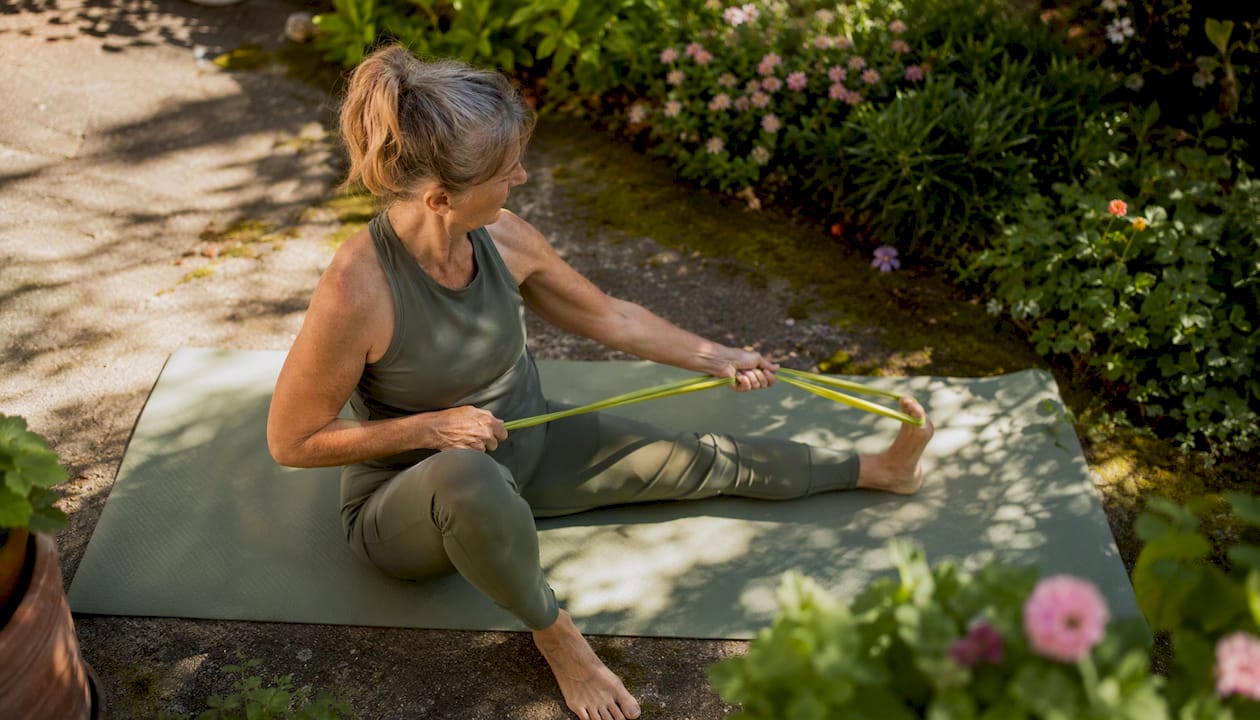
U.S.-aligned guidance recommends at least a recommended amount of moderate aerobic activity per week, or 75 minutes of vigorous activity. Add regular resistance training sessions each week to preserve muscle mass and bone density. Harvard Health also highlights breaking up long sitting periods with 2–3 minute activity bursts, which measurably improve glucose and blood-pressure responses even on otherwise sedentary days. For joint-specific mobility work, keeping joints flexible and strong is a practical complement to aerobic training.
Nutrition
Caloric needs tend to decrease with age, but nutrient needs stay high or increase. Prioritize whole-food patterns with adequate protein at each meal to maintain muscle. Calcium targets rise with age: 1,000 mg/day for most adults, increasing to 1,200 mg/day for women over 51 and men over 71, per New York State public-health guidance. MedlinePlus reinforces that diet quality and preventive care work together as a system, not as separate boxes to check.
Sleep
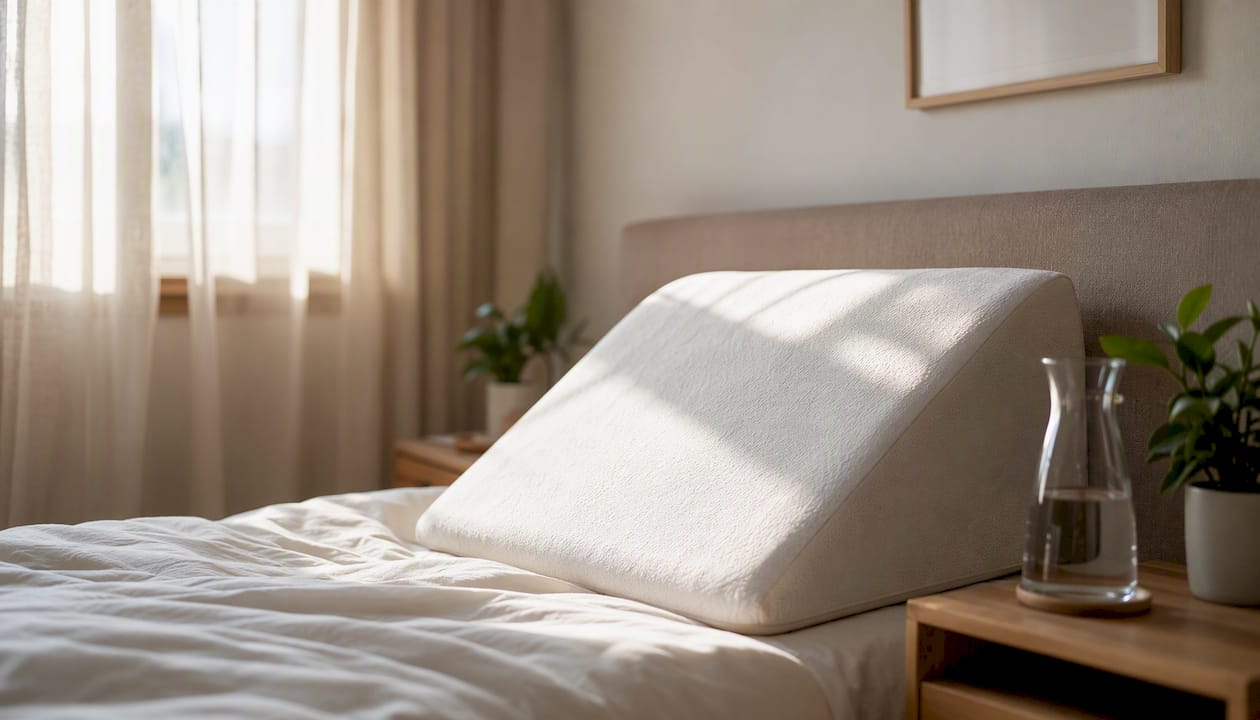
Target recommended duration of sufficient nightly sleep. Consistency in your wake time often matters more than the total hours, since a stable sleep-wake rhythm anchors your body’s recovery processes. Irregular schedules disrupt hormonal regulation and cognitive restoration even when total sleep time looks adequate.
Stress management
Physical and social interventions tend to be more reliable for stress regulation than app-based approaches alone. Regular exercise, daylight exposure, and recurring social contact each reduce physiological stress markers. For practical mental-health strategies aligned with this, mental health tips for adults 40–65 offers a grounded starting point.
Social connection
Isolation raises mortality risk at a level comparable to smoking. Simple, recurring habits rebuild connection: a weekly call with a friend, a regular group class, or volunteering. The key is consistency, not intensity.
Preventive care
Routine screenings catch problems before they become crises. Stay current with blood pressure checks, cholesterol panels, blood glucose testing, cancer screenings appropriate for your age and sex, and annual immunizations including flu and updated COVID-19 vaccines. Your primary care provider can map a personalized screening schedule to your age, sex, and family history.
A practical month-long plan to start aging well
Use this four-week progression to build habits without overwhelming yourself.
- Week 1: Walk 20–30 minutes on five days. Set a consistent wake time and hold it through the weekend. Add one extra serving of vegetables daily.
- Week 2: Add one resistance session (bodyweight squats, wall push-ups, resistance bands). Call or meet one friend. Schedule any overdue preventive screenings.
- Week 3: Reach 150 minutes of movement for the week. Audit your calcium intake and adjust if needed. Add a second resistance session.
- Week 4: Introduce a 2–3 minute movement break every 60–90 minutes of sitting. Review your sleep consistency. Confirm screening appointments are booked.
Weekly template at a glance:
| Day type | Activity target | Nutrition focus | Social/recovery |
|---|---|---|---|
| Weekday | 30 min moderate movement | Protein at every meal | 5-min check-in with someone |
| Resistance day (2x/week) | Strength training 20–30 min | Calcium-rich food at one meal | Wind-down routine before bed |
| Weekend | Active leisure (walk, swim, garden) | Whole-food meal prep | Longer social contact |
For a fuller checklist you can use as a daily reference, the wellness habits checklist from Lunixinc covers the key behaviors in one place.
How your home environment supports healthy aging
Your home is either working for your health or quietly working against it. A few targeted changes make a real difference.
- Lighting: bright, even lighting in hallways, stairs, and bathrooms reduces fall risk significantly
- Trip hazards: remove loose rugs, secure cords, and clear pathways between frequently used rooms
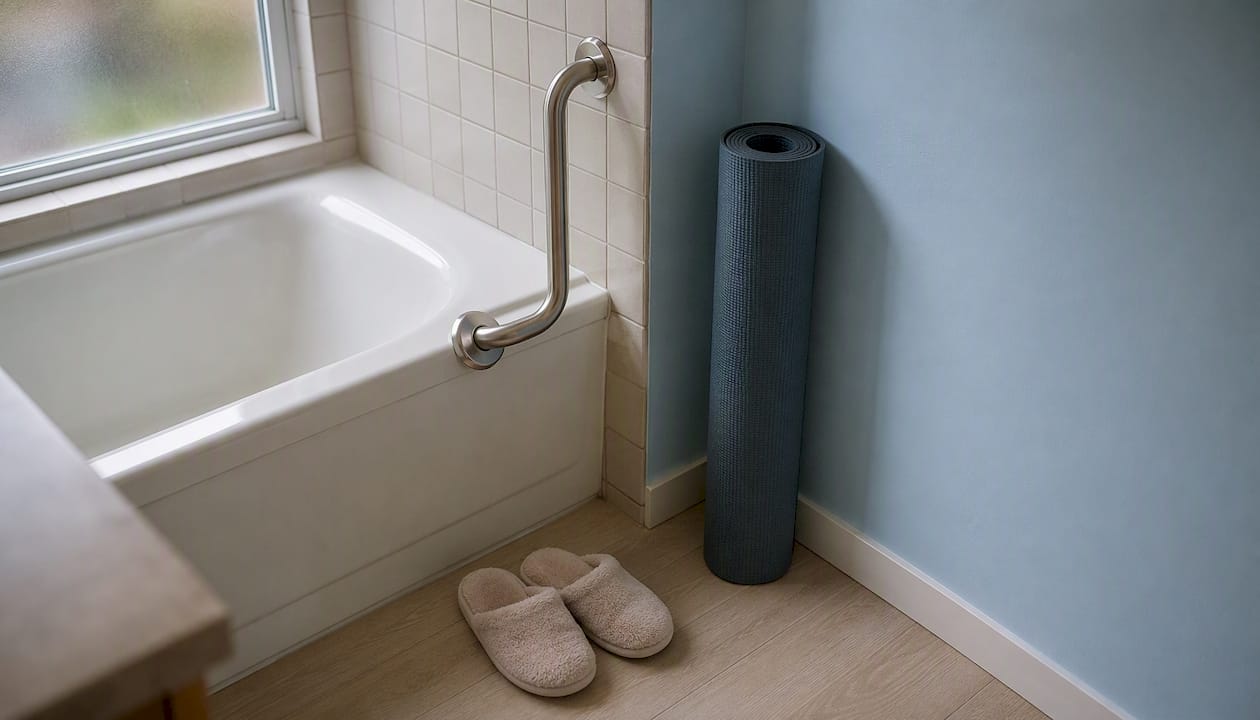
- Bathroom safety: grab bars near the toilet and in the shower are among the highest-yield, lowest-cost modifications available
- Stair access: if stairs are unavoidable, a sturdy handrail on both sides is non-negotiable
Recovery tools extend what your activity plan can achieve. Percussion massagers support muscle recovery after resistance sessions. Orthopedic wedge pillows reduce joint strain during sleep and rest. Heated air compression hand massagers and red light therapy devices for hands and joints can support circulation and comfort, particularly on high-activity days. When evaluating any recovery device, look for washable covers, high-density foam or medical-grade materials, clear safety certifications, and controls simple enough to use without reading a manual.
Pro Tip: Combine home safety modifications with your new activity plan rather than treating them separately. A grab bar in the shower and a twice-weekly balance exercise routine together reduce fall risk far more than either does alone.
For more on how comfort and home setup support recovery, why comfort matters for healthy aging covers the practical connection in detail.
Common myths about aging that hold people back
Myth: Physical decline with age is inevitable and irreversible. Fact: Many age-related changes in strength, balance, and cardiovascular fitness respond directly to exercise. The NIA and CDC both confirm that regular activity preserves function and can partially reverse decline even when started later in life.
Myth: Older adults can’t build meaningful muscle. Fact: Resistance training produces measurable strength and muscle gains at any age. The timeline is longer than in younger adults, but the adaptation is real and clinically significant.
Myth: Cognitive decline is fixed by genetics. Fact: While genetics play a role, lifestyle factors including physical activity, sleep quality, social engagement, and managing cardiovascular risk factors all influence cognitive trajectory. No single factor is destiny.
Myth: Aging means becoming isolated. Fact: Social connection is a behavior, not a circumstance. Intentional habits, such as joining a class, maintaining regular calls, or volunteering, rebuild and sustain connection at any life stage.
Myth: The right supplements can replace healthy habits. Fact: No supplement substitutes for movement, sleep, or whole-food nutrition. Supplements may address specific deficiencies, but they do not replicate the systemic benefits of behavioral change.
Lunix’s perspective on recovery and healthy aging
At Lunixinc, we see healthy aging as something you build daily, not something that happens to you. Our focus on recovery and comfort products grew directly from watching adults in their 40s, 50s, and 60s work hard to stay active and then struggle to recover well enough to keep going. A percussion massager or an orthopedic wedge pillow won’t replace your 150 minutes of weekly movement. What they can do is lower the barrier to consistency by making recovery easier and more comfortable at home.
We believe the home environment is an underused lever in healthy aging. When your space supports rest, reduces joint strain, and makes it easier to move the next day, the behavioral pillars described in this article become more sustainable. That’s the connection we care about.
Recovery tools that support your healthy-aging habits
Behavior change is the foundation. Recovery products work best as adjuncts that help you stay consistent with the habits you’ve already built.

Lunixinc offers a range of tools designed to support the physical side of healthy aging at home:
- Percussion massagers for post-exercise muscle recovery
- Orthopedic wedge pillow sets to reduce joint and back strain during sleep and rest
- Heated air compression hand massagers for circulation and hand comfort
- Red light therapy devices for hands, joints, and feet
- Infrared sauna blankets for whole-body relaxation and recovery
These products are designed for everyday use, with washable covers, intuitive controls, and safety-certified materials. Browse the full recovery collection to find tools that fit your routine.
Sources
These are the primary sources used in this article. Each one is worth bookmarking for ongoing reference.
- Healthy ageing and functional ability
- Healthy Aging at Any Age - CDC
- The 5 pillars of longevity: movement, nutrition, sleep, stress reduction, and social connection - Harvard Health
- Physical activity and nutrient targets (New York State guidance)
- What Do We Know About Healthy Aging? - NIA
- Aging: What to expect - Mayo Clinic
- Concepts and definitions of healthy ageing: a systematic review and synthesis of theoretical models
- Healthy Aging - MedlinePlus
This article is general information, not a substitute for advice from a qualified doctor. Consult a qualified healthcare professional about your own circumstances before acting on anything here.