


TL;DR:
- Different types of heat pads serve various needs, from superficial muscle relief to deep tissue therapy.
- Choosing the right pad involves matching pain depth, mobility, and session length to specific heat technology.
Therapeutic heat pads are specialized devices that deliver controlled warmth to relieve muscle tension, reduce pain, and support tissue recovery. Heat therapy works by promoting blood vessel dilation, which increases circulation and accelerates healing in targeted areas. The types of therapeutic heat pads available today range from simple electric dry heat pads to advanced far-infrared (FIR) panels, each designed for a different depth of relief and lifestyle need. Knowing which type matches your pain condition and daily routine is the fastest way to get real results.
1. What are electric heating pads and when are they best used?
Electric heating pads are the most widely used form of heat therapy at home. They contain embedded heating elements that generate dry, consistent warmth across a flat surface. Most models offer multiple heat settings and auto shut-off features, which makes them both flexible and safe for extended sessions.
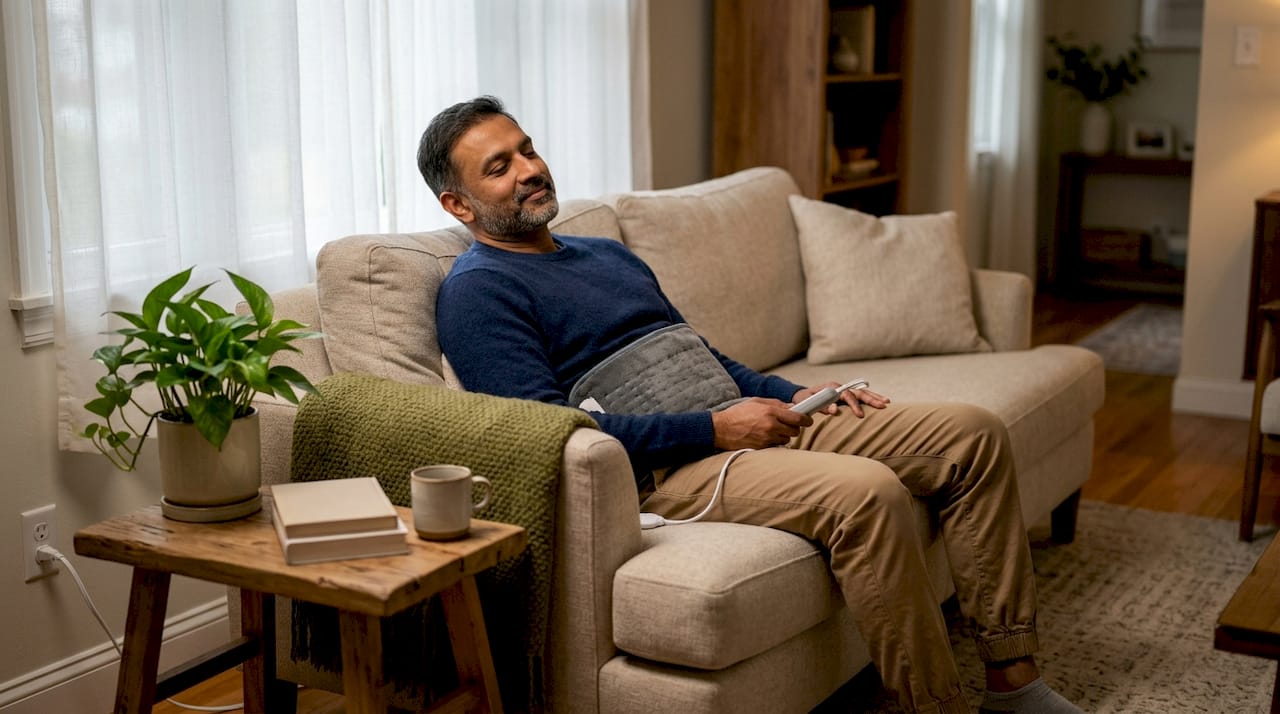
Dry heat works best for superficial muscle pain, meaning discomfort that sits close to the skin rather than deep in the tissue. Back stiffness after a long workday, neck tension from poor posture, and shoulder soreness from overuse all respond well to this type of heat therapy.
Key benefits of electric heating pads:
- Consistent, adjustable temperature throughout the session
- Auto shut-off prevents overheating during rest or sleep
- Wide surface area covers large muscle groups like the lower back
- Plug-in power means unlimited session length
- Easy to use with no preparation required
Pro Tip: Place a thin cotton towel between the pad and your skin if you run sessions longer than 20 minutes. This reduces the risk of skin irritation without blocking the heat.
2. How do moist heat pads work and what conditions benefit most?
Moist heat pads deliver warmth through steam or damp warmth, which penetrates deeper into muscle tissues than dry heat alone. Dry heat, by contrast, can cause superficial skin dehydration when used extensively. That deeper penetration makes moist heat the preferred choice for chronic arthritis, deep muscle stiffness, and joint pain.
Some electric moist heat pads use woven covers that trap ambient moisture to generate moist heat without added water. Others require you to dampen the cover or use a separate steam function. Both approaches deliver the same core benefit: warmth that reaches the connective tissue and joints that dry heat cannot touch.
Physical therapists recommend moist heat over dry heat for elderly individuals, those with dry skin, or anyone living in a dry climate, because moist heat improves tissue penetration while also hydrating the skin during treatment.
Conditions that respond well to moist heat:
- Chronic arthritis and joint inflammation
- Deep muscle knots and trigger points
- Fibromyalgia flare-ups
- Post-workout soreness in large muscle groups
- Stiffness from prolonged sitting or sedentary work
One caution: moist heat pads can reach higher surface temperatures than dry pads. Always check the pad temperature before applying it directly to skin, especially if you have reduced sensitivity in the treatment area.
3. What are microwavable heating pads and their ideal use cases?
Microwavable heating pads are filled with natural grains such as rice, flaxseed, or buckwheat. They heat in 60 to 90 seconds and maintain effective warmth for 20 to 40 minutes. That short prep time and cordless design make them the most portable option in the heat therapy category.
Many microwavable wraps also include herbal additives like lavender, which provide aromatherapy benefits alongside the heat. The combination of warmth and calming scent can be especially useful for stress-related muscle tension or trouble sleeping.
Benefits of microwavable heat wraps:
- No cords or power outlets needed
- Dual use: heat for muscle relief, cold therapy for swelling
- Aromatherapy options enhance relaxation
- Flexible shape conforms to the neck, shoulders, and knees
- Travel-friendly and easy to store
The main limitation is duration. Once the heat fades after 30 to 40 minutes, you need to reheat. There is also no temperature control, so you rely on timing and the microwave’s power level to avoid overheating.
Pro Tip: Store your microwavable pad in a sealed bag when not in use. This keeps the grain filling dry and extends the pad’s lifespan significantly.
4. What advantages do far-infrared heating pads offer over traditional pads?
Far-infrared heating pads represent the most technologically advanced category of heat therapy devices. FIR pads penetrate 4 to 6 centimeters into body tissue, compared to roughly 0.6 cm for standard electric pads. That difference is significant. It means FIR heat reaches the muscle belly, tendons, and even bone-adjacent tissue that surface heat cannot access.
Far-infrared heating pads reduce burn risk by delivering therapeutic heat at lower surface temperatures while penetrating more deeply into tissue, making them a safer option for people who need extended daily sessions.
Many FIR pads incorporate natural stones such as jade or tourmaline. These materials absorb and emit infrared wavelengths efficiently, which is why you see them in higher-end recovery panels. You can learn more about infrared therapy’s health benefits and how this technology supports chronic muscle soreness treatment.
Who benefits most from FIR pads:
- Chronic pain sufferers with deep tissue involvement
- Athletes recovering from muscle tears or overuse injuries
- People with sciatica or herniated disc pain
- Anyone who needs daily, extended heat sessions without burn risk
- Individuals seeking a long-term investment in recovery equipment
FIR pads cost more than standard electric or microwavable options. For people managing ongoing pain, that investment pays off through deeper relief and safer daily use.
5. How do disposable adhesive heat patches work?
Disposable adhesive heat patches generate warmth through an exothermic chemical reaction triggered by exposure to air. You peel off the backing, stick the patch to your clothing or skin, and the reaction begins within minutes. No power, no microwave, no preparation beyond opening the package.
These patches provide 8 to 12 hours of continuous low-level warmth, making them the longest-lasting option for on-the-go relief. They are also priced under $5 per pack as of mid-2026, which makes them accessible for daily use.
| Feature | Disposable heat patches |
|---|---|
| Heat duration | 8–12 hours |
| Cost per use | Under $5 per pack |
| Temperature control | None (fixed low heat) |
| Portability | Maximum (no cords or prep) |
| Reusability | Single use only |
Best situations for adhesive patches:
- Long workdays on your feet
- Travel or commuting with back or knee pain
- Discreet use under clothing during meetings or events
- Mild menstrual cramp relief throughout the day
The trade-off is heat intensity. Adhesive patches deliver gentle, sustained warmth rather than deep or intense heat. They work well for maintenance relief but are not suited for acute pain or deep tissue treatment.
Pro Tip: Apply the patch to your clothing rather than directly to skin whenever possible. This distributes heat more evenly and reduces the chance of skin irritation during long sessions.
6. How to choose the right heat pad for your pain and lifestyle
The right heat pad depends on three factors: pain depth, mobility needs, and how long you need treatment. Matching these factors to the right pad type produces better results than picking based on price alone.
| Pain type | Best pad type | Key reason |
|---|---|---|
| Superficial muscle soreness | Electric dry heat pad | Consistent surface heat, easy to use |
| Chronic arthritis or joint stiffness | Moist heat pad | Deeper penetration, skin hydration |
| On-the-go or travel relief | Microwavable or adhesive patch | Cordless, portable, no power needed |
| Deep chronic pain or sports recovery | Far-infrared pad | 4–6 cm penetration, lower burn risk |
| All-day mild relief | Disposable adhesive patch | 8–12 hours of continuous warmth |
Understanding how heat therapy maximizes pain relief safely helps you apply these distinctions with confidence. You can also explore wellness devices for recovery to see how heat pads fit into a broader healing routine.
Practical tips for choosing and using your pad:
- Match heat depth to your pain. Surface soreness needs surface heat. Deep pain needs deeper technology.
- Consider session length. Electric and FIR pads work for long sessions. Microwavable pads suit shorter ones.
- Factor in portability. If you travel or work long shifts, cordless options serve you better.
- Check for temperature control. Chronic pain sufferers benefit from adjustable settings to avoid overheating.
Pro Tip: Combine heat therapy with gentle stretching during the final five minutes of your session. Warm muscles are more pliable, so you get more range of motion from the same stretch.
Key takeaways
The most effective heat pad is the one that matches your pain depth, lifestyle, and session length rather than the one with the most features.
| Point | Details |
|---|---|
| Match heat type to pain depth | Dry heat suits surface soreness; moist and FIR heat reach deeper tissue. |
| FIR pads penetrate deepest | Far-infrared heat reaches 4–6 cm, making it best for chronic or deep pain. |
| Microwavable pads offer portability | Grain-filled wraps heat in 60–90 seconds and work without cords or outlets. |
| Adhesive patches last longest | Single-use patches provide 8–12 hours of low-level warmth for all-day relief. |
| Moist heat protects skin | Physical therapists favor moist heat for elderly or dry-skin individuals. |
What I’ve learned about heat pads that most guides won’t tell you
Most people buy a heat pad based on price and end up frustrated when it doesn’t work. The real issue is almost never the pad. It’s the mismatch between heat type and pain location.
I’ve seen this pattern repeatedly. Someone with deep sciatic pain buys a basic electric pad because it’s affordable and familiar. They use it faithfully and get minimal relief. The heat simply isn’t reaching the tissue that hurts. A FIR pad or a moist heat option would have changed their experience entirely.
The other misconception is that more heat means more relief. It doesn’t. Higher surface temperature can actually cause the body to respond defensively, tightening the tissue you’re trying to relax. Lower, sustained heat, especially from FIR technology, consistently outperforms high-temperature short sessions for chronic pain.
One thing I’d encourage you to think about: heat therapy works best as part of a routine, not a rescue. Using your pad consistently, even on lower-pain days, keeps circulation active and tissue pliable. That consistency is what separates people who manage chronic pain well from those who stay stuck in flare-up cycles.
The future of heat therapy is moving toward wearable, body-conforming designs with embedded FIR technology. That direction makes sense. The closer the heat source conforms to your body, the more efficiently it delivers relief. Rigid flat pads are already giving way to flexible wraps that follow the curve of your spine or knee.
— Lunix
Recovery tools built for real relief
Chronic pain and muscle tension deserve more than a temporary fix. Lunixinc designs recovery solutions that work with your body’s natural healing process, not against it.

The Lunixinc recovery collection brings together therapeutic heat devices built for people who take their well-being seriously. Whether you need deep tissue relief after a long week or gentle daily warmth to stay ahead of stiffness, there’s a solution designed to fit your routine. Each product reflects Lunixinc’s commitment to thoughtful design and lasting comfort, so your recovery space works as hard as you do.
FAQ
What is the difference between dry heat and moist heat pads?
Dry heat pads deliver surface warmth that soothes superficial muscle pain, while moist heat penetrates deeper into tissue and is preferred for chronic stiffness, arthritis, and joint pain.
How long should you use a heat pad per session?
Most heat therapy sessions run 15 to 20 minutes for standard electric pads. FIR pads can be used for longer sessions at lower surface temperatures without the same burn risk as conventional pads.
Are far-infrared heating pads safe for daily use?
Yes. FIR pads deliver therapeutic heat at lower surface temperatures while penetrating more deeply, which reduces burn risk and makes them well-suited for daily chronic pain management.
Can microwavable heat wraps be used for cold therapy too?
Most grain-filled microwavable wraps double as cold packs. Place the wrap in a sealed bag and freeze it for one to two hours to use it for swelling or acute injury relief.
Who should use moist heat pads instead of dry heat?
Physical therapists recommend moist heat for elderly individuals and those with dry skin or who live in dry climates, because moist heat hydrates skin while delivering deeper therapeutic warmth.