


Chronic back pain can turn daily routines into exhausting challenges for American adults seeking relief at home. Creating a supportive environment, practicing gentle stretching, and making ergonomic adjustments are practical steps that can ease discomfort and restore mobility. This guide brings clear strategies and expert-backed solutions that empower you to manage pain effectively and reclaim comfort within your own living space.
Table of Contents
- Step 1: Prepare Your Space For Pain-Free Movement
- Step 2: Incorporate Gentle Stretches For Flexibility
- Step 3: Use Ergonomic Supports For Better Posture
- Step 4: Apply Heat Or Cold Therapy Effectively
- Step 5: Monitor Your Progress And Adjust Routine
Quick Summary
| Main Insight | Detailed Explanation |
|---|---|
| 1. Create a Supportive Environment | Organize living spaces to promote pain-free movement and reduce strain on the body through strategic modifications. |
| 2. Incorporate Gentle Stretching Routines | Regularly engage in controlled, gentle stretches to improve flexibility and alleviate back pain without exacerbating discomfort. |
| 3. Optimize Ergonomic Workspace Setup | Adjust your workspace with lumbar support and proper monitor placement to maintain spinal alignment and minimize strain. |
| 4. Utilize Heat and Cold Therapy Wisely | Apply ice packs and heating pads appropriately to manage pain and inflammation, tailoring treatment to the stage of discomfort. |
| 5. Track Recovery and Adjust Strategies | Monitor progress through pain levels and effectiveness of treatments, and adapt routines as necessary for continual improvement. |
Step 1: Prepare your space for pain-free movement
Creating a supportive home environment plays a critical role in managing back pain and promoting safe, comfortable movement. Your living space can either contribute to discomfort or become a healing sanctuary that supports your recovery.
Start by conducting a thorough evaluation of your living area. Safe movement strategies require thoughtful spatial organization that minimizes strain and encourages gentle activity. Here are key modifications to transform your space:
- Clear walking paths with at least 24-36 inches of unobstructed space
- Remove loose rugs or secure them with non-slip backing
- Position furniture to create open areas for gentle stretching
- Have a sturdy chair with proper lumbar support near key living zones
Ergonomic adjustments can dramatically reduce unnecessary physical stress. Place frequently used items within easy reach to prevent awkward twisting or stretching. Consider using back supports or cushions that provide additional comfort during sitting or resting periods.
Creating a pain-free environment is about strategic design that supports your body’s natural healing process.
By intentionally designing your living space to accommodate gentle movement and reduce physical strain, you’re taking a proactive approach to back pain management.
Pro tip: Keep a supportive cushion or small stool in multiple rooms to encourage periodic rest and maintain proper posture throughout your daily activities.
Step 2: Incorporate gentle stretches for flexibility
Restoring flexibility is crucial for managing back pain and preventing future discomfort. Stretching helps relax tense muscles while improving your body’s overall mobility and reducing stiffness.
Focus on gentle, controlled movements that target key muscle groups without causing additional strain. Here are foundational stretches to incorporate into your routine:
- Hamstring stretch: Sit on floor, extend one leg, reach toward toes
- Pelvic tilt: Lie on back, gently arch and flatten lower back
- Knee-to-chest stretch: Pull knees toward chest while lying down
- Cat-cow stretch: On hands and knees, alternate arching and rounding spine
Start slowly and listen to your body. Each stretch should feel comfortable and never produce sharp pain. Hold each stretch for 15-30 seconds, breathing deeply and maintaining smooth, controlled movements.
Flexibility is not about extreme movement, but consistent, gentle progress toward healing.
Professional guidance can help you develop a personalized stretching routine tailored to your specific back pain challenges and physical capabilities.
Pro tip: Perform stretches on a soft surface like a yoga mat and wear comfortable, loose clothing to maximize range of motion and comfort.
Step 3: Use ergonomic supports for better posture
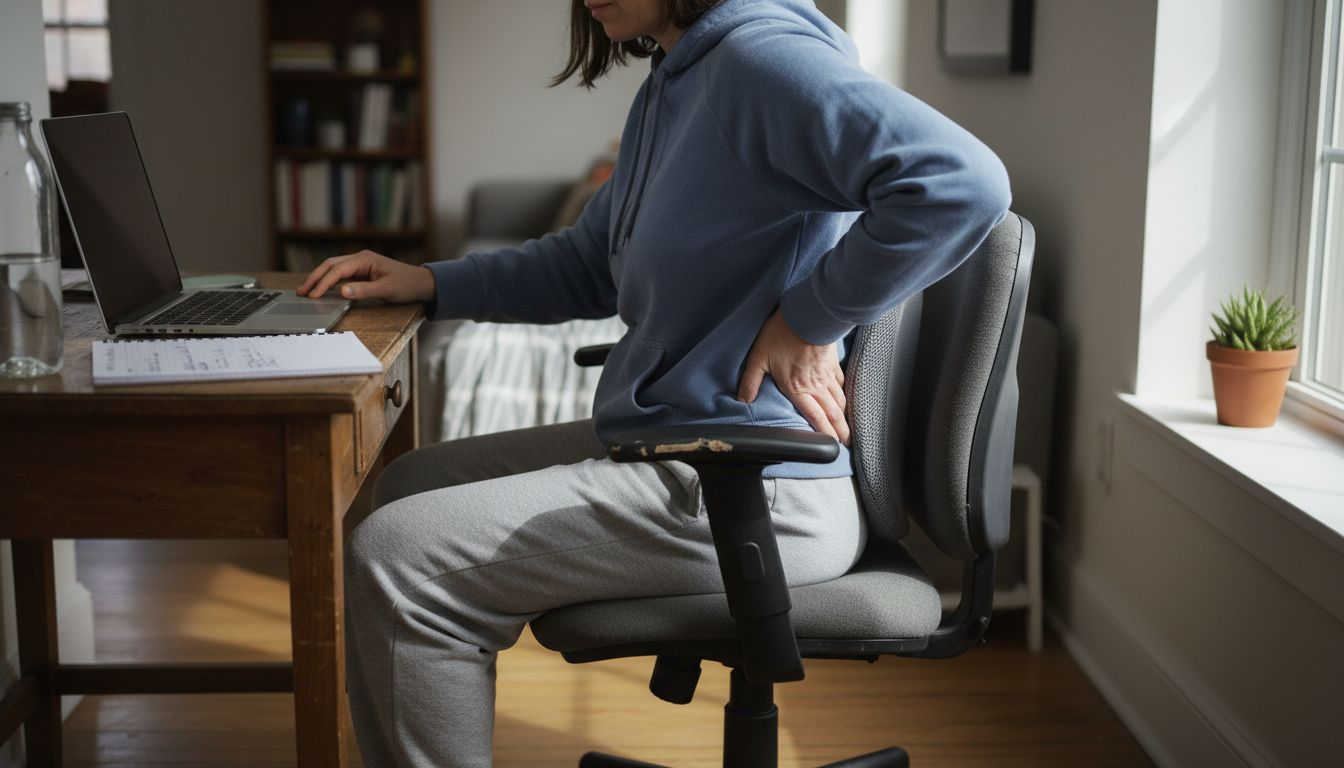
Transforming your workspace into a back-pain-fighting zone requires strategic ergonomic support that protects your spine and reduces unnecessary strain. Proper spinal alignment reduces muscle pressure and helps prevent long-term discomfort.
Focus on creating a workspace that supports your body’s natural curvature. Key ergonomic adjustments include:
- Lumbar support chair: Choose chairs with adjustable lower back support
- Monitor height: Position screen at eye level to prevent neck strain
- Desk adjustments: Use standing or adjustable-height desks
- Footrest: Support feet to maintain proper hip and knee alignment
- Keyboard placement: Keep wrists straight and elbows close to body
Each adjustment contributes to maintaining the spine’s natural ‘S’ curve, distributing body weight evenly and minimizing stress on muscles and joints. Experiment with different configurations to find what feels most comfortable for your unique body.
Here’s a quick comparison of ergonomic support options and their primary benefits for back pain management:
| Support Type | Key Benefit | Best Usage Location |
|---|---|---|
| Lumbar support chair | Protects lower spine | Office, living room |
| Adjustable monitor | Reduces neck strain | Home office, study area |
| Standing desk | Boosts movement variety | Office workspace |
| Footrest | Maintains hip alignment | Under desk, reading area |
| Back cushion | Enhances comfort | Sofa, car, dining chair |
Ergonomics is about creating a personalized environment that supports your body’s natural mechanics.
Consider consulting an ergonomics professional for a personalized workspace assessment tailored to your specific needs and physical challenges.
Pro tip: Take a 5-minute posture break every hour, standing and doing gentle stretches to reset your body and prevent prolonged static positioning.
Step 4: Apply heat or cold therapy effectively
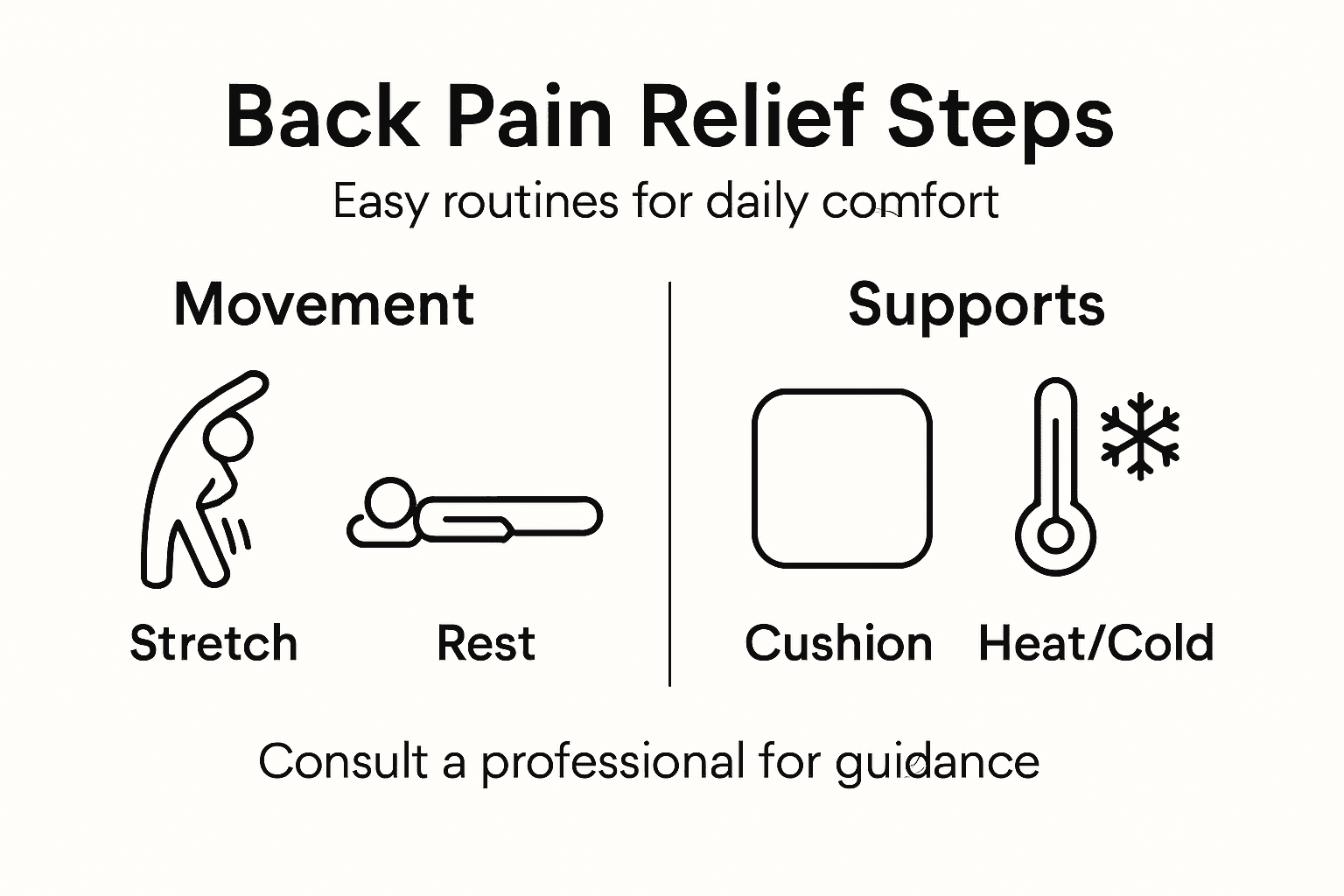
Heat and cold therapy techniques can provide significant relief for back pain when applied correctly. Understanding when and how to use these treatments can dramatically reduce inflammation, relax muscles, and accelerate your healing process.
Different stages of back pain require different approaches:
Cold Therapy (First 48-72 Hours):
- Use ice packs for acute injuries
- Apply for 15-20 minutes at a time
- Wrap ice pack in thin towel to protect skin
- Take 1-hour breaks between applications
Heat Therapy (After Initial Inflammation):
- Use heating pads or warm compresses
- Apply for 15-20 minutes
- Use moist heat for deeper muscle penetration
- Helps increase blood circulation
The key is timing and technique: right treatment, right moment.
Always listen to your body and stop if you experience increased pain or discomfort. Individual responses to heat and cold can vary, so pay attention to what works best for your specific condition.
Pro tip: Keep a dedicated ice pack and heating pad in easily accessible locations to encourage consistent pain management therapy.
Step 5: Monitor your progress and adjust routine
Tracking your back pain recovery requires a systematic and honest approach to understanding your body’s healing process. Consistent monitoring helps you recognize improvements, identify potential setbacks, and make informed adjustments to your pain management strategy.
Establish a comprehensive tracking system for your recovery journey:
Tracking Metrics:
- Pain intensity levels (1-10 scale)
- Range of motion improvements
- Number of pain-free hours/days
- Types of activities causing discomfort
- Effectiveness of current treatments
Adjustment Strategies:
- Increase exercise repetitions gradually
- Modify stretching techniques
- Incorporate new therapeutic approaches
- Consult healthcare professionals if pain persists
Recovery is not linear: Small fluctuations are normal and part of the healing process.
Remember that healing takes time. Be patient with yourself and celebrate incremental progress, no matter how small they might seem.
You can optimize tracking your recovery with these metrics and adjustment strategies:
| Recovery Metric | What to Track | Adjustment Strategy |
|---|---|---|
| Pain intensity levels | Daily 1-10 score | Adapt exercise frequency |
| Range of motion | Movement limitations | Try new stretching techniques |
| Pain-free hours/days | Activity during relief | Introduce new therapies |
| Trigger activities | Identify key events | Consult healthcare provider |
| Treatment effectiveness | Rate by outcome | Modify routine if needed |
Pro tip: Create a digital or physical pain journal where you can consistently and objectively log your symptoms, making it easier to identify patterns and communicate effectively with healthcare providers.
Enhance Your Back Pain Relief Routine with Lunix
Managing back pain at home requires more than just stretching and ergonomic adjustments. It demands thoughtful, supportive products that help your body recover comfortably and effectively. Whether it’s creating a pain-free environment with lumbar support or incorporating targeted comfort tools, Lunix offers wellness solutions designed to seamlessly fit into your daily life and relieve your discomfort.
Experience the difference of premium recovery aids that align with the article’s emphasis on ergonomic supports and pain management. Our Pain Relief collection features smartly designed products that provide the comfort and support your spine needs. Paired with our commitment to improving overall well-being, Lunix helps transform everyday spaces into personalized stations for restoration and long-term health.

Take charge of your back health today and invest in solutions that complement your home routine. Visit Lunix to explore thoughtfully crafted comfort products, and discover how our Pain Relief innovations can help you move, rest, and recover with greater ease.
Frequently Asked Questions
How can I prepare my home for back pain relief?
Creating a supportive home environment is essential for managing back pain. Clear walking paths, remove loose rugs, and arrange furniture to encourage safe movement. Aim for a space with at least 24–36 inches of unobstructed space to promote comfort.
What gentle stretches can I do at home for back pain relief?
Incorporate gentle stretches like hamstring stretches, pelvic tilts, and the cat-cow stretch into your daily routine. Hold each stretch for 15–30 seconds, focusing on controlled movements to improve flexibility and reduce stiffness.
What ergonomic supports should I use for better posture at home?
Using ergonomic furniture, such as lumbar support chairs and adjustable desks, is key to maintaining proper posture. Ensure your computer screen is at eye level and your feet are supported, as this helps protect your spine and reduces muscle strain.
When should I use heat or cold therapy for back pain?
Use cold therapy in the first 48–72 hours following an injury to reduce inflammation, then switch to heat therapy to relax muscles. Apply either treatment for 15–20 minutes at a time, making sure to take breaks to avoid skin irritation.
How can I monitor my progress in relieving back pain?
Track your recovery by noting your pain intensity levels, range of motion, and any activities that cause discomfort. This documentation will help you recognize patterns and guide adjustments in your care routine over time.
What adjustments should I make if my back pain persists?
If you experience continuing discomfort, consider modifying your stretching techniques or gradually increasing your exercise frequency. Consult a healthcare professional if the pain does not improve within a few weeks.