


TL;DR:
- Post-workout recovery includes nutrition, hydration, sleep, and gentle movement to promote muscle repair and reduce soreness. Adults over 40 need to focus more on these steps as aging slows recovery, and poor habits lead to persistent soreness and injuries. Consistently following core habits enhances recovery, while advanced tools serve as supplements, not replacements.
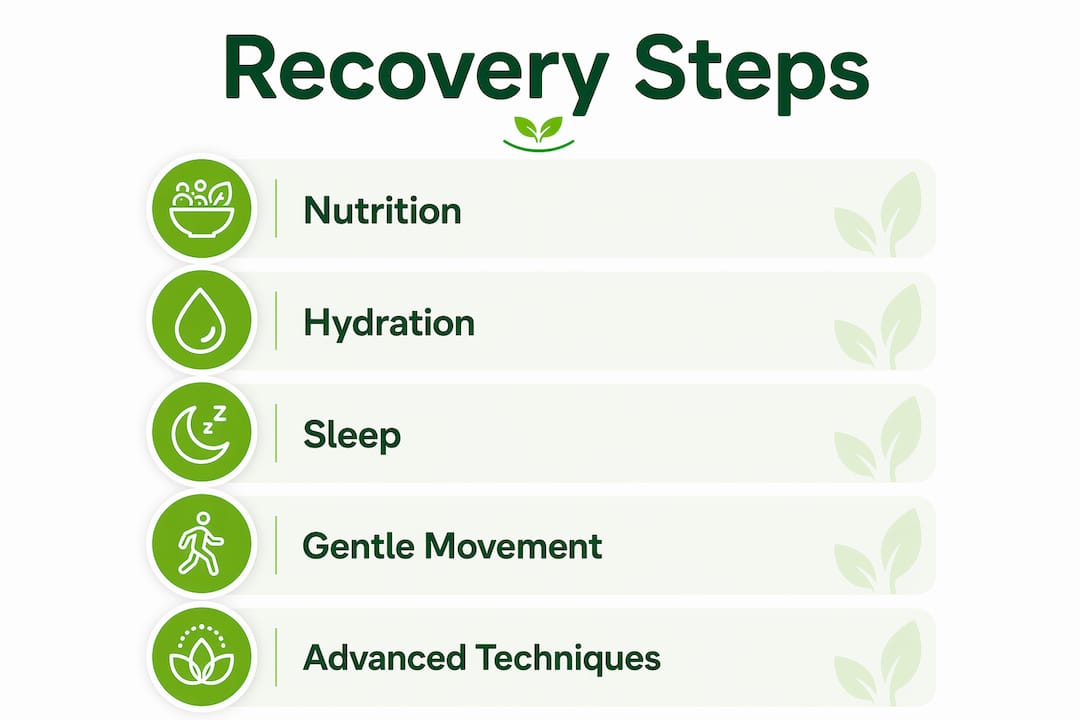
Post-workout recovery steps are the structured practices that accelerate muscle repair, reduce fatigue, and prevent injury after exercise. For adults between 40 and 65, these steps carry more weight than they did at 25. Muscle protein synthesis slows with age, sleep quality shifts, and joints need more time between sessions. The good news is that a consistent recovery routine built around nutrition, hydration, sleep, and gentle movement can close that gap significantly. This guide walks you through each pillar, backed by evidence, so you can train hard and feel good doing it.
What are the most effective post-workout recovery steps?
The most effective post-workout recovery steps combine nutrition timing, hydration, sleep, active movement, and targeted recovery techniques. No single step works in isolation. Think of recovery as a chain: weaken one link and the whole process slows down. For adults over 40, that slowdown shows up as lingering soreness, stiff joints, and workouts that feel harder than they should.
The American College of Sports Medicine recognizes recovery as a core component of any training program, not an optional add-on. Skipping it is the equivalent of building a house and never sealing the roof. The structure looks fine until the first storm hits.
How to refuel your body for optimal muscle recovery
Nutrition is the foundation of muscle repair. Your body needs raw materials to rebuild tissue, and the window right after exercise is when it absorbs them most efficiently. Consuming 20–40 grams of protein within 0–2 hours after exercise directly supports muscle tissue repair and glycogen replenishment. That window matters because muscle cells are primed to pull in nutrients immediately after a training session.
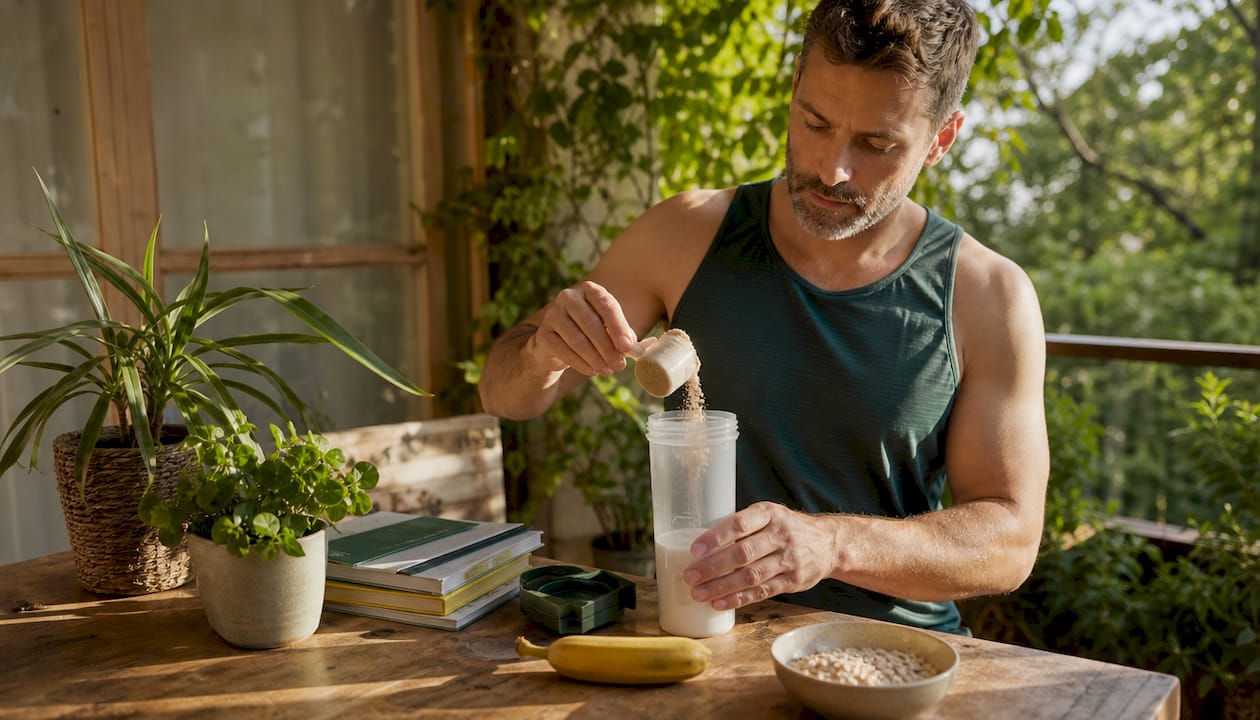
Carbohydrates are equally important and often overlooked. They replenish glycogen stores that your muscles burned during exercise. Without them, your body may break down muscle protein for fuel instead, which defeats the purpose of training. A practical post-workout meal for adults in this age group looks like grilled chicken with sweet potato, Greek yogurt with fruit, or a protein shake with a banana.
Spreading your protein intake across meals also matters. 20–30 grams of protein per meal, distributed evenly through the day, supports muscle protein synthesis better than one large dose. Your body can only use so much protein at once for muscle building. Consistent intake keeps the repair process running steadily.
Common mistakes to avoid:
- Skipping the post-workout meal entirely because you are not hungry
- Relying only on protein shakes without including carbohydrates
- Eating too little total food on heavy training days
- Waiting more than two hours to eat after a session
- Consuming excessive fat in the immediate post-workout meal, which slows digestion
Pro Tip: If you train early in the morning and cannot stomach a full meal, a small protein shake with a piece of fruit within 30 minutes of finishing is enough to start the repair process.
For a deeper look at how protein and carbohydrate timing work together, the post-workout nutrition window is explained in detail by Lunixinc’s recovery blog.
Why does hydration matter so much after a workout?
Dehydration increases muscle soreness and slows the entire recovery process. Even mild fluid loss, as little as 1–2% of body weight, reduces strength, impairs muscle function, and makes the next workout feel harder. Water carries nutrients to your cells and removes metabolic waste products that build up during exercise. Without adequate fluid, that cleanup process stalls.
Electrolytes like sodium, potassium, and magnesium regulate fluid balance and support muscle contraction. Heavy sweaters and anyone who exercises for more than 60 minutes need to replace electrolytes, not just water. Plain water alone can dilute sodium levels if consumed in large quantities without food or electrolyte sources.
Practical hydration guidelines after exercise:
- Drink 16–24 ounces of water within 30 minutes of finishing your workout
- Monitor urine color: pale yellow means well-hydrated, dark yellow signals a deficit
- Add an electrolyte tablet or a pinch of sea salt to your water if you sweat heavily
- Eat foods naturally rich in potassium and magnesium, such as bananas, avocados, and leafy greens
- Avoid alcohol in the first few hours after training, as it actively impairs fluid retention
Pro Tip: Weigh yourself before and after a long session. For every pound lost, drink 16 ounces of water to restore fluid balance accurately.
Lunixinc’s guide on hydration and muscle repair covers the specific mechanisms behind fluid intake and recovery in greater detail.
How does sleep quality affect your recovery after exercise?
Sleep is where the majority of physical repair actually happens. During deep sleep, the body releases growth hormone, which drives tissue regeneration and muscle rebuilding. 7–9 hours of quality sleep per night is the established recommendation for active adults, and falling short of that consistently leads to delayed and incomplete recovery.
For adults over 40, sleep architecture changes naturally. Deep sleep stages shorten, and waking during the night becomes more common. These shifts make sleep quality, not just duration, a priority. Keeping a consistent bedtime and wake time reinforces your circadian rhythm, which helps your body spend more time in the restorative stages of sleep.
Dr. Ahmed warns against training the same muscle groups without allowing 24–48 hours of rest between sessions. Pairing that rest with quality sleep is what makes the rest productive. Magnesium glycinate, taken 30–60 minutes before bed, is a well-tolerated supplement that many active adults use to improve sleep depth and reduce nighttime muscle cramping.
Sleep habits that support recovery:
- Set a consistent bedtime, even on weekends
- Keep your bedroom cool (around 65–68°F) to support deeper sleep stages
- Avoid screens for at least 30 minutes before bed
- Limit caffeine after 2:00 PM if you are sensitive to its effects
- Consider magnesium glycinate if sleep quality is a recurring issue
The connection between sleep and muscle recovery is explored further in Lunixinc’s dedicated resource for active adults.
What role does gentle movement play in reducing soreness?
Active recovery is defined as low-intensity movement performed after a hard workout to promote circulation without adding training stress. It works by increasing blood flow to sore muscles, which speeds up the removal of metabolic waste and delivers fresh oxygen and nutrients to damaged tissue. A 20-minute easy walk or slow yoga flow reduces soreness more effectively than lying still.
Dr. Carol Mack advises gentle, low-intensity movement after workouts specifically to reduce soreness, noting that immediate rest or rushing to shower right after exercise misses a valuable recovery window. The body is still warm, blood is circulating, and light movement at that point costs almost nothing in energy while delivering real benefit.
“Stretching alone shows no measurable effect on delayed-onset muscle soreness. Active recovery at conversational intensity, such as walking or gentle cycling, is what actually moves the needle on how you feel 24–48 hours later.”
Active recovery reduces DOMS more effectively than stretching and static rest. This is a finding that surprises many people who have spent years holding post-workout stretches expecting relief. Stretching has real value for flexibility and range of motion, but it does not meaningfully reduce next-day soreness.
Pro Tip: After a strength session, spend 10–15 minutes on a slow walk or light stationary bike ride before you cool down completely. You will notice the difference in how you feel the next morning.
Suitable active recovery activities for adults in this age group include walking, swimming at an easy pace, gentle yoga, tai chi, and slow cycling. The key is keeping intensity low enough that you can hold a conversation throughout.
Which advanced recovery techniques actually work?
Advanced recovery techniques supplement the core steps but do not replace them. Dr. Andrea Colon emphasizes that tools like massage and compression gear enhance but cannot substitute for hydration, sleep, and movement as the true foundation of recovery.
Massage is the most effective technique for reducing muscle soreness, with a measurable effect size that significantly outperforms stretching, which shows virtually no effect on delayed-onset muscle soreness. A 15–20 minute massage session on sore muscle groups, whether from a therapist or a quality massage device, produces real, measurable relief.
| Recovery method | Primary benefit | Best use case | Key limitation |
|---|---|---|---|
| Massage | Reduces soreness most effectively | Post-strength sessions, 24–48 hours after | Cost and access to therapist |
| Active recovery | Improves circulation, clears waste | Day after hard training | Requires discipline to keep intensity low |
| Compression garments | Reduces DOMS, restores strength faster | During and after endurance sessions | Less effective for acute soreness |
| Cold water immersion | Reduces acute inflammation quickly | After competition or intense one-off effort | May impair muscle growth with regular use |
Cold water immersion reduces inflammation and soreness in the short term, but regular use can compromise long-term muscle growth. If building strength and muscle mass is your goal, limit cold immersion to once or twice per week rather than after every session. Compression garments offer a practical middle ground: they improve blood flow, reduce soreness, and accelerate strength restoration without the downsides of cold exposure.
Key Takeaways
Consistent post-workout recovery built on nutrition, hydration, sleep, and gentle movement is the most reliable way for active adults over 40 to reduce soreness, prevent injury, and sustain performance.
| Point | Details |
|---|---|
| Protein timing matters | Consume 20–40 grams of protein within 2 hours of exercise to start muscle repair. |
| Hydration drives recovery | Even mild dehydration slows healing; monitor urine color and replace electrolytes after heavy sessions. |
| Sleep is non-negotiable | 7–9 hours of quality sleep per night is when growth hormone drives the bulk of tissue repair. |
| Move gently after training | A 20-minute walk or slow yoga session reduces soreness more than stretching or static rest. |
| Advanced tools supplement, not replace | Massage, compression, and cold immersion enhance recovery only when core habits are already in place. |
What I have learned about recovery after 40
Most people treat recovery as a reward for a hard workout. They think of it as the passive part, the downtime between the real work. That framing is exactly wrong. Recovery is where adaptation happens. The workout is just the stimulus.
What I have seen consistently is that adults over 40 who struggle with persistent soreness, slow progress, or recurring minor injuries are almost never under-training. They are under-recovering. They are eating too little protein, sleeping six hours, and skipping the walk after their session because they feel like they have already done enough.
The other mistake I see is chasing advanced tools before the basics are solid. Someone buys a percussion massager or invests in cold plunge sessions while still skipping breakfast after morning workouts. The advanced tools are real and they work, but they are multipliers. They amplify a good foundation. They cannot build one from scratch.
My honest recommendation is to spend 90 days locking in the fundamentals before adding anything else. Get your protein in within two hours. Drink enough water that your urine stays pale. Sleep seven hours minimum. Walk for 15 minutes after your hardest sessions. Do that consistently and you will feel a difference that no gadget can replicate.
The recovery guide for adults 40 to 65 on the Lunixinc blog goes deeper on age-specific adjustments that make these habits stick long-term.
— Lunix
Recovery tools designed for how you actually train
Your recovery routine deserves the same attention as your workout plan. Lunixinc builds recovery products specifically for active adults who want to feel their best between sessions, not just during them.

From targeted massage devices that deliver the soreness relief that research confirms, to compression solutions that keep circulation moving after hard training days, the Lunixinc recovery collection is built around the same principles covered in this guide. Every product is designed to support the core steps: reduce soreness, restore movement, and help you show up ready for your next session. Browse the full collection and find the tools that fit your routine.
FAQ
How soon should I eat after a workout?
Eat within 0–2 hours of finishing your workout. A meal or snack containing 20–40 grams of protein and carbohydrates starts muscle repair and glycogen replenishment during the most receptive window.
Does stretching reduce muscle soreness?
Stretching does not measurably reduce delayed-onset muscle soreness. Light aerobic activity like walking or slow cycling is more effective at relieving post-workout soreness than static stretching.
How much sleep do active adults over 40 need for recovery?
Active adults need 7–9 hours of quality sleep per night. Deep sleep triggers growth hormone release, which drives the tissue repair that makes training adaptations possible.
Is cold water immersion good for recovery?
Cold water immersion reduces acute soreness and inflammation effectively. Regular use, however, can impair long-term muscle growth, so limit it to once or twice per week if building strength is your goal.
What are the best electrolytes to take after exercise?
Sodium, potassium, and magnesium are the key electrolytes to replace after exercise. They regulate fluid balance and support muscle contraction, and they are especially important for heavy sweaters or anyone training for more than 60 minutes.