


You can build a daily gratitude habit today with six small actions: a 30-second savor of something good, a one-minute written note about it, one specific thank-you sent to another person, a brief sensory pause to notice your surroundings, one line in a gratitude journal, and a small behavioral gesture like holding a door or texting encouragement. None of these takes more than ten minutes, and most take less than two.
Here’s a checklist you can copy right now:
- Savor (30 seconds): Pause on one good thing happening right now and notice it fully.
- Write (1 minute): Jot a single sentence about why it mattered.
- Thank someone specific (2 minutes): Name exactly what they did and how it helped you.
- Sensory pause (1 minute): Notice one sound, one smell, one texture you’d normally miss.
- Journal entry (5 minutes): Write two to three sentences with real detail, not a generic list.
- Small gesture (10 minutes or less): Do something kind that matches what the other person actually needs.
The payoff compounds. Research on gratitude interventions shows that regular practice builds cumulative benefits, and gratitude functions like muscle memory, with noticeable shifts in mood and outlook typically emerging after a few months of consistent repetition. That’s the realistic timeline. You won’t feel transformed after one journal entry, but you also won’t need to wait a year to notice a difference.
Key Takeaways
Daily gratitude works because small, repeated, specific actions retrain attention and strengthen relationships more reliably than occasional big gestures.
| Point | Details |
|---|---|
| Start small | Pick one micro-action, like a 30-second savor or one journal sentence, rather than overhauling your day. |
| Time-box the practice | Use a 1, 5, or 10-minute template depending on how much time you actually have that day. |
| Vary your specificity | Rotate prompts and avoid repeating the same broad gratitude list to keep attention engaged. |
| Use behavioral gratitude | Pair words with a small, personalized action for stronger relationship benefits. |
| Stack the habit | Attach gratitude to an existing routine, like brewing coffee or brushing your teeth, to boost adherence. |
| Optional support tools | Lunix’s recovery accessories can create a calmer setting for reflection, without being required for the practice. |
Table of Contents
- How to Practice Gratitude Daily: Why Small Actions Beat Big Gestures
- What the Research Actually Says About Gratitude
- 10 Daily Gratitude Practices You Can Start Today
- Quick Gratitude Routines for 1, 5, and 10 Minutes
- How to Keep a Gratitude Journal That Actually Sticks
- Expressing Gratitude to Others in Ways That Actually Land
- What to Do When Gratitude Feels Forced or Repetitive
- Making Gratitude a Habit That Doesn’t Fade by February
- Starting Small Is the Whole Point
- Tools That Can Support a Gratitude Routine
- Frequently Asked Questions
- Sources
How to Practice Gratitude Daily: Why Small Actions Beat Big Gestures
Big, once-a-year gratitude gestures (a Thanksgiving toast, an emotional year-end letter) feel meaningful in the moment but rarely change how your brain processes daily life. Daily practice does something different: it trains attention.
Your brain has a built-in negativity bias. It’s wired to notice threats and problems faster than it notices good things, which made sense when the “threat” was a saber-toothed tiger. Today it mostly means you replay the one critical email and forget the three kind ones. A daily gratitude habit interrupts that pattern by repeatedly redirecting attention toward what’s working, which over time makes positive noticing feel more automatic rather than effortful.
Three mechanisms drive the benefit:
Attention training. Each time you actively look for something to appreciate, you strengthen the mental pathway that notices good things without prompting.
Contrast thinking. Recalling a past hardship alongside a current comfort makes the present feel richer. Remembering a winter without reliable heat makes today’s warm house register differently.
Social reinforcement. Expressing thanks to another person, rather than just feeling grateful privately, deepens the emotional payoff and strengthens the relationship at the same time.
Success looks practical, not dramatic: more calm during a stressful commute, falling asleep faster because your mind isn’t spinning on complaints, feeling closer to a partner after a specific thank-you instead of a generic one. Gratitude practice has been linked to improvements in mood and social connectedness, though the size and duration of those effects vary depending on how the study was designed and who participated, according to peer-reviewed research on gratitude interventions.
What the Research Actually Says About Gratitude
The evidence for daily gratitude practice comes from a mix of public health guidance, university wellness programs, and clinical research, and the overlap between them is worth paying attention to.
That framing, echoed in guidance from Johns Hopkins University’s student well-being program, matters because it removes the excuse that gratitude is only available to naturally cheerful people. It’s a trainable habit, closer to a muscle than a fixed trait.
The CDC’s public health guidance recommends concrete, low-barrier steps: start a gratitude journal and set aside a scheduled block of time weekly for reflection (short time blocks are suggested in some public health materials). That’s a modest ask, and it lines up with what Greater Good at UC Berkeley reports: gratitude improves mood and social connection, with exercises simple enough to fold into an ordinary day.
Peer-reviewed work adds nuance rather than certainty. Effects on well-being from gratitude interventions show up consistently across studies, but the strength and duration depend heavily on study design and population, which is why claims here should stay measured rather than absolute. What’s consistent across sources, from clinical researchers to campus wellness offices, is the mechanism: repetition builds accessibility, attention shifts reduce negative bias, and actions (not just feelings) strengthen relationships.
10 Daily Gratitude Practices You Can Start Today
Pick two or three from this list rather than trying all ten. Variety matters more than volume, and Yale-affiliated psychologist Dr. Laurie Santos advises against repeating the same broad gratitude items day after day, since specificity is what keeps the practice from going stale.
1. Gratitude journaling. Write two to three sentences about one specific moment. Best done first thing in the morning or right before bed. Takes 5 minutes.
2. Savoring pause. Stop mid-activity and notice something good with full attention: the warmth of coffee, a compliment you received. Works anytime, especially during a break. Takes 30 seconds to 1 minute.
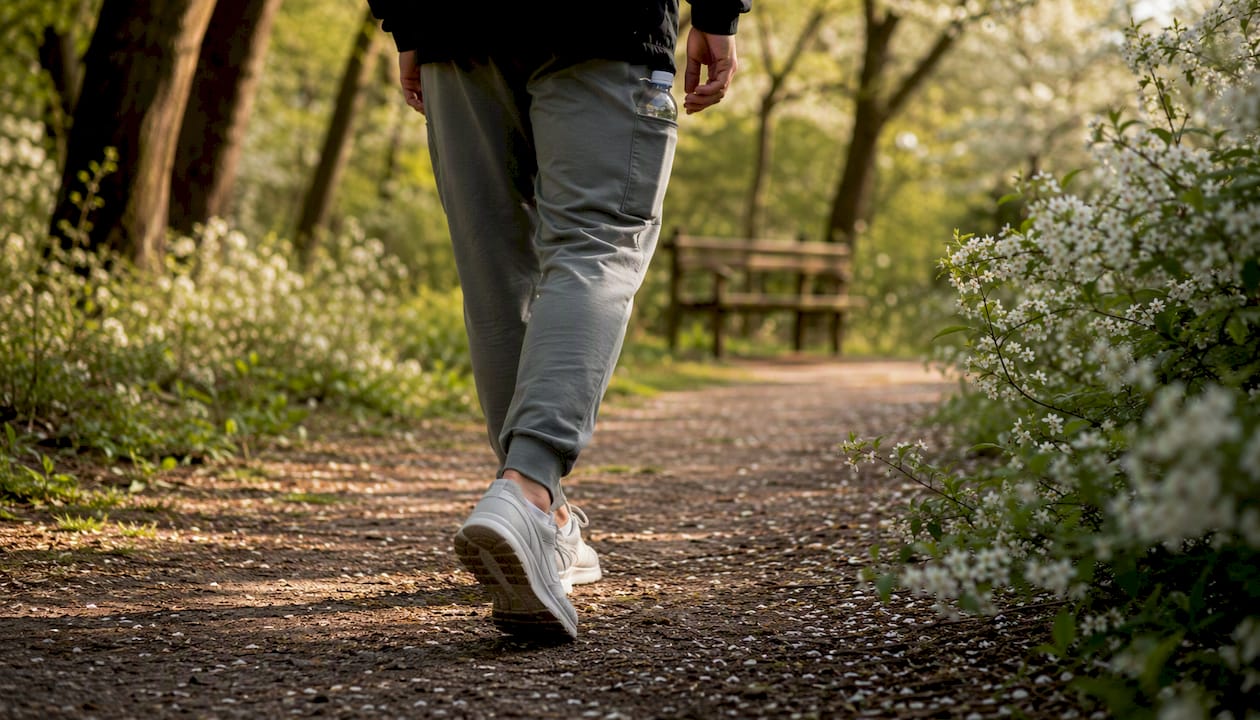
3. Gratitude walk. Walk for 10 minutes and silently name five things you notice and appreciate along the route. Fits well during a lunch break or commute. Takes 10 minutes.
4. Gratitude letter or text. Write a specific, detailed thank-you to someone who did something meaningful. Send it rather than just drafting it. Best in the evening when you have a few quiet minutes. Takes 5 to 10 minutes.
5. Behavioral gratitude (act of service). Do something small and useful for someone without announcing it. Best woven into an existing task, like making two coffees instead of one. Takes 2 to 10 minutes.
6. Gratitude breath. Inhale while thinking of one good thing, exhale while releasing tension. Repeat for five breaths. Works well before a stressful meeting. Takes 1 minute.

7. Gratitude photo. Take one photo daily of something you appreciate, then glance back at the week’s photos on Sunday. Fits naturally into phone habits you already have. Takes under 1 minute daily.
8. Gratitude before bed. Name three specific moments from the day, including at least one small or easy-to-overlook detail. Best right after turning off the light. Takes 2 minutes.
9. Gratitude during meals. Before eating, silently or aloud, note one thing about the meal or the company you appreciate. Fits naturally into an existing routine you repeat three times a day. Takes 30 seconds.
10. Micro-moment checks. Set two phone alarms during the day labeled “notice one good thing.” Useful during unpredictable or busy schedules. Takes 30 seconds each.
Pro Tip: Rotate which practice you use each week instead of locking into one. Novelty keeps your attention engaged, and it prevents the flattening effect that comes from repeating the same gratitude list on autopilot.
Quick Gratitude Routines for 1, 5, and 10 Minutes
Time pressure is the most common reason gratitude practice falls apart. These templates remove the guesswork by giving you an exact script for however much time you actually have.
| Time | Actions | Example Script |
|---|---|---|
| 1 minute | One savor, one breath, one silent thank-you | “Right now, I’m grateful for ___ because ___.” |
| 5 minutes | Two-sentence journal entry, one specific thank-you sent | “Today, ___ happened, and it mattered because ___. I’m telling [name] because they ___.” |
| 10 minutes | Full journal entry, gratitude walk segment, one behavioral gesture | “This week I noticed ___. It reminded me of ___. I’m going to do ___ for [name] today.” |
Use the 1-minute version during a commute, a bathroom break, or while waiting for coffee to brew. The 5-minute version fits a lunch break or the ten minutes before your evening screen time starts. Save the 10-minute version for weekends or slower mornings when you actually have room to sit with it.
- The 1-minute template works best paired with an existing pause you already take, like a red light or the microwave running.
- The 5-minute template pairs naturally with a coffee break or the last few minutes before bed.
- The 10-minute template fits Sunday planning sessions or a slower weekday evening.
How to Keep a Gratitude Journal That Actually Sticks
Most gratitude journals fail for one reason: the entries get vague and repetitive within a week. “Grateful for family, health, and coffee” every single day trains your brain to skim past the exercise instead of engaging with it. Specificity is what makes journaling work, and varying what you record keeps the exercise fresh instead of rote.
Try prompts like these, rotating so you never repeat the same angle twice in a row:
- What made you laugh today, even briefly?
- Name a moment when a stranger made your day slightly easier.
- What’s something your body did well today?
- Recall a hardship from your past. What do you have now that you didn’t have then?
- Who taught you something useful, and what was it?
- What’s a small comfort in your home you usually overlook?
- Name a mistake that turned out fine in the end.
- What conversation today left you feeling understood?
- What’s something in nature you noticed this week?
- Who would you thank if you had one phone call to make right now?
- What’s a skill you have that you rarely acknowledge?
- Describe one meal that tasted better than expected.
- What’s something that annoyed you a year ago that no longer bothers you?
- Name a piece of technology that quietly makes your life easier.
- What did you look forward to today?
- Who checked in on you recently, even briefly?
- What’s a physical sensation you appreciated today (warmth, rest, movement)?
- Name something you almost missed, then noticed.
- What’s a habit of yours that has served you well?
- Who modeled patience or kindness for you recently?
A morning entry might read: “Woke up before the alarm and had ten quiet minutes with coffee before the house got loud. That silence felt like a gift I don’t usually notice.” An evening entry might read: “My neighbor waved me into a parking spot when traffic was backed up for blocks. Small, but it shaved ten stressful minutes off my drive.”
A 30-day structure keeps the habit from fizzling out by week two:
| Week | Focus | Daily Prompt Type |
|---|---|---|
| Week 1 | Noticing | Simple sensory or moment-based prompts |
| Week 2 | Contrast | Prompts comparing present comfort to a past hardship |
| Week 3 | People | Prompts naming specific individuals and what they did |
| Week 4 | Self | Prompts acknowledging your own effort, growth, or resilience |
Expressing Gratitude to Others in Ways That Actually Land
Saying “thanks” is easy. Saying thanks in a way that actually strengthens a relationship takes more attention, and it’s worth the extra effort because behavioral gratitude, acts tailored to what someone actually values, tends to produce stronger social and psychological benefits than words alone.
Seven guidelines make the difference between a thank-you that gets forgotten and one that gets remembered:
- Personalize it. Reference the exact thing they did, not a generic category of kindness.
- Notice preferences. Match the gesture to what the recipient actually values, not what feels easiest for you to give.
- Follow through. If you say you’ll return the favor, do it within a reasonable window.
- Pair words with action. A thank-you text followed by a small helpful gesture lands harder than either alone.
- Time it close to the event. Gratitude expressed within a day or two feels more genuine than gratitude expressed weeks later.
- Keep it proportional. An expensive gift for a small favor can feel awkward; match the scale.
- Say it in person when you can. Voice and presence carry weight that text often loses.
A text template: “Hey, I keep thinking about how you covered my shift last week without me even asking. That saved me a lot of stress. Thank you.” A short call script: “I wanted to actually call instead of texting because I really appreciated when you [specific action]. It meant a lot.” A small tied-to-need action: if a coworker mentioned they’re always rushing in the morning, bring them coffee once, unprompted, rather than a generic gift card.
Pro Tip: Pick one person a week who did something small for you and follow up with a specific, personalized thank-you within 48 hours. The narrow window keeps it genuine instead of feeling like an obligation.
What to Do When Gratitude Feels Forced or Repetitive
Gratitude practice sometimes stops feeling meaningful, and that’s a normal signal, not a sign you’re doing it wrong.
- Emotion flattening (it feels numb or automatic): Switch from listing to sensory savoring for a few days. Notice a texture, taste, or sound instead of writing a list.
- Repetition (the same three items every day): Force specificity by adding a “why” clause to each entry, or borrow a fresh prompt from the list above.
- Low mood or depressive symptoms: Try contrast thinking. Recalling a genuinely hard period and comparing it to a small present comfort can reopen access to gratitude when it feels blocked.
- Time constraints: Drop frequency to a few times a week instead of daily rather than abandoning the practice entirely.
- It feels performative or fake: Shift to behavioral gratitude. Doing something for someone else often unlocks the feeling faster than trying to manufacture it on paper.
If gratitude practice consistently feels impossible, not just unmotivating but genuinely inaccessible, and that coincides with persistent low mood, loss of interest, or trouble functioning, that’s worth raising with a mental health professional. Gratitude exercises aren’t a substitute for treatment when depression or trauma is blocking your ability to feel much of anything.
Making Gratitude a Habit That Doesn’t Fade by February
The gap between wanting a gratitude habit and actually having one usually comes down to design, not willpower. Attaching a new gratitude action to an established routine, a technique called habit stacking, improves adherence far more reliably than adding a standalone habit.
Three concrete examples:
- After I brush my teeth, I will name one thing I’m looking forward to.
- After my coffee finishes brewing, I will write one sentence in my gratitude journal.
- After I lock my phone for the night, I will silently name three good moments from the day.
Tracking helps too, and you don’t need anything complicated. A low-tech option is a jar where you drop in a written note each time you notice something good, then read them all on New Year’s Eve. A mid-tech option is a habit-tracking app with a daily reminder. A social option is pairing with a friend and trading one gratitude text each evening, which adds light accountability without turning it into a chore.
Pro Tip: Place a visual cue somewhere you can’t avoid seeing, like a sticky note on your bathroom mirror or a recurring phone notification at the same time daily. External reminders bridge the gap between good intentions and actual follow-through far more reliably than relying on memory alone.
If you want to pair gratitude with a broader calming routine, a short mindful breathing reset or a few minutes of guided relaxation can anchor the habit at the same time each day.
Starting Small Is the Whole Point
The biggest mistake people make with gratitude practice is treating it like a project that needs a perfect system before it counts. It doesn’t. One sentence, written honestly, on a day you almost skipped it, does more than an elaborate journal you abandon after a week.
Think of it less like a discipline and more like a habit you’re slowly rebuilding after not doing it. There will be days you forget, days it feels flat, days the sentence you write is barely a sentence. That’s fine. The value comes from returning to it, not from doing it flawlessly. Start with the smallest version you can imagine, one sentence, one text, one 30-second pause, and let it grow from there once it feels automatic rather than forced.
Consistency beats intensity every time. A one-minute practice done most days will outperform an elaborate ritual you do twice and quit.
Tools That Can Support a Gratitude Routine
A gratitude habit doesn’t require any product at all. It works with nothing more than a pen, a phone, or a spare minute in your day. That said, a calm physical environment makes any daily habit easier to sustain, and this is where a few thoughtful tools can act as a quiet supplement, not a requirement.

If your gratitude practice includes a bedtime wind-down or a moment of stillness before your entry, having a comfortable, dedicated spot for that pause can help the habit stick. Lunix’s recovery accessories, including calming cushions and restorative comfort tools, are designed to support the kind of relaxed, unhurried moments where reflection comes more naturally, whether that’s a few minutes before sleep or a pause between tasks. None of it replaces the practice itself. It simply removes friction from the environment around it. If you’re curious, browse the Lunix Recovery collection and consider building a 30-day trial routine around one small tool paired with one daily gratitude practice from this guide.
Frequently Asked Questions
How long does it take to see benefits from practicing gratitude daily? Most people notice a shift in mood and outlook after a few months of consistent practice, since gratitude works cumulatively, similar to muscle memory. Small effects, like feeling calmer during a stressful moment, can show up much sooner.
What’s the best time of day to practice gratitude? There isn’t one universal best time. Morning practice sets a positive tone for the day, evening practice helps process the day before sleep, and micro-moments throughout the day catch things you’d otherwise forget. Pick whichever fits your existing routine best.
Is gratitude journaling more effective than just thinking about what you’re thankful for? Writing tends to produce more specific, durable entries than mental reflection alone, since the act of writing forces you to slow down and choose exact words. Both approaches offer value, but journaling makes the habit easier to track and vary over time.
What if I run out of new things to be grateful for? Shift focus rather than repeating the same list. Try contrast thinking (comparing a current comfort to a past hardship), sensory noticing, or behavioral gratitude, where you do something for someone else instead of writing another entry.
Can gratitude practice help with anxiety or depression? Gratitude exercises can support mood and reduce negative bias for many people, but they work best as a complement to, not a replacement for, professional care. If gratitude feels completely inaccessible alongside persistent low mood, that’s worth discussing with a mental health professional.
This article is general information, not a substitute for advice from a qualified doctor. Consult a qualified healthcare professional about your own circumstances before acting on anything here.
Sources
- Gratitude Works | Centers for Disease Control and Prevention - CDC
- NCBI / PubMed entry on gratitude-related interventions
- How to cultivate a gratitude practice – Johns Hopkins University Student Well‑Being
- Why gratitude is good (Greater Good, UC Berkeley)