


TL;DR:
- Maintaining consistent sleep hygiene habits improves sleep quality for adults aged 40 to 65. Optimizing room temperature, light, sound, and establishing a regular routine supports natural sleep cycles. Addressing lifestyle factors like exercise, light exposure, and stress helps sustain healthy sleep patterns long-term.
Sleep quality is defined as how well your body cycles through the restorative stages of sleep, not just how many hours you spend in bed. For adults aged 40–65, restorative sleep becomes harder to achieve as hormonal shifts, stress, and lifestyle changes disrupt natural sleep cycles. The good news is that knowing how to improve sleep quality does not require medication or expensive devices. Research from Harvard Health confirms that most adults need 7–9 hours of sleep per night to maintain physical repair and cognitive function. Applying consistent sleep hygiene practices and optimizing your environment can produce real, lasting results.
What are the core principles of sleep hygiene for improving sleep quality?
Sleep hygiene is the clinical term for the set of behavioral and environmental habits that support consistent, restorative sleep. It is the foundation every sleep specialist returns to before recommending anything else. For adults in the 40–65 range, building these habits is the single most reliable path to better rest.
The most impactful sleep hygiene habits include:
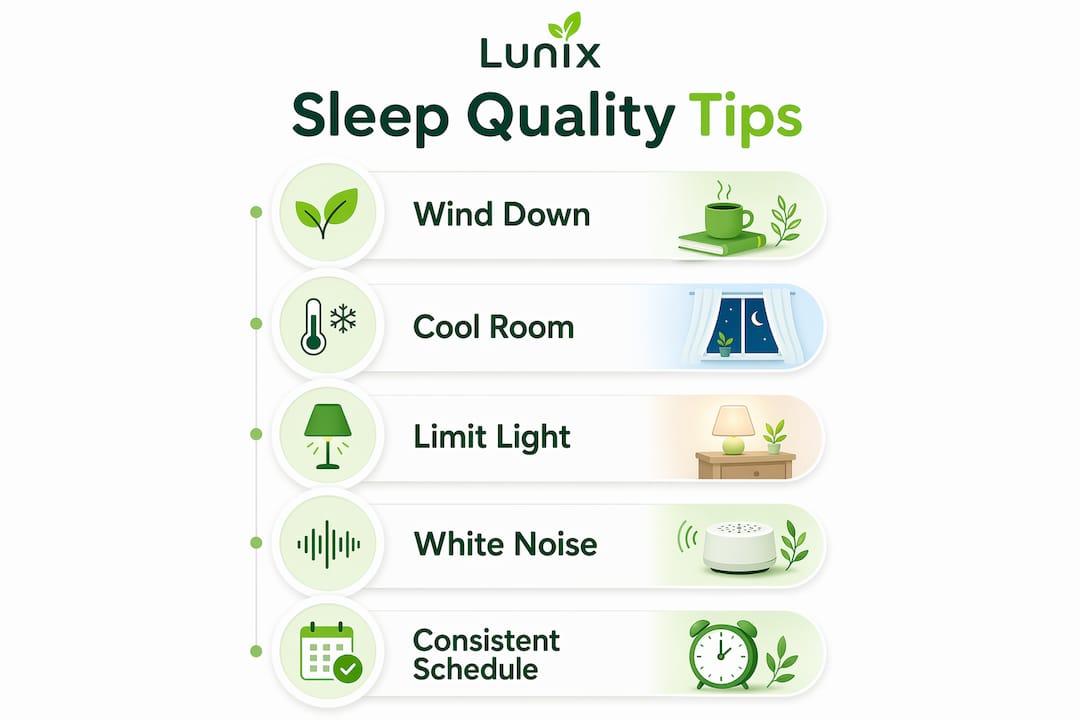
- Consistent sleep and wake times. Going to bed and waking at the same time every day, including weekends, anchors your circadian rhythm. Irregular schedules confuse your body clock and make falling asleep harder.
- Reserve your bed for sleep and sex only. Using your bed only for sleep strengthens the mental association between your bed and rest. Working, scrolling, or watching TV in bed trains your brain to stay alert there instead of winding down.
- Limit naps to 20 minutes. Napping more than 20 minutes or napping after 3 p.m. reduces your sleep drive and makes it harder to fall asleep at night.
- Build a relaxing pre-sleep routine. Activities like reading, light stretching, or meditation signal your nervous system to shift into rest mode. A warm bath is especially effective, and the reason why is explained in the next section.
- Cut caffeine and nicotine in the afternoon. Both are stimulants that stay active in your system for hours. Caffeine consumed after 2 p.m. can still be disrupting your sleep at midnight.
Pro Tip: Set a phone alarm labeled “wind down” 45 minutes before your target bedtime. Treat it the same way you treat a morning alarm. Consistency is what makes the habit stick.
A bedtime routine for better sleep does not need to be elaborate. Twenty to thirty minutes of calm, screen-free activity is enough to shift your body into sleep mode reliably.
How can optimizing your bedroom environment enhance your sleep?
Your bedroom environment sends constant signals to your brain. Temperature, light, and sound all influence how quickly you fall asleep and how deeply you stay asleep. Getting these factors right is one of the fastest ways to see improvement.
Temperature
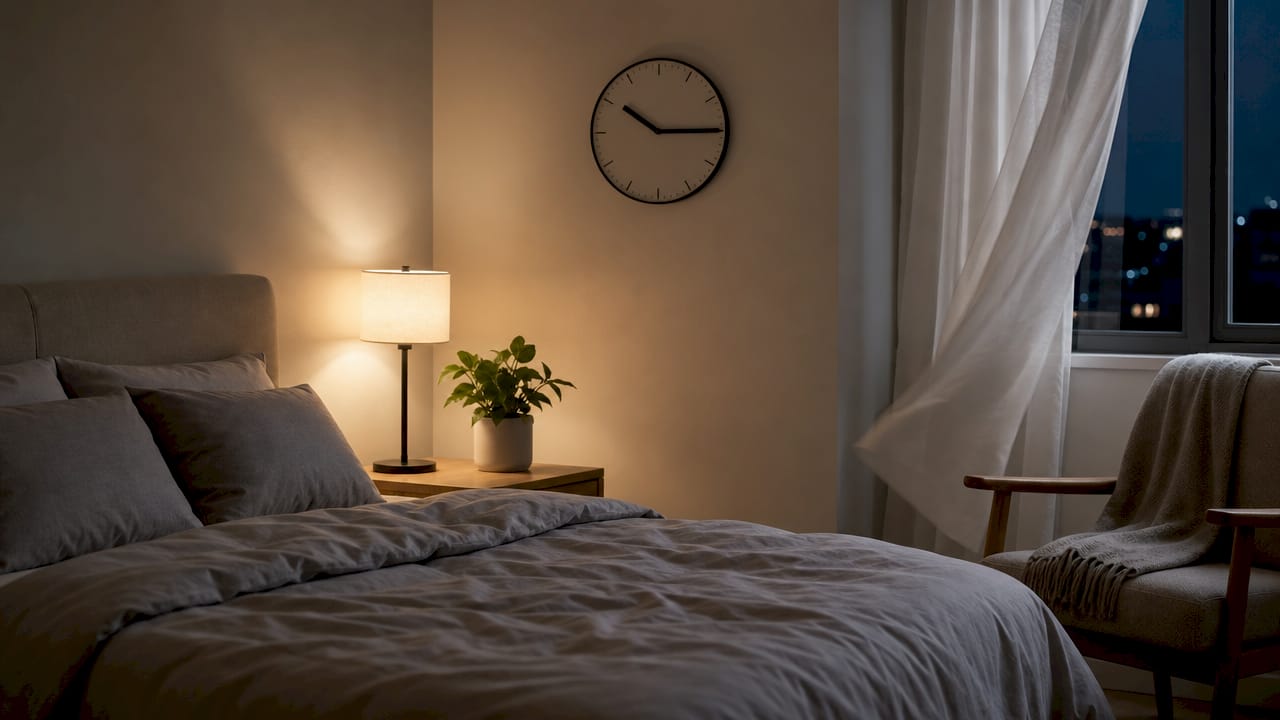
The ideal sleep temperature is 60°F–68°F. A cooler room helps your core body temperature drop, which is a biological trigger for sleep onset. If your bedroom runs warm, a fan or light bedding can make a meaningful difference.
Light control
| Light source | Impact on sleep | Recommended action |
|---|---|---|
| Blue light from screens | Suppresses melatonin production | Stop screen use 60 minutes before bed |
| Overhead room lights | Delays sleep onset | Switch to dim lamps after 8 p.m. |
| Street lights or sunrise | Causes early waking | Install blackout curtains |
| Nightlights for bathroom trips | Minimal disruption if dim | Use a low-wattage red or amber light |
Sound and comfort
Noise is one of the most underestimated sleep disruptors. A white noise machine or a simple fan creates a consistent audio background that masks sudden sounds like traffic or a partner’s movement. For your bedding, the goal is comfort without overheating. Breathable materials like cotton or bamboo work better than synthetic fabrics for most adults over 40.
Pro Tip: Declutter your bedroom. Visual chaos creates mental stimulation. A tidy, calm space reinforces the mental cue that this room is for rest.
For a deeper look at setting up your space, the guide on designing a restful bedroom covers layout, lighting, and material choices in detail.
What lifestyle and daily habits support better sleep quality?
What you do during the day shapes how well you sleep at night. For adults in midlife, circadian rhythms become more sensitive to lifestyle disruptions, so daytime habits carry more weight than they did at 30.
These five habits produce the most consistent results:
-
Exercise regularly, but time it right. Aerobic exercise improves deep sleep but should finish at least two hours before bedtime. Endorphins and elevated body temperature from a late workout can keep you alert for hours. Morning or early afternoon workouts deliver the sleep benefit without the disruption. The connection between sleep and muscle recovery runs both ways: exercise improves sleep, and sleep improves exercise recovery.
-
Get morning light exposure. Bright light in the morning helps regulate your circadian rhythm by signaling your brain to stay alert during daylight hours and release melatonin at night. Ten to fifteen minutes outside within an hour of waking is enough to make a difference.
-
Watch your meal timing. Heavy meals within two to three hours of bedtime force your digestive system to stay active, which raises your core temperature and delays sleep onset. A light snack is fine; a full dinner at 10 p.m. is not.
-
Limit alcohol. Alcohol before bed feels sedating at first but fragments your sleep cycles later in the night. It reduces REM sleep, which is the stage most responsible for emotional processing and memory consolidation. A glass of wine at dinner is very different from a nightcap at 11 p.m.
-
Manage stress actively. Unresolved stress is one of the top causes of middle-of-the-night waking for adults over 40. Mindfulness practices, journaling, or even a short breathing exercise before bed lower cortisol levels and prepare your nervous system for rest.
How to troubleshoot common sleep challenges and maintain long-term improvements?
Even with good habits in place, you will hit rough patches. Knowing how to respond without making things worse is what separates people who sustain better sleep from those who give up after a bad week.
- If you cannot fall asleep within 20 minutes, get out of bed. Staying in bed while awake builds anxiety and trains your brain to associate the bed with frustration. Go to another room, do something calm like reading under dim light, and return only when you feel drowsy.
- For middle-of-the-night waking, protect your melatonin. Using dim light during nighttime waking, such as a small flashlight instead of the overhead bathroom light, minimizes melatonin suppression and makes it easier to fall back asleep.
- Avoid checking the clock. Watching the minutes pass increases arousal and anxiety. Turn your clock face away or move it out of sight.
- If progress stalls, return to the basics. Sleep quality improvement is not linear. When results plateau, audit your sleep and wake times first. Inconsistency there is usually the culprit.
- Know when to seek professional help. Persistent difficulty falling or staying asleep, loud snoring, gasping during sleep, or excessive daytime fatigue despite adequate time in bed are signs of a sleep disorder. Conditions like sleep apnea and insomnia disorder respond well to clinical treatment, including cognitive behavioral therapy for insomnia (CBT-I), which is the first-line treatment recommended by sleep medicine specialists.
Pro Tip: Keep a simple sleep log for two weeks. Note your bedtime, wake time, and one factor that felt different each day. Patterns become obvious quickly, and you will know exactly what to adjust.
Sleep hygiene works by setting the conditions for sleep to happen naturally. Trying to force sleep increases anxiety and makes the problem worse. Your job is to remove the obstacles. Sleep does the rest.
Key takeaways
Consistent sleep hygiene habits, a well-controlled bedroom environment, and aligned daytime behaviors are the three pillars of lasting sleep quality improvement for adults aged 40–65.
| Point | Details |
|---|---|
| Sleep hygiene is the foundation | Consistent sleep and wake times anchor your circadian rhythm before anything else. |
| Bedroom environment matters | Keep your room between 60°F–68°F, dark, and quiet to support natural sleep onset. |
| Daytime habits shape nighttime sleep | Morning light, timed exercise, and limited alcohol directly improve sleep quality. |
| Troubleshoot without panic | Leave the bed after 20 minutes of wakefulness and use dim light during night wakings. |
| Seek help when needed | Persistent symptoms like snoring or excessive fatigue warrant a clinical evaluation. |
What I have learned about sleep after years in wellness
The most common mistake I see adults make after 40 is reaching for a supplement or a sleep app before addressing the basics. Melatonin will not fix a 1 a.m. bedtime. A sleep tracker will not help if your bedroom is 74°F and you are checking email in bed at 11 p.m.
What actually works is less exciting but far more reliable. A consistent wake time, a cool and dark room, and a 30-minute wind-down routine will outperform almost any product on the market. The science on this is not new. What changes after 40 is that your body becomes less forgiving of inconsistency. The same habits that let you function on six hours at 32 will leave you foggy and irritable at 52.
The other thing worth saying plainly: you cannot force sleep. Trying harder makes it worse. Sleep hygiene is about removing friction, not adding effort. When you stop treating sleep as a performance and start treating it as a condition you create, everything shifts.
Customize your approach based on your life. If you travel for work, your sleep schedule will flex. If you have a health condition affecting your sleep, work with a clinician. But the fundamentals apply to everyone. Start there, stay consistent for at least two to three weeks, and the results will follow.
— Lunix
Rest better with Lunix recovery solutions
Good sleep habits lay the groundwork. The right recovery support builds on them.

Lunixinc designs recovery and comfort products built for adults who take their rest seriously. Whether you are managing muscle tension after exercise, dealing with postural discomfort, or simply looking to make your recovery time more effective, the Lunix recovery collection offers solutions that complement the sleep environment and routines you are already building. These products are not a substitute for good habits. They are what you add once the foundation is solid, giving your body the physical support it needs to restore fully overnight.
FAQ
How many hours of sleep do adults over 40 need?
Most adults need 7–9 hours of sleep per night to maintain physical repair and cognitive health. Consistently sleeping less disrupts immune function and body recovery cycles.
What is the best bedroom temperature for sleep?
The ideal sleep temperature is between 60°F and 68°F. A cooler room triggers the drop in core body temperature that signals your brain to initiate sleep.
Does alcohol help or hurt sleep quality?
Alcohol disrupts sleep quality despite its initial sedating effect. It fragments sleep cycles later in the night and reduces REM sleep, the stage most critical for recovery and memory.
What should I do if I cannot fall asleep after 20 minutes?
Get out of bed and do a calm, non-stimulating activity in another room until you feel drowsy. Staying in bed while awake builds a negative mental association that makes future sleep harder.
When should I see a doctor about my sleep?
Seek professional evaluation if you experience persistent insomnia, loud snoring, gasping during sleep, or severe daytime fatigue. These symptoms may indicate a treatable sleep disorder like sleep apnea or clinical insomnia.