


Tension and daily stress can leave even the most health-focused professionals searching for new ways to recharge. As interest in alternative therapies continues to rise among American adults, reflexology stands out for its gentle yet targeted approach to relaxation. This practice involves applying precise pressure to mapped points on the feet, hands, or ears, offering clients a unique path toward balance and well-being. Discover how body mapping in reflexology may help support stress relief where traditional approaches fall short.
Table of Contents
- Reflexology Defined: Principles and Misconceptions
- Major Types of Reflexology and Their Differences
- How Reflexology Works in Practice
- Key Benefits for Stress and Health
- Risks, Contraindications, and Safety Measures
- Comparisons With Other Alternative Therapies
Key Takeaways
| Point | Details |
|---|---|
| Reflexology Promotes Wellness | This holistic practice applies pressure to specific points to enhance overall balance and health. |
| Understanding Body Mapping is Essential | Reflexology operates on the principle that parts of the extremities correspond to internal organs and systems. |
| Regular Sessions Can Reduce Stress | Engaging in reflexology may help manage stress and improve relaxation and emotional well-being. |
| Consultation with Practitioners is Crucial | It’s important to discuss personal health goals with a licensed reflexology practitioner for a tailored approach. |
Reflexology Defined: Principles and Misconceptions
Reflexology is a holistic healing practice that focuses on applying strategic pressure to specific points on the feet, hands, and ears to promote overall wellness and balance. Unlike traditional massage, this therapeutic technique operates on a unique principle of body mapping - where distinct areas of the extremities correspond to internal organs and body systems.
The core principles of reflexology are rooted in understanding these intricate body-point connections. Complementary health practitioners believe that by stimulating precise reflex points, practitioners can potentially:
- Release tension and blockages in corresponding body systems
- Stimulate nerve function and improve circulation
- Reduce stress and promote deep relaxation
- Support the body’s natural healing mechanisms
- Balance energy pathways within the body
Despite its long history, reflexology remains a somewhat misunderstood practice. Many people confuse it with standard massage therapy or assume it functions like acupuncture. In reality, reflexology is a distinct modality that focuses on applying targeted pressure without using needles or extensive manipulation.
Reflexology is not about treating specific medical conditions, but rather supporting the body’s inherent capacity for self-regulation and healing.
Scientific research on reflexology has produced mixed results. While many individuals report significant benefits like stress reduction and improved relaxation, rigorous medical studies have not conclusively proven direct physiological healing mechanisms. The benefits seem more closely tied to the therapeutic touch, stress relief, and overall relaxation experienced during sessions.
Pro tip: Before trying reflexology, consult with a licensed practitioner and discuss your specific health goals to ensure the most personalized approach.
Major Types of Reflexology and Their Differences
Reflexology encompasses several distinct approaches, each with unique techniques and therapeutic focuses. Different reflexology styles have evolved to address varying wellness needs, creating a diverse landscape of holistic healing practices.
The primary types of reflexology include:
- Foot Reflexology: The most traditional and widely practiced form
- Hand Reflexology: Ideal for individuals uncomfortable with foot treatments
- Ear Reflexology: A more specialized technique focusing on ear reflex points
- Zone Therapy Reflexology: Based on dividing the body into ten vertical energy zones
- Traditional Chinese Reflexology: Integrating principles of traditional Chinese medicine
Each type of reflexology operates on the fundamental principle that specific areas of the extremities correspond to internal organs and body systems. Body mapping remains the core scientific concept underlying all these approaches, with practitioners using targeted pressure to potentially stimulate healing responses.
While techniques vary, the underlying philosophy remains consistent: the body has an innate capacity to heal itself when properly stimulated.
Foot reflexology remains the most prevalent method, offering comprehensive coverage of body systems. Reflexology practitioners typically customize their approach based on individual client needs, selecting the most appropriate technique to address specific wellness goals.
Hand and ear reflexology provide alternative options for those with foot sensitivity or specific therapeutic requirements. These methods utilize similar mapping principles but focus on different reflex zones, allowing for more personalized treatment strategies.
Here’s an overview of the main types of reflexology and what makes each unique:
| Type of Reflexology | Focus Area | Unique Feature | Best For |
|---|---|---|---|
| Foot Reflexology | Feet | Covers all body systems | Comprehensive care |
| Hand Reflexology | Hands | Portable and accessible | People with foot sensitivity |
| Ear Reflexology | Ears | Uses small reflex zones | Targeted issues or preferences |
| Zone Therapy | Feet/Hands | Divides body into energy zones | Energy balancing |
| Chinese Reflexology | Feet/Hands | Integrates Chinese medicine principles | Holistic approaches |
Pro tip: Consider consulting a certified reflexology practitioner to determine which specific type might best address your individual health and wellness objectives.
How Reflexology Works in Practice
Reflexology is a precise therapeutic approach that involves applying strategic pressure to specific reflex points on the body. Practitioners utilize specialized techniques to stimulate healing responses through targeted manipulation of feet, hands, and ears.
The core practice involves several key elements:
- Identifying specific reflex zones corresponding to body systems
- Applying controlled pressure using hands and fingers
- Creating a calm, relaxed treatment environment
- Focusing on gentle, intentional touch
- Maintaining consistent, moderate pressure
During a typical session, the reflexologist will map out precise areas that correspond to different internal organs and body systems. These mapped zones serve as intricate communication pathways, potentially helping to release tension and promote natural healing processes.
Reflexology is not about treating specific medical conditions, but supporting the body’s innate capacity for self-regulation and balance.
Scientific research suggests that reflexology may activate neural pathways, potentially influencing blood circulation and reducing stress. While the exact physiological mechanisms remain under investigation, many clients report significant improvements in overall relaxation and well-being.
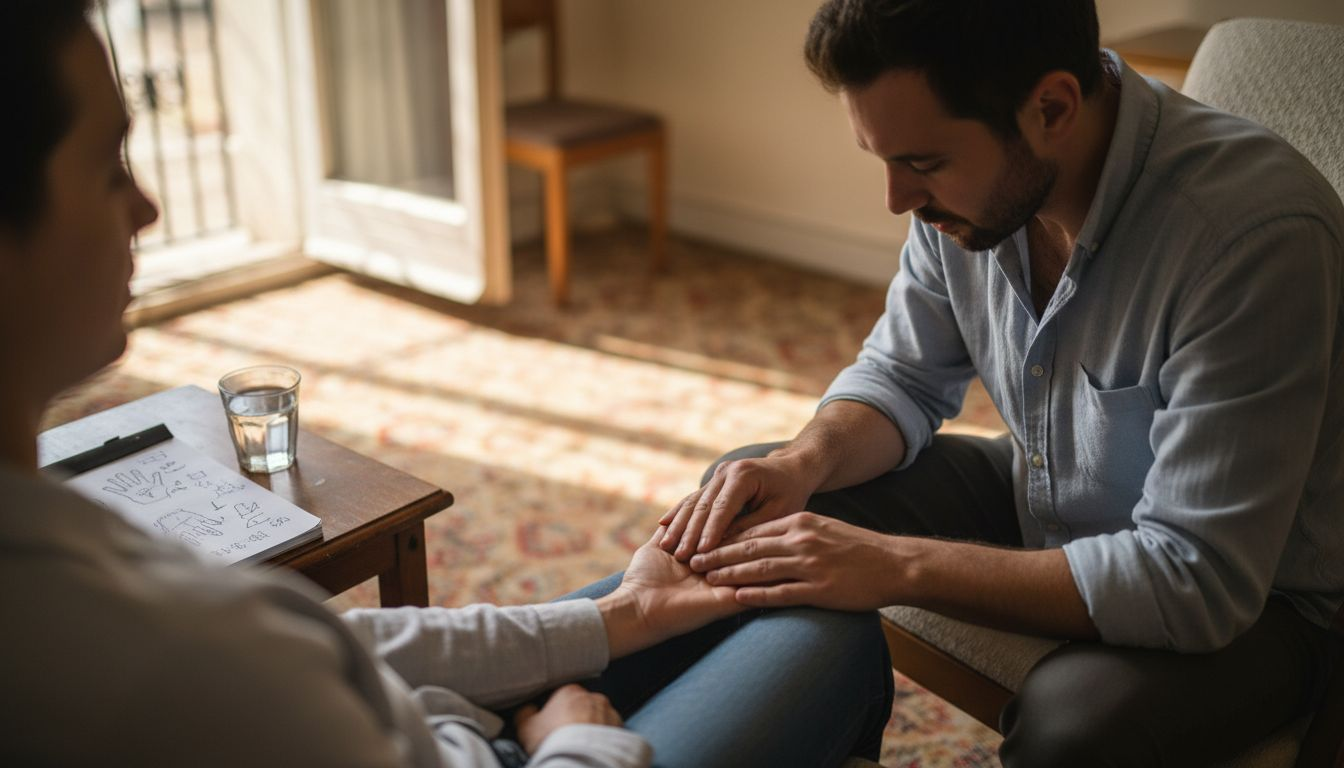
The treatment typically involves a systematic approach where practitioners apply precise pressure using their hands, fingers, and sometimes specialized tools. Each session is customized to individual needs, with pressure and focus areas tailored to the client’s specific health objectives and physical responses.
Pro tip: Wear comfortable, loose clothing and communicate openly with your reflexologist about your health history and specific wellness goals.
Key Benefits for Stress and Health
Systematic research reviews reveal multiple significant health benefits associated with reflexology, particularly in managing stress and promoting overall wellness.
Key benefits of reflexology include:
- Reducing physiological stress responses
- Improving sleep quality and duration
- Enhancing emotional well-being
- Supporting pain management
- Boosting circulation and neural function
- Promoting deep relaxation
- Supporting immune system resilience
Reflexology’s holistic approach addresses both mental and physical dimensions of stress. By targeting specific reflex points, practitioners aim to interrupt chronic stress cycles and support the body’s natural healing mechanisms. These targeted interventions can help reset the nervous system, potentially reducing cortisol levels and promoting a more balanced physiological state.
Reflexology works not by treating symptoms, but by supporting the body’s inherent capacity for self-regulation and healing.
Integrative health research suggests that reflexology’s effectiveness stems from its ability to activate the cerebral cortex and regulate neural and endocrine systems. This complex interaction can help modulate stress responses, potentially improving overall health and preventing stress-related complications.
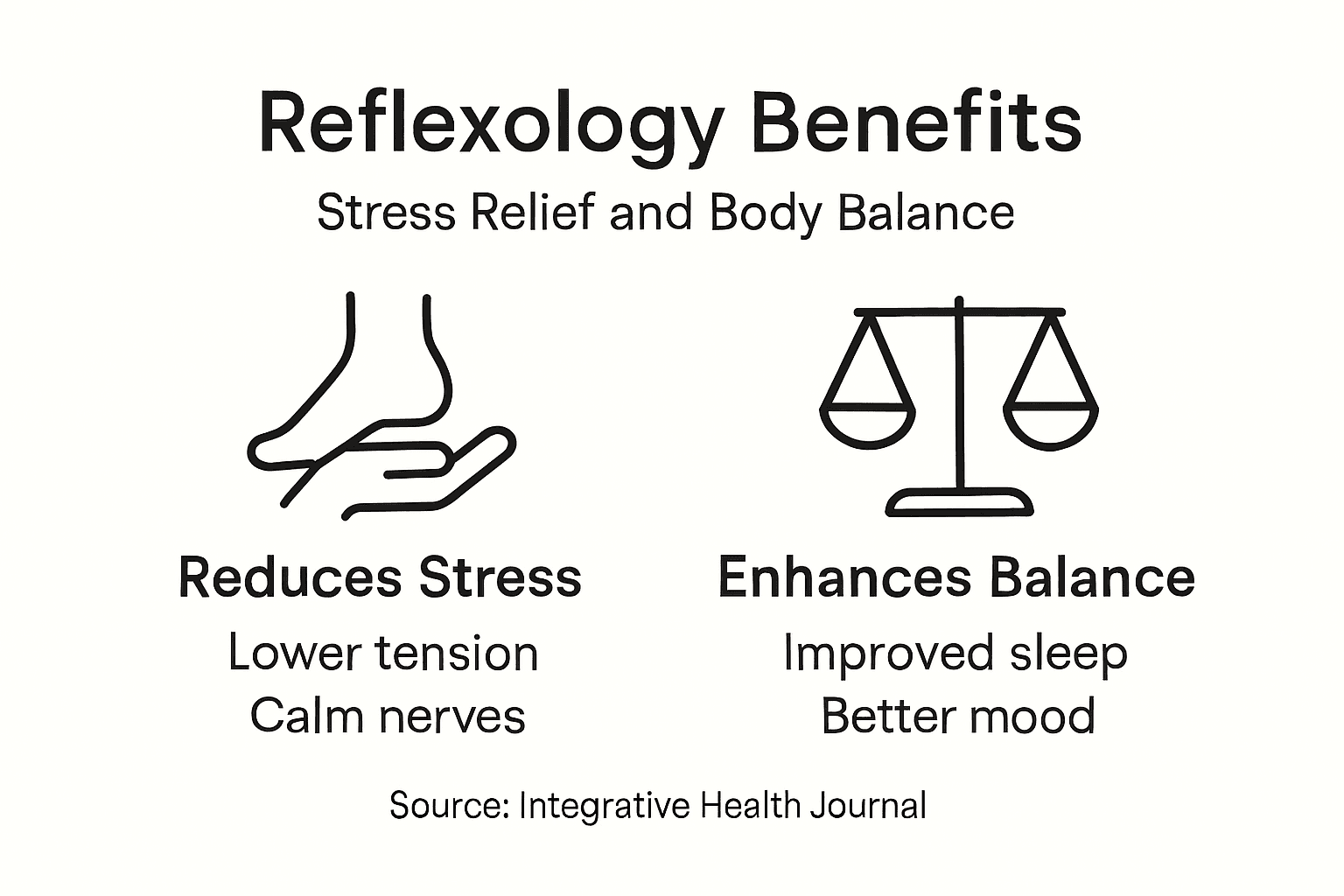
The practice goes beyond temporary relaxation, offering a comprehensive approach to stress management. By stimulating specific reflex zones, reflexology may help individuals develop greater body awareness, emotional resilience, and a more balanced approach to managing daily stressors.
Pro tip: Consider scheduling regular reflexology sessions during high-stress periods to support your body’s natural stress adaptation mechanisms.
Risks, Contraindications, and Safety Measures
Professional medical guidelines emphasize the importance of understanding potential risks and safety considerations associated with reflexology treatments. While generally considered safe, the practice requires careful assessment and professional guidance.
Key contraindications and safety concerns include:
-
Cardiovascular conditions
- Deep vein thrombosis
- Severe circulatory disorders
-
Active health challenges
- Acute infections
- Unhealed wounds or foot injuries
- Open wounds or skin infections
-
Specific medical circumstances
- Gout
- Severe systemic illnesses
- Fractures or recent surgical procedures
Reflexology practitioners must conduct thorough health assessments before initiating treatment. This involves comprehensive client screening to identify potential risks and determine the appropriateness of the therapy for individual health conditions.
Safety in reflexology is paramount: always prioritize professional assessment and open communication about your health history.
Medical professionals recommend that reflexology should complement, not replace, conventional medical treatment. Clients with pre-existing health conditions should consult their primary healthcare provider before beginning reflexology sessions.
Even for generally healthy individuals, practitioners should maintain strict hygiene protocols, use proper techniques, and remain attentive to client comfort and potential adverse reactions. Potential side effects, though rare, can include temporary fatigue, emotional release, or mild discomfort during treatment.
Pro tip: Always disclose your complete medical history to your reflexology practitioner and obtain medical clearance if you have complex health conditions.
Comparisons With Other Alternative Therapies
Alternative therapy research reveals unique distinctions between reflexology and other holistic healing practices, highlighting its specialized approach to wellness and body balance.
Key comparative characteristics include:
-
Acupuncture Comparison
- Uses manual pressure instead of needles
- Less invasive technique
- Focuses on reflex zones rather than energy meridians
-
Massage Therapy Differences
- Targets specific body map zones
- More precise pressure application
- Concentrates on organ-related reflex points
-
Chiropractic Variations
- Non-manipulative approach
- Emphasizes subtle energy stimulation
- Does not involve skeletal adjustments
Reflexology distinguishes itself through its intricate body mapping philosophy, where specific extremity points correspond directly to internal organ systems. Unlike broad-spectrum therapies, reflexology operates on a precise, targeted principle of healing and stress reduction.
Alternative therapies share a common goal: supporting the body’s natural healing mechanisms through specialized interventions.
Complementary medicine experts note that while reflexology shares wellness objectives with other therapies, its evidence base remains more limited. The practice primarily demonstrates benefits through relaxation and stress management, similar to massage therapy but with a more specialized approach.
Each alternative therapy brings unique strengths to holistic health practices. Reflexology’s nuanced technique offers a gentle, non-invasive method of potentially supporting the body’s internal balance and promoting overall well-being.
Below is a quick comparison of reflexology with other major alternative therapies:
| Therapy Type | Main Technique | Invasiveness Level | Primary Focus |
|---|---|---|---|
| Reflexology | Manual pressure | Non-invasive | Body map stimulation |
| Acupuncture | Needle insertion | Minimally invasive | Energy meridian balance |
| Massage Therapy | Muscle manipulation | Non-invasive | Tissue relaxation |
| Chiropractic | Spinal adjustments | Manipulative | Skeletal alignment |
Pro tip: Consult multiple holistic health practitioners to understand how different alternative therapies might complement your personal wellness strategy.
Discover Effective Stress Relief and Body Balance with Lunix
Reflexology supports your body’s natural ability to restore and maintain balance by targeting key reflex points to reduce stress and improve circulation. If you are looking to enhance these benefits in your daily routine, our curated collection of smart wellness products can complement your reflexology sessions by promoting deep relaxation and boosting blood flow. Explore our Relaxation – Lunix and Improves Circulation – Lunix collections designed to support your well-being comprehensively.

Take the next step toward total wellness today by integrating innovative comfort solutions that elevate your recovery and relaxation experiences. Visit https://lunixinc.com to transform your everyday spaces into personalized wellness stations that help your body perform at its best. Start feeling the difference now.
Frequently Asked Questions
What are the main benefits of reflexology for stress relief?
Reflexology can help reduce physiological stress responses, improve sleep quality, enhance emotional well-being, and promote deep relaxation by targeting specific reflex points on the body.
How does reflexology work to promote body balance?
Reflexology applies targeted pressure to specific points on the feet, hands, and ears, which correspond to internal organs and systems, potentially supporting the body’s natural healing mechanisms and restoring balance.
What types of conditions can reflexology help manage?
While reflexology is not intended to treat specific medical conditions, it may support general wellness and stress management, helping individuals with issues like anxiety, insomnia, and muscle tension.
Are there any risks or contraindications associated with reflexology?
Yes, reflexology may not be suitable for individuals with certain health conditions, such as severe circulatory disorders or open wounds. It’s important to consult a licensed practitioner and disclose your medical history before starting treatment.