


If you’re searching for lowestcostmattress.com alternatives, the good news is that 2026 offers more expert-reviewed, budget-friendly options than ever before. The best affordable mattresses right now sit in the $600–$700 range for a queen, carry CertiPUR-US certification, and come with trial periods long enough to know whether your body actually likes them. The picks below are drawn from independent testing, verified user reviews, and real material specs, not just sticker price.
| Mattress | Best For | Type | Price Range (Queen) | Warranty | Trial Period | Temp Regulation | Support Level |
|---|---|---|---|---|---|---|---|
| Brooklyn Bedding CopperFlex Memory Foam | Back & combo sleepers | Memory foam | $449 | 10-year | 120 nights | Moderate | Medium-firm |
| Bear Original | Athletes, hot sleepers | Foam | $699 | Lifetime | 120 nights | Good | Medium |
| Nectar Classic | Side sleepers, couples | Memory foam | $649 | Lifetime | a very long trial period | Moderate | Medium |
| Leesa Original | Combo sleepers | All-foam | $999 | 10-year | 100 nights | Moderate | Medium |
| Layla Essential Mattress | Adjustable firmness needs | Memory foam | $549 | Lifetime | 120 nights | Moderate | Soft/Firm (flippable) |
| Silk & Snow Hybrid | Side & back, hot sleepers | Hybrid | $895 | 10-year | 100 nights | Good | Medium |
| Zinus Cooling Comfort Support Hybrid | Guest rooms, budget buyers | Hybrid | $299 | 10-year | 100 nights | Moderate | Medium |
| Novilla Bliss Memory Foam | Back sleepers, value seekers | Memory foam | $349 | — | 100 nights | Moderate | Medium |
| Siena Signature Hybrid | Couples, side sleepers | Hybrid | $399 | 10-year | 365-night | Moderate | Medium |
| Novaform ComfortGrande 14" | Hot sleepers, foam fans | Gel memory foam | $599 | 3-year | 30–60 nights | Good | Medium |
| Awara Natural Luxury Hybrid | Eco-conscious buyers | Hybrid (latex) | $799 | Lifetime | a very long trial period | Good | Medium-firm |
| DLX Essential | Balanced foam feel | Foam | $399 | 10-year | 100 nights | Moderate | Medium |
| SweetNight CoolNest Memory Foam | Hot sleepers, side sleepers | Memory foam | $449 | 10-year | 100 nights | Very good | Medium |
| Dreamfoam CopperFlex RV Hybrid | RV owners, small spaces | Hybrid | $349 | 10-year | 30 nights | Moderate | Medium |
| Siena Memory Foam Mattress | Back & stomach sleepers | Memory foam | $299 | 10-year | 365-night | Moderate | Medium-firm |
| Sealy Posturepedic Spring | Back sleepers, innerspring fans | Innerspring | $699 | 10-year | 30–60 nights | Good | Firm |
| Helix Midnight | Side sleepers, pressure relief | Hybrid | $899 | 10-year | 100 nights | Good | Medium |
| DreamCloud Classic Hybrid | Back sleepers, couples | Hybrid | $799 | Lifetime | a very long trial period | Good | Medium-firm |
Pro Tip: A long-lasting warranty is only as good as the company behind it. Before buying, check whether the brand has been in business for at least five years and whether its warranty covers sagging over 1.5 inches, which is the most common failure point in budget foam mattresses.
Which budget mattress fits your sleep style and price range?
The right mattress depends far less on brand name than on how you sleep and what you weigh. Consumer Reports consistently advises shoppers to match mattress type to body weight and sleep position first, then filter by price. Here’s how the picks above break down by real-world need.
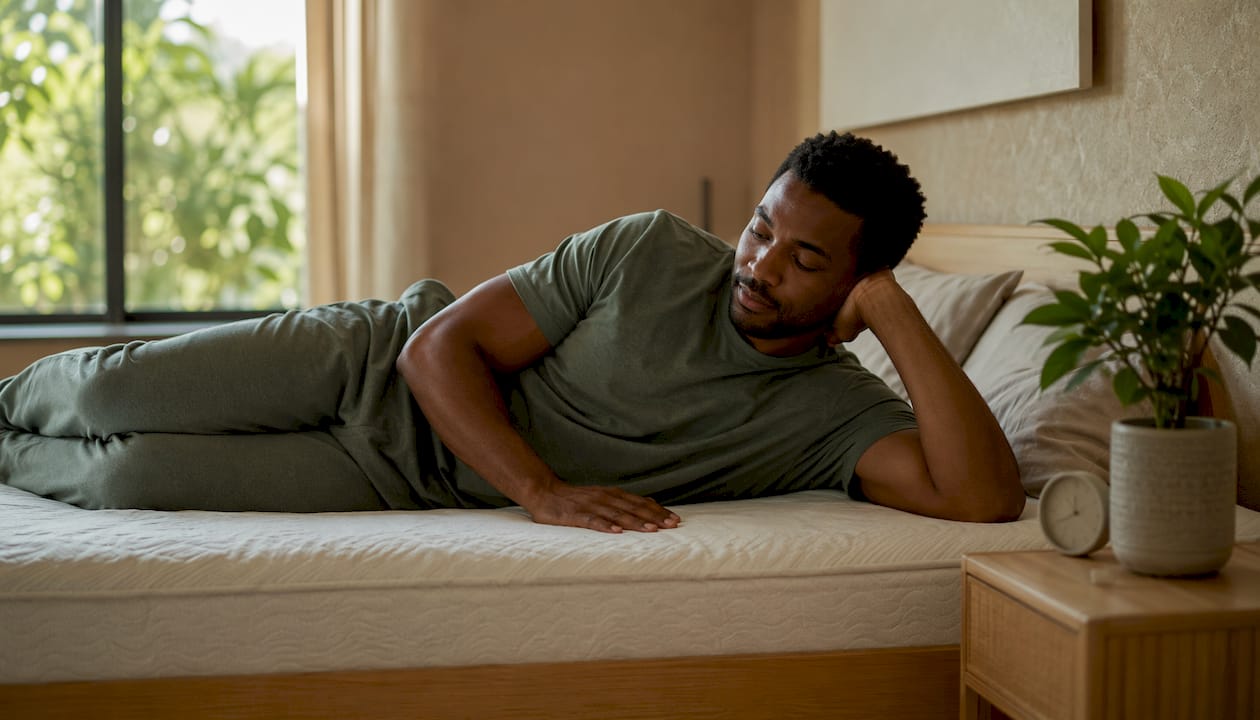
Side sleepers
Side sleepers need pressure relief at the shoulder and hip. The Nectar Classic delivers this better than almost anything in its price tier, with multiple memory foam layers that contour without bottoming out. The Helix Midnight adds pocketed coils beneath zoned foam, which gives side sleepers both cushion and rebound. If your budget is tighter, the Siena Signature Hybrid at $399 offers surprising pressure relief for couples who share a bed.
Back and stomach sleepers
Back sleepers generally need a firmer surface to keep the spine neutral. The Bear Original was built with active users in mind, and its medium feel works well for back sleepers who run warm. The Sealy Posturepedic Spring uses established innerspring technology that back sleepers often prefer for its responsive, non-sinking feel. Stomach sleepers, who need the firmest support to prevent hip sinkage, do well with the Siena Memory Foam Mattress or the firm side of the flippable Layla Essential.
Hot sleepers
Temperature regulation separates good budget mattresses from frustrating ones. The SweetNight CoolNest uses an enhanced airflow foam layer specifically designed to move heat away from the body. The Novaform ComfortGrande 14" relies on gel-infused memory foam for the same purpose. Both sit under $600 and outperform many mattresses twice their price on this dimension. The Silk & Snow Hybrid adds coil airflow to the equation, making it a strong pick for hot sleepers who also want edge support.
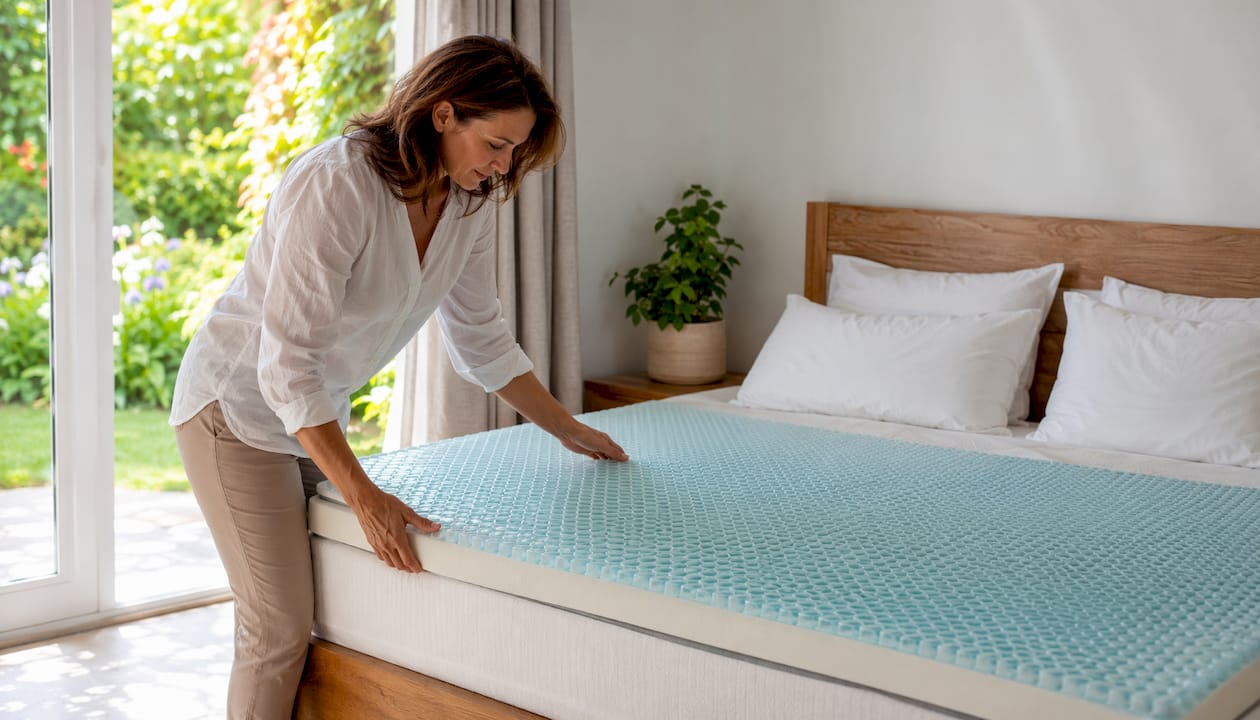
Couples and motion-sensitive sleepers
Motion isolation is where all-foam mattresses shine. The Nectar Classic absorbs movement so well that a restless partner rarely disturbs the other side. The DreamCloud Classic Hybrid balances isolation with enough bounce for easy repositioning, which couples who move around at night tend to prefer. Independent testing at NapLab has ranked DreamCloud among the best value options in the $500–$700 range for back and side sleepers alike.
Price tiers at a glance
- Under $400: Zinus Cooling Comfort Support Hybrid (~$299), Siena Memory Foam (~$299), Dreamfoam CopperFlex RV Hybrid (~$349), Novilla Bliss (~$349), Siena Signature Hybrid (~$399), DLX Essential (~$399). These are entry-level picks. Mattresses below $400 often use lower-density foam that can sag within one to two years, so prioritize CertiPUR-US certification and at least a 10-year warranty even at this tier.
- $400–$700 (best value): Brooklyn Bedding CopperFlex (~$449), SweetNight CoolNest (~$449), Layla Essential (~$549), Novaform ComfortGrande (~$599), Nectar Classic (~$649), Bear Original (~$699), Sealy Posturepedic (~$699). This is where quality and price intersect most favorably for budget shoppers.
- $700–$999 (premium budget): Awara Natural Luxury Hybrid (~$799), DreamCloud Classic Hybrid (~$799), Helix Midnight (~$899), Silk & Snow Hybrid (~$895), Leesa Original (~$999). These carry longer warranties, better materials, and in some cases lifetime coverage.
Online vs. in-store buying
Buying online almost always costs less for the same mattress. Online sellers skip showroom overhead and pass that saving to you. More importantly, online return policies tend to be far more generous. Brands like Zinus offer 100-night returns through Amazon, while Nectar and DreamCloud extend trials to a very long trial period. No brick-and-mortar store matches that. The tradeoff is that you can’t feel the mattress before it arrives, which is exactly why a long trial period matters so much.
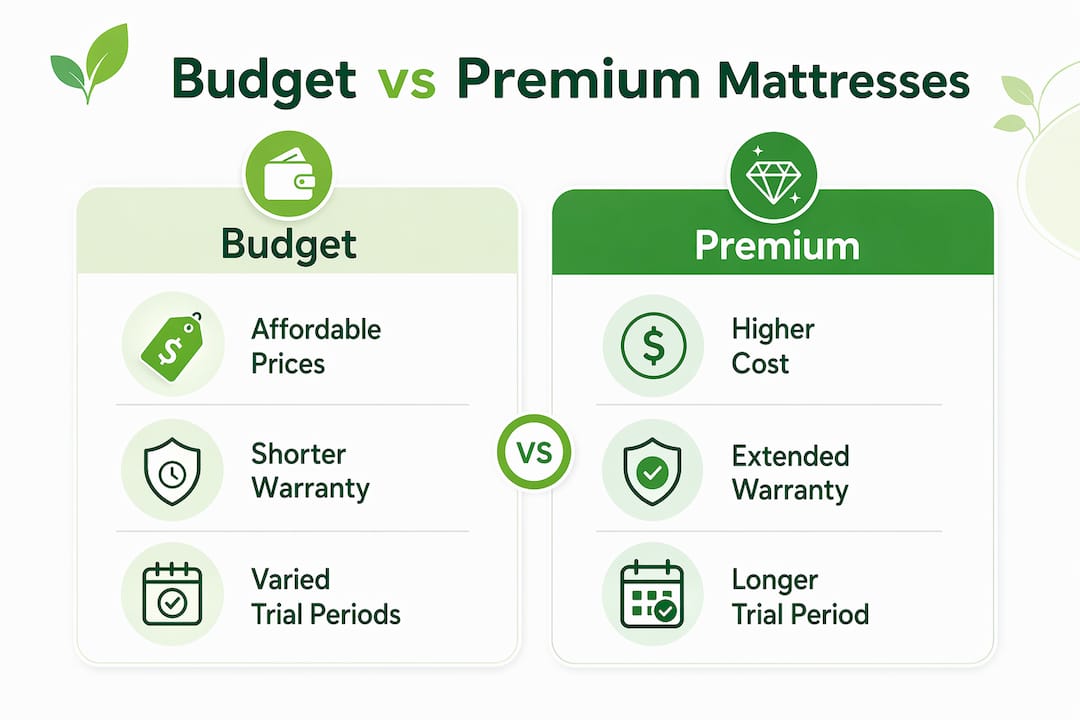
How to choose a quality affordable mattress for your needs
Picking a cheap mattress that actually lasts starts with knowing what to look for beyond the price tag. A few concrete criteria separate the durable picks from the ones you’ll be replacing in 18 months.
Key buying criteria
- CertiPUR-US certification: This confirms the foam was tested for harmful chemicals and meets durability standards. Every mattress on this list carries it. Skip any budget mattress that doesn’t.
- Warranty length: Experts recommend at least a 10-year limited warranty as a baseline. Lifetime warranties from brands like Nectar, Bear, Layla, and Awara signal genuine confidence in the product.
- Trial period: Aim for a sufficiently long trial period. Your body needs 30–60 nights to fully adjust to a new sleep surface, so a 30-night trial is rarely enough.
- Mattress height: Taller mattresses (12 inches and above) generally use thicker comfort layers, which translates to better pressure relief. The Novaform ComfortGrande with a taller mattress height is a standout example.
- Foam density: Higher-density foam (1.8 lbs per cubic foot and above for support layers) resists sagging longer. This spec isn’t always advertised, but it’s worth asking about.
Matching firmness to your body
Your weight and sleep position together determine the right firmness. Side sleepers generally prefer softer to medium surfaces; back sleepers medium to medium-firm; stomach sleepers tend to need a firmer mattress for proper support to prevent the hips from sinking and straining the lower back. The Layla Essential’s flippable design is one of the few budget options that lets you test both ends of the firmness spectrum without buying twice.
Evaluating return policies and off-gassing
Read the return policy before you buy, not after. Some brands charge a pickup fee or require the mattress to be in original packaging, which is nearly impossible once you’ve slept on it. Look for brands that offer free pickup returns. On off-gassing: new foam mattresses release a faint chemical smell for the first 24–72 hours. It’s harmless with CertiPUR-US certified foam, but airing the mattress in a ventilated room for a day before sleeping on it speeds the process.
Finding discounts and seasonal sales
Budget mattress prices fluctuate more than most shoppers realize. The biggest sales happen around Memorial Day, Labor Day, Black Friday, and Presidents’ Day. Brands like Nectar and DreamCloud run seasonal promotions that can drop queen prices by $200–$450. Signing up for email lists before you’re ready to buy is one of the most reliable ways to catch these windows. Browser extensions like Honey or Capital One Shopping can also surface active coupon codes at checkout.
Pro Tip: A $200 mattress that sags in 18 months costs more over five years than a $600 mattress that holds its shape for a decade. Long-term value beats lowest initial price almost every time.
Using reviews and independent testing
Verified user reviews on retailer pages (look for “verified purchase” labels) and scores from independent testers like Sleep Foundation and NapLab give you a clearer picture than marketing copy. Pay attention to reviews from people with a similar sleep position and body weight to yours. One-star reviews about sagging after six months are a red flag worth taking seriously, even if the overall rating looks good.
How do budget mattress brands compare to premium options?
Many shoppers assume a $700 mattress can’t perform like a $1,500 one. The gap is smaller than you’d expect. Direct-to-consumer brands like Brooklyn Bedding and Bear use materials comparable to premium lines but cut costs by selling online without retail markups or elaborate showroom experiences.
Here’s how the standout budget picks stack up against premium benchmarks:
- Nectar Classic vs. Stearns & Foster: Stearns & Foster uses luxury pillow tops and hand-tufted covers, but Nectar’s pressure relief and motion isolation rival it for side sleepers at a fraction of the price. The 365-night trial also exceeds what most luxury brands offer.
- DreamCloud Classic Hybrid vs. BeautyRest Recharge: DreamCloud’s multiple foam and coil layers produce a feel that testers consistently describe as “hotel-like.” CNN Underscored named DreamCloud best for back pain in february 2026, a distinction usually reserved for premium brands.
- Helix Midnight vs. premium zoned hybrids: Helix uses zoned foam layers with pocketed coils, the same construction principle found in mattresses costing $1,800 or more. The difference is mostly in cover materials and brand prestige, not core performance.
- Awara Natural Luxury Hybrid vs. Saatva or Avocado: Awara uses natural latex and coils, the same material combination as organic luxury brands. It costs significantly less while carrying a long-lasting warranty and a 365-night trial.
Where budget brands genuinely excel
- Pain relief: The DreamCloud Classic Hybrid and Helix Midnight both perform well for people with lower back pain, thanks to zoned support and pressure-relieving foam layers.
- Hot sleepers: SweetNight CoolNest and Bear Original consistently outperform many premium mattresses on temperature regulation in independent tests, because their cooling features are core to the design rather than a luxury add-on.
- Couples: Nectar Classic’s motion isolation and DLX Essential’s balanced foam feel make them practical choices for two people with different sleep preferences.
Warranty and trial: budget vs. premium
This is where the comparison genuinely surprises people. Several budget brands now match or beat premium warranties. Nectar, Bear, Layla, Awara, and DreamCloud all offer lifetime warranties. Nectar and Awara both provide 365-night trials. By contrast, many premium innerspring brands cap warranties at 10 years and trials at 120 nights. The foam quality and certification in top budget brands has reached a point where long warranties are no longer a marketing risk for them.
Lunixinc offers a different kind of sleep support
The mattresses compared above cover the bed itself. But your sleep quality also depends on what surrounds it: the pillow supporting your neck, the wedge keeping your spine aligned, and the recovery tools you use when your body needs extra care.
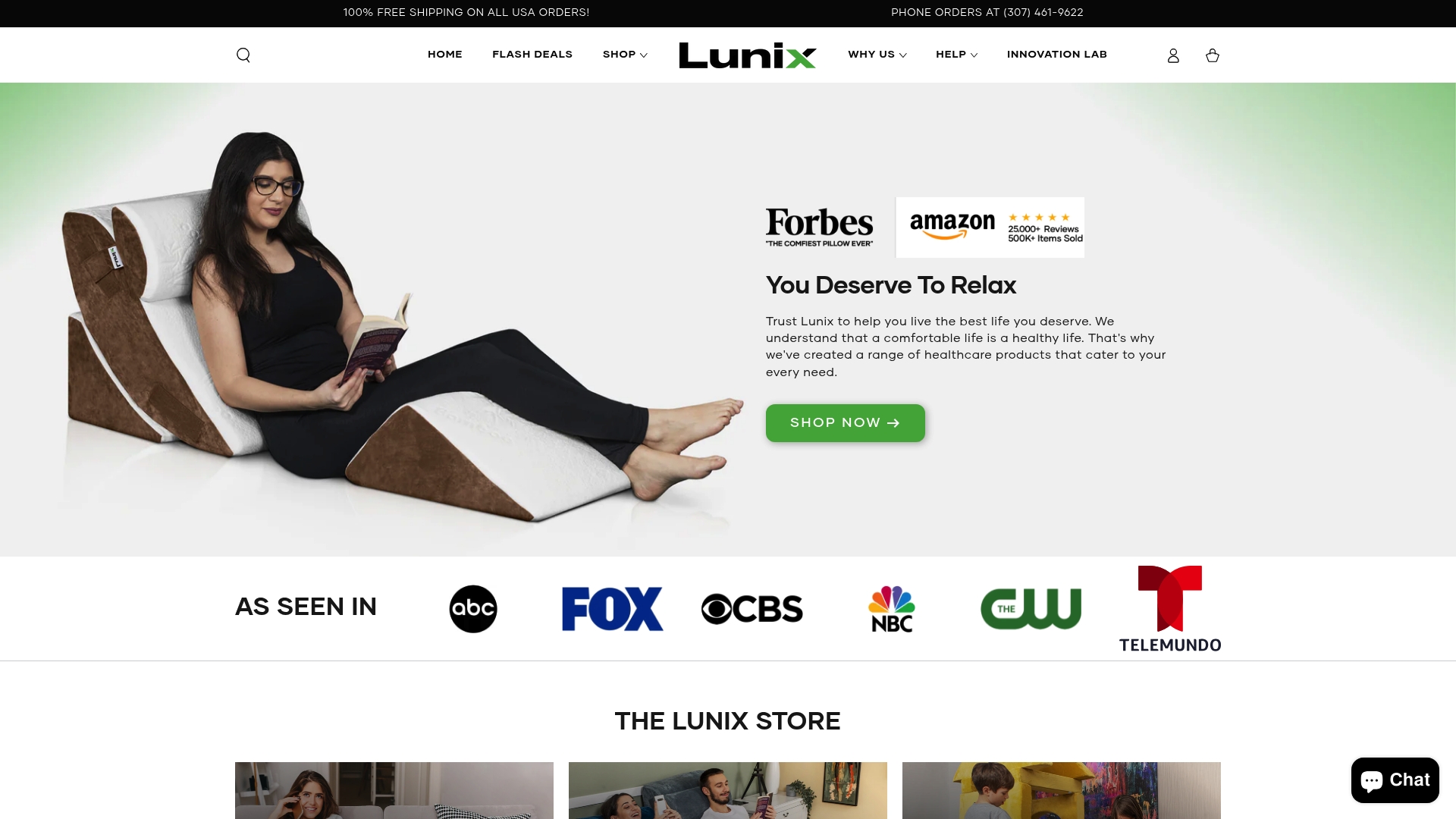
Lunixinc approaches sleep and recovery from a wellness angle rather than a mattress-retail one. If you’ve already found a great budget mattress from this list and want to build a full recovery setup around it, Lunixinc’s orthopedic wedge pillows, electric massagers, and certified comfort accessories are designed to complement any sleep surface. The LX14 Orthopedic Bed Wedge Pillow, for example, is built for people dealing with acid reflux, back pain, or post-surgery recovery, situations where even the best mattress needs a little help. Think of it as the layer of personalized support that a mattress alone can’t provide.
Key Takeaways
The best lowestcostmattress.com alternatives in 2026 are brands that combine CertiPUR-US certified materials, meaningful warranties, and trial periods long enough to make a confident decision.
| Point | Details |
|---|---|
| Best value price range | Queen mattresses in the $600–$700 range offer the strongest balance of durability, certification, and warranty. |
| Certification matters | CertiPUR-US certification confirms foam safety and durability standards; skip any budget mattress without it. |
| Trial period minimum | Aim for at least 100 nights; Nectar and DreamCloud offer 365-night trials, the longest in the budget tier. |
| Long-term value wins | A $600 mattress lasting 8–10 years costs less over time than a $200 mattress replaced every 18 months. |
| Lunixinc for recovery | Lunixinc’s orthopedic wedge pillows and recovery accessories complement any budget mattress for full sleep support. |