


Muscle soreness and sluggish circulation can keep even the most active lifestyles from feeling their best. For many American adults, finding effective ways to recover and stay healthy feels challenging. Compression therapy offers a practical approach, supporting blood flow and easing muscle tension without complicated treatments. This article dispels common myths, explains how compression works, and highlights innovations that help health-focused Americans feel more energized and resilient every day.
Table of Contents
- Compression Therapy Defined And Common Myths
- Types Of Compression Therapy Devices
- How Compression Therapy Supports Circulation
- Key Benefits For Recovery And Wellness
- Safety Considerations And Common Mistakes
Key Takeaways
| Point | Details |
|---|---|
| Compression therapy enhances circulation | By applying graduated external pressure, it promotes blood flow and supports recovery processes. |
| Myths about compression therapy are common | Many believe it’s only for older adults; however, athletes and individuals with various conditions can benefit. |
| Different devices serve varied needs | From compression stockings to pneumatic pumps, each device is tailored to specific medical and lifestyle requirements. |
| Safety is essential during use | Proper assessment, sizing, and adherence to usage guidelines are crucial to prevent adverse effects. |
Compression Therapy Defined and Common Myths
Compression therapy is a specialized treatment technique that applies consistent external pressure to specific body areas, strategically improving blood circulation and supporting physiological recovery processes. Compression therapy represents a conservative medical approach that addresses multiple health conditions through targeted pressure application.
At its core, compression therapy works by applying graduated pressure to limbs, typically using specialized garments or devices designed to enhance blood flow and reduce swelling. The technique is far more versatile than many people realize, benefiting individuals across various age groups and physical conditions. Key applications include:
- Managing venous insufficiency
- Supporting lymphatic drainage
- Accelerating athletic recovery
- Reducing muscle soreness
- Preventing blood clot formation
Despite its proven effectiveness, several persistent myths continue to misrepresent this valuable therapeutic approach. Common misconceptions include believing compression therapy is exclusively for elderly patients or those recovering from surgery. In reality, athletes, active professionals, and individuals managing chronic circulatory conditions can all benefit from properly fitted compression products.
Debunking Common Myths:
- Myth 1: Compression garments are uncomfortable and restrictive
- Myth 2: They only work for older adults
- Myth 3: Compression therapy makes legs look bulky
- Myth 4: The treatment is exclusively medical and not for everyday use
Modern compression technologies have evolved dramatically, offering lightweight, breathable materials that provide therapeutic benefits without sacrificing comfort or aesthetic appeal. Professional athletes and medical practitioners now recognize compression therapy as a critical component of holistic wellness and recovery strategies.
Pro tip: Consult a healthcare professional to determine the most appropriate compression level and product type for your specific health needs and lifestyle requirements.
Types of Compression Therapy Devices
Compression therapy devices have evolved significantly, offering diverse solutions for improving circulation and managing various medical conditions. Advanced compression technologies now provide targeted approaches to addressing circulatory and lymphatic challenges.
Compression therapy devices can be categorized into five primary types, each designed to meet specific medical and lifestyle needs:
Here’s a comparison of the primary types of compression therapy devices and their ideal uses:
| Device Type | Best For | Key Advantages | Typical Users |
|---|---|---|---|
| Compression Bandages | Acute injuries, flexible support | Adjustable, reusable | Healthcare clinics |
| Compression Stockings | Daily circulatory support, travel | Discreet, varied strengths | Patients, travelers |
| Velcro Compression Devices | Self-care at home, ease of application | Simple to fasten, adjustable fit | Elderly, home users |
| Pneumatic Compression Pumps | Advanced edema and recovery therapies | Intermittent, programmable | Athletes, clinical use |
| Hybrid Compression Systems | Complex circulatory/lymphatic conditions | Combines multiple technologies | Hospitals, specialists |
- Compression Bandages: Traditional flexible wraps providing adjustable pressure
- Compression Stockings: Graduated elastic garments for lower limb support
- Velcro Compression Devices: Self-adjustable options with easy application
- Pneumatic Compression Pumps: Advanced devices simulating muscle contractions
- Hybrid Compression Systems: Combining multiple compression technologies
How Compression Devices Work:
- Apply graduated external pressure to targeted body areas
- Enhance blood circulation and venous return
- Reduce swelling and fluid accumulation
- Support muscle recovery and lymphatic drainage
Compression devices provide a non-invasive method of improving physiological circulation and supporting the body’s natural healing processes.
Pneumatic compression devices represent a particularly innovative approach. These sophisticated systems apply controlled cyclic pressure to limbs, mimicking natural muscle contractions. By simulating the body’s own movement patterns, these devices can significantly improve circulation and manage edema more effectively than traditional compression methods.
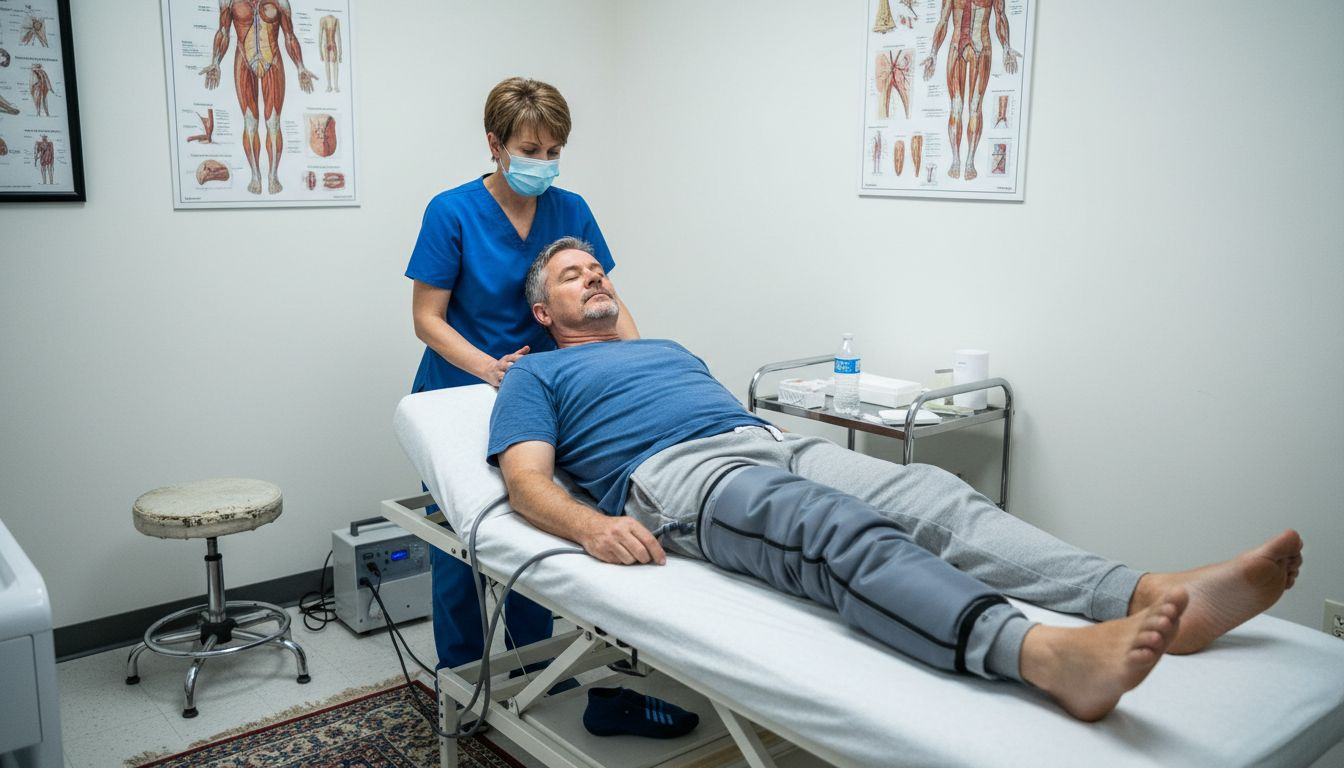
Pro tip: Consult a healthcare professional to select the most appropriate compression device based on your specific medical condition, lifestyle, and therapeutic goals.
How Compression Therapy Supports Circulation
Compression therapy is a sophisticated approach to improving blood circulation through strategic external pressure application. Compression mechanics enhance venous return by creating precise physiological responses that support the body’s natural circulatory processes.
The fundamental mechanism of compression therapy involves several critical circulation-enhancing strategies:
- Reducing venous diameter to increase blood flow velocity
- Supporting weakened venous valve functions
- Preventing blood pooling in lower extremities
- Promoting lymphatic drainage
- Minimizing inflammation and swelling
Effective compression therapy acts like a gentle, external muscle pump, actively supporting the body’s circulatory system without invasive interventions.
How Compression Changes Circulatory Dynamics:
- Increases tissue pressure
- Accelerates blood return to the heart
- Reduces venous stasis
- Improves overall cardiovascular efficiency
Advanced compression technologies now recognize that pressure parameters must be dynamically tailored to individual physiological conditions. Different body positions and clinical stages require nuanced pressure applications, making modern compression therapy a highly personalized circulatory support method.
Pro tip: Measure your limbs accurately and consult healthcare professionals to ensure you select compression garments with precisely calibrated pressure levels for optimal circulatory support.
Key Benefits for Recovery and Wellness
Compression therapy offers profound benefits for physical recovery and overall wellness, extending far beyond simple muscle support. Intermittent compression techniques accelerate muscle recovery by creating targeted physiological responses that optimize healing and performance.
The comprehensive wellness benefits of compression therapy include multiple critical recovery mechanisms:
- Reducing post-exercise muscle inflammation
- Accelerating metabolic waste removal
- Minimizing delayed onset muscle soreness (DOMS)
- Improving lymphatic circulation
- Supporting faster tissue repair
- Enhancing overall muscular recovery
Compression therapy acts as a strategic intervention, transforming the body’s natural healing processes and supporting comprehensive wellness strategies.
Recovery Benefits Across Different Scenarios:
The following table summarizes how compression therapy benefits different groups:
| User Group | Main Benefit | Example Scenario |
|---|---|---|
| Athletes | Faster muscle recovery | Intense training sessions |
| Post-surgical patients | Reduced swelling, faster healing | Knee or hip replacement |
| People with chronic conditions | Improved circulation, less pain | Varicose veins, lymphedema |
| Everyday users | Tired leg relief, routine support | Long periods standing or sitting |
| Elderly adults | DVT prevention, swelling control | Limited mobility |
- Athletic Performance Recovery
- Post-Surgical Rehabilitation
- Chronic Condition Management
- Everyday Muscle Stress Relief
Athletes and medical professionals increasingly recognize pneumatic compression as a powerful recovery tool, capable of significantly reducing recovery time and improving overall physical resilience. By systematically promoting blood flow and reducing inflammation, compression therapy supports the body’s natural healing mechanisms in ways traditional recovery methods cannot.
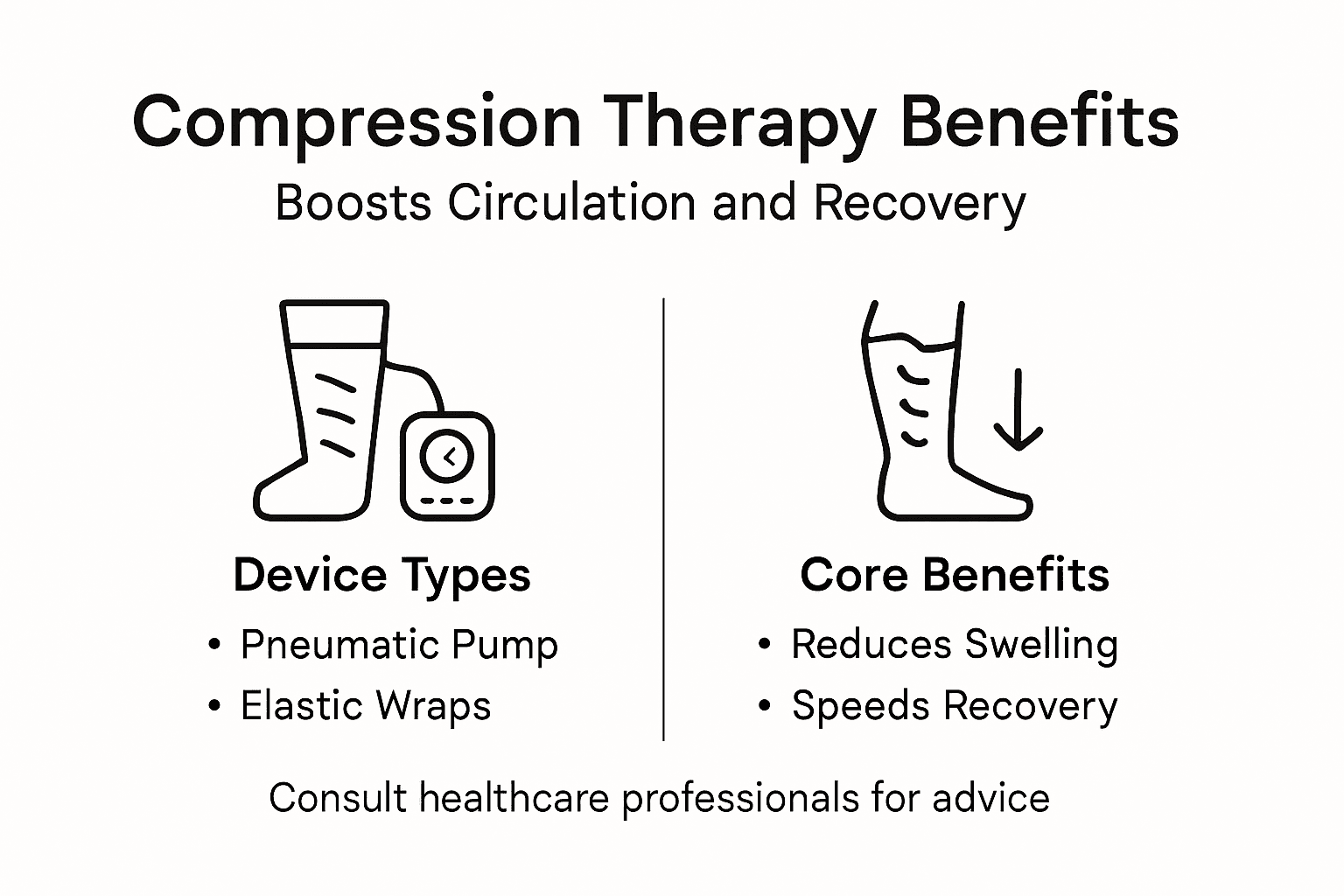
Pro tip: Integrate compression therapy gradually into your recovery routine, starting with shorter sessions and consulting healthcare professionals to customize your approach.
Safety Considerations and Common Mistakes
Compression therapy requires careful implementation to ensure maximum benefit and minimize potential risks. Medical compression techniques demand careful patient assessment to prevent adverse events and optimize therapeutic outcomes.
Potential safety concerns and common mistakes in compression therapy include:
- Incorrect pressure level selection
- Improper garment sizing
- Overlooking individual medical conditions
- Wearing compression devices for inappropriate durations
- Neglecting skin inspection
- Ignoring manufacturer’s application guidelines
Proper patient evaluation and adherence to professional guidelines are crucial for safe and effective compression therapy.
Critical Safety Considerations:
- Consult healthcare professionals before starting therapy
- Undergo comprehensive medical screening
- Select correctly sized compression garments
- Monitor skin condition during use
- Follow recommended usage duration
Adverse events in compression therapy are typically minor, including temporary skin irritation or mild discomfort. Serious complications remain extremely rare when proper protocols are followed. Understanding individual medical history, current health status, and specific physiological needs is paramount to safe implementation.
Pro tip: Always perform a patch test and start with shorter, supervised compression sessions to assess individual tolerance and comfort levels.
Discover Smart Solutions for Enhanced Circulation and Recovery
If you are looking to boost circulation and speed up recovery with effective compression therapy, you understand the importance of tailored pressure and comfort. The challenges of finding the right compression level, avoiding discomfort, and supporting your body’s natural healing process can feel overwhelming. At Lunix we offer innovative and thoughtfully designed wellness products that support your recovery journey by integrating advanced comfort and smart technology.

Experience premium recovery solutions that align with the principles of compression therapy discussed in this article. Whether you want to prevent swelling, reduce muscle soreness, or elevate your daily wellness routine, Lunix helps you restore and relax with ease. Explore our smart recovery collections and take control of your physical health today. Visit Lunix to find your perfect wellness companion now and start feeling the difference compression therapy aims to deliver.
Frequently Asked Questions
What is compression therapy and how does it work?
Compression therapy is a treatment that applies consistent external pressure to specific areas of the body to improve blood circulation and support recovery. It enhances venous return and reduces swelling by utilizing specially designed garments or devices that exert graduated pressure on limbs.
Who can benefit from compression therapy?
Compression therapy can benefit individuals across various age groups and physical conditions, including athletes seeking faster recovery, post-surgical patients needing to reduce swelling, and those with chronic conditions like venous insufficiency or lymphedema.
Are compression garments comfortable to wear?
Modern compression garments are designed with lightweight and breathable materials, making them comfortable to wear for extended periods. They provide therapeutic benefits without being overly restrictive or causing discomfort.
What are the different types of compression therapy devices?
The primary types of compression therapy devices include compression bandages, compression stockings, Velcro compression devices, pneumatic compression pumps, and hybrid compression systems. Each type is tailored to meet specific medical and lifestyle needs.