


The fastest hand neuropathy relief comes from a short combination of activity changes and topical treatments, while lasting improvement depends on diagnosing and treating the root cause. A pinched nerve from carpal tunnel syndrome responds differently than nerve damage from diabetes or chemotherapy, so a clinician needs to sort out which one you’re dealing with. Symptom relief often shows up within days to weeks; deeper recovery, especially for diabetic neuropathy with good glucose control, tends to unfold over 6 to 12 months.
TL;DR:
- Repetitive hand use and poor ergonomics exacerbate symptoms, but reducing pressure through simple adjustments can provide rapid relief within days.
- Topical treatments like lidocaine patches and capsaicin can alleviate localized discomfort quickly, though they do not address underlying causes.
- Physical therapy, especially nerve-gliding exercises and ergonomic aids, improves nerve mobility and function over 6 to 12 weeks.
- Device-based support such as TENS and red light therapy can help manage symptoms, with consistent use over 8 to 12 weeks being most effective.
- Proper diagnosis and addressing underlying conditions like carpal tunnel or diabetes remain essential for sustained recovery, beyond temporary symptom management.
Table of Contents
- Fast Relief for Hand Neuropathy: What to Do Today
- Medical Treatments for Hand Neuropathy: What a Doctor Might Prescribe
- How Physical Therapy Helps Hand Neuropathy Recovery
- Do TENS Units and Red Light Therapy Actually Help?
- When Should You See a Doctor for Hand Numbness?
- Lifestyle Changes That Support Nerve Health Long Term
- A 6 to 12 Week Plan for Managing Hand Neuropathy at Home
- What Lunix Believes About Devices and Red Light Dosing
- Our Take: Why Patience Beats Panic With Nerve Symptoms
- Try comfort tools to aid your recovery while you work toward a diagnosis
- Where to Learn More About Hand Neuropathy
- Sources
Fast Relief for Hand Neuropathy: What to Do Today
You don’t need a prescription to start feeling better. A few low-risk changes, made correctly, can quiet tingling, numbness, and burning within days.
- Change how you use your hands. Cut back on repetitive gripping, vibrating tools, and prolonged typing without breaks. Small ergonomic tweaks, like raising your keyboard or switching to a padded grip, reduce pressure on already-irritated nerves.
- Try a topical treatment. Lidocaine patches or cream work locally within 30 to 60 minutes and carry far less risk than oral medication. Topical capsaicin can help too, though it often causes a temporary burning sensation before symptoms ease.
- Use temperature carefully. Cold packs calm acute burning pain; warmth improves circulation and stiffness. Never apply either directly to numb skin, since reduced sensation makes burns and frostbite easy to miss.
- Consider a wrist splint at night. If your symptoms point to carpal tunnel, a neutral-position splint worn while sleeping often reduces morning numbness within one to two weeks.
Pro Tip: Keep a splint or cold pack near your desk. Catching a flare-up in its first 15 minutes usually shortens how long it lingers.
Seek urgent care if you notice sudden hand weakness, are dropping objects without warning, or experience sharp, severe pain that comes on fast. Those signs suggest something more urgent than routine nerve irritation.
Medical Treatments for Hand Neuropathy: What a Doctor Might Prescribe
When self-care isn’t enough, your doctor has several treatment tiers to work through, and treatment for peripheral neuropathy is generally twofold: manage the symptoms while treating whatever is causing them.
- Antiseizure medications. Gabapentin and pregabalin calm overactive nerve signals and are often first-line for burning or shooting pain. Doctors typically start low and increase the dose gradually, since drowsiness and dizziness are common early on.
- SNRIs and tricyclic antidepressants. Duloxetine and amitriptyline work through different pathways than antiseizure drugs and can help when those alone aren’t sufficient. Dry mouth, fatigue, and mild blood pressure changes are the usual trade-offs.
- Topical patches. Lidocaine and other patch-based treatments stay local, which means fewer systemic side effects than pills, making them a reasonable first step for focal hand symptoms.
- Injections and nerve blocks. These serve both diagnostic and therapeutic purposes, helping confirm which nerve is involved while sometimes providing weeks of relief.
- Surgery. Carpal tunnel release becomes appropriate when compression is confirmed and conservative treatment has stalled, particularly if weakness or muscle wasting has started.
Because oral medications carry drowsiness and balance risks, doctors usually titrate slowly and may time doses around bedtime if nighttime symptoms are worse.
How Physical Therapy Helps Hand Neuropathy Recovery
Medication quiets pain, but it doesn’t rebuild function. That’s where hand therapy and occupational therapy step in, focusing on movement, strength, and daily task adaptation rather than the nerve signal itself.
- Nerve-gliding exercises. These gentle stretches move the nerve through its natural pathway to reduce adhesions and improve mobility. A systematic review of 12 randomized trials involving 1,003 participants found significant improvements in symptom severity and nerve conduction for people with mild-to-moderate carpal tunnel syndrome after these exercises.
- Splinting and ergonomic aids. Occupational therapists often pair splints with adjustments to how you grip, type, or lift, spreading load away from irritated nerves.
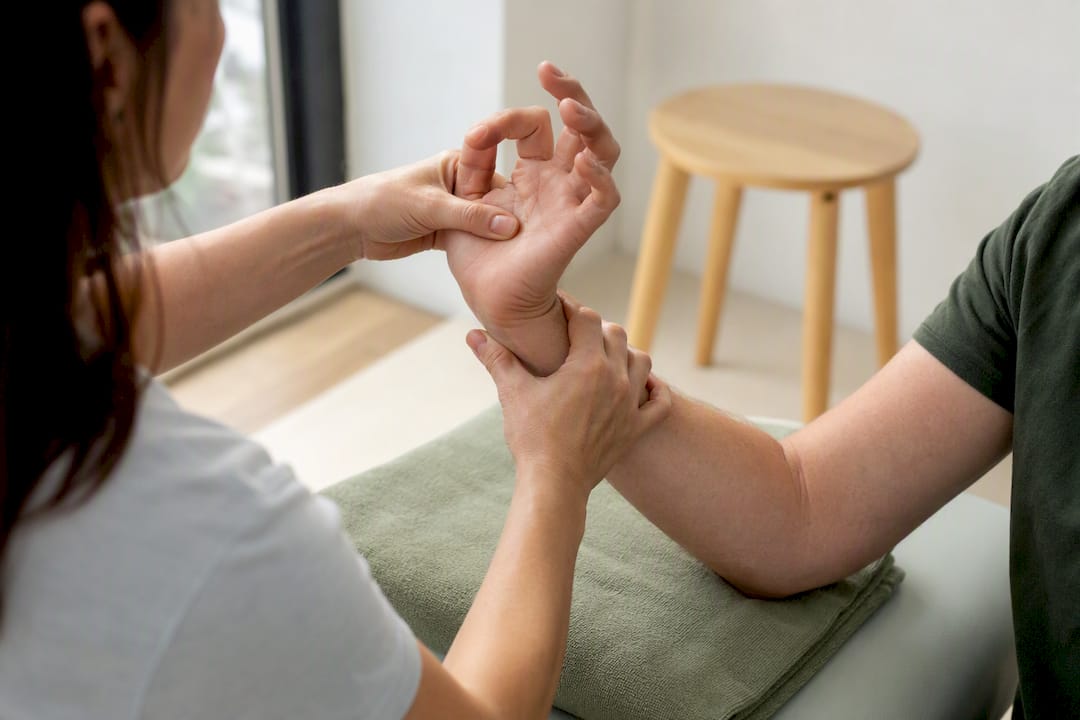
- Manual therapy and massage. Evidence here is mixed. Some patients get real relief from soft tissue work around the wrist and forearm, but results vary more than with structured nerve-gliding protocols.
- Activity pacing. Therapists help you break up repetitive tasks throughout the day instead of pushing through pain, which prevents small irritations from becoming chronic ones.
A conservative trial of night splinting paired with supervised nerve-gliding over 6 to 12 weeks often comes before electrodiagnostic testing, unless significant weakness shows up first.
Pro Tip: Nerve-gliding exercises work best when a therapist checks your form early on. Overdoing the stretch can aggravate the same nerve you’re trying to calm.
Do TENS Units and Red Light Therapy Actually Help?
Beyond medication and hands-on therapy, a growing set of devices aims to interrupt pain signals or support nerve tissue directly. The evidence varies by device, so it helps to know what each one is actually built to do.
- TENS units. These deliver mild electrical pulses through the skin to disrupt pain signals and are commonly used at home for neuropathic pain management, particularly when oral medications aren’t well tolerated.
- Photobiomodulation (red light therapy). Protocols typically call for consistent sessions over an 8 to 12 week window before you can fairly judge whether it’s helping. Think of it as a slow-build supportive therapy, not an instant fix.
- PEMF (pulsed electromagnetic field) devices. Evidence is still developing, and claims around PEMF benefits should be weighed carefully against where the research is actually strongest, which is not universally the case for hand neuropathy specifically.
- Acupuncture and mind-body approaches. These serve best as adjuncts for chronic pain management alongside, not instead of, medical treatment.
None of these devices replace treating the underlying cause. They’re tools for making the weeks or months of recovery more tolerable while the real driver gets addressed.
When Should You See a Doctor for Hand Numbness?
Persistent tingling, burning, or numbness that doesn’t ease within a couple of weeks of self-care deserves a clinical workup, not more guessing.
- Bloodwork. A basic panel checking B12 levels, HbA1c or fasting glucose, and thyroid function (TSH) catches several common, treatable causes of nerve damage.
- Nerve conduction study and EMG. These tests measure how well electrical signals travel through your nerves and pinpoint whether compression, like carpal tunnel, is the culprit.
- Specialist referral. Depending on findings, you might see a neurologist, hand surgeon, pain specialist, or endocrinologist. Your primary care doctor typically coordinates that referral.
- Red flags for urgent evaluation. Rapidly worsening weakness, sudden loss of fine motor control, or severe sensory loss warrants prompt attention rather than a wait-and-see approach.
The NINDS fact sheet on peripheral neuropathy is a solid starting point if you want to understand which symptoms typically point toward which causes before your appointment.
Lifestyle Changes That Support Nerve Health Long Term
What you do outside the clinic matters as much as anything prescribed inside it, especially for diabetic neuropathy.
- Control blood sugar. Strict glycemic control, often targeting an HbA1c below 7%, can slow progression and in some cases reduce symptoms, typically over a 6 to 12 month window rather than overnight.
- Fix nutritional gaps. Correcting a B12 deficiency can meaningfully improve nerve function, but be cautious with B6 supplementation, since excess amounts can actually cause nerve damage. Alpha-lipoic acid and omega-3s have some supporting evidence as adjuncts, not substitutes for medical care.
- Cut smoking and alcohol, and move regularly. Both substances restrict blood flow to peripheral nerves, and safe aerobic exercise supports circulation that nerves depend on to heal.
- Fix repetitive strain at the source. Adjust your workstation, tools, and grip habits so you’re not undoing your recovery every workday.
Pro Tip: Multidisciplinary care, endocrinology for glucose, nutrition counseling, and physical therapy working together, tends to produce the best functional outcomes for diabetic neuropathy over months, not any single intervention alone.
A 6 to 12 Week Plan for Managing Hand Neuropathy at Home
Recovery works best as a staged process rather than a single decision. Here’s a realistic pathway to follow alongside your clinician.
- Weeks 0 to 2: Start activity modification, topical treatment, and a nightly splint if carpal tunnel is suspected. Begin a simple symptom log tracking pain, numbness, and grip strength. Schedule a clinical evaluation now if any red flags are present.
- Weeks 2 to 6: Begin structured hand therapy, including nerve-gliding exercises, and trial a device-based therapy like TENS or red light if your clinician agrees. Start or reassess any medication trial during this window.
- Weeks 6 to 12: Review progress with your provider. If symptoms haven’t improved meaningfully, this is the point to pursue electrodiagnostic testing and a specialist referral, and to discuss injections or surgery if compression is confirmed.
| Timeframe | Focus | What to track |
|---|---|---|
| Weeks 0–2 | Self-care, safety screening | Pain intensity, numbness pattern, red flags |
| Weeks 2–6 | Therapy and device trials | Grip strength, symptom log, sleep quality |
| Weeks 6–12 | Reassessment, escalation if needed | Overall function, need for referral or imaging |
For structured exercises to follow during weeks two through six, a guided at-home hand therapy program can help you stay consistent between clinical visits.
What Lunix Believes About Devices and Red Light Dosing
We built our position on device-based support around one principle: consistency beats intensity. Our guidance on red light therapy dosing for neuropathy reflects an 8 to 12 week window because that’s what the pattern in available protocols actually supports, not a shortcut timeline designed to sell faster results.
- Red light and heated compression devices are adjuncts. They support comfort and circulation; they don’t replace glycemic control, medication, or surgery when those are indicated.
- Consistency across the full 8 to 12 week window matters more than session intensity or device wattage.
- Pair any device routine with your clinician’s plan, especially if you’re managing diabetes, chemotherapy-related nerve damage, or a compressive condition like carpal tunnel.
Our Take: Why Patience Beats Panic With Nerve Symptoms
The instinct with hand numbness is to want an instant fix, and there’s a real one available for the surface layer of the problem: topical treatments and activity changes genuinely quiet symptoms fast. What we think gets lost is the second half of the equation. Too many people treat symptom relief as the finish line instead of the starting point.
That gap matters because a pinched nerve from carpal tunnel and nerve damage from unmanaged diabetes look almost identical in the fingers, tingling, numbness, that dull burning ache, but they demand completely different long-term plans. Skipping the diagnostic step because the topical patch is working is how people end up managing symptoms for years instead of solving the actual problem in months.
We’d rather see readers treat comfort tools as a bridge to better function while the real medical work happens in parallel, not as a substitute for it.
— Lunix
Try comfort tools to aid your recovery while you work toward a diagnosis
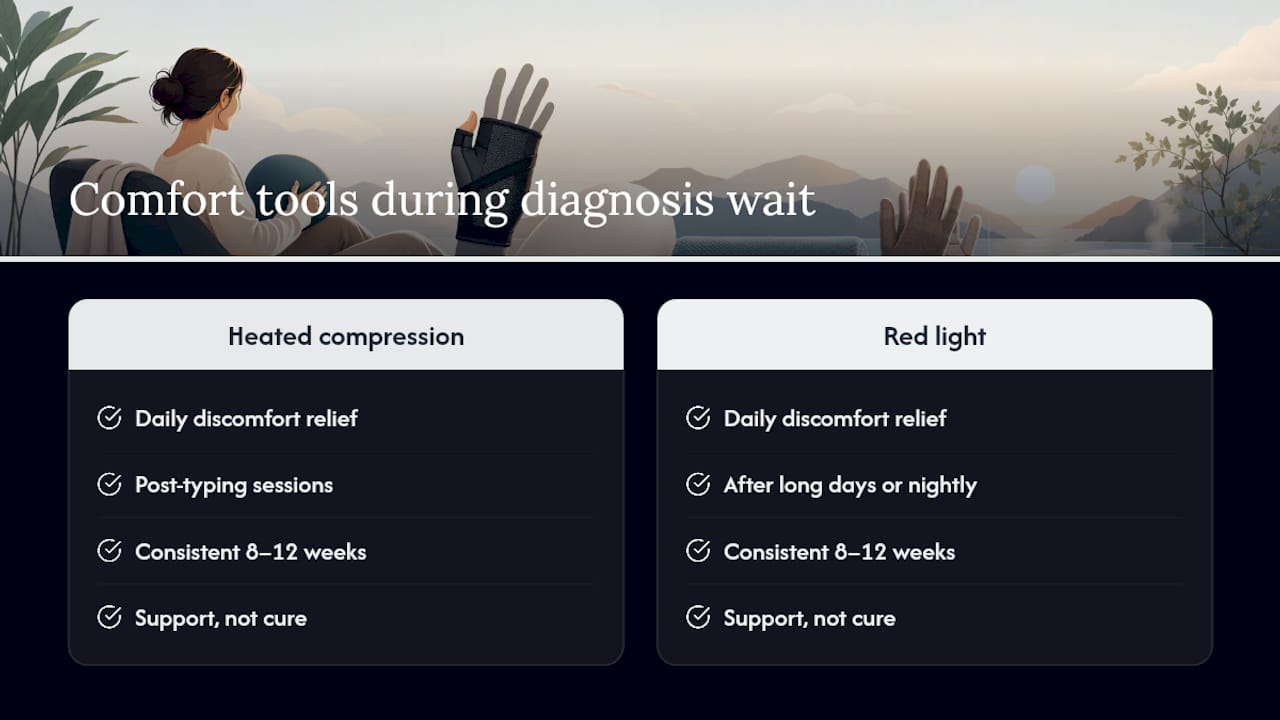
If you’re navigating the weeks between noticing symptoms and getting a full diagnosis, heated air compression hand massagers and red light therapy devices can offer a low-effort way to manage daily discomfort without waiting on a prescription refill or a specialist appointment slot.

These aren’t marketed as a cure, and we won’t pretend otherwise. They’re built as comfort and recovery support, the kind of daily-use tool that fits into a symptom-management routine alongside whatever your clinician prescribes. A heated compression session after a long day of typing, or a consistent red light routine across that 8 to 12 week window, can make the waiting period more bearable while your diagnostic workup moves forward. If you’ve got a condition your doctor is actively managing, like uncontrolled diabetes or advanced compression, follow their guidance first and treat our devices as the supporting piece, not the plan.
Check current models and specs on the Lunix product page to see which device fits your daily routine.
Where to Learn More About Hand Neuropathy
For deeper reading beyond this guide, the Mayo Clinic’s peripheral neuropathy treatment overview covers medication options in clinical detail. The Cleveland Clinic’s diabetic neuropathy page explains realistic recovery timelines tied to glucose control. The NINDS fact sheet offers a broad causes-and-care summary, and the carpal tunnel neurodynamic techniques review is worth sharing with a physical therapist planning your exercise protocol.
This article is general information, not a substitute for advice from a qualified doctor. Consult a qualified healthcare professional about your own circumstances before acting on anything here.
Sources
- Peripheral neuropathy - Diagnosis and treatment (Mayo Clinic)
- Diabetic neuropathy (Cleveland Clinic)
- Systematic review on neurodynamic techniques for carpal tunnel syndrome (PMC)
- Peripheral neuropathy: Causes, symptoms, treatment, and prevention (Harvard Health Publishing)