


TL;DR:
- Creating a personal wellness space at home supports emotional health and reduces stress effectively.
- Starting with small, intentional changes yields significant emotional and physical benefits without major renovations.
- Prioritizing natural light, air quality, and consistent habits promotes long-term wellness and mental clarity.
You walk through the front door after a long day, and instead of feeling a sense of relief, the clutter, noise, and general chaos of your home adds to the weight you were already carrying. Sound familiar? You’re not alone. Many people aged 40 and beyond recognize that their home environment either supports their well-being or quietly works against it. This guide walks you through every step of building a personal wellness space that genuinely restores you, from evaluating your existing rooms to choosing the right materials, avoiding common pitfalls, and making lasting changes that work in real life.
Table of Contents
- Assessing your current space and setting intentions
- Essential materials and features for wellness
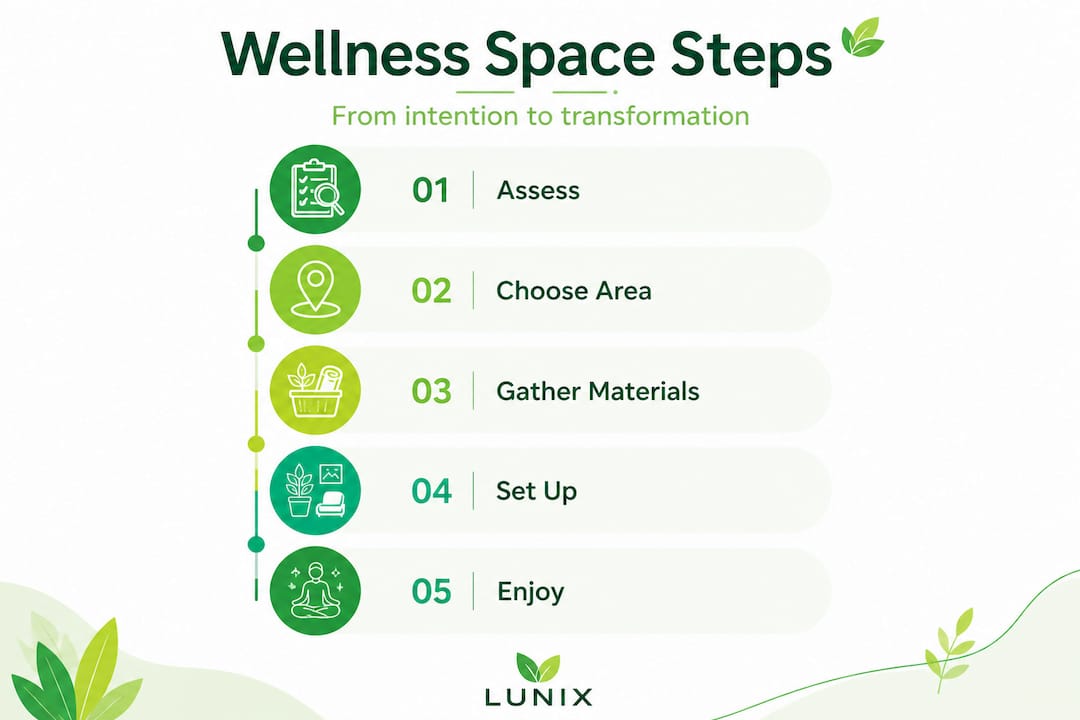
- Step-by-step process to build your wellness space
- Troubleshooting, common mistakes, and optimizing for results
- Our perspective: What actually works for lasting wellness at home
- Take your wellness journey further with Lunix
- Frequently asked questions
Key Takeaways
| Point | Details |
|---|---|
| Start small for big impact | Simple changes like decluttering or adjusting lighting can quickly boost wellness at home. |
| Biophilic elements matter | Using natural materials and plants enhances mood and reduces stress. |
| Color influences calm | Soothing color palettes support relaxation and lower heart rates. |
| Thermal upgrades increase comfort | Small investments in temperature control improve mental health and save on healthcare costs. |
| Integrate sensory controls | Sound, scent, and privacy are essential to make your space truly calming and distraction-free. |
Assessing your current space and setting intentions
Having set the stage, it’s essential to first understand your space and what you hope to achieve with it. The good news is that you don’t need a spare room, a contractor, or a large budget to get started. You just need honest eyes and a clear intention.
Walk through your home and ask yourself a few simple questions. Is there an underused corner that collects mail or exercise equipment you never touch? A guest bedroom that sits empty most of the year? A bathroom that could double as a quiet retreat? Any of these spaces can become the foundation of your wellness area, and creating a home sanctuary is more about mindset than square footage.
Full wellness room vs. small iterative changes
| Approach | Upfront cost | Time to results | Emotional impact |
|---|---|---|---|
| Dedicated wellness room | High ($1,000+) | Weeks to months | Very high (long term) |
| Repurposed guest room | Moderate ($300-$700) | 1 to 2 weeks | High |
| Corner or nook refresh | Low ($50-$200) | 1 to 3 days | Surprisingly high |
| Bathroom spa upgrade | Low to moderate ($100-$500) | A few hours to 2 days | High |
While full wellness rooms are ideal, small iterative changes like decluttering and adjusting lighting yield surprising emotional returns without a full overhaul. This is one of the most encouraging findings for people who feel overwhelmed by the idea of redesigning a room from scratch.
Once you’ve identified your space, set a personal intention for it. Ask yourself: Do I want a place to stretch and breathe? A reading nook with no screens? A quiet corner for meditation? Your answer shapes every decision that follows.
Here’s a starter checklist to get your space ready:
- Declutter the area so it feels open and calm. You can start by taking steps to declutter your space and notice how quickly the mental noise eases.
- Reduce digital distractions by removing screens, silencing notifications, or using designated device-free hours. Research confirms that reducing digital distractions has a measurable effect on focus and emotional well-being.
- Evaluate your lighting. Natural light is a powerful mood lifter. If your space lacks windows, opt for warm-toned bulbs that mimic daylight.
- Note temperature and airflow. Stuffy or drafty rooms instantly undermine the calm you’re trying to build.
Pro Tip: Start with what you already have. Move a comfortable chair near a window, add a small plant, and spend 10 minutes in that spot each morning. That simple act, repeated consistently, conditions your nervous system to associate the space with rest.
Essential materials and features for wellness
With intentions clarified, the next step is gathering the materials and features that empower real change. You don’t have to shop for everything at once. Think of this as building a toolkit over time, prioritizing the items that address your biggest stressors first.
Biophilic design elements like natural materials, plants, and views of nature enhance cognitive function, improve mood, and reduce cortisol levels, the hormone most closely tied to stress. This is why adding even one or two live plants to your wellness area creates an immediate shift in how the room feels.
Color also plays a bigger role than most people realize. Soothing color palettes with earthy tones, soft greens, and muted blues lower heart rates and promote a calm, settled feeling. If repainting isn’t an option, you can introduce these colors through textiles, throw pillows, rugs, and curtains.
Key features and what they do
| Feature | Purpose | Estimated cost |
|---|---|---|
| Air purifier | Removes allergens, improves air quality | $80-$300 |
| Essential oil diffuser | Promotes calm through aromatherapy | $25-$80 |
| Live plants | Biophilic mood boost, air filtration | $10-$60 each |
| Warm-spectrum lighting | Supports relaxation and circadian rhythm | $20-$100 |
| Noise machine or soft music speaker | Blocks disruptive sounds | $30-$120 |
| Natural fiber textiles (cotton, linen, jute) | Tactile comfort, grounding texture | $30-$150 |
| Blackout curtains or sheer panels | Controls light for different moods | $40-$150 |
For more layered ideas, explore home spa concepts that bring professional-level relaxation into everyday rooms.
Must-have items to start with:
- A comfortable, supportive seat or floor cushion
- At least one plant (even a low-maintenance succulent counts)
- A diffuser with a calming scent such as lavender or eucalyptus
- A soft, natural-fiber blanket or throw
- One source of adjustable warm lighting
You can find more examples of how people are building out their spaces at home in this roundup of relaxation therapy ideas that blend sensory approaches for a fuller experience. For a broader look at how different wellness elements work together, home wellness stations offer a practical framework you can adapt to any room size.
Step-by-step process to build your wellness space
Once your materials are ready, here’s how to put them together for maximum impact. Following a clear sequence keeps you from feeling overwhelmed and helps you see progress quickly.
-
Clear and clean the space completely. Remove everything that doesn’t serve your wellness goal. Even temporary clutter sends a low-level stress signal to your brain.
-
Address the walls and light. Paint, hang a calming print, or simply clean the windows to maximize natural light. This single step changes how the room feels more than almost anything else.
-
Layer your sensory elements. Place your plants, set up the diffuser, hang curtains, and arrange your textiles. Build the environment from floor to ceiling so every sense has something supportive to land on.
-
Install your soundproofing or sound management tools. As noted by wellness design experts, diffusers for subtle scents and sound controls create a calming, distraction-free environment that dramatically deepens relaxation.
-
Arrange your primary furniture or seating. Face it toward natural light if possible, and position it away from the door to create a sense of safety and enclosure.
-
Add your technology intentionally. A small Bluetooth speaker for gentle music or nature sounds is helpful. A television is not. Keep screens out of your wellness zone whenever possible.
-
Set your rituals in place. The physical space supports your practice, but the practice is what delivers the results. Decide when you’ll use this space and for how long each day.
“Implement soundproofing and sensory controls like diffusers for subtle scents to create a calming, distraction-free environment.” This small investment in sensory management makes a bigger difference than most people expect, especially in homes near traffic, noisy neighbors, or family activity.
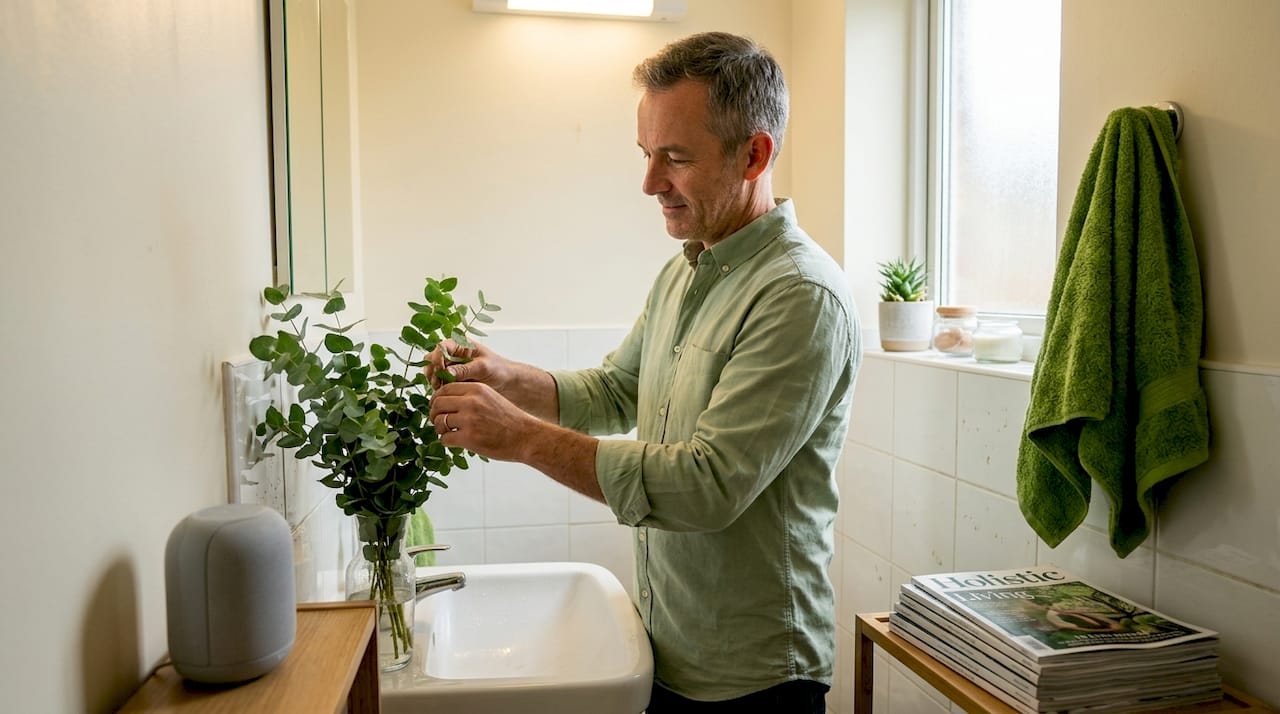
Pro Tip: If you’re working with a small home, your bathroom is one of the easiest spaces to transform. In small homes, repurposing a bathroom into a spa-like area with steam showers, essential oils, and upgraded lighting creates accessibility without major renovations. Even a 30-minute bath ritual in a refreshed bathroom activates the parasympathetic nervous system (your body’s rest-and-restore mode).
Before finalizing your layout, check the home spa benefits that help explain why this kind of investment in your space pays back far more than the time and money you put in. For broader inspiration, reading through a detailed guide to home sanctuary design reinforces how intentional choices compound over time.
For those building a wellness corner specifically for recovery, a massage therapy checklist can help you identify the tools and habits that support muscle recovery and physical restoration at home. You’ll also find helpful context on why home wellness insights point toward daily, accessible practices as the most sustainable path forward.
Troubleshooting, common mistakes, and optimizing for results
After your wellness space is ready, optimize and troubleshoot to ensure lasting benefits. Most people build something beautiful and then wonder why it isn’t working after a few weeks. The answer is almost always one of a handful of common mistakes.
Mistakes that undermine your wellness space:
- Overcomplicating the design. When a space requires effort to use or feels like it needs maintenance, you stop going to it. Keep it simple and low-friction.
- Ignoring air quality. Poor ventilation or stale air creates physical discomfort that your brain interprets as a reason to leave. An air purifier or even a cracked window makes a real difference.
- Skipping thermal upgrades. Temperature affects comfort more than most design decisions. Home thermal upgrades averaging around $2,809 increased winter indoor temperatures by 0.33°C, reduced cold exposure by 43 minutes per day, improved mental health scores, and lowered healthcare costs by $887 per person annually. That’s a meaningful return on a relatively modest investment.
- Using the space inconsistently. A wellness area only works if you show up for it. Block time in your calendar just as you would any appointment.
- Neglecting upkeep. Wilting plants, dusty diffusers, and cluttered surfaces quietly erode the feeling you worked to create.
Pro Tip: Focus first on lighting and temperature before buying any products. These two variables account for the majority of how a room feels. Once they’re dialed in, everything else enhances a foundation that’s already working.
Impact comparison: small tweaks vs. major investments
| Change | Effort | Cost | Well-being impact |
|---|---|---|---|
| Adding warm lighting | Low | $20-$60 | High |
| Introducing a plant | Low | $10-$40 | Moderate to high |
| Thermal insulation upgrade | High | $1,500-$4,000 | Very high (long term) |
| Air purifier installation | Low | $80-$300 | High |
| Full room redesign | Very high | $1,000+ | High (if maintained) |
WELL-certified buildings show higher satisfaction with mental health, well-being, and productivity, though improvements in physical health are more limited. This tells us that how a space feels matters enormously for mental restoration, which is the core goal for most home wellness spaces.
For practical guidance on fine-tuning your setup, optimizing home comfort walks through the incremental steps that deliver the most return. You’ll also find a useful overview of home wellness advantages that reframes home care as an investment in your long-term quality of life.
If you want to go deeper on the tools themselves, home health tools covers how recovery-focused equipment fits into a broader home wellness strategy. For a look at the research behind these approaches, integrative health benefits and a wellness consultation workflow offer evidence-based frameworks you can borrow for your own space.
Our perspective: What actually works for lasting wellness at home
Here’s an honest take based on what we’ve observed: most people spend too much time designing their wellness space and not enough time using it. A beautifully curated room that you visit twice a month does far less for your body and mind than a plain corner with a good chair that you return to every single day.
The biggest mistake we see? Treating wellness as a destination rather than a habit. People wait until they have the “perfect” space before they start. But the waiting is the problem. Wellness at home is built through daily mental decluttering practices and small rituals, not through one sweeping renovation.
Natural light and fresh air are the two most underrated wellness upgrades we know. They’re free, they’re always available, and they consistently outperform expensive gadgets in real-world use. Yet most people pull the blinds and prop their phone on their chest the moment they sit down to relax.
What do people regret? Buying too much too fast. A shelf full of diffusers and supplements you never use isn’t wellness. It’s clutter wearing a wellness costume.
What do people love after the fact? Evidence-based wellness approaches that are consistent and low-maintenance: a single plant in good light, a morning 10 minutes in a quiet chair, a room that stays tidy because it has a clear purpose. Simple. Repeatable. Actually restorative.
Take your wellness journey further with Lunix
Building a wellness space at home is one of the most meaningful things you can do for yourself after 40. Once your environment is set up to support you, the right tools make it even easier to maintain that feeling day after day.

At Lunix, we design recovery and comfort solutions that fit naturally into the spaces you’ve worked to create. Whether you’re looking for support after a long day on your feet, deeper relaxation in the evenings, or tools that help your body recover while you rest, our health recovery products are built with your daily well-being in mind. Explore everything we offer at Lunix home wellness and find the pieces that complete your space.
Frequently asked questions
What are the best materials for a wellness space?
Natural materials, plants, and biophilic design elements like wood, stone textures, and live greenery enhance mood, support cognitive function, and help reduce cortisol levels, making them the most effective starting point for any wellness area.
Is it possible to create a wellness space in a small home?
Absolutely. In small homes, repurposing a bathroom or an unused corner with targeted upgrades like better lighting, essential oils, and comfortable seating can deliver a spa-like experience without any major renovations.
How important is color in wellness spaces?
Very important. Soothing color palettes with earthy tones, soft greens, and muted blues actively lower heart rates and promote a calm, grounded feeling, even when introduced through textiles rather than paint.
Does upgrading home temperature affect well-being?
Yes, more than most people expect. Thermal upgrades increase indoor comfort, improve mental health outcomes, and have even been linked to reduced healthcare costs, making them one of the highest-return investments you can make for your home.
Can wellness rooms improve productivity?
WELL-certified spaces consistently show higher satisfaction with mental well-being and focus, which translates into better productivity for people who use their wellness space as a daily reset between demanding activities.
Recommended
- Create your home sanctuary: a guide to wellness and relaxation – Lunix
- Why home wellness matters: insights for better living 2026 – Lunix
- Why Create a Home Spa: Wellness, Privacy, Results – Lunix
- How to Set Up a Home Spa for Premium Relaxation – Lunix
- Wellness Tips for Beginners: 7 Steps to Better Health
- Breathwork and Mindfulness Sessions From Home | Low Tide Calm